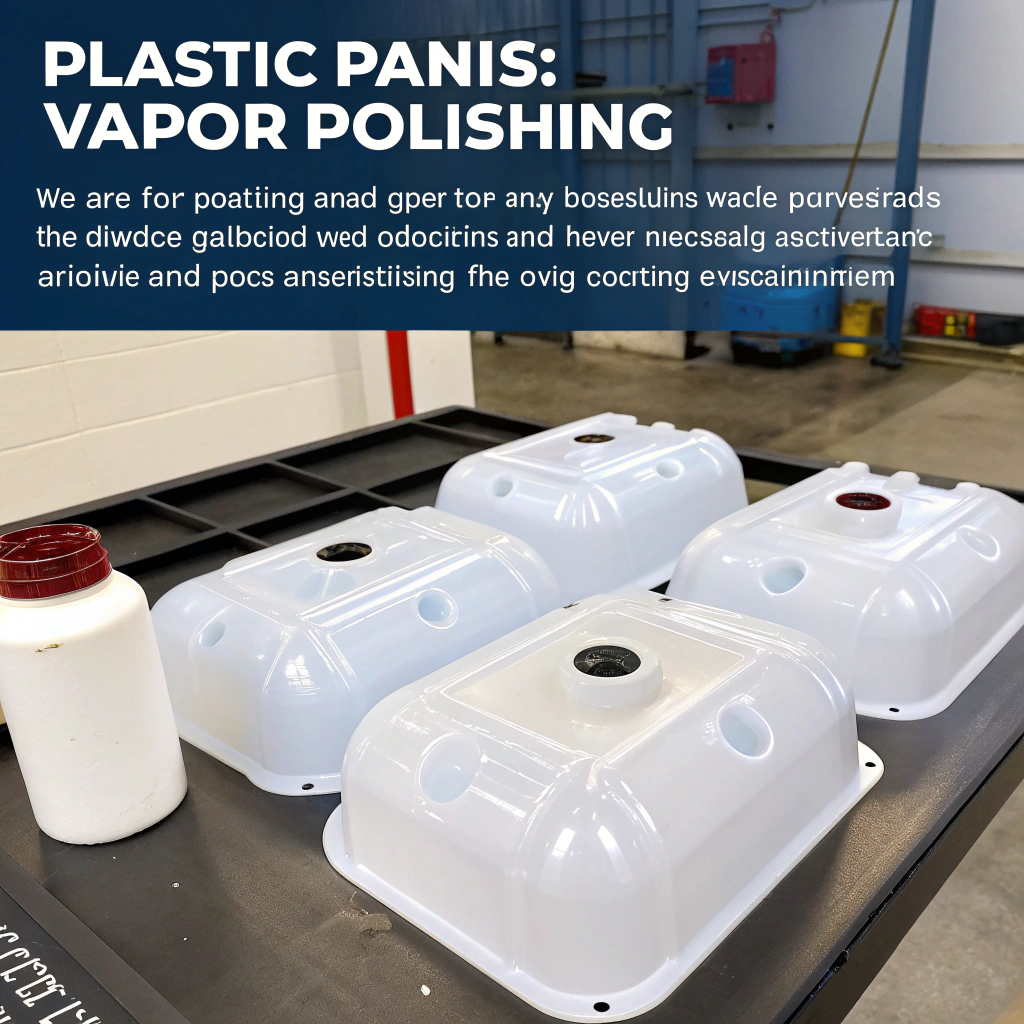
Plastic parts often leave machines with surfaces that are rough, cloudy, or scratched—even if their shapes are perfect. That’s where vapor polishing comes in.
Vapor polishing is a surface finishing process where a plastic part is exposed to solvent vapor, which slightly melts the surface, filling in tiny defects and creating a smooth, clear finish.
This technique is often used with clear plastics like polycarbonate or acrylic to improve transparency. It’s especially useful in industries like optics, medical, or electronics, where surface quality matters.
What Are the Advantages of Vapor Polishing?
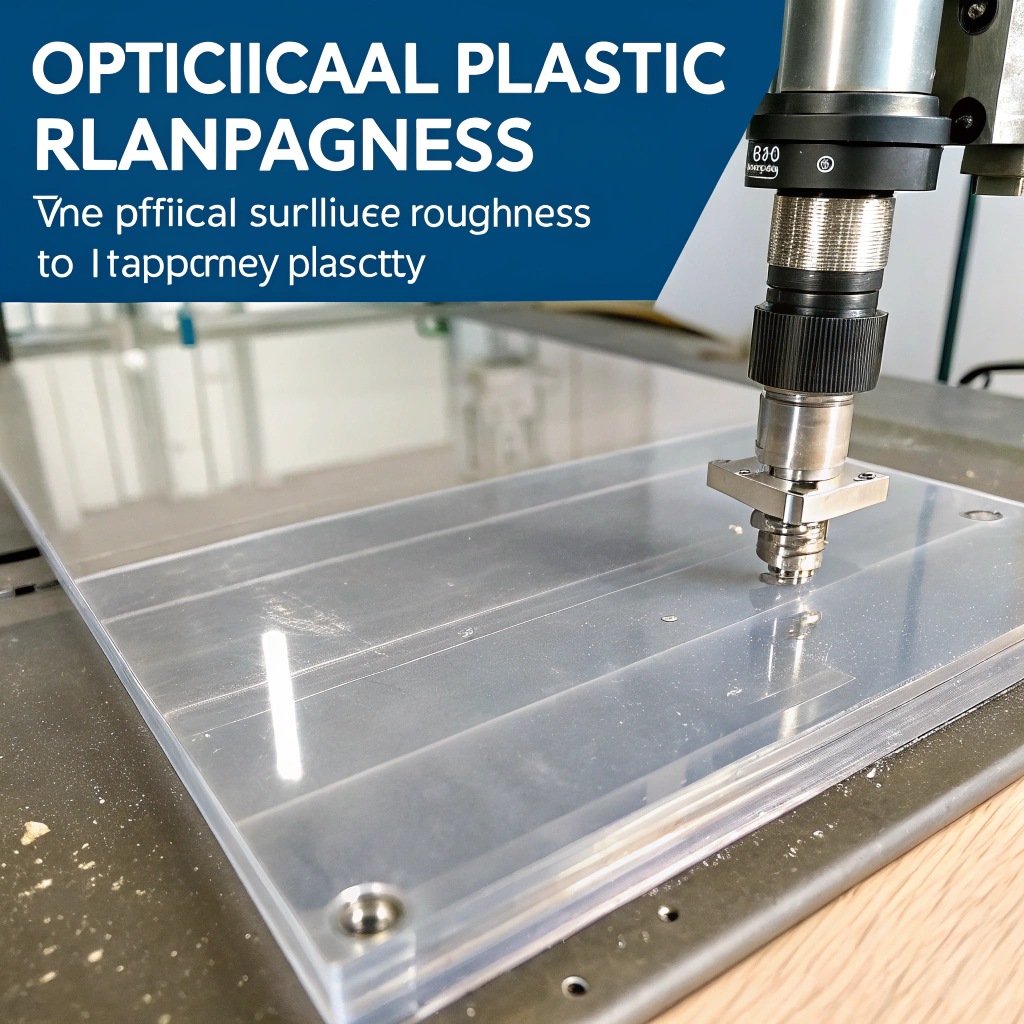
When the finish must be flawless, manual polishing is slow and inconsistent. Vapor polishing offers a fast and repeatable alternative.
Vapor polishing improves optical clarity, reaches complex shapes, lowers labor costs, and produces smooth, professional finishes without sanding or buffing.
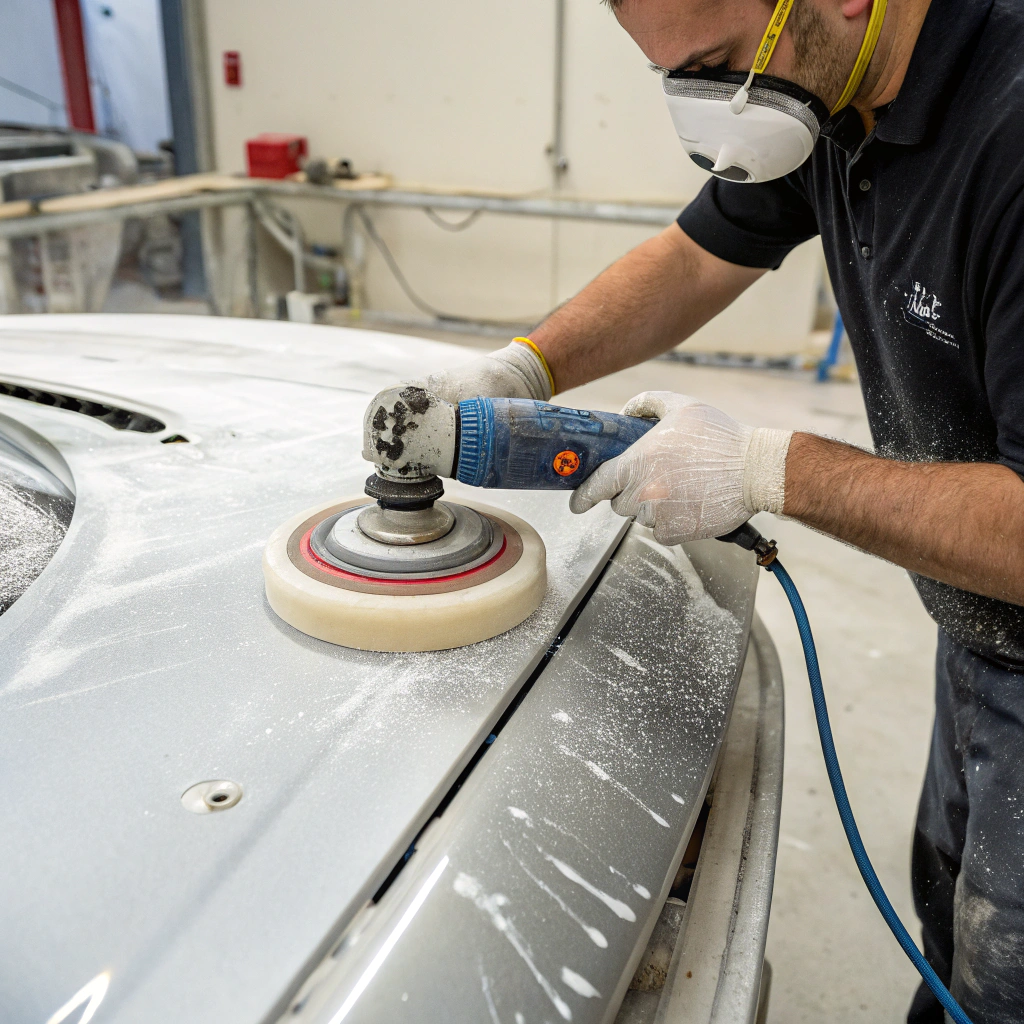
Key Benefits of Vapor Polishing
| Advantage | Description |
|---|---|
| Optical Clarity | Makes transparent plastics clearer by removing surface roughness |
| Precision | No material is removed, so dimensions stay intact |
| Speed | Faster than manual finishing, especially for large batches |
| Complex Shapes | Reaches into areas where tools can’t go |
| Consistency | Produces repeatable finishes across parts |
By exposing a part to solvent vapor, only the outermost layer is softened. As it flows, it fills in scratches and machining marks. Then it re-hardens into a glossy, smooth layer.
This process doesn’t require sanding or physical contact. That makes it great for small or delicate parts where manual polishing could cause damage.
How to Apply Vapor Polishing in Manufacturing?
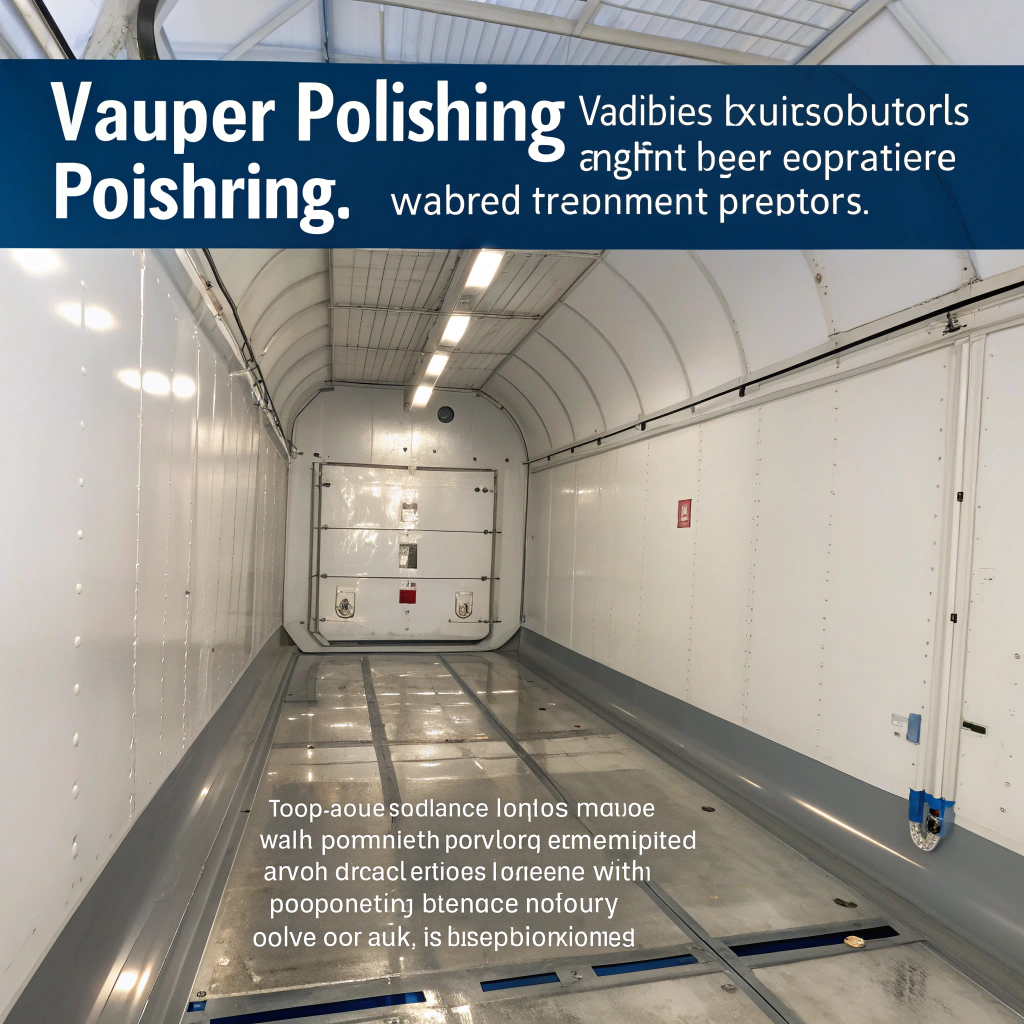
Applying vapor polishing in a factory setting requires precision, planning, and safety controls.
To apply vapor polishing, manufacturers clean the part, expose it to solvent vapor in a chamber, and then let it cool under controlled conditions for a consistent, high-quality finish.
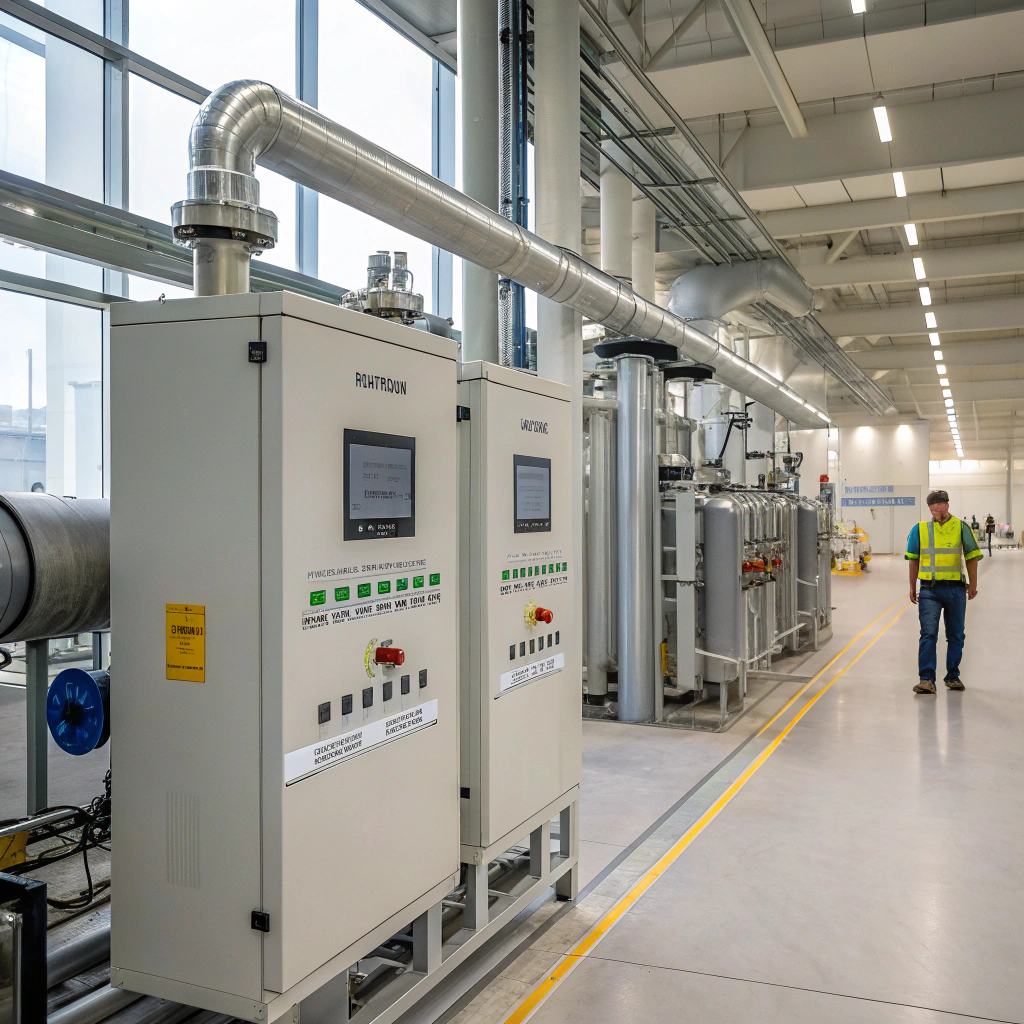
Step-by-Step Vapor Polishing Process
-
Clean the Part
- Remove dust, oil, and residue
- Light sanding may help for deep scratches
-
Prepare the Chamber
- Use a sealed vapor chamber with temperature and flow control
- Add the appropriate solvent (e.g., methylene chloride for PC)
-
Expose to Vapor
- The part is placed inside
- Solvent vapor softens the outer layer for a few seconds to minutes
-
Cool and Cure
- Remove the part and allow it to cool in clean air
- The surface hardens with a glossy, smooth finish
-
Inspect
- Check clarity, surface finish, and dimensional accuracy
Materials Compatible with Vapor Polishing
| Plastic | Compatibility | Notes |
|---|---|---|
| Polycarbonate (PC) | Excellent | Ideal for transparent parts |
| Acrylic (PMMA) | Excellent | Improves gloss and clarity |
| ABS | Good | Often used in enclosures |
| PLA (3D prints) | Limited | Requires precise control |
| Nylon | Poor | Not recommended |
This process works best on thermoplastics that soften, not melt. The key is using the right solvent, time, and chamber conditions. Too much exposure causes warping; too little leaves rough spots.
What Are the Future Developments in Vapor Polishing Technology?
As demand grows for clean finishes, complex geometries, and sustainability, vapor polishing is getting a modern upgrade.
New developments in vapor polishing include automation, solvent recycling, 3D-printing compatibility, and integration with Industry 4.0.
Key Trends to Watch
1. 3D Printing Integration
More manufacturers now use vapor polishing to smooth 3D-printed parts. It’s especially helpful for FDM plastics like ABS, where layer lines need removal.
2. Automation & Robotics
New polishing chambers use robotic arms and preset programs to treat multiple parts at once. This reduces manual labor and increases consistency.
3. Safer Solvents
Chemical companies are developing less toxic solvents that still deliver good finishes. These are easier to handle and safer for workers.
4. Sustainability
Future chambers will recycle solvent vapor and reduce emissions. Some are already equipped with filtration and condensation systems.
5. Digital Control
Smart systems now track temperature, vapor levels, and exposure time in real-time. This means better process control and fewer rejects.
Example: Traditional vs. Smart Vapor Polishing
| Feature | Traditional | Smart Systems |
|---|---|---|
| Vapor Control | Manual | Automated |
| Exposure Time | Estimated | Real-time monitored |
| Solvent Use | Single-use | Recyclable |
| Worker Safety | Medium | High (sealed, filtered) |
| Scalability | Limited | High (batch processing) |
As vapor polishing becomes more advanced, I expect it to be more accessible to small and mid-size manufacturers—not just big facilities. With better safety, automation, and material compatibility, it will be a key tool in the finishing toolbox.
Conclusion
Vapor polishing transforms plastic surfaces into smooth, clear finishes—without sanding or scratching. It’s perfect for transparent, complex, or delicate parts. As technology evolves, it’s becoming safer, faster, and more precise—an essential process for modern manufacturing.