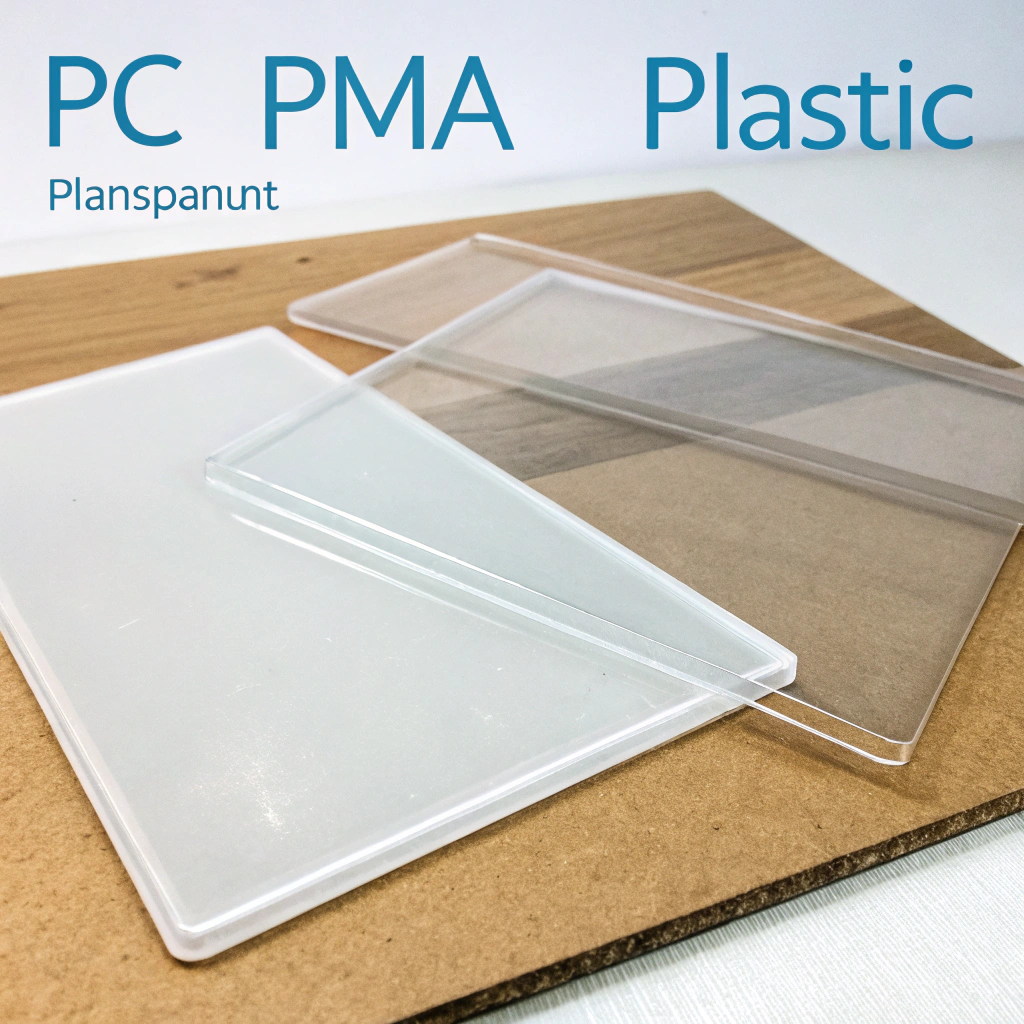
When choosing materials for transparent applications, the choice often comes down to PC and PMMA. But how do you decide which is better?
PC (Polycarbonate) is known for its toughness and impact resistance, while PMMA (Acrylic) offers excellent clarity and scratch resistance. Your choice depends on whether you prioritize strength or optical perfection.
Both materials are popular in lighting, automotive, electronics, and construction. Knowing the key differences can save money and boost product performance.
What is the difference between PC and PMMA?
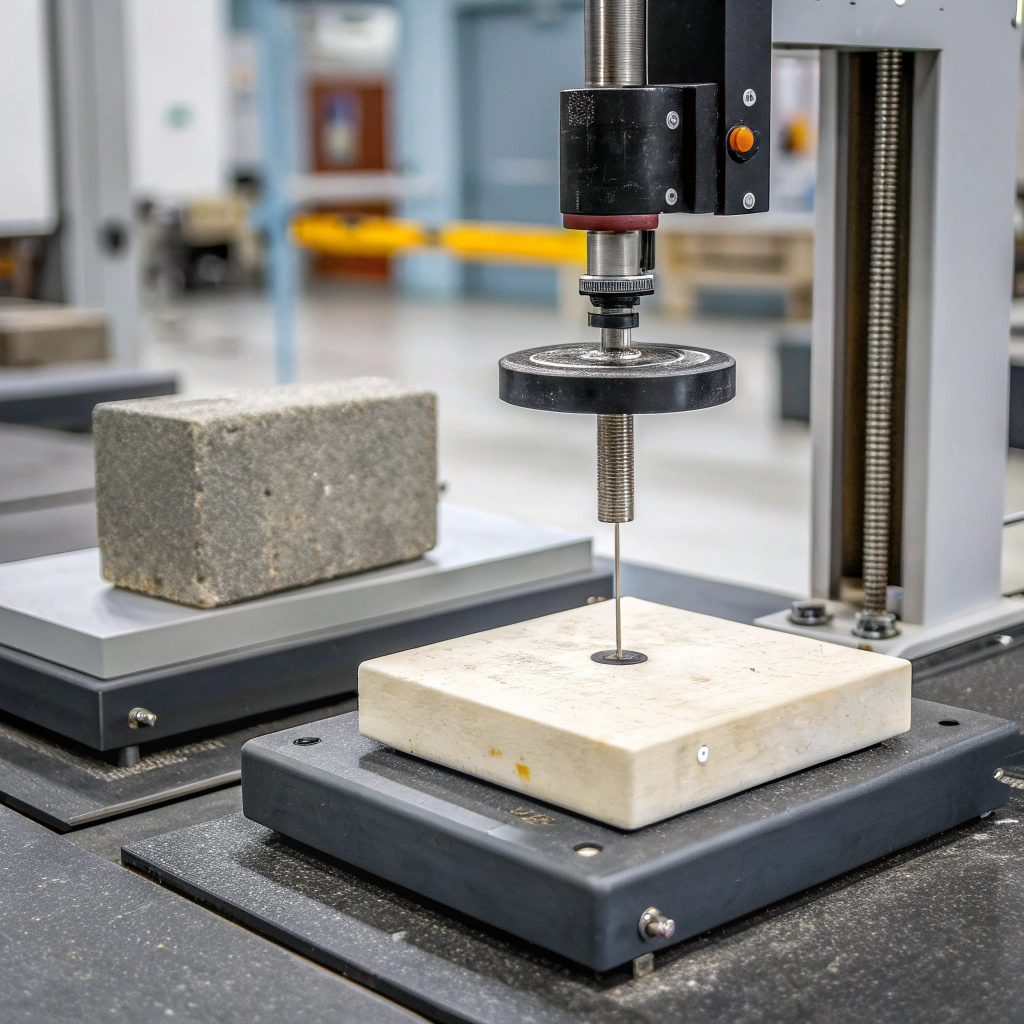
PC and PMMA might look similar, but their physical and chemical properties are quite different. It’s easy to get confused because both are used in clear plastic applications. But once we understand what sets them apart, we can make better material choices.
PC is a thermoplastic known for high impact resistance and heat tolerance, while PMMA offers superior optical clarity and UV stability.

Chemical Structure and Processing
PC, or Polycarbonate, is an amorphous thermoplastic with carbonate groups in its structure. This gives it high impact resistance and thermal stability. PMMA, or Polymethyl Methacrylate, is a transparent thermoplastic often used as a lightweight or shatter-resistant alternative to glass. It is also known as acrylic or plexiglass.
Mechanical Properties
Here is a comparison of their key mechanical features:
| Property | PC (Polycarbonate) | PMMA (Acrylic) |
|---|---|---|
| Impact Resistance | Very High | Moderate |
| Scratch Resistance | Moderate | High |
| Tensile Strength | High | Moderate |
| Flexibility | High | Low |
| Weight | Lightweight | Lightweight |
| Transparency | Clear (88-90%) | Very Clear (92-93%) |
As we can see, PC is tougher but softer, making it more suitable for applications where impact is a concern. PMMA is harder but more brittle. It is great for displays or parts that need high optical clarity but won’t face rough handling.
Heat and UV Resistance
PC can handle temperatures up to 130°C, while PMMA begins to soften around 100°C. However, PMMA has better UV resistance out of the box, meaning it yellows slower when exposed to sunlight. PC needs UV stabilizers if used outdoors.
What are the benefits of PC and PMMA materials?
PC is ideal when you need strength and impact resistance, while PMMA works best where you need crystal-clear optics and scratch resistance.

Both PC and PMMA have advantages depending on the application. These benefits often define where each material is used in manufacturing and product design.
Benefits of Polycarbonate (PC)
- Impact Resistant: Used in bulletproof glass, safety goggles, and helmet visors.
- High Temperature Tolerance: Performs well under heat, useful in electrical housings.
- Toughness: Maintains shape under stress, even in cold conditions.
- Lightweight: Easier to handle and reduces shipping costs.
- Dimensional Stability: Doesn't warp easily.
- Can Be Molded Easily: Suitable for complex shapes.
Benefits of PMMA (Acrylic)
- Excellent Optical Clarity: More transparent than glass in many cases.
- Scratch Resistance: Retains a clean look for display items.
- UV Resistance: Great for outdoor signage and skylights.
- Color Customization: Easily tinted or dyed.
- Easy to Machine and Polish: Used for decorative parts.
- Lighter and Safer Than Glass: Used in aquariums, vehicle taillights.
Here’s a summary table of benefits:
| Feature | PC | PMMA |
|---|---|---|
| Strength | ★★★★★ | ★★★☆☆ |
| Clarity | ★★★★☆ | ★★★★★ |
| UV Resistance | ★★★☆☆ (needs additives) | ★★★★★ |
| Heat Resistance | ★★★★★ | ★★☆☆☆ |
| Cost | $$$ | $$ |
| Scratch Resistance | ★★★☆☆ | ★★★★★ |
How to choose between PC and PMMA plastics?
Choose PC for strength and safety; choose PMMA for clarity and aesthetics. Your choice depends on the product’s final use.
Choosing between PC and PMMA isn't always obvious. I’ve been in projects where we needed strength, only to realize clarity was more important. Other times, we went for aesthetics and ended up with cracked materials. You must start with the end-use.
Key Considerations
- Application: Is it decorative, structural, or protective?
- Environment: Indoor or outdoor? Will it face UV or heat?
- Handling: Will the part be under stress, dropped, or hit?
- Optical Needs: Does it need to be ultra-clear?
- Budget: PMMA is usually cheaper.
Use Case Examples
- PC is best for:
- Safety shields
- Machine guards
- Electrical insulators
- Car headlamp covers
- PMMA is ideal for:
- Display cases
- Light diffusers
- Signage
- Skylights
By comparing needs and features, you can avoid overengineering (choosing PC when PMMA would work) or underengineering (choosing PMMA where PC is needed).
What are the latest trends in PC and PMMA applications?
PC and PMMA are increasingly used in green construction, electric vehicles, and smart devices due to their balance of clarity, strength, and light weight.
In recent years, I've seen more innovation using both materials. As sustainability becomes more important, designers look for recyclable, lightweight materials. PC and PMMA are both recyclable thermoplastics, though PC needs special recycling methods.
Emerging Trends
1. Sustainable Building Materials
PMMA is now used in solar panels, greenhouse panels, and skylights because of its clarity and UV resistance. PC is being used for safety glazing in green buildings due to its strength and insulating properties.
2. Electric Vehicles (EVs)
PC is used in EVs for lightweight panels, light covers, and interior parts. It helps reduce vehicle weight, which boosts energy efficiency. PMMA is used for stylish light designs, display covers, and control interfaces.
3. Consumer Electronics
Both PC and PMMA are used in screens, keyboard casings, and device lenses. PC is popular for rugged cases and internal parts. PMMA provides a premium glass-like feel without the fragility.
4. LED Lighting
PMMA dominates LED diffuser covers because of its clarity and light transmission. PC is used when more impact resistance is needed.
5. 3D Printing and Prototyping
PC is gaining popularity in 3D printing for functional prototypes. PMMA is being used in laser-cut models and design mock-ups for its visual appeal.
Summary of New Applications
| Industry | PC Usage | PMMA Usage |
|---|---|---|
| Architecture | Security glazing, panels | Skylights, signs, facades |
| Automotive | Headlamps, dashboards | Light covers, displays |
| Electronics | Protective casings | Touch screens, decorative covers |
| Lighting | Heat-resistant lenses | Diffuser panels, light guides |
| Renewable Energy | Solar housing panels | Transparent UV-resistant covers |
Conclusion
PC and PMMA serve different purposes. PC wins in strength; PMMA wins in clarity. Choose based on what matters more: impact or optics. With new applications growing, both are here to stay.