
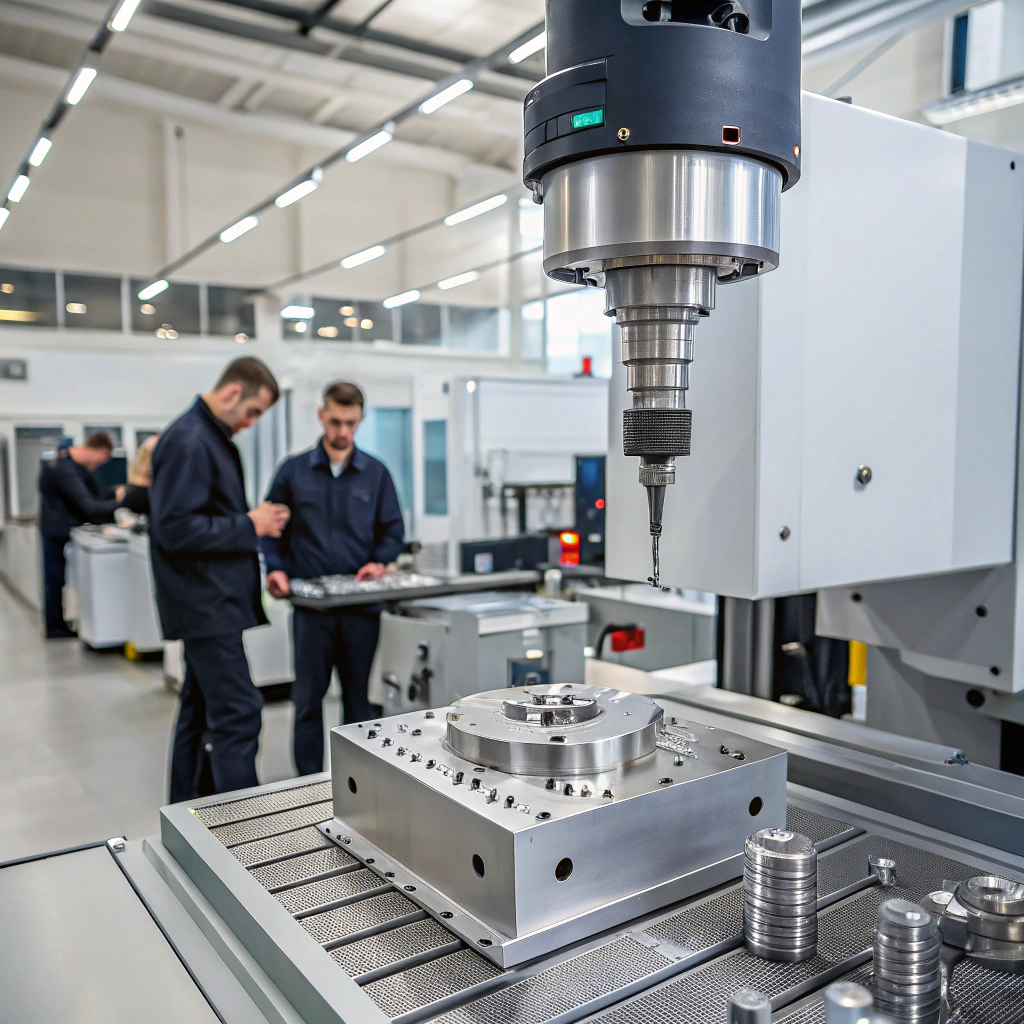
In today’s world, where every micron matters, standard machining techniques no longer meet the requirements of cutting-edge industries. That’s when ultra precision machining becomes essential.
Ultra precision machining is a manufacturing process that achieves extremely tight tolerances and ultra-smooth surface finishes, often below 0.1 microns in accuracy.
This article explains what ultra precision machining is, why it matters, how manufacturers achieve such accuracy, and the new technologies pushing its limits even further.
What is ultra precision machining?
Conventional machining can only go so far. When you need parts for satellites, medical implants, or semiconductor tools, the smallest error can mean total failure.
Ultra precision machining refers to high-accuracy processes capable of producing components with tolerances in the sub-micron range and surface finishes measured in nanometers.

This type of machining is used when even the smallest deformation or surface flaw is unacceptable. It relies on high-precision machine tools, often operated in temperature-controlled environments.
Typical Characteristics
| Feature | Standard Machining | Ultra Precision Machining |
|---|---|---|
| Tolerance | ±10–50 microns | ±0.1–1 microns |
| Surface Finish (Ra) | 0.8–3.2 μm | < 0.05 μm (50 nm) |
| Tools Used | Carbide tools | Diamond tools, air spindles |
| Materials | Metals, plastics | Optical glass, ceramics, metals |
| Industries | General manufacturing | Optics, aerospace, semiconductors |
Key Processes in Ultra Precision Machining
Some of the most common methods include:
- Diamond turning
- Micro milling
- Ultra precision grinding
- Single point cutting
- Laser-assisted machining
Each process is designed to remove material at an extremely fine scale with minimal force, which helps prevent thermal distortion or vibration.
What are the benefits of ultra precision machining?
When tolerances shrink and expectations rise, even minor inconsistencies can have a big impact. Many industries demand perfect surfaces and accurate dimensions.
Ultra precision machining delivers unmatched dimensional accuracy, surface quality, and repeatability, enabling the production of parts that meet extreme performance requirements.
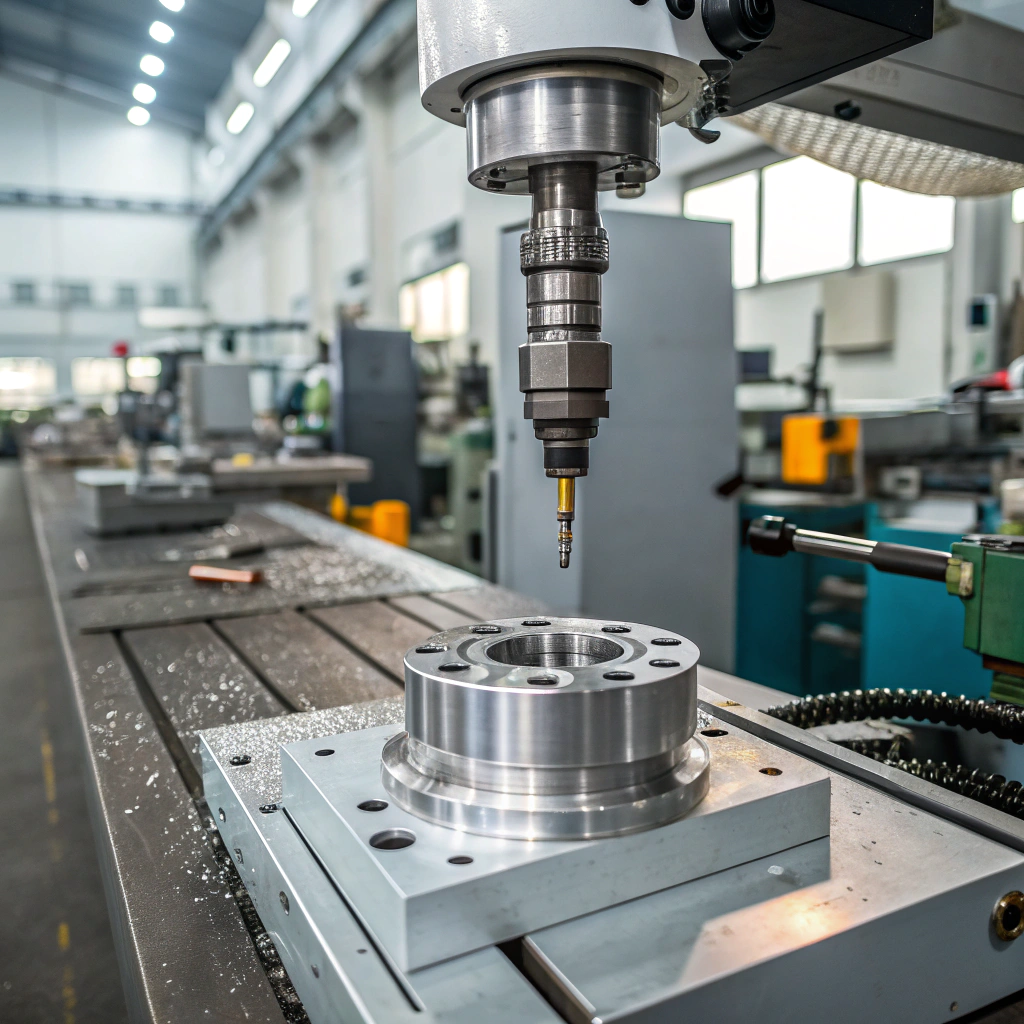
Here’s why companies are investing in it.
1. Exceptional Accuracy
These systems achieve tolerances of less than 1 micron. For context, a human hair is about 70 microns thick. This level of precision is essential in industries like aerospace, where a tiny deviation can mean mission failure.
2. Perfect Surface Finish
Ultra precision machining creates mirror-like surfaces, often without any need for polishing. This is important for optical systems and medical components that must be smooth and free of defects.
3. Reliable Repeatability
This process enables manufacturers to make thousands of identical parts, each within nano-level variations. That’s critical for mass-producing high-performance components.
4. Less Need for Secondary Processing
Because the final surface quality is already excellent, post-processing like grinding or polishing is often unnecessary. This shortens production cycles and reduces costs.
5. Ability to Machine Hard or Brittle Materials
Ultra precision tools can shape ceramics, glasses, and exotic alloys that would normally crack or warp under regular machining.
| Benefit | Description |
|---|---|
| Sub-micron Accuracy | Tolerances tighter than ±1 micron |
| Mirror Surface Finish | Ideal for optics and medical parts |
| Batch Repeatability | High consistency in large volumes |
| Process Efficiency | Reduces polishing or grinding steps |
| Material Compatibility | Works with tough or brittle substrates |
How to achieve ultra precision machining accuracy?
Achieving sub-micron accuracy is not just about better machines. It’s about controlling every aspect of the process — environment, tooling, materials, and software.
Ultra precision machining accuracy is achieved by controlling temperature, vibration, tool wear, and machine calibration, along with using specialized cutting tools and advanced software.
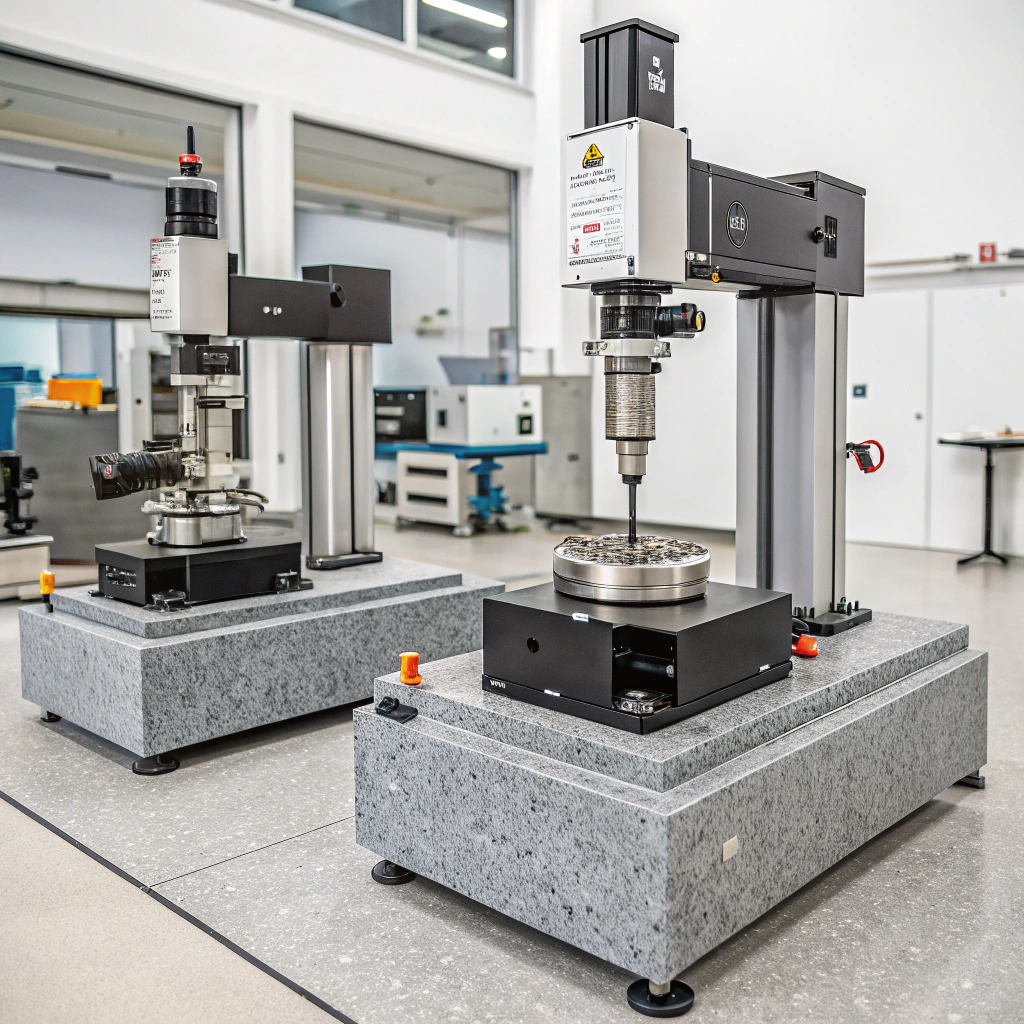
Let me walk you through what needs to be done.
Temperature Control Is Non-Negotiable
Even a 1°C change can cause machines to expand or contract, altering tolerances. Ultra precision machines often operate in rooms kept at ±0.1°C. Some machines even include internal thermal regulation systems.
Use of Diamond Tools
Diamond is the hardest known material and maintains a sharp edge at micro-scales. It’s used for cutting metals, plastics, and ceramics with minimum tool wear. These tools can produce surface finishes below 10 nm.
Air Bearings and Hydrostatic Guides
Conventional ball bearings have too much friction and backlash. Ultra precision systems use air or fluid-based guides that eliminate mechanical contact, leading to smoother movements.
Anti-Vibration Foundations
Even minor vibrations from foot traffic or nearby machinery can affect precision. These machines are mounted on specially designed granite bases with active vibration dampening systems.
Closed-Loop Feedback Systems
Modern ultra precision machines include sensors that detect real-time tool position, heat changes, and part deviation. These systems automatically adjust cutting conditions to maintain accuracy.
Use of Precision Metrology
Parts are inspected using:
- Interferometers
- White light profilometers
- Coordinate measuring machines (CMM)
- Atomic force microscopes (AFM)
These tools confirm accuracy down to the nanometer level.
Summary Table: Key Accuracy Factors
| Factor | How It Helps |
|---|---|
| Temperature Stability | Prevents thermal distortion |
| Vibration Isolation | Maintains tool stability |
| Diamond Tools | Enables sharp, long-lasting cutting edges |
| Air Bearings | Provides frictionless motion |
| Real-Time Feedback | Auto-corrects deviations |
| Precision Inspection | Validates performance to nano-levels |
What are the innovations in ultra precision manufacturing?
Ultra precision machining is already impressive. But innovation continues to push its limits even further.
Recent innovations include hybrid machining systems, advanced material coatings, AI-driven toolpath planning, and smart environmental controls.
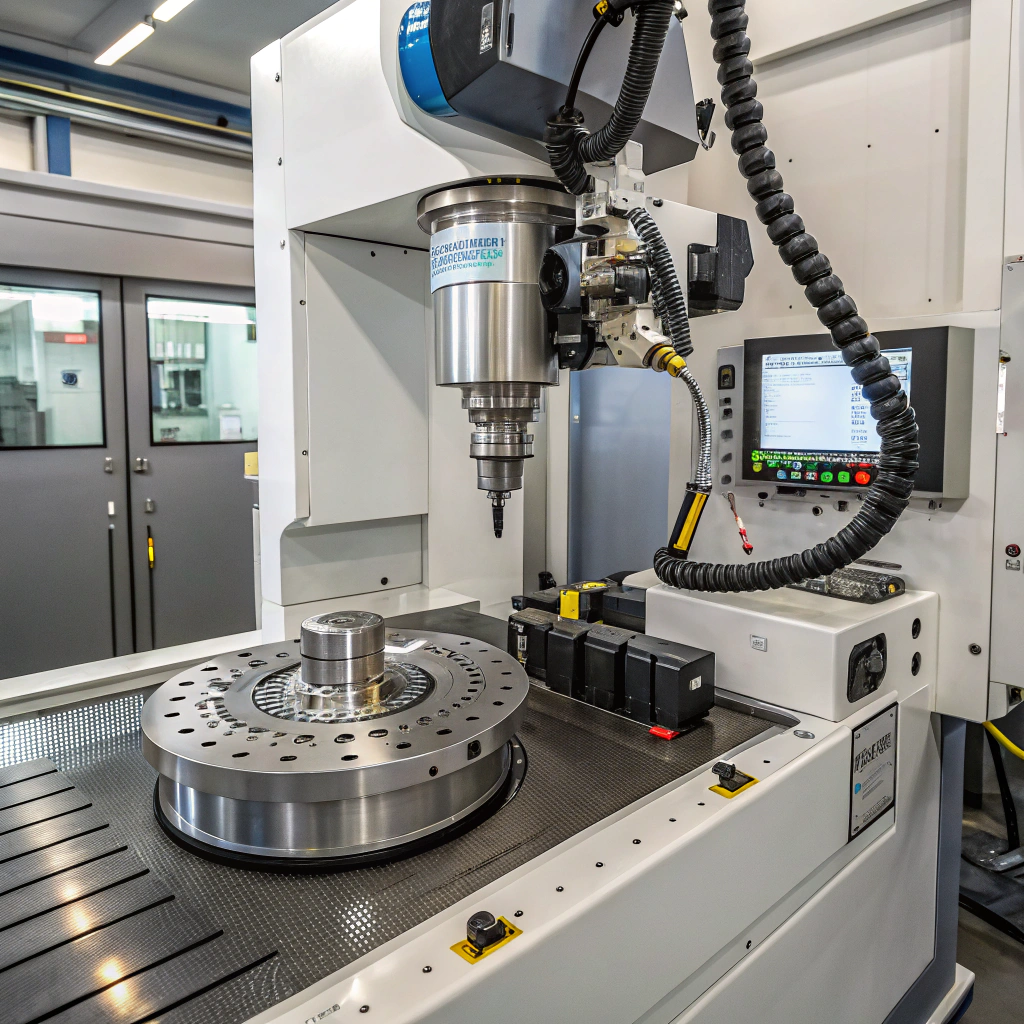
Here are four major areas where I see big changes happening.
1. Hybrid Machining Systems
Some systems now combine ultra precision turning, grinding, and laser cutting in one platform. This improves flexibility and reduces the need to move parts between machines, which often causes alignment errors.
For example, hybrid diamond-turning centers can switch from micro milling to polishing in seconds using robotic tool changers.
2. Smart Tool Condition Monitoring
New sensors track tool wear and alert operators in real time. They can measure edge degradation, thermal load, and material buildup. This ensures every cut is perfect and reduces scrap.
In high-volume production, this also lowers the cost of tool replacement by catching wear early.
3. AI and Machine Learning in CAM
CAM software is getting smarter. It now predicts the best cutting paths based on historical data, material properties, and tool behavior. This reduces trial-and-error and speeds up programming time.
For example, AI can optimize the path of a diamond tool to avoid sharp corners that might cause micro cracks.
4. Environmental Adaptation
Next-gen ultra precision machines now use smart enclosures. These systems automatically adjust humidity, air pressure, and light exposure to protect sensitive materials like optical glass or semiconductors.
Innovation Table
| Innovation | Benefit |
|---|---|
| Hybrid Machines | Reduces part transfer and setup errors |
| Smart Tool Sensors | Improves tool life and product consistency |
| AI in Toolpath Planning | Speeds up programming and reduces defects |
| Smart Machine Enclosures | Maintains ideal conditions for sensitive parts |
Conclusion
Ultra precision machining delivers the accuracy and surface quality needed for today’s most demanding applications. Whether you're in optics, aerospace, or high-tech manufacturing, this technology ensures your parts meet exacting standards. With smart machines and tight process control, it’s possible to reach sub-micron tolerances reliably and at scale.





