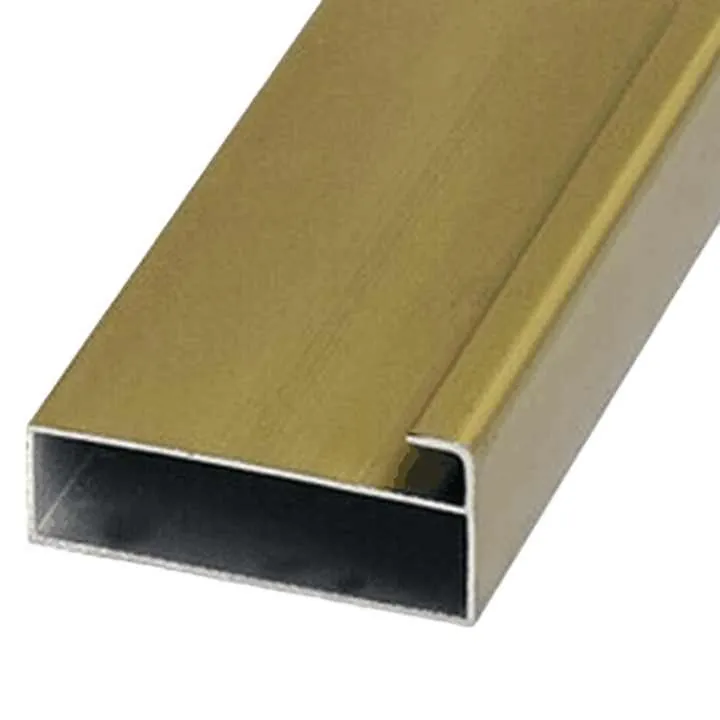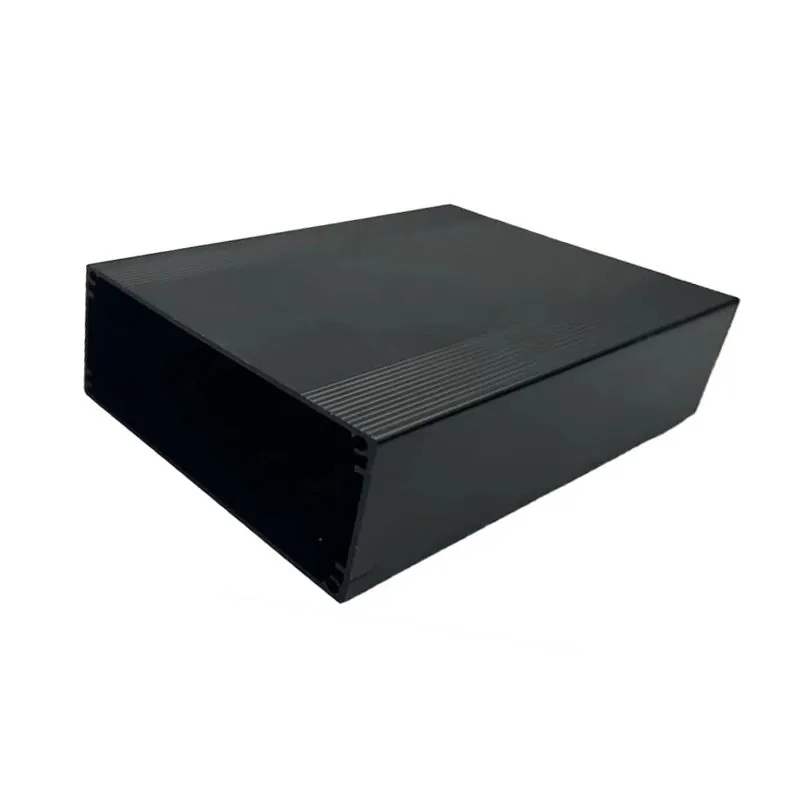
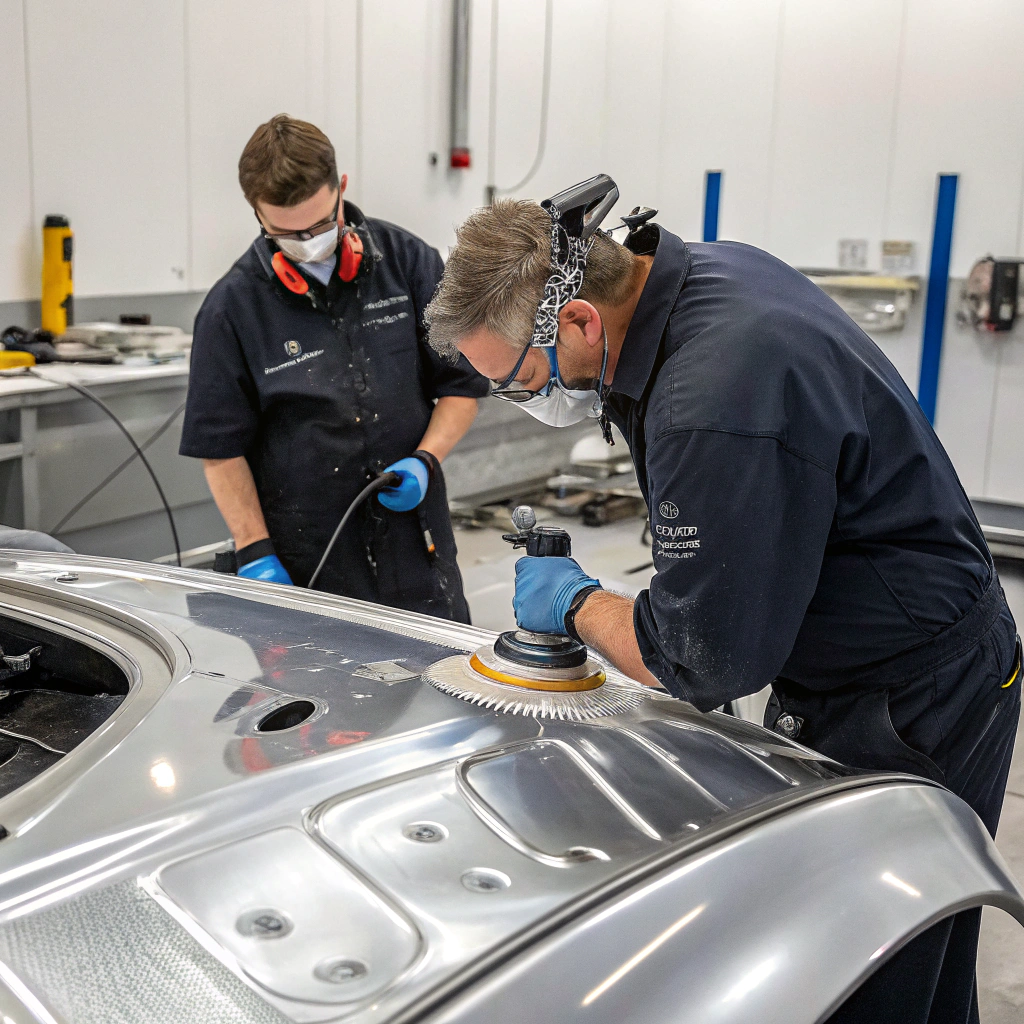
Surface finishing services involve various processes used to improve the appearance, durability, and performance of a material's surface. These services are crucial for enhancing the longevity and functionality of products across many industries.
Surface finishing is a broad term that includes methods such as polishing, coating, anodizing, and plating, all designed to improve the aesthetic and functional qualities of materials, especially metals.
Have you ever wondered how metal parts achieve their shiny, smooth, or durable finish? Whether it's your car parts, machinery, or electronic devices, the quality of a surface finish plays a significant role in performance and longevity. Let’s dive into what surface finishing services are and why they are essential for your products.
What Are the Benefits of Professional Surface Finishing?
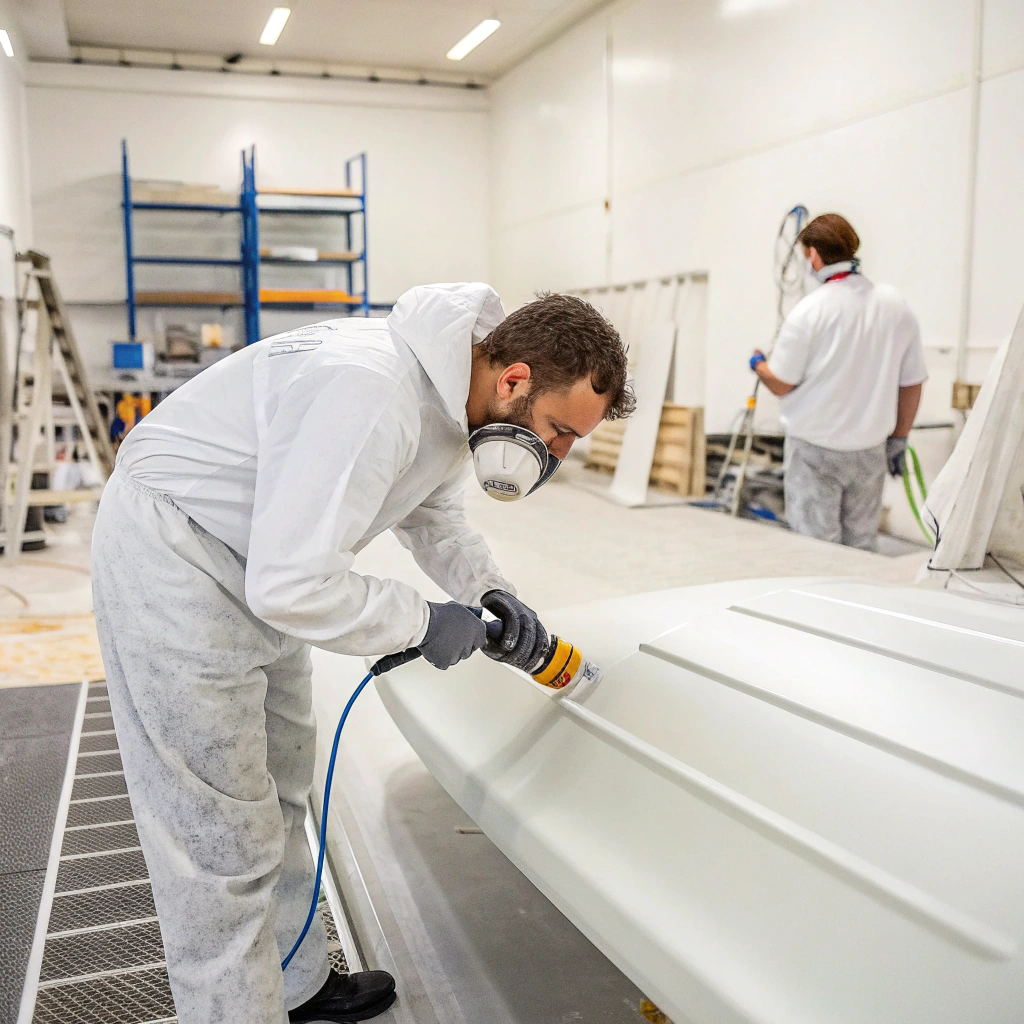
Professional surface finishing improves the aesthetics, functionality, and longevity of materials by enhancing characteristics like corrosion resistance, wear resistance, and surface smoothness.
When products are manufactured, their surfaces are often subjected to various processes to meet specific requirements. Surface finishing services offer multiple advantages for a wide range of materials and industries. Professional finishing not only improves the look of a product but also its performance and durability.
How Does Professional Surface Finishing Benefit Products?
The primary goal of surface finishing is to improve the overall quality of the surface of a product. Whether you're dealing with metal parts, plastic, or ceramics, the benefits of professional surface finishing are numerous. Here are some of the most important benefits:
-
Improved Aesthetics
Surface finishing is often used to enhance the appearance of a product. Whether it's polishing, anodizing, or coating, the finish gives products a smooth, shiny, or matte look that is more attractive to customers. For example, chrome-plated automotive parts not only look better but are more resistant to corrosion. -
Enhanced Durability
A well-finished surface can greatly improve the durability of a product. Methods like anodizing and coating protect materials from wear, corrosion, and other environmental factors that can degrade the material over time. -
Increased Corrosion Resistance
Surface finishing treatments like coating and anodizing add an extra protective layer to materials, making them resistant to rust and corrosion. This is especially important in industries like automotive, aerospace, and construction, where components are exposed to harsh environments. -
Improved Wear Resistance
Surface finishing processes like hard coating and polishing can make materials more resistant to wear and tear. This is critical for parts that experience a lot of friction, such as gears, bearings, and other mechanical components. -
Better Performance
In some applications, a smooth or polished surface is necessary to reduce friction, improve efficiency, or enhance the functioning of the part. For instance, smoother metal surfaces in hydraulic systems lead to more efficient fluid flow, reducing wear and tear on components.
How to Select a Surface Finishing Provider?
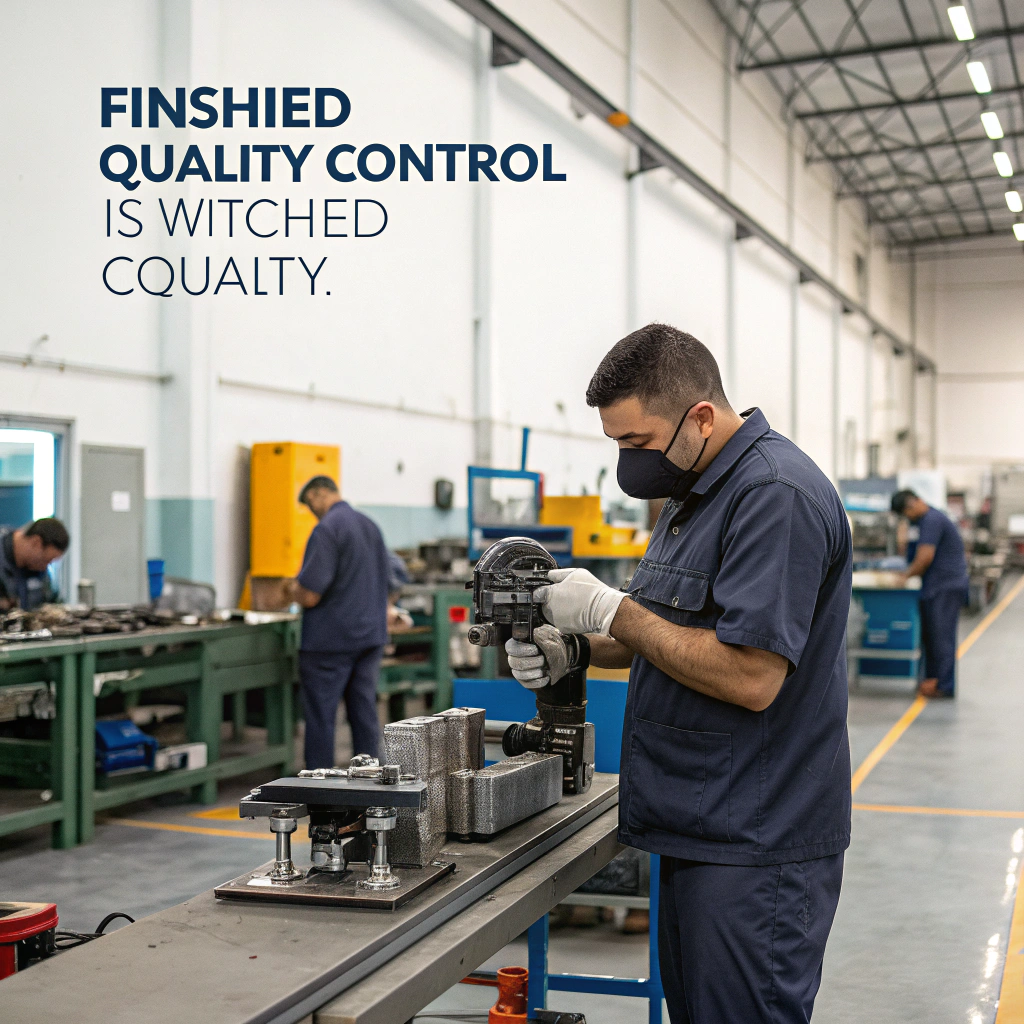
Choosing the right surface finishing provider is crucial to ensure the quality, consistency, and performance of your finished products. Here are some key factors to consider when selecting a provider.
Selecting a surface finishing provider can make a significant difference in the final outcome of your project. Whether you need a simple coating or a more complex treatment, choosing the right company ensures that the job is done to your specifications, within budget, and on time.
What to Look for in a Surface Finishing Provider?
Here are the key factors to consider when choosing a surface finishing service provider:
-
Experience and Expertise
Look for a provider with extensive experience in the surface finishing industry. A knowledgeable provider will have a deep understanding of different materials and the best methods for finishing them. This will ensure your project is handled with the expertise it requires. -
Quality Standards
Ensure the provider adheres to high-quality standards. Check if they have certifications like ISO 9001, which guarantees that they meet specific quality management criteria. Quality standards also ensure that your parts will be finished to a consistent, high standard. -
Range of Services
Choose a provider that offers a wide range of surface finishing services. Whether you need anodizing, polishing, coating, or plating, a provider with a variety of services can meet your specific needs and offer flexibility for future projects. -
Technology and Equipment
A reputable provider will use advanced technology and equipment to ensure high-quality finishes. This includes automated systems for precision and consistency and up-to-date processes to deliver the best results efficiently. -
Turnaround Time
Timely delivery is critical for any project. Discuss the provider's lead times and ensure they can meet your deadlines. A reliable surface finishing provider should offer clear timelines and keep you informed throughout the process. -
Cost
Price is always a consideration, but it shouldn’t be the only factor. Look for a provider that offers competitive pricing without compromising on quality. Sometimes, opting for the lowest price can mean sacrificing the quality of the surface finish, which can lead to more costly repairs later. -
Customer Support
Excellent customer service is key to a successful partnership. A good surface finishing provider should be responsive to inquiries, offer technical support, and be willing to work with you to meet your specific requirements.
What Are the Trends in Global Surface Finishing Services?

Global surface finishing services are evolving with new technologies and trends. Sustainability, automation, and advanced coatings are at the forefront of these changes.
As industries across the globe become more competitive, the surface finishing industry is evolving to meet new demands. Advancements in technology, increased focus on sustainability, and new materials are all influencing the trends in surface finishing services.
Key Trends Shaping the Future of Surface Finishing
-
Sustainability and Eco-Friendly Finishing
As environmental concerns grow, there is an increasing demand for eco-friendly surface finishing techniques. Traditional methods such as chrome plating and other heavy metal coatings are being replaced with more sustainable alternatives. Green finishing processes that reduce or eliminate hazardous chemicals are gaining traction. -
Automation and Precision
Automation is revolutionizing the surface finishing industry. Automated systems ensure more consistent results, reduce human error, and improve efficiency. With precision controls, automated processes can handle more complex tasks, making it easier to achieve exact specifications for each component. -
Advanced Coatings and Materials
There is a growing demand for advanced coatings that offer superior protection and performance. Nano-coatings, for example, provide extreme resistance to wear, corrosion, and even bacteria. The use of innovative materials for finishing is also rising, allowing for the production of parts that are not only durable but also lightweight and resistant to high temperatures. -
Additive Manufacturing (3D Printing) Integration
With the rise of additive manufacturing (3D printing), surface finishing techniques are being adapted to complement the new technologies. 3D-printed parts often require additional surface treatment to improve their mechanical properties, finish, and appearance. This integration between 3D printing and traditional finishing methods is creating new opportunities for innovation in various industries. -
Customization and Tailored Finishes
As industries demand more customized solutions, surface finishing services are becoming increasingly specialized. Companies are looking for finishes that not only enhance the appearance of a part but also provide specific functional benefits, such as reduced friction, improved conductivity, or increased biocompatibility for medical devices. -
Electroplating Innovations
The demand for electroplating services is growing, driven by advances in electronics, automotive, and manufacturing industries. New electroplating techniques and materials are being developed to improve the thickness, uniformity, and durability of electroplated coatings, making them more versatile and long-lasting.
Conclusion
Surface finishing services are essential for improving the functionality, durability, and aesthetics of products. Whether it's for automotive parts, electronics, or machinery, surface finishing enhances product performance. As new technologies emerge, trends like sustainability, automation, and advanced coatings are shaping the future of surface finishing, offering businesses more options and opportunities for innovation.