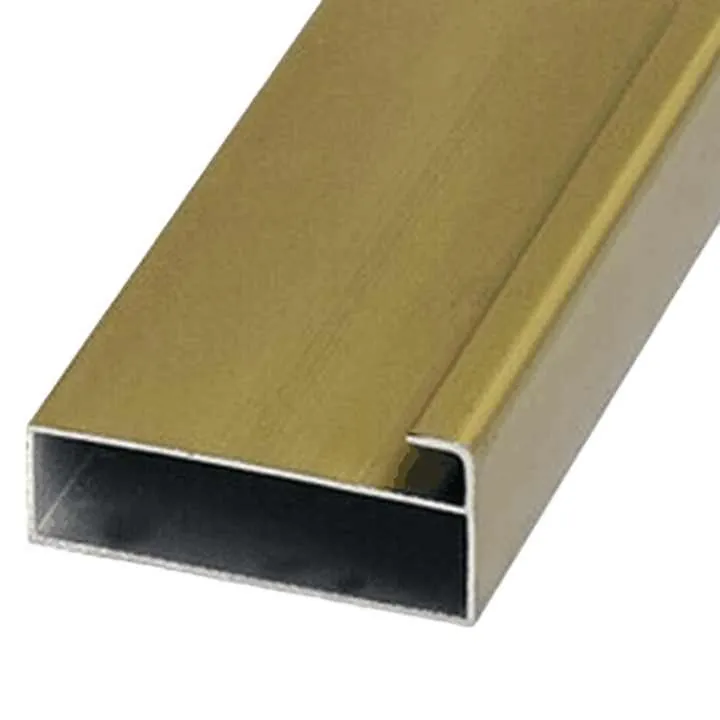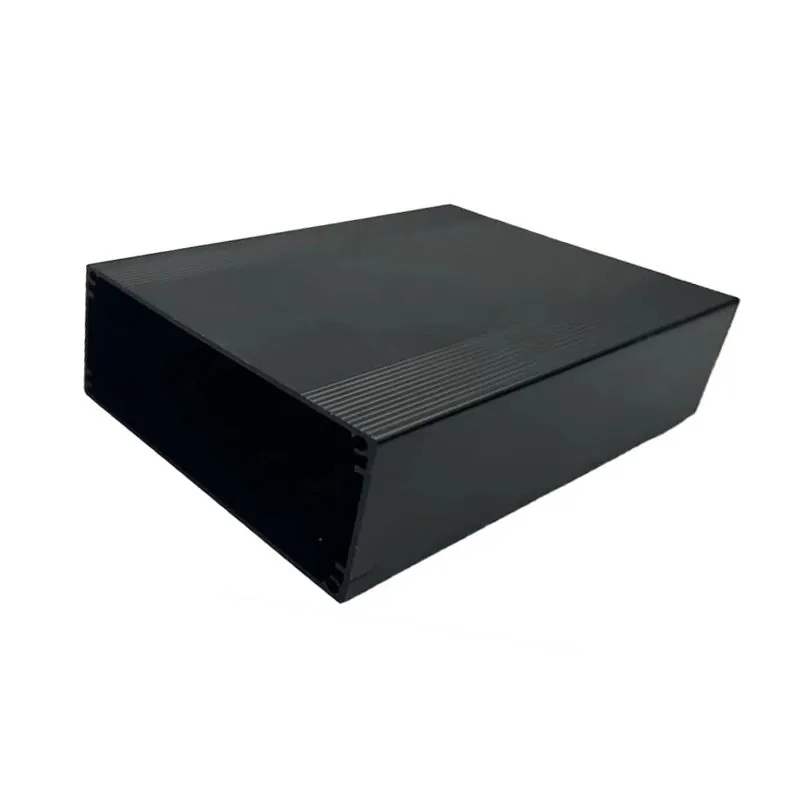

A surface finish chart is a visual guide used to describe the roughness, texture, and quality of a surface after machining. It provides standardized numerical values to define the smoothness of a part's surface, helping manufacturers specify, measure, and control surface finishes.
A surface finish chart outlines different surface textures and roughness values, which are used to communicate how smooth or rough a surface should be after machining. These charts are crucial in ensuring that parts meet functional, aesthetic, and tolerance requirements.
If you've ever wondered how manufacturers achieve smooth, shiny, or textured finishes on metal parts, a surface finish chart plays a key role. Let's explore what a surface finish chart is, why it's essential, and how you can use it to ensure your machining processes meet specific standards.
Why is a Surface Finish Chart Important?
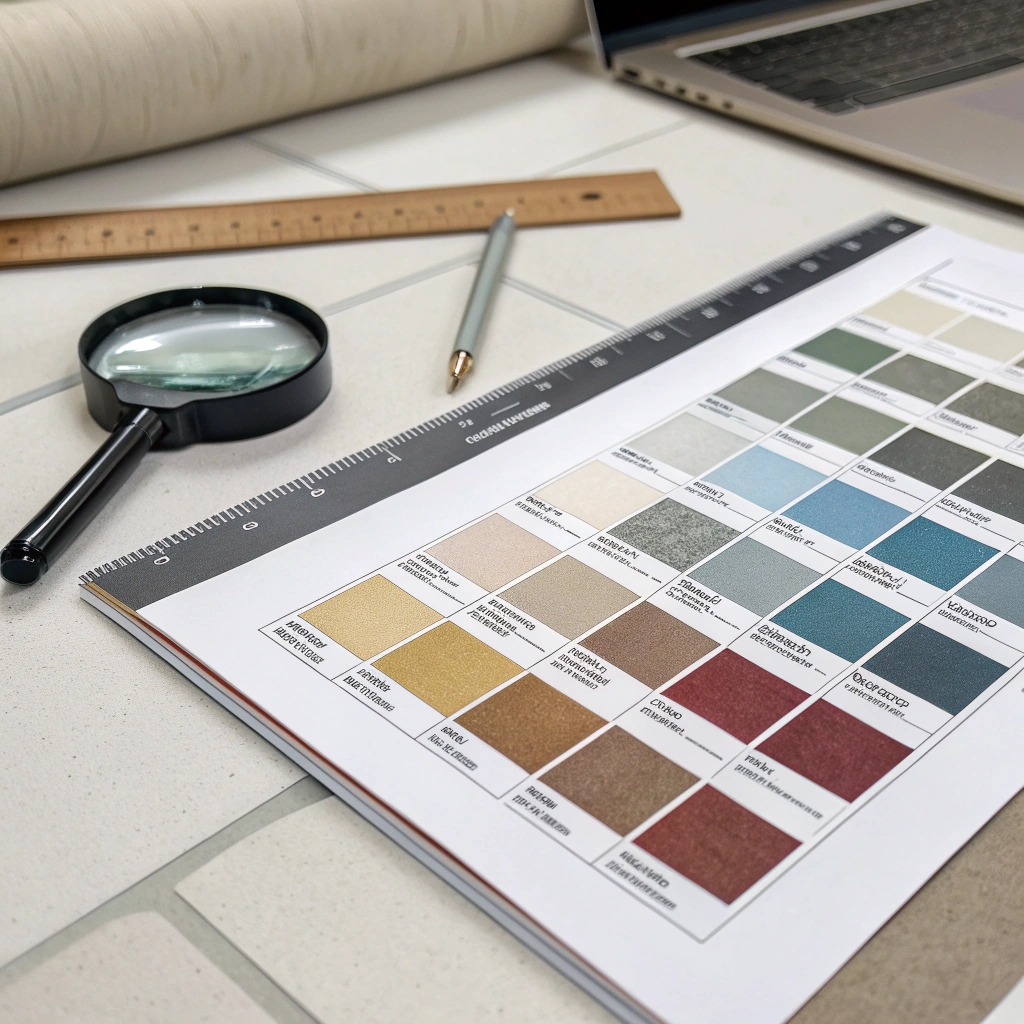
A surface finish chart is crucial in ensuring that the finished parts meet both functional and aesthetic requirements, ensuring proper fit, performance, and longevity in applications.
Surface finish plays a significant role in the performance and quality of a part, affecting its wear resistance, friction, and overall functionality. A surface finish chart helps in understanding and specifying the required finish, providing a standardized method for both manufacturers and customers to communicate expectations.
Why is Surface Finish Crucial in Manufacturing?
The quality of a surface finish affects many key attributes of a component, including:
-
Wear Resistance
A smoother surface finish can help reduce wear and friction between moving parts, extending the life of components like gears, bearings, and seals. -
Aesthetic Appearance
In products where visual appeal is important, such as in consumer goods or automotive parts, surface finish dictates the shine, texture, or overall look of the product. -
Fit and Tolerances
Parts that need to fit together tightly, like in assemblies or mechanical systems, often require specific surface finishes to ensure a good seal or smooth operation. -
Corrosion Resistance
A smooth surface often reduces the number of pits and grooves where corrosive elements can accumulate, improving the resistance of the material to oxidation and rust. -
Functionality
Certain functional surfaces, such as those in hydraulic systems, require specific textures to ensure fluid flow or create the correct coefficient of friction.
How to Use a Surface Finish Chart in Machining?
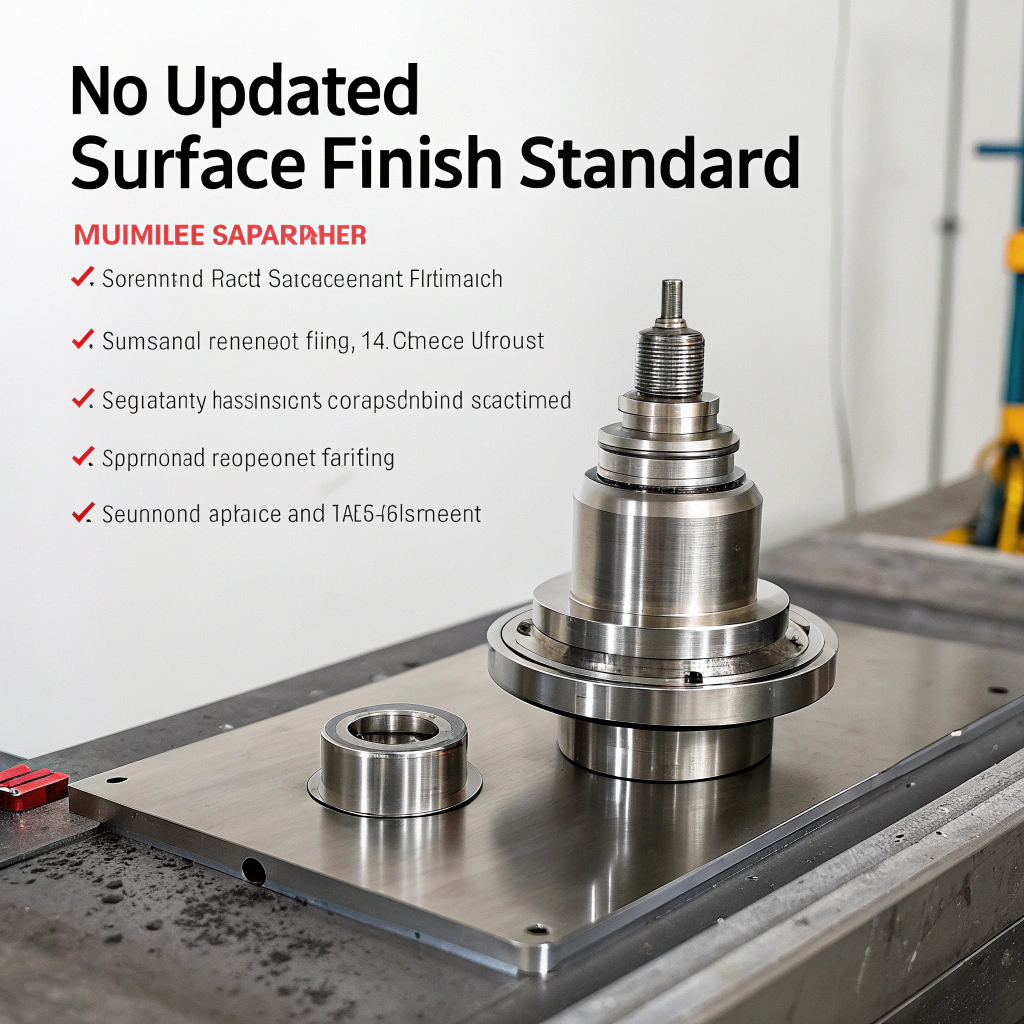
Using a surface finish chart in machining involves identifying the desired surface texture for a part and selecting the correct machining process, tool, and parameters to achieve that finish.
When machining a part, achieving the correct surface finish is crucial for both the performance and the visual appearance of the part. A surface finish chart helps manufacturers specify and measure the required surface roughness, ensuring consistency and quality in the final product.
Step-by-Step Guide to Using a Surface Finish Chart
-
Identify the Required Surface Finish
The first step in using a surface finish chart is to determine the required surface finish for the part. This is typically provided by the customer or specified in engineering drawings or design documentation. The chart will have different surface roughness values (Ra), which are the average roughness of the surface. -
Select the Correct Machining Process
The machining process used will greatly affect the final surface finish. Common processes like milling, turning, grinding, and polishing will each result in different surface textures. The chart will help you select the right process based on the required finish. -
Choose the Right Tool and Cutting Parameters
Once you’ve selected the process, you’ll need to determine the right tool and cutting parameters (speed, feed rate, depth of cut, etc.) that will help achieve the desired surface finish. For example, finer tools and slower feed rates generally produce smoother surfaces. -
Measure the Surface Finish
After machining, the part’s surface finish is often measured using specialized instruments like profilometers, which give an exact value for the roughness (Ra) of the surface. This allows the machinist to verify that the part meets the specified surface finish. -
Make Adjustments if Needed
If the surface finish doesn’t meet the desired specification, adjustments may need to be made, such as using finer tools, altering cutting parameters, or applying secondary finishing processes like polishing or buffing.
What Are the Updates in Surface Finish Standards?

Updates in surface finish standards focus on enhancing precision, improving measurement techniques, and expanding the range of applications to meet modern manufacturing demands.
Surface finish standards are constantly evolving to accommodate advancements in materials, technology, and manufacturing processes. New updates in surface finish measurement techniques and classifications are helping industries meet the growing demand for precision and high-quality components.
Key Updates in Surface Finish Standards
-
ISO and ASME Standards Update
The International Organization for Standardization (ISO) and the American Society of Mechanical Engineers (ASME) continue to refine surface finish standards, providing more detailed classifications for surface roughness and texture. For example, ISO 4287 and ASME B46.1 have undergone revisions to improve the accuracy and relevance of surface finish specifications. -
Introduction of New Measurement Techniques
Advances in measurement technologies, like 3D optical profilometers and laser scanning, allow for more precise and non-contact surface finish measurements. These newer tools help manufacturers measure surface textures more accurately, especially for parts with complex geometries or those made from advanced materials. -
Surface Finish and Functional Properties
Standards are now placing more emphasis on how surface finish affects the functionality of a part, such as friction coefficients, wear resistance, and sealing properties. As industries require more performance-oriented components, surface finish standards are evolving to include these factors more comprehensively. -
Integration with Industry 4.0
With the rise of Industry 4.0 and smart manufacturing, surface finish measurement and control are becoming more integrated with automated systems. Machine tools and CNC machines are now capable of real-time monitoring and adjusting surface finishes during production, ensuring that parts meet the required specifications without manual intervention. -
Sustainability and Eco-friendly Finishing
Environmental concerns are driving the development of more sustainable surface finishing processes. New standards are addressing the environmental impact of traditional finishing methods like electroplating and abrasive blasting. These updates encourage the use of green technologies, such as environmentally friendly coatings and finishes that reduce waste and pollution. -
Greater Focus on Nano-finishing
As microelectronics and precision engineering grow, nano-finishing techniques are gaining attention. Standards are being updated to include the finer resolutions required for nano-scale surface finishes, which are needed for advanced applications such as medical devices and semiconductor manufacturing.
Conclusion
A surface finish chart is an essential tool for defining and achieving the desired roughness and texture of machined parts. It ensures that parts meet functional and aesthetic requirements, such as wear resistance, fit, and appearance. As manufacturing standards evolve with new technologies and materials, surface finish standards are becoming more precise, sustainable, and integrated into automated production systems.