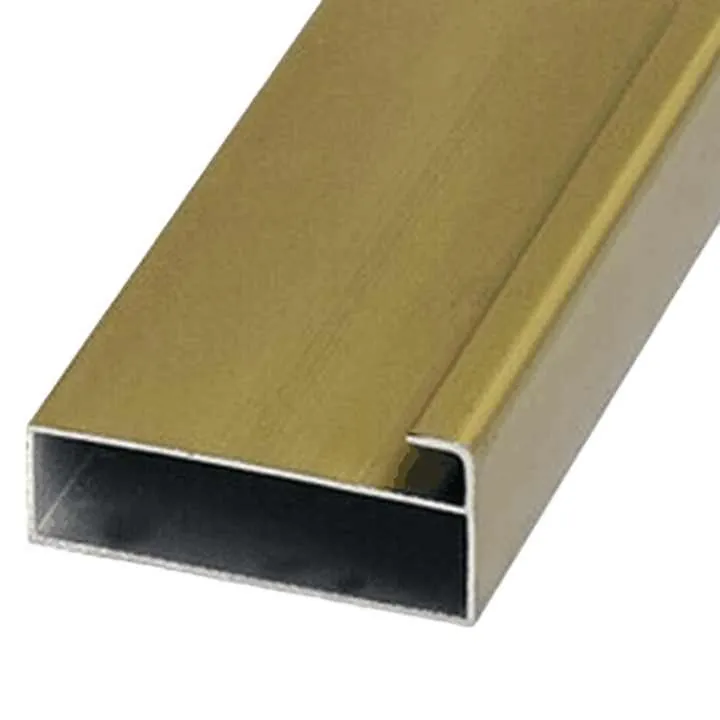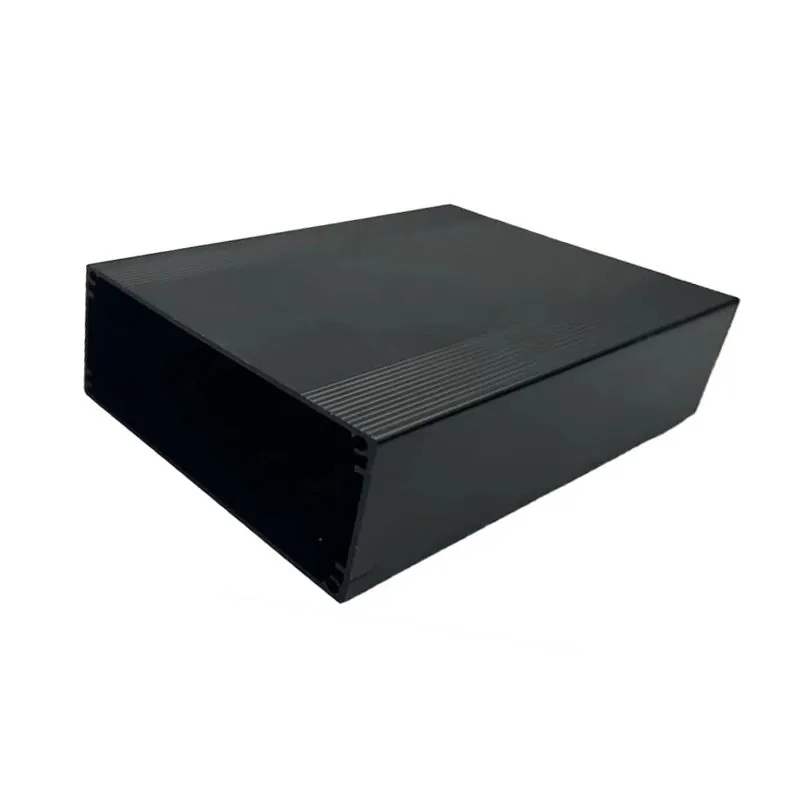

Stainless steel passivation is a chemical treatment process that removes free iron and other contaminants from the surface of stainless steel. This process enhances the material’s corrosion resistance by promoting the formation of a thin, protective oxide layer on the surface.
Passivation involves immersing stainless steel in an acidic solution (typically nitric acid or citric acid), which helps to improve the stainless steel's resistance to corrosion and prevents rust formation.
If you're working with stainless steel, you may have come across the term "passivation." But what exactly does it mean, and why is it so important in the production of stainless steel parts and components? Let’s explore the ins and outs of stainless steel passivation and why it’s an essential process for ensuring long-lasting, high-performance materials.
What Are the Benefits of Stainless Steel Passivation?
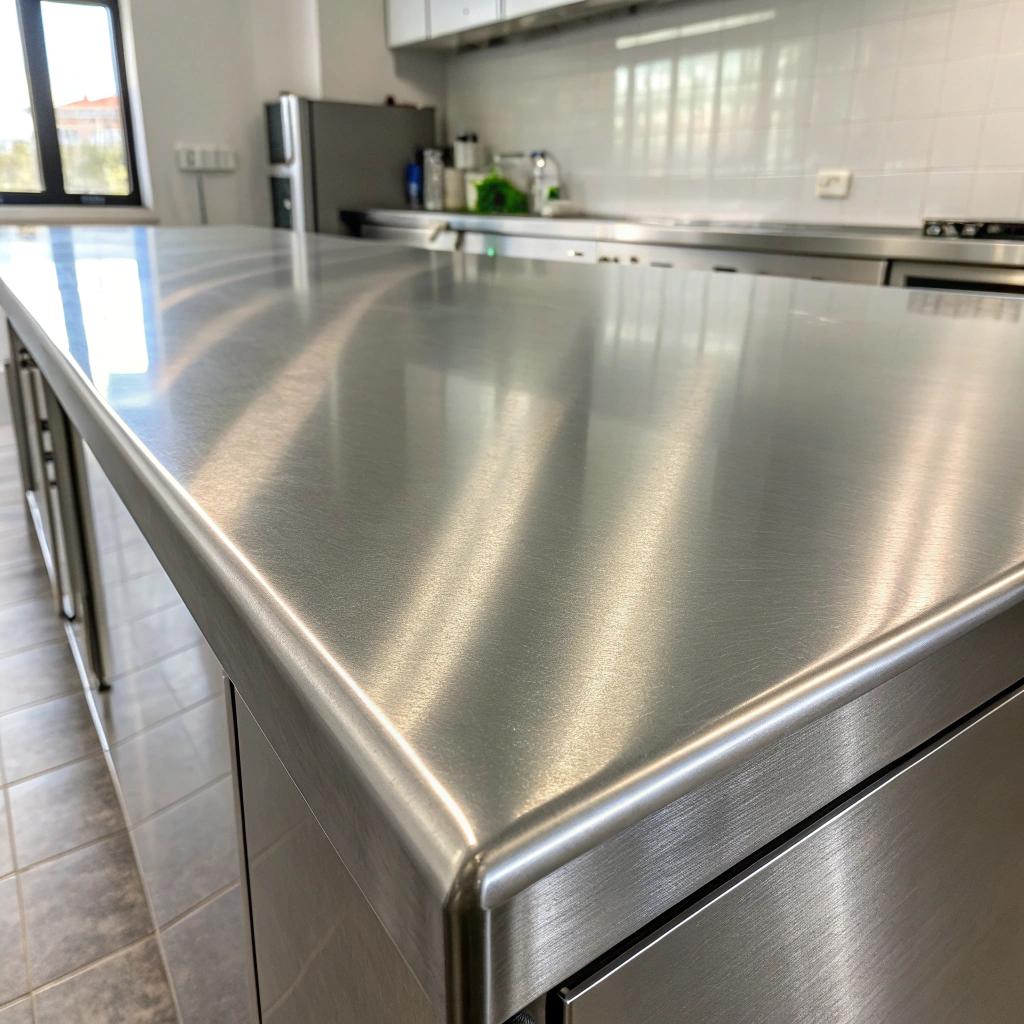
Stainless steel passivation significantly enhances the material's resistance to corrosion, oxidation, and staining, ensuring longer life and better performance, especially in harsh environments.
Passivation is one of the key treatments used to improve the durability and longevity of stainless steel in challenging environments. This process removes contaminants, such as free iron, from the surface and allows the steel to form a more uniform and stable oxide layer. Here are the top benefits of stainless steel passivation:
1. Increased Corrosion Resistance
Passivation removes surface contaminants like free iron, which can lead to rust and corrosion. By forming a protective oxide layer, passivated stainless steel can better resist corrosion, even in aggressive environments such as those exposed to chemicals, moisture, or salt.
2. Improved Durability
Stainless steel that has undergone passivation is less prone to surface degradation and damage, making it more durable and able to withstand harsh conditions. This process ensures that parts like medical devices, food processing equipment, and industrial components maintain their integrity over time.
3. Enhanced Surface Finish
Passivating stainless steel can result in a smoother, more polished surface by eliminating particles that can lead to roughness or pitting. This improved surface finish not only makes the material look better but also helps prevent dirt and contaminants from adhering to the surface.
4. Prevention of Rust Formation
Free iron and contaminants on the surface of stainless steel can cause localized rusting. Passivation helps to prevent rust formation by promoting the growth of a uniform, protective oxide layer, especially in high-moisture environments like kitchens, hospitals, or outdoor applications.
5. Reduced Maintenance Costs
By significantly improving corrosion resistance and preventing staining or rusting, passivation extends the life of stainless steel parts. This leads to reduced maintenance and replacement costs over time, making passivation a cost-effective solution for manufacturers and end-users alike.
How to Perform Passivation on Stainless Steel?

Passivating stainless steel involves cleaning the metal, treating it with an acid solution, and ensuring the protective oxide layer forms properly to enhance the material's corrosion resistance.
The process of stainless steel passivation requires careful handling and the use of specific chemicals to ensure the formation of a protective oxide layer. Here’s a step-by-step guide on how passivation is performed on stainless steel:
Step-by-Step Guide to Passivating Stainless Steel
-
Cleaning the Stainless Steel
The first step in the passivation process is to clean the stainless steel to remove any grease, oil, or dirt. This is typically done using an alkaline cleaner, which helps remove any surface contaminants that could interfere with the passivation process. It’s essential that the surface is thoroughly cleaned before moving on to the next steps. -
Acid Treatment
After cleaning, the stainless steel is immersed in an acid solution, usually nitric acid (HNO₃) or citric acid (C₆H₈O₇). The acid removes free iron particles and other impurities from the surface, which could promote corrosion or staining. The acid also helps to dissolve any scale or oxides that may have formed during manufacturing or machining. -
Rinsing
After acid treatment, the stainless steel is thoroughly rinsed with water to remove any residual acid and prevent any further reaction. This step ensures that the surface is completely free from any chemicals that could cause further damage or corrosion. -
Drying
The stainless steel parts are then dried using hot air or by being wiped with a clean, lint-free cloth. This is important because any moisture left on the surface could lead to rust formation or interfere with the formation of the protective oxide layer. -
Passivation Verification
After the process, it’s crucial to verify that the passivation was successful. This can be done by inspecting the surface for any signs of rust or oxidation. Some manufacturers may also use testing methods like the ferric chloride test to ensure the passivated surface is free from free iron and other contaminants. -
Final Inspection
The final step is to inspect the surface quality, ensuring that the passivated steel meets the required standards for corrosion resistance and surface finish. If necessary, additional post-treatment processes like polishing or buffing can be applied to improve the appearance.
What Are the Latest Trends in Passivation Technology?

Recent advancements in passivation technology focus on improving efficiency, reducing environmental impact, and developing new passivating agents that enhance the durability and resistance of stainless steel.
As industries continue to demand better performance, longer-lasting materials, and more eco-friendly processes, passivation technology has evolved to meet these needs. Below are some of the latest trends in passivation technology:
1. Eco-Friendly Passivation Solutions
With growing environmental concerns, there is a trend towards using less toxic and more environmentally friendly passivation solutions. Traditional nitric acid-based passivation can have harmful environmental effects, but newer solutions like citric acid or proprietary blends are becoming more popular because they are safer to handle and less harmful to the environment.
2. Improved Passivating Agents
Researchers are constantly developing new chemicals and formulations for passivating agents that provide superior performance. These new agents offer enhanced corrosion resistance, longer-lasting protection, and the ability to passivate stainless steel faster, reducing processing times and improving overall efficiency.
3. Automated Passivation Systems
Automation is becoming increasingly important in the passivation process. Automated systems allow for greater consistency, precision, and efficiency in passivating stainless steel parts. These systems are capable of handling large volumes of parts and can adjust parameters in real time to ensure the best possible passivation result.
4. Enhanced Surface Monitoring Technologies
As part of the ongoing push for higher quality control, new surface monitoring technologies are being developed. These technologies help manufacturers assess the effectiveness of the passivation process in real-time, allowing for adjustments to be made during treatment to ensure the optimal formation of the protective oxide layer.
5. Nanotechnology in Passivation
Some advanced passivation techniques are incorporating nanotechnology to create even more durable and protective surface coatings. Nanocoatings provide enhanced corrosion resistance and improve the overall performance of stainless steel, especially in highly corrosive environments. These treatments create a thin, almost invisible layer that offers an extra level of protection without altering the appearance of the steel.
6. Passivation for Specialized Alloys
In addition to standard stainless steels, passivation is now being applied to more specialized alloys, including superalloys and high-performance alloys. These materials require different passivating processes due to their unique properties, and research is ongoing to develop techniques tailored for these advanced materials.
Conclusion
Stainless steel passivation is a vital process that significantly enhances the corrosion resistance, durability, and longevity of stainless steel components. By removing contaminants and promoting the formation of a protective oxide layer, passivation helps ensure the material performs well in even the harshest environments. With advancements in eco-friendly passivation solutions, automated systems, and nanotechnology, the future of passivation technology continues to improve, offering better protection and efficiency for stainless steel parts across industries.