
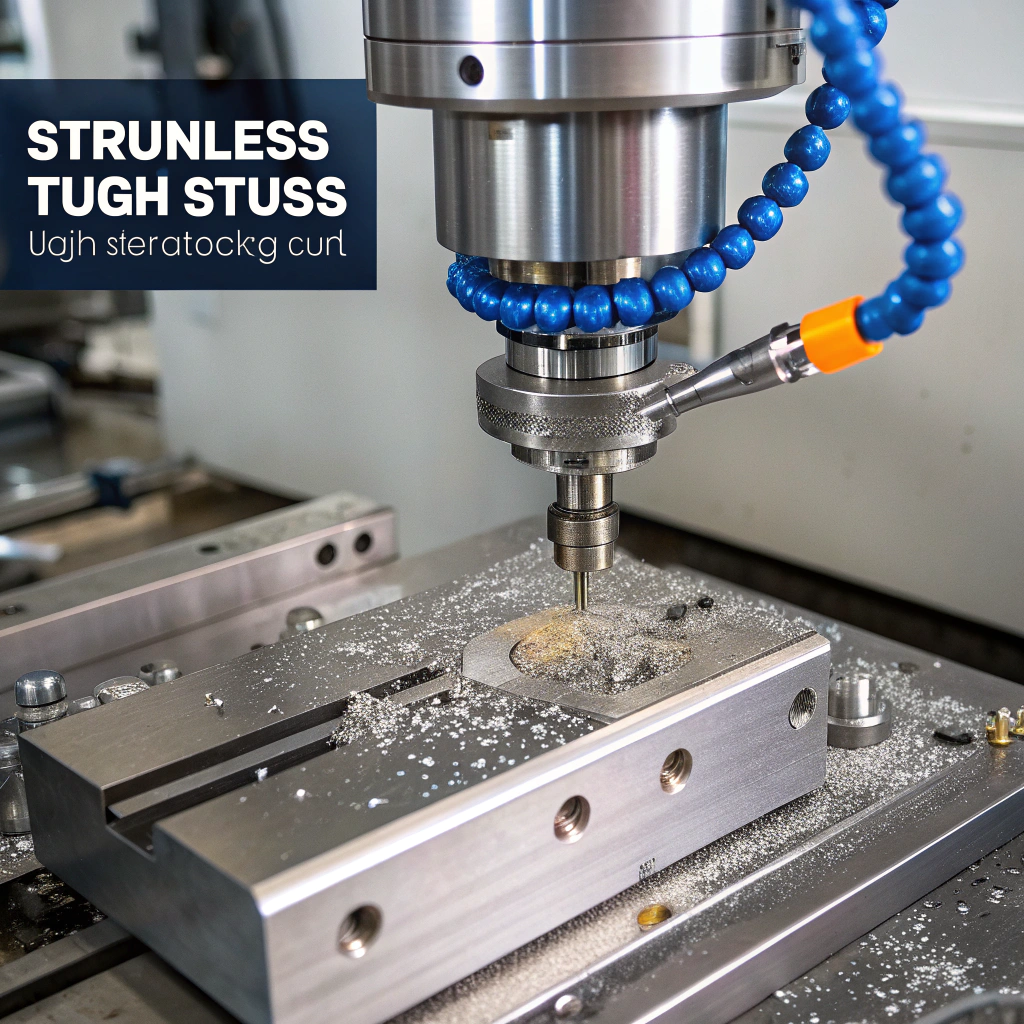
Stainless steel CNC machining is an advanced manufacturing process that uses computer-controlled machines to shape and cut stainless steel into precise components. It allows for high accuracy, repeatability, and complex part production, which is essential in industries like aerospace, automotive, and medical devices.
Stainless steel CNC machining involves the use of CNC (Computer Numerical Control) machines to cut, drill, and mill stainless steel into intricate parts. This method ensures precision, consistency, and efficiency in producing components.
To understand how stainless steel is processed using CNC technology, it’s important to look at the advantages and techniques that make this process highly effective in creating high-quality parts. Let’s explore how it works in more detail.
What Are the Advantages of Stainless Steel CNC Machining?
Why should you choose CNC machining for stainless steel parts? CNC machining provides several key advantages when working with stainless steel.
Stainless steel CNC machining offers precision, versatility, and the ability to produce complex designs with high repeatability. This makes it a reliable option for industries that require high-quality parts, like aerospace, medical, and automotive.
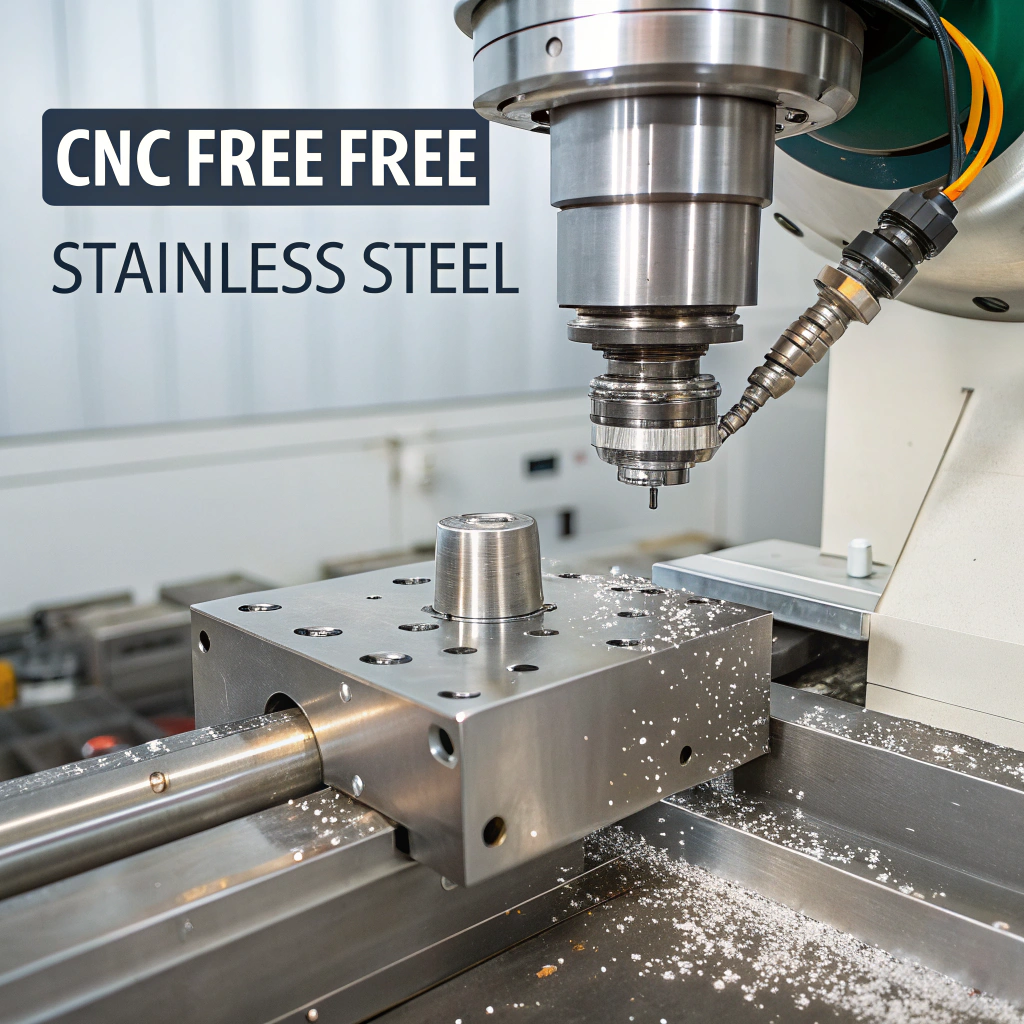
CNC machining offers several advantages when it comes to working with stainless steel. Stainless steel is a material known for its strength, corrosion resistance, and durability, which makes it challenging to machine. However, the precise control and advanced tooling offered by CNC machines make this task much more manageable and efficient.
-
Precision and Accuracy: CNC machines are controlled by computers, which ensures that the machining process is highly precise. This is particularly important when working with stainless steel, a material that is tough and often difficult to machine manually. With CNC, you can achieve tight tolerances and consistent results, which are critical in industries where quality is paramount.
-
Complex Geometries: CNC machines can create complex shapes and designs with high accuracy, which is difficult to achieve with traditional machining methods. This includes parts with intricate features, small tolerances, and geometric complexity that are often required in industries like medical device manufacturing or aerospace.
-
Reduced Labor Costs: With CNC machining, the entire process is automated, which reduces the need for manual intervention and oversight. This not only speeds up production but also reduces labor costs, making it a more cost-effective solution for large-scale manufacturing.
-
Repeatability: Once a design is programmed into the CNC machine, it can be replicated thousands of times with the same precision. This repeatability ensures consistency in mass production, making CNC machining a reliable choice for large production runs of stainless steel components.
-
Material Efficiency: CNC machines are highly efficient when it comes to material usage. The precision of the process reduces waste, ensuring that as much material as possible is used to create the final part. This can help save money on raw materials, especially with expensive materials like stainless steel.
How to Process Stainless Steel with CNC Machines?
Now that we know the benefits, how exactly do you process stainless steel using CNC machines?
Processing stainless steel with CNC machines involves a series of steps, including selecting the right tools, controlling the cutting parameters, and using various CNC processes such as milling, turning, and drilling to achieve the desired part shape.
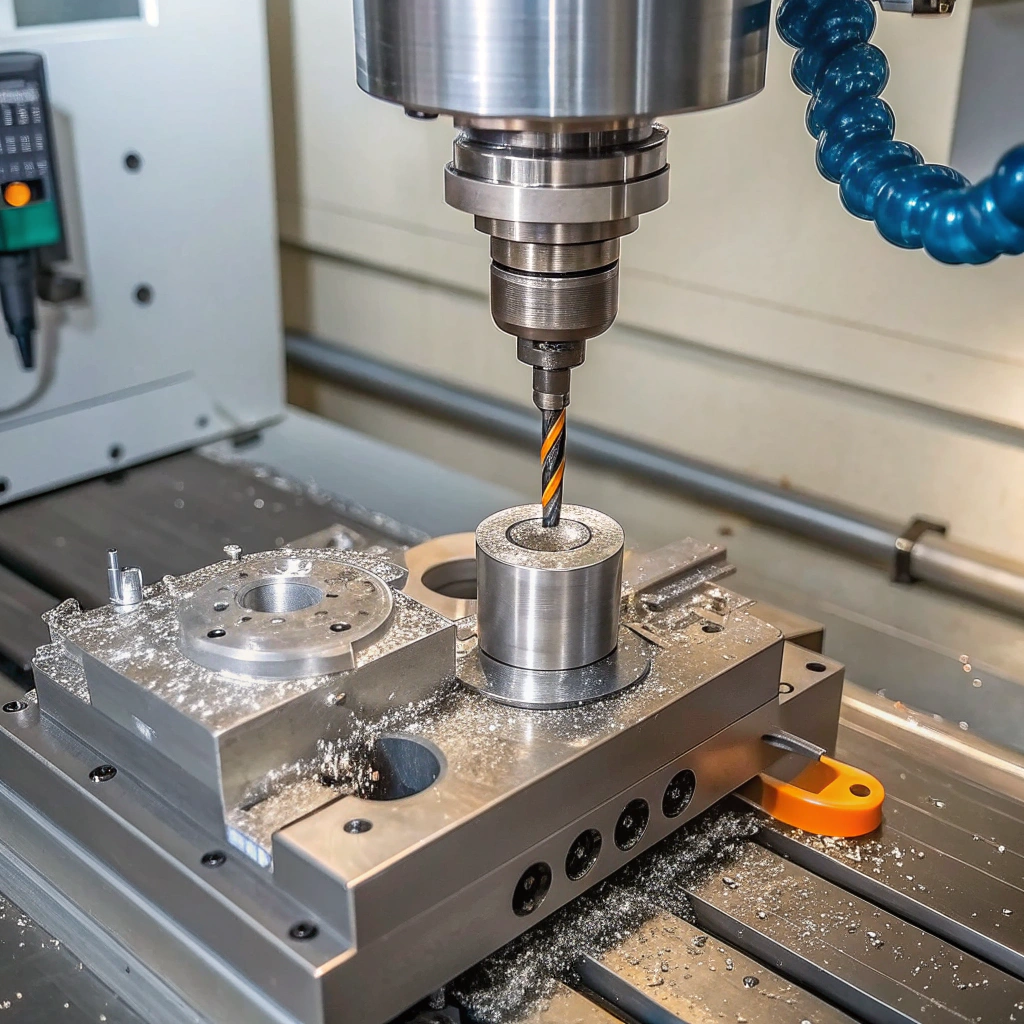
The process of CNC machining stainless steel involves several stages, and understanding each one is essential to producing a high-quality component.
-
Selecting the Right Tools: Stainless steel is tough and resistant to wear, which means choosing the right tools is crucial. Carbide tools, high-speed steel, or ceramic tools are commonly used for machining stainless steel, as these materials are capable of withstanding the high stresses generated during the cutting process. The right tooling can significantly improve both the speed and quality of the machining process.
-
Choosing Cutting Parameters: Cutting parameters such as speed, feed rate, and depth of cut must be carefully adjusted to avoid overheating the stainless steel, which could lead to surface defects or tool wear. Slower cutting speeds are often used to reduce heat generation, and cooling fluids are typically applied to maintain an optimal temperature.
-
CNC Milling: CNC milling is one of the most common methods used for stainless steel machining. It involves rotating a cutting tool while the workpiece is moved along multiple axes to cut the material. The result is a smooth, high-precision finish that can produce flat surfaces, slots, holes, or even complex shapes. It’s ideal for producing parts with tight tolerances.
-
CNC Turning: CNC turning is used when parts need to be rotated while being machined. The part is mounted on a lathe, and a cutting tool is applied to create cylindrical shapes. CNC turning is used to make parts like shafts, cylinders, and bushings. This method is often combined with CNC milling for more complex geometries.
-
CNC Drilling: CNC drilling is employed for creating precise holes in stainless steel parts. The machine can control the depth and diameter of the hole with high accuracy. Drilling is often done in combination with other CNC machining processes, such as milling or turning, to achieve a fully formed part.
-
Finishing: After the primary machining processes are completed, finishing operations such as grinding, polishing, or deburring are often required to achieve the final part specifications. These steps ensure a smooth surface finish, remove any burrs, and enhance the part’s overall quality.
What Are the Developments in Stainless Steel CNC Technology?
As technology evolves, so does the machining process. What are the latest trends and developments in stainless steel CNC machining?
Recent advancements in CNC machining for stainless steel include the development of faster, more precise machines, new cutting tool technologies, and enhanced automation that allow manufacturers to improve efficiency, reduce costs, and create parts with even tighter tolerances.
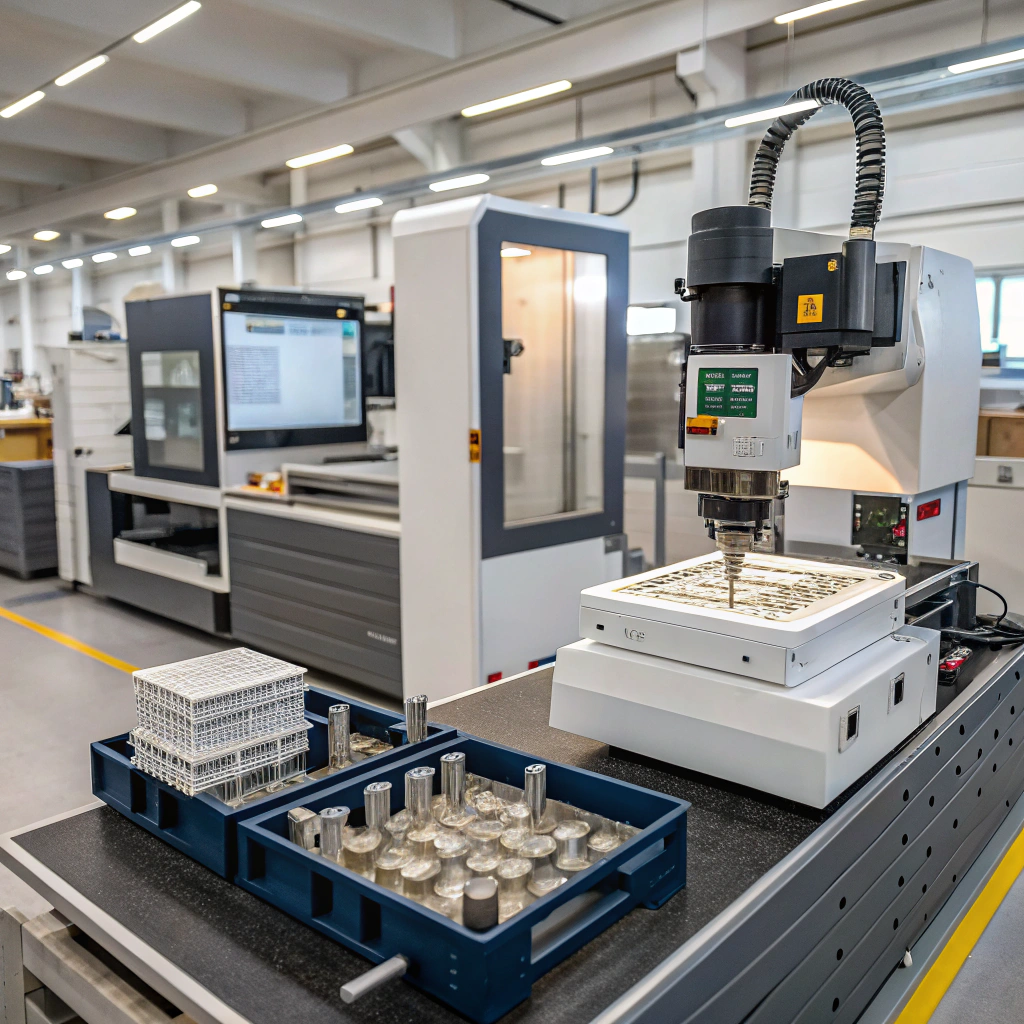
Several new developments in CNC technology are helping manufacturers work more effectively with stainless steel:
-
Advanced CNC Machines: Modern CNC machines have become more sophisticated, with multi-axis machining centers capable of handling complex geometries with high precision. These machines often have integrated probing systems that provide real-time feedback on part measurements, reducing the risk of errors and improving the quality of finished parts.
-
High-Performance Cutting Tools: One of the key innovations in stainless steel CNC machining is the development of high-performance cutting tools. These tools are made from advanced materials such as carbide and cermet, which are capable of withstanding the high heat and wear that comes with machining stainless steel. These tools also offer better surface finishes and improved tool life.
-
Additive Manufacturing Integration: In some cases, manufacturers are using a hybrid approach that combines traditional CNC machining with additive manufacturing (3D printing). This allows for faster prototyping and the ability to create complex parts that would otherwise be difficult or impossible to produce with conventional methods. It can also reduce material waste and improve the overall efficiency of the production process.
-
Automation and AI Integration: Automation and artificial intelligence (AI) are playing an increasingly important role in CNC machining. AI-powered systems can optimize machining parameters in real-time, ensuring the best cutting conditions and reducing human error. Additionally, automation allows for continuous, high-speed production without the need for frequent machine setup or manual intervention.
-
Improved Coolant Systems: As stainless steel generates significant heat during machining, the development of advanced coolant and lubrication systems has improved machining efficiency. These systems help keep temperatures in check, reduce tool wear, and improve the overall surface finish of the machined parts.
-
Sustainability: With a growing focus on environmental impact, CNC machining is moving towards more sustainable practices. This includes using more eco-friendly cutting fluids, reducing energy consumption, and minimizing material waste during the machining process. Sustainable practices not only reduce costs but also help meet stricter environmental regulations.
Conclusion
In conclusion, stainless steel CNC machining is a highly effective method for producing precise, durable parts across various industries. With advancements in technology, the process is becoming more efficient, precise, and cost-effective, making it a go-to choice for manufacturers looking to create high-quality stainless steel components.