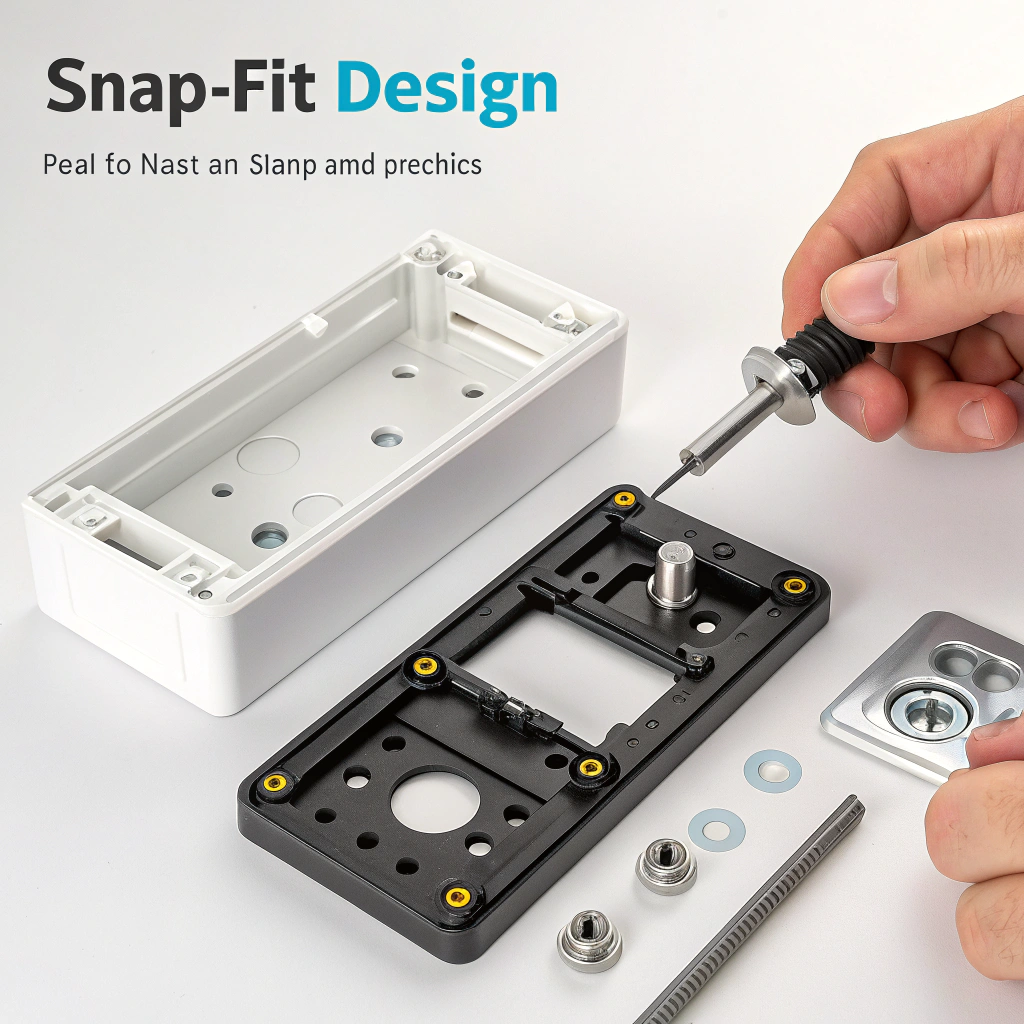

Snap fit design is a mechanical joining method where two parts are assembled by snapping one component into a slot, groove, or opening of another component. This type of design is widely used in plastic parts to eliminate the need for fasteners like screws, bolts, or adhesives.
Snap fit design allows two parts to be securely connected by means of an internal or external feature that locks them together without the need for additional tools or hardware.
If you've ever assembled a plastic casing for an electronic device or a bottle cap, you may have encountered snap fits. These clever, cost-effective features are found in countless products and are essential for quick assembly. Let’s dive into what snap fit design is, why it’s so important, and how to create reliable snap-fit mechanisms.
What Are the Benefits of Effective Snap Fit Design?
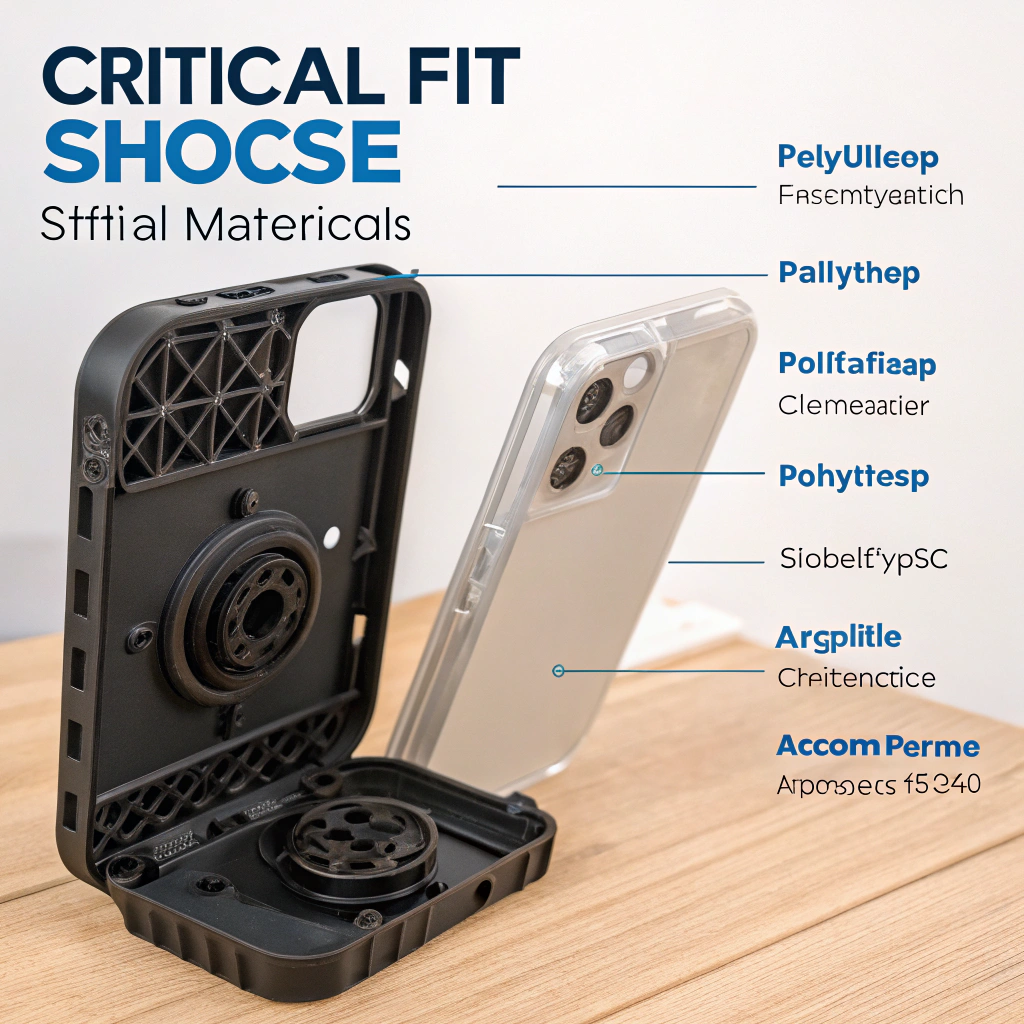
Effective snap fit design provides benefits such as faster assembly, reduced material costs, and improved product durability, making it a go-to solution in product manufacturing.
Snap fit design is an efficient, reliable, and cost-effective method for joining parts, especially in plastic molding. When designed correctly, snap fits can enhance the overall performance of a product and simplify the manufacturing process. Here are some key benefits of effective snap-fit design:
1. Cost Reduction
Snap fits eliminate the need for extra fasteners like screws, nuts, or bolts, which helps reduce material and labor costs. Additionally, they allow for faster assembly, which lowers production time and costs. This makes snap-fit designs an attractive option for high-volume production.
2. Ease of Assembly
Snap-fit components are designed for quick and easy assembly, often without the need for specialized tools or expertise. This reduces the time spent during the assembly process and eliminates the risk of improper installation, making it ideal for consumer products where quick, efficient assembly is essential.
3. Lightweight and Compact
Snap fit designs can eliminate the need for additional fasteners, leading to a lighter product. This is particularly important in industries such as automotive or aerospace, where every ounce matters. The compactness of snap-fit designs also contributes to more streamlined product shapes, reducing overall size and weight.
4. Flexibility and Design Freedom
Snap fits provide designers with the flexibility to create more intricate and complex product geometries. This design freedom allows for innovative shapes, easier integration of parts, and better use of space within a product, especially in compact or complex assemblies.
5. Increased Durability
When designed correctly, snap fits provide secure, long-lasting connections that can withstand mechanical stress, vibrations, and environmental factors. The ability of snap fits to stay intact through repeated assemblies and disassemblies without failure makes them ideal for applications where durability is crucial.
6. No Additional Tools Required
Snap-fit designs don’t require additional tools or hardware, which simplifies both assembly and disassembly. In consumer products, this can be a huge advantage because it means that parts can be assembled or replaced without needing a professional or special equipment.
How to Design a Reliable Snap Fit Mechanism?

Designing a reliable snap-fit mechanism requires careful consideration of factors like material selection, geometry, and load resistance to ensure a secure, durable connection between components.
While snap fit designs are simple in principle, designing an effective and reliable snap-fit mechanism requires a deep understanding of material properties, mechanical forces, and geometry. Here’s a step-by-step guide to designing a robust snap fit:
1. Select the Right Material
The choice of material is critical in snap fit design. Plastic materials such as polypropylene (PP), polycarbonate (PC), and acrylonitrile butadiene styrene (ABS) are commonly used for snap fits. The material must have the right balance of flexibility, strength, and fatigue resistance to ensure the snap fit holds up under repeated use without breaking or deforming.
- Flexible Materials: Choose materials that offer good elongation and flexibility for the snap features to bend and return to their original shape without breaking.
- Strength Considerations: Ensure that the material can withstand the forces required to snap the two parts together without yielding or breaking.
2. Understand the Snap Fit Geometry
The geometry of the snap fit is essential for achieving a secure connection. Key features to consider include:
- Bead or Hook Design: The "hook" or "bead" part of the snap fit should be designed to fit tightly into the corresponding groove or slot. The hook's curvature and the slot's shape must allow the hook to flex slightly during assembly and securely lock into place.
- Lead-In Design: The lead-in or ramp section helps guide the snap feature into the slot or groove, reducing the force needed for assembly and minimizing the risk of damaging the parts during insertion.
- Locking Feature: The locking feature should be strong enough to hold the parts together under the expected load and stresses, preventing accidental disassembly.
3. Consider Load and Stress
Snap fits experience forces during assembly, operation, and disassembly. It’s important to design the snap fit to handle both static and dynamic loads. Factors such as vibration, mechanical stresses, and temperature changes can affect the snap fit’s performance. Ensure that the snap fit can withstand these forces without failing.
4. Test and Optimize the Design
Prototyping and testing are key to optimizing snap-fit designs. Finite Element Analysis (FEA) can be used to simulate the snap-fit mechanism under different conditions, such as varying load forces or material deformations. Iterative testing will help refine the geometry and ensure the snap fit performs reliably under real-world conditions.
5. Ensure Easy Assembly and Disassembly
The snap fit should be designed so that assembly and disassembly are straightforward, particularly for consumer products. A smooth insertion and release action is essential for ease of use. Additionally, consider how the part will be disassembled in case repairs or replacements are needed.
What Are the Current Trends in Snap Fit Design?

The latest trends in snap fit design focus on improving performance, material efficiency, and manufacturing precision, driven by advancements in materials, 3D printing, and computational design tools.
As industries push for more efficient, cost-effective, and sustainable designs, snap-fit technology continues to evolve. Below are some of the current trends in snap fit design:
1. Use of Advanced Materials
The development of new and advanced materials is a major trend in snap fit design. Materials with improved properties such as enhanced elasticity, temperature resistance, and UV stability are being used to improve the longevity and performance of snap fits. Additionally, recyclable and eco-friendly materials are gaining traction as industries strive for sustainability.
2. 3D Printing for Rapid Prototyping
Additive manufacturing, or 3D printing, has revolutionized snap-fit design by enabling rapid prototyping and testing of snap-fit mechanisms. Designers can quickly create and test snap-fit components, adjusting the design based on real-world performance data. This trend has reduced the time and cost associated with traditional prototyping methods, allowing for faster iterations and innovation.
3. Customizable and Complex Geometries
With the use of advanced computer-aided design (CAD) tools and 3D printing, designers can now create more complex and customized snap-fit mechanisms. This includes incorporating more intricate geometries, multi-material designs, and snap features that can accommodate a wide range of product requirements. This trend allows for greater design freedom and improved functionality.
4. Integration with Smart Manufacturing
As part of Industry 4.0, snap-fit designs are increasingly being integrated with smart manufacturing processes. This includes using sensors, automated assembly lines, and digital twins to optimize snap-fit assembly, ensuring precision and efficiency. Real-time data monitoring also enables quality control and better detection of design flaws during production.
5. Enhanced Durability with Hybrid Designs
Hybrid snap-fit designs that combine traditional snap-fit features with other joining methods, such as ultrasonic welding or adhesive bonding, are becoming more common. These hybrid designs aim to enhance the durability and load-bearing capacity of snap-fit connections while retaining the ease of assembly and cost-effectiveness of the traditional snap fit.
6. Design for Sustainability
Sustainability is increasingly influencing snap fit design, with a focus on minimizing waste, reducing material usage, and creating easily recyclable products. Snap fit designs are being optimized to reduce material consumption while maintaining strength and functionality, making them more environmentally friendly.
Conclusion
Snap fit design is a highly efficient and cost-effective method for joining parts in a wide range of industries. With benefits like cost reduction, ease of assembly, and design flexibility, snap fits offer significant advantages for both manufacturers and consumers. As trends such as advanced materials, 3D printing, and sustainability continue to shape the future of snap-fit technology, designers have even more tools to create innovative, reliable, and environmentally friendly solutions.