
Need durable parts for electrical or fluid systems but not sure which plastic to use? PVC might be your answer.
PVC machining refers to the process of cutting, shaping, and forming polyvinyl chloride plastic using tools like CNC routers, mills, and lathes.
This technique is widely used to make precision parts in industries like construction, chemical processing, and water systems. Unlike metal, PVC is lightweight, corrosion-resistant, and easy to work with.
What are the benefits of PVC machining?
Is PVC just a cheap plastic? Not when it comes to its machining benefits.
PVC machining offers high dimensional stability, corrosion resistance, and cost-efficiency, making it ideal for many industrial parts.
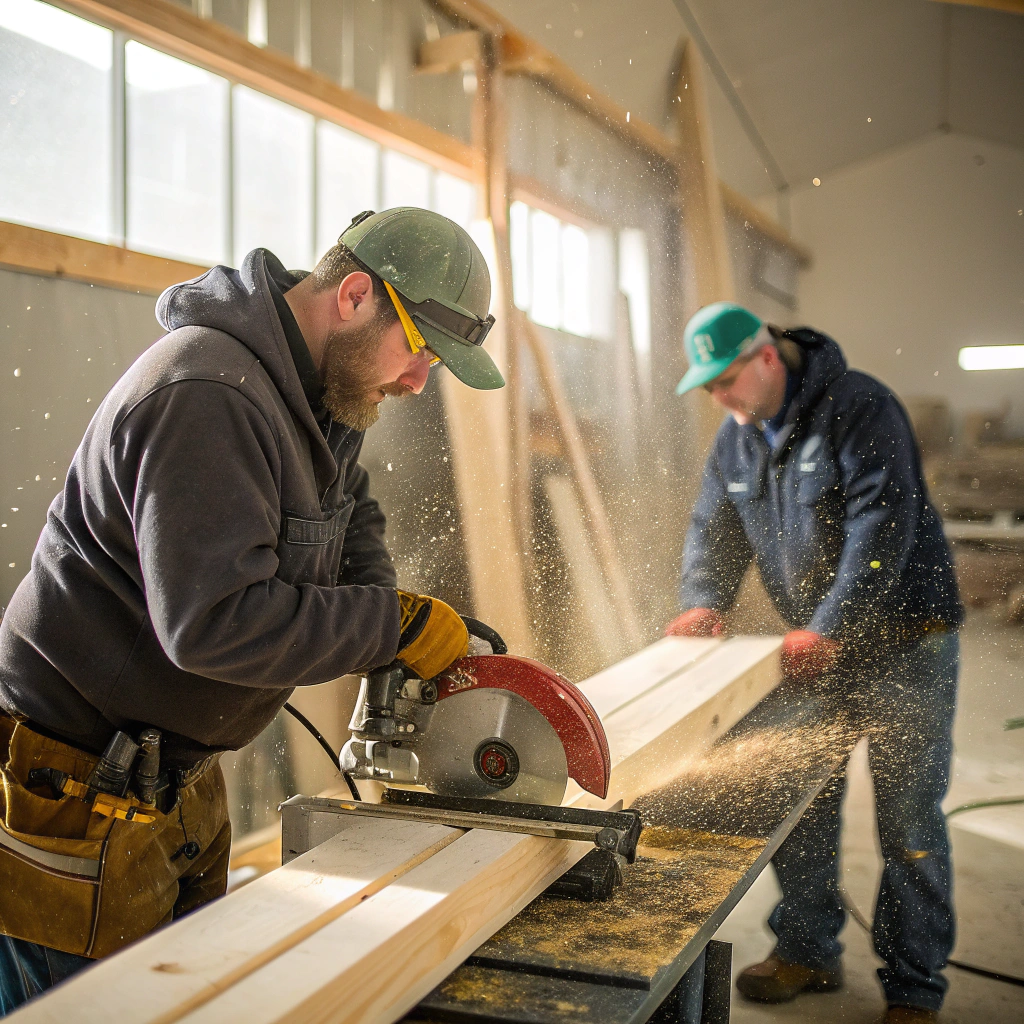
The first time I machined PVC, I was surprised how clean the cuts were and how fast we could produce parts without extra finishing steps. It felt like cutting through wood but with much better mechanical properties.
Key Advantages of PVC Machining
1. Easy to Cut and Shape
PVC is softer than metals, which means less tool wear and lower machining costs. Standard carbide tools work well.
2. Chemical and Corrosion Resistance
PVC doesn’t rust or degrade easily when exposed to acids, alkalis, or moisture. This is a major reason it’s used in piping and ventilation systems.
3. High Stability and Strength
While light, PVC still holds shape and resists warping. This makes it reliable for parts that need consistent dimensions.
4. Cost-Effective for Prototypes and Batches
PVC is cheap to buy and easy to process. That’s why it’s a common material in prototyping.
5. Safe and Low Maintenance
Unlike many metals, PVC doesn’t require coatings or lubrication during use. It's also flame-retardant in many forms.
Quick Comparison: PVC vs. Aluminum for Machined Parts
| Property | PVC | Aluminum |
|---|---|---|
| Machinability | Very easy | Easy |
| Tool Wear | Low | Medium |
| Corrosion Resistance | Excellent | Good |
| Thermal Conductivity | Poor | Excellent |
| Cost | Low | Medium to High |
| Weight | Light | Light |
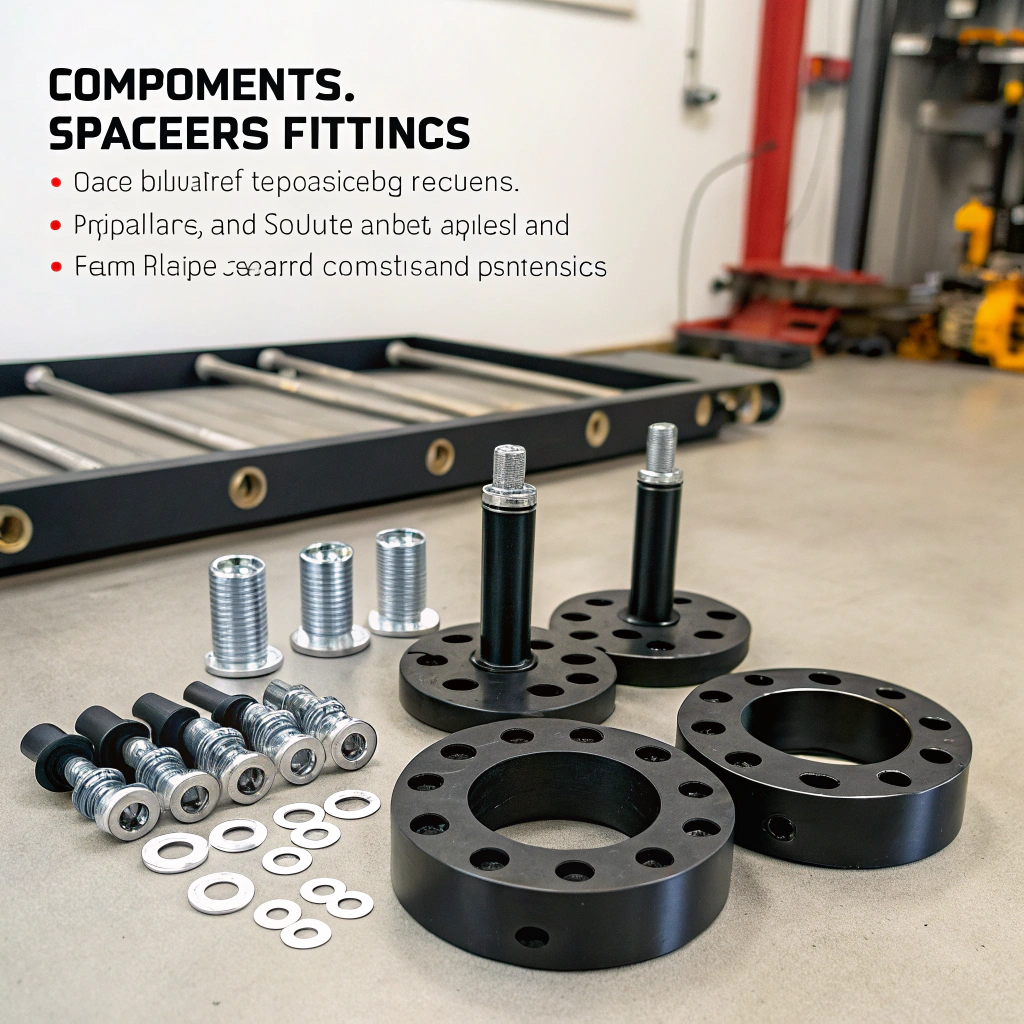
Many clients choose PVC for components like flanges, spacers, and custom fittings. The cost savings and performance are hard to beat in non-load-bearing applications.
How to machine PVC effectively?
Does machining PVC need special tools? Not really—but there are important best practices.
To machine PVC effectively, use sharp carbide tools, lower feed rates, and avoid overheating, which can cause melting or burning.
I remember a client project for water treatment panels. We had to make over 200 precision slots in 8mm PVC sheets. Using proper tool speeds made all the difference. No melting, no burrs.
Essential Guidelines for PVC Machining
Tooling and Cutting
- Tool Material: Use carbide or high-speed steel.
- Tool Geometry: Sharp edges with high rake angles prevent heat buildup.
- Coolant: Not always needed, but air blast helps keep chips away.
- Speeds and Feeds: Run slower than with metal to avoid softening.
Workholding
- Clamping: Use soft jaws or pads to prevent deformation.
- Support: Thin sheets need full backing to avoid chatter or cracking.
Machining Methods
| Machining Operation | Recommended Settings for PVC |
|---|---|
| Drilling | Low RPM, sharp drill bits, no lubricant |
| Milling | Light passes, air cooling |
| Turning | Slow speed, medium feed, chip evacuation |
| Sawing | Fine-toothed blade, medium speed |
Troubleshooting Tips
- Melting edges? Lower spindle speed or use air cooling.
- Poor finish? Try a sharper tool or adjust feed rate.
- Warping? Use clamps with even pressure, machine in multiple passes.
Pro Tip
Store PVC flat and away from sunlight. It warps easily if not stored right, and that affects machining accuracy later.
What are the developments in PVC machining techniques?
Is PVC machining evolving like metalworking? Yes—and faster than you think.
Recent developments include CNC automation, multi-axis machining, and hybrid machines that combine routing, drilling, and cutting in one setup.

Over the past two years, I’ve seen more demand for tight-tolerance PVC components. Customers expect the same precision as metal, which pushed us to upgrade.
New PVC Machining Trends
1. CNC Automation
More shops now use CNC routers and mills for PVC. This improves repeatability and speeds up production.
2. Multi-Tool Platforms
Machines that switch between cutting, engraving, and routing without tool change save time.
3. AI-Based Feed Optimization
New software adjusts speeds in real time to prevent melting or tool overload.
4. Better Dust Collection
PVC dust is fine and sticky. New vacuum systems now remove chips efficiently and keep the workspace clean.
5. Integration with CAD/CAM
Modern systems connect CAD models to the machine directly. No manual programming, fewer errors.
Innovations Table
| Development | Benefit |
|---|---|
| CNC Multi-Axis Routing | Handles complex geometries easily |
| Smart Feed Controllers | Avoids melting and improves finish |
| Modular Worktables | Quick setup for varied part sizes |
| Digital Tool Libraries | Easier toolpath planning |
| Advanced Holding Fixtures | Reduces vibration and increases accuracy |
These upgrades help manufacturers keep up with demand for custom, fast-turnaround PVC parts. In my workshop, lead times dropped by 30% after we switched to automated toolpath systems.
Conclusion
PVC machining is a flexible, affordable way to produce corrosion-resistant parts with high accuracy. With the right setup and tools, it’s a reliable choice for many industries looking to speed up production and lower costs.