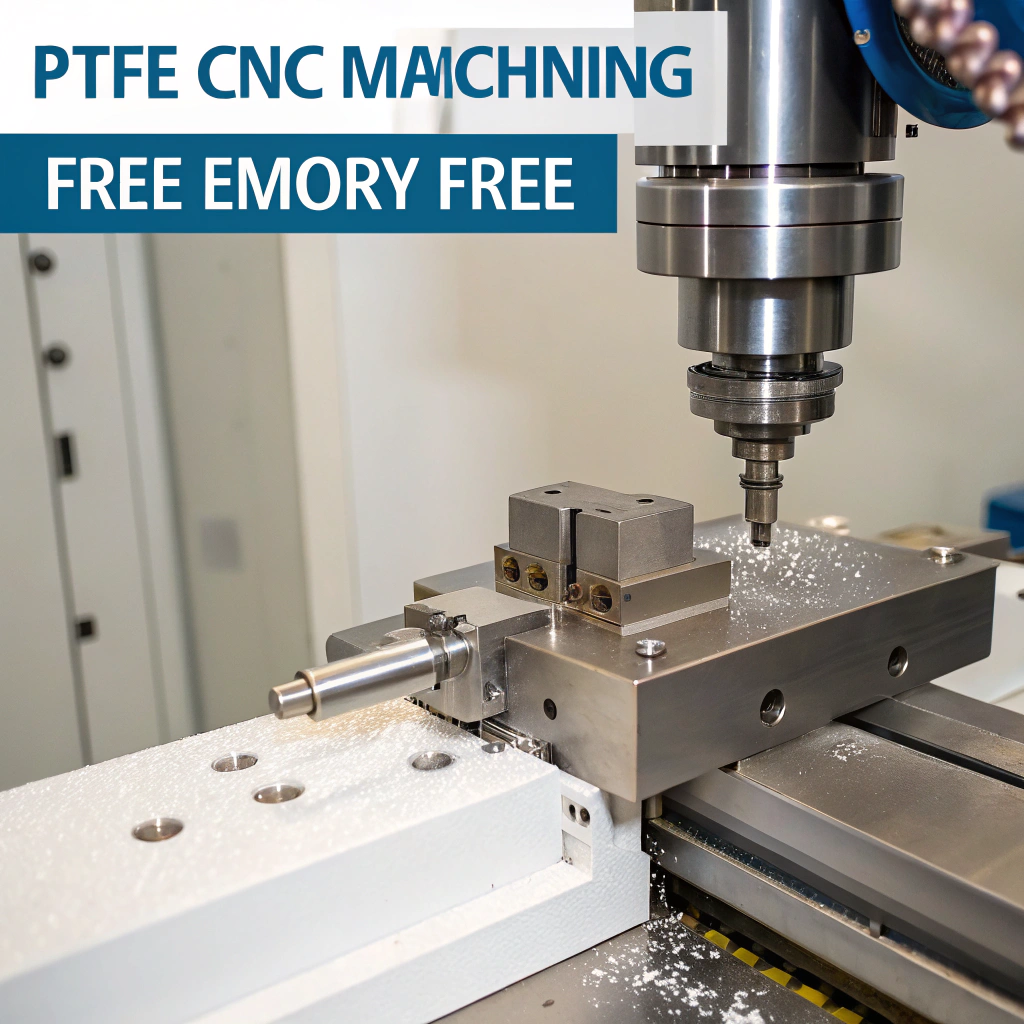
When you need parts that resist heat, chemicals, and friction, few materials perform like PTFE. But machining PTFE isn’t like machining metal — it needs a different approach.
PTFE CNC machining is a process where polytetrafluoroethylene (Teflon) components are shaped using computer-controlled cutting tools to achieve precise tolerances and complex geometries.
This technique allows manufacturers to produce customized parts for critical applications like medical devices, electronics, and chemical processing. Let me show you why this soft, slippery plastic deserves your attention.
What are the benefits of PTFE machining?
Working with PTFE can solve many engineering challenges. It's stable, non-reactive, and very low-friction — ideal when metal or other plastics fall short.
The benefits of PTFE machining include exceptional chemical resistance, low friction, wide temperature stability, and excellent insulation properties.
PTFE is often the go-to for sealing components in pumps, gaskets, and valves. I once worked with a customer in the chemical industry who needed seals that wouldn't degrade over time. PTFE was the only material that handled both the chemical exposure and mechanical wear.
Key Benefits Table
| Benefit | Explanation |
|---|---|
| Chemical Resistance | Unaffected by most acids, bases, and solvents |
| Low Coefficient of Friction | Almost no sticking or drag |
| High Thermal Stability | Performs well from -200°C to +260°C |
| Non-Stick Surface | Nothing adheres easily, great for flow systems |
| Electrical Insulation | Used in high-frequency applications |
Typical Industries That Use PTFE Parts
- Pharmaceutical production
- Semiconductor manufacturing
- Aerospace
- Food processing
- Oil & gas
What makes CNC machining essential is the accuracy it brings. Injection molding PTFE is difficult due to its properties. CNC is the better route when tight tolerances and custom shapes are needed.
How to machine PTFE accurately?
PTFE is soft, elastic, and tends to deform. That makes it tricky to machine. Without the right strategy, parts come out oversized, warped, or with poor surface finish.
To machine PTFE accurately, use sharp tools, slow feed rates, minimal clamping pressure, and consider thermal expansion during setup.
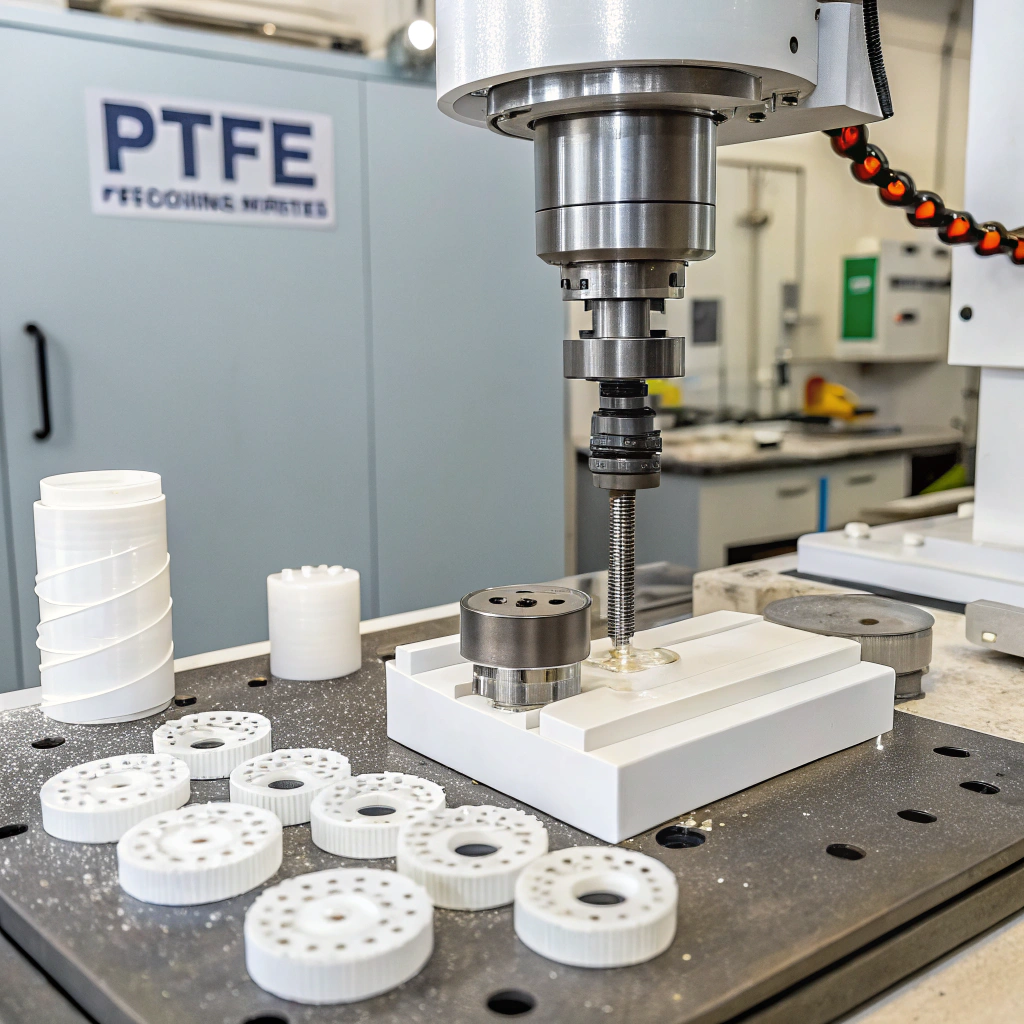
Let me break down the best practices I use when working with PTFE. These tips come from trial and error — and hard-won experience.
Tooling and Setup
Use Sharp Carbide Tools
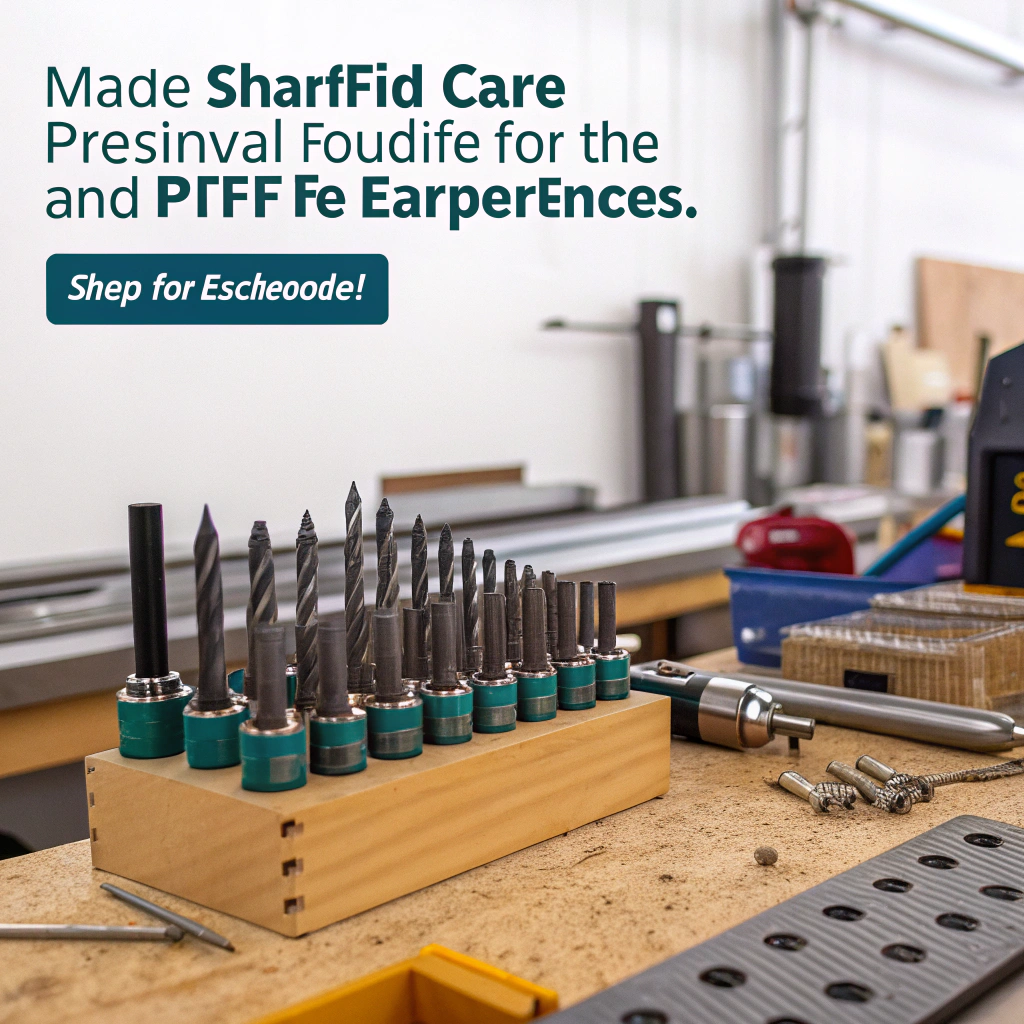
PTFE doesn’t wear tools like metals do, but dull tools will smear instead of cutting. I always use razor-sharp inserts.
Clamp Gently
PTFE is soft. Over-tightening your workholding can crush or deform it. Use soft jaws or a vacuum fixture if possible.
Control the Heat
PTFE expands a lot under heat. That means it can grow during machining, then shrink when it cools — causing dimensional errors.
I once ran a job where all parts came out too small. The reason? We didn’t let the parts stabilize after the first cut. We fixed it by machining in stages and letting the material “rest” between passes.
Machining Tips Table
| Parameter | Best Practice |
|---|---|
| Feed Rate | Slow and steady (0.1–0.3 mm/rev) |
| Spindle Speed | Moderate (2,000–4,000 RPM) |
| Coolant | Dry machining preferred, or compressed air |
| Final Pass | Use light cuts (0.1 mm or less) |
| Deburring | Use sharp blade or soft brush |
Finishing and Inspection
- Always check dimensions after parts cool.
- Store finished parts flat to prevent warping.
- Use high-contrast CMM (Coordinate Measuring Machine) for inspection.
With the right setup, you can hold ±0.05 mm tolerances on PTFE, which is more than enough for most applications.
What are the innovations in PTFE CNC processing?
As demand grows for high-performance plastics, innovation in PTFE machining is accelerating. From hybrid materials to smarter machines, the changes are exciting.
Key innovations include glass-filled PTFE, multi-axis machining, automated tool monitoring, and hybrid additive-subtractive manufacturing.
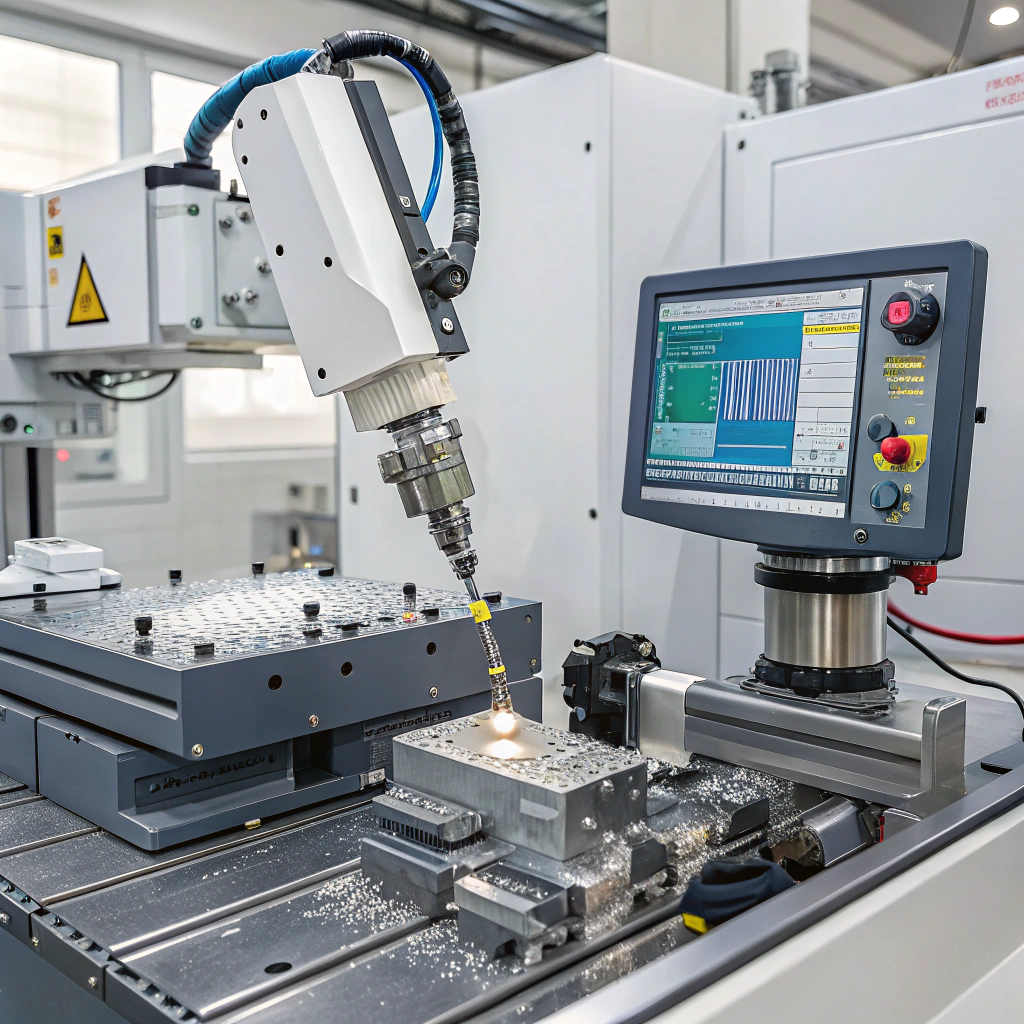
Let me walk you through the new developments we’ve started using or watching closely.
Innovation 1: Glass- or Carbon-Filled PTFE
Pure PTFE is soft. To solve this, manufacturers now use blends — adding glass, carbon, or bronze. These fillers improve wear resistance and dimensional stability.
I recently machined a batch of carbon-filled PTFE bushings for an aerospace client. The filler made the material easier to machine with tighter tolerances and less deflection.
Innovation 2: 5-Axis PTFE Machining
Advanced CNC machines can now handle complex parts in one setup. For PTFE, this reduces handling errors and maintains consistency. Great for spiral seals or intricate valve parts.
Innovation 3: Toolpath Optimization with AI
Some CAM software now uses AI to adapt toolpaths in real time. That means fewer passes, better surface finishes, and lower scrap rates — especially on tricky materials like PTFE.
Innovation 4: Hybrid CNC + 3D Printing
Though rare, some setups use 3D printing for rough shapes and CNC to refine critical areas. This hybrid approach reduces waste when working with expensive PTFE blends.
PTFE Machining Innovation Table
| Innovation | Benefit | Application |
|---|---|---|
| Glass-Filled PTFE | Higher strength, less creep | Bearings, gaskets |
| 5-Axis Machining | Complex shapes in one setup | Aerospace seals |
| AI-Driven CAM | Faster programming, better surface | Precision parts |
| Hybrid Manufacturing | Less waste, custom shapes | Prototypes, medical components |
Future Outlook
More industries are turning to engineered plastics like PTFE. That means demand for fast, precise machining will only increase. By staying up to date, I can help customers hit performance targets without overspending.
Conclusion
PTFE CNC machining delivers custom, high-performance plastic parts that excel in extreme conditions. With the right tools and strategy, it's possible to machine PTFE with high precision and consistency, even for demanding applications.