
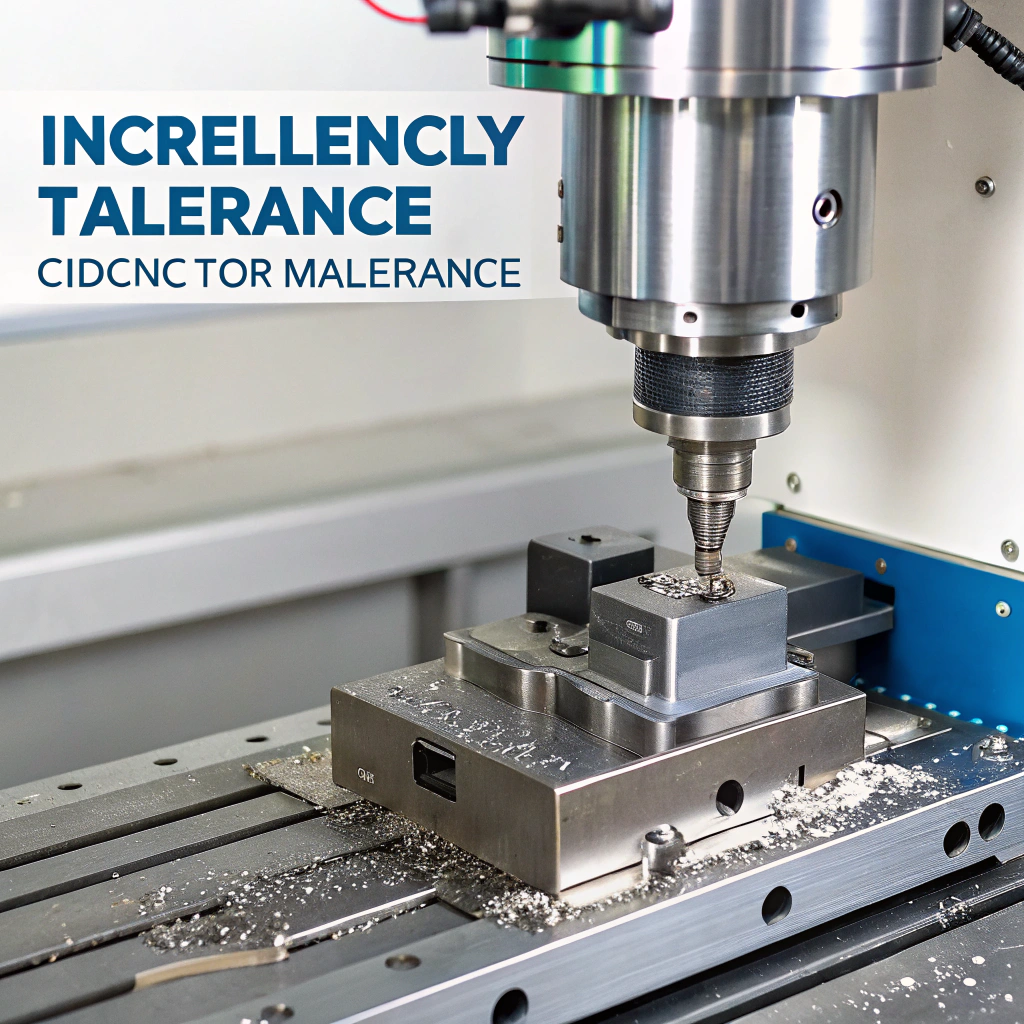
Plastic CNC machining is a high-precision manufacturing process that uses computer-controlled machines to carve or cut plastic materials into specific shapes or components. This process offers unmatched accuracy and repeatability, which is essential for creating intricate parts or prototypes in various industries, from automotive to medical devices.
Plastic CNC machining has revolutionized the way manufacturers work with plastic materials. It enables the creation of complex designs with a high level of precision.
CNC machining is not just for metals. It can be applied to plastics as well, offering versatile solutions for creating parts that require strength, flexibility, and durability. Whether you're working with engineering plastics like PEEK or more common ones like acrylic, the ability to machine these materials opens up new possibilities for production and design.
What Are the Benefits of Plastic CNC Machining?
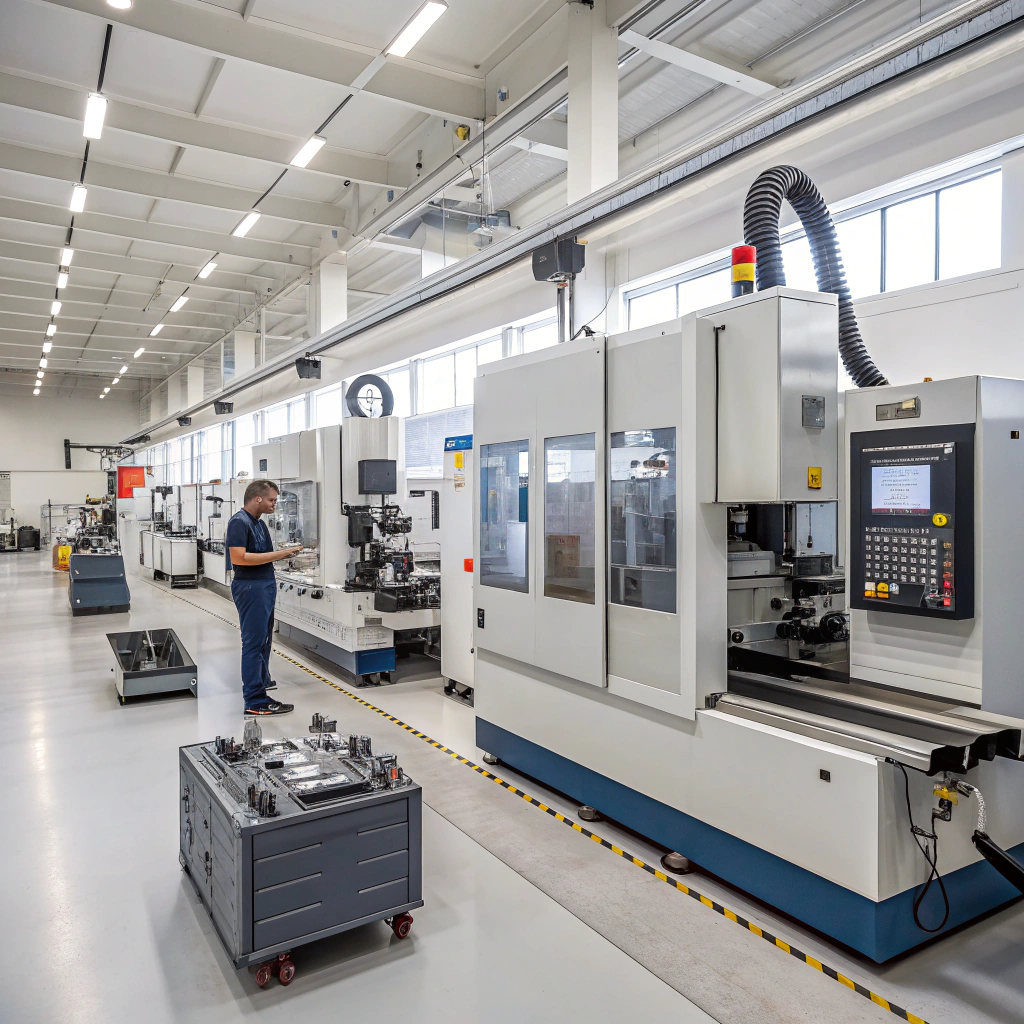
Plastic CNC machining provides several advantages that make it an attractive solution for manufacturers.
CNC machining offers a range of benefits such as precision, speed, and cost-efficiency, which makes it the go-to choice for companies producing plastic parts. These advantages are particularly noticeable in industries that require high-quality plastic components with tight tolerances.
Precision and Accuracy
One of the most significant benefits of plastic CNC machining is the precision it offers. These machines can produce plastic parts with incredibly tight tolerances, which is essential for industries like aerospace, medical devices, and electronics. Even with the most complex designs, CNC machining ensures every part meets exact specifications, resulting in fewer errors and less waste.
Consistency and Repeatability
CNC machines are programmed to repeat tasks with precision. Once the initial setup is complete, parts can be produced in large quantities with consistent quality. This consistency is especially valuable for high-volume production runs where parts must meet exact specifications every time.
Cost Efficiency for Low-Volume Production
CNC machining is not only ideal for large-scale production but also cost-effective for smaller production runs. Traditional plastic molding can require expensive molds, making it less economical for low-volume production. With CNC machining, there is no need for expensive molds, and companies can start producing parts almost immediately, making it more accessible for businesses of all sizes.
Versatility with Materials
Plastic CNC machining works with a wide variety of plastic materials, including acrylic, polycarbonate, nylon, and polyethylene. Each type of plastic offers its own set of benefits, from strength and durability to transparency and resistance to chemicals or high temperatures. This versatility makes CNC machining a great solution for various industries that require specialized materials for different applications.
How to Perform Plastic CNC Machining Efficiently?
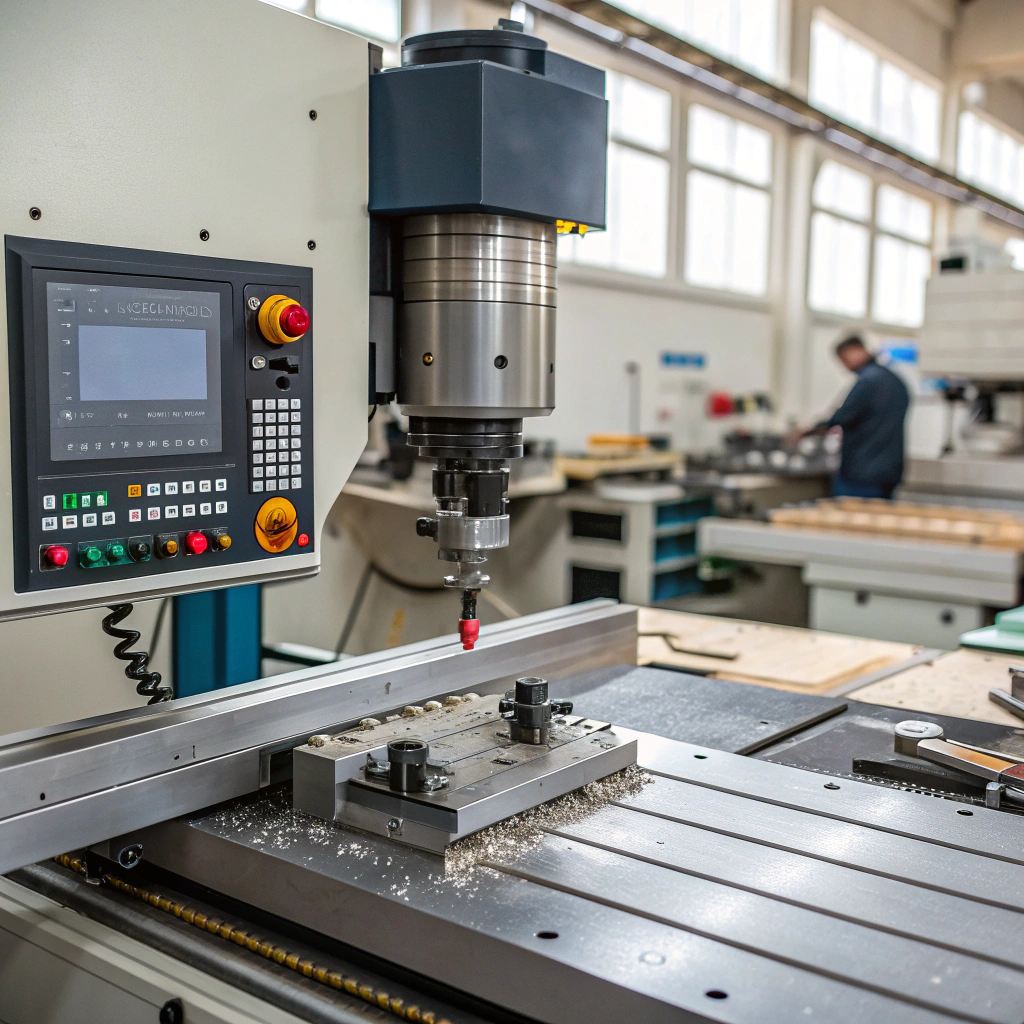
Efficiency in plastic CNC machining is key to reducing costs and maximizing production output. By optimizing processes and choosing the right settings, manufacturers can ensure high-quality results.
Achieving efficiency in plastic CNC machining requires careful planning and understanding of the material, machine, and desired outcome. By optimizing the entire process, you can reduce waste, improve cycle times, and ensure that parts are manufactured with the highest quality.
Select the Right Plastic Material
The first step in optimizing the machining process is choosing the right plastic material for the job. Some plastics, like acrylic, are easy to machine and yield a smooth finish, while others, like polycarbonate, require special tools or techniques to avoid melting or warping. Understanding the properties of the material being used is essential for determining the best approach.
Optimize Cutting Tools
Using the right cutting tools for plastic is crucial for efficiency. Since plastics can be prone to chipping or melting, it's important to use sharp, high-quality tools designed specifically for machining plastics. Carbide tools are often recommended due to their durability and sharpness. Proper tool maintenance is also essential to prevent excessive wear that can affect part quality.
Manage Heat Build-Up
One of the challenges with plastic CNC machining is managing heat. Plastics can melt or warp if they get too hot during the machining process. To prevent this, many manufacturers use coolant systems, such as air or liquid cooling, to dissipate heat and maintain the material’s integrity. Additionally, reducing the cutting speed or feed rate can also help in controlling heat generation.
Optimize Machine Settings
CNC machines come with a variety of adjustable settings, such as feed rate, cutting speed, and depth of cut. It’s important to adjust these settings based on the type of plastic being used. For example, a faster feed rate may work well for softer plastics, while slower speeds may be required for more rigid materials to avoid excessive heat buildup. Running test cuts is a good practice to ensure the optimal settings are in place before starting the full production run.
What Are the Advancements in Plastic CNC Machining Technology?
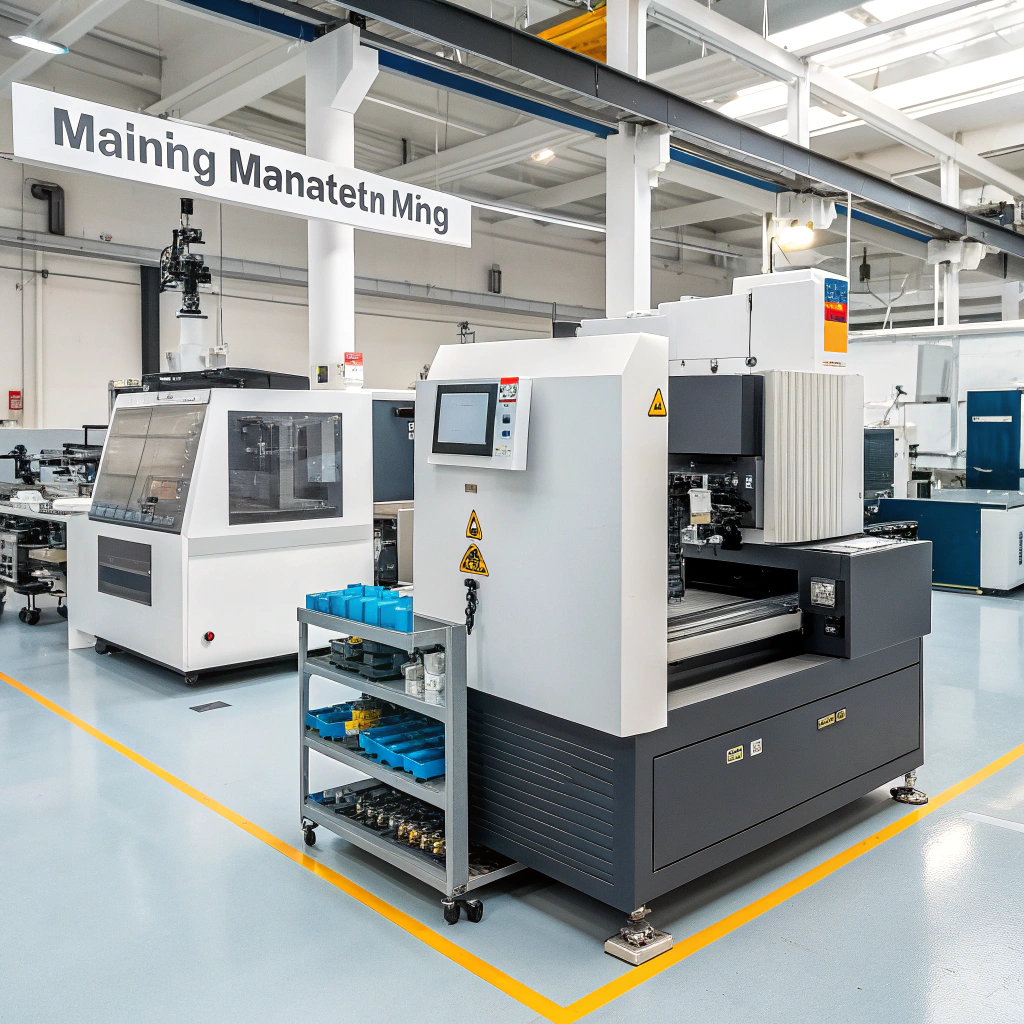
New technologies are rapidly changing the landscape of plastic CNC machining, allowing for faster production times, higher precision, and the ability to work with more complex materials.
Plastic CNC machining technology has evolved significantly over the past few years. These advancements make it possible to create even more complex parts with increased accuracy and at faster speeds. New machine designs, better software, and improved materials are pushing the limits of what can be achieved with CNC machining.
High-Speed CNC Machines
Advancements in CNC machine speeds have had a significant impact on plastic machining. High-speed CNC machines allow manufacturers to process plastic parts much faster than traditional machines. This is especially beneficial in industries where production speed is crucial. High-speed machines also tend to have greater precision, which reduces cycle times and improves part quality.
Hybrid Manufacturing
The combination of CNC machining and additive manufacturing (3D printing) has led to hybrid systems that can both 3D print and CNC machine parts in the same process. This combination allows for the rapid prototyping of plastic parts while also offering the precision and material strength that CNC machining provides. Hybrid machines can improve production speed, reduce costs, and enhance part complexity.
Advanced Cooling Systems
To address the issue of heat buildup, many new CNC machines come with advanced cooling systems that help keep the material at the optimal temperature during machining. These systems use more efficient coolant delivery methods, allowing for faster processing times while minimizing the risk of material deformation. By incorporating these advanced cooling methods, manufacturers can process plastics more efficiently.
CNC Simulation Software
Modern CNC simulation software allows for more accurate planning of the machining process. This software helps manufacturers simulate the entire machining process before it begins, which reduces the chances of errors and improves machine efficiency. It can also be used to optimize tool paths and machining parameters, reducing material waste and improving overall productivity.
Conclusion
Plastic CNC machining offers several benefits, including precision, versatility, and cost-effectiveness. With ongoing advancements in technology, such as high-speed machines, hybrid manufacturing, and improved cooling systems, the future of plastic CNC machining looks promising.