A CNC milling machine is a computer-controlled tool used in the manufacturing process to cut, shape, and remove material from a workpiece. CNC (Computer Numerical Control) allows for precise, automated cutting and shaping of materials such as metal, wood, and plastic. This technology has become a cornerstone in modern manufacturing, offering high precision and efficiency.
CNC milling machines are capable of performing a variety of tasks, from drilling holes to creating complex shapes and intricate designs. The machine follows pre-programmed instructions from CAD (Computer-Aided Design) files, allowing for consistent and accurate production. In this article, we’ll explore how a CNC mill removes material, why it’s used for prototypes, which parts benefit from CNC milling, and where it outperforms other methods.
Let’s take a closer look at how CNC milling works and why it’s such an essential tool in manufacturing.
How Does a CNC Mill Remove Material?
CNC milling machines remove material by using rotating cutting tools to gradually shape the workpiece. The material is held firmly in place while the rotating tool moves along various axes, removing material according to the specified design. The CNC machine controls the movement of the tool with high precision, allowing for detailed cuts and shapes.
The CNC Milling Process:
- Setup: The material (often in the form of a block or sheet) is secured on the milling machine’s bed or work surface.
- Tool Selection: The CNC machine selects the appropriate cutting tool based on the material and type of cut needed (e.g., end mills, drill bits, face mills).
- Tool Movement: The cutting tool rotates at high speeds while moving along multiple axes (usually X, Y, and Z), cutting away material layer by layer.
- Removal: The cutting tool removes material through processes like drilling, boring, or facing, depending on the operation.
- Finishing: After the rough material removal, finishing cuts may be made to achieve the desired surface finish and precision.
By removing material in controlled increments, CNC mills can create highly detailed parts with smooth surfaces, even from tough materials like metals and composites.
Why Use CNC Milling for Prototypes?
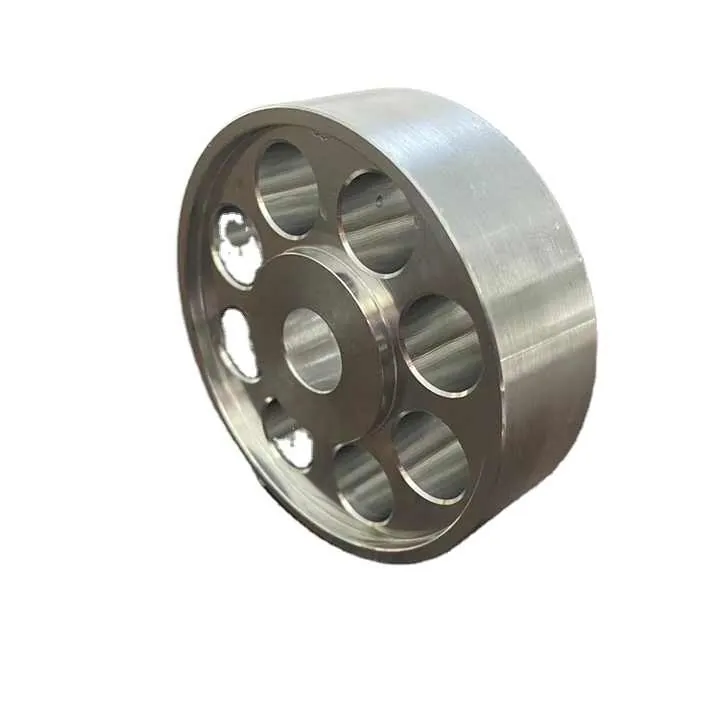
CNC milling is a preferred method for creating prototypes because of its ability to quickly and precisely transform digital designs into tangible parts. The accuracy and speed of CNC milling make it an ideal choice when a prototype needs to be produced for testing, validation, or further design refinement.
Benefits of Using CNC Milling for Prototypes:
- Speed: CNC milling can quickly produce a prototype based on digital designs, allowing for faster iterations and testing.
- Precision: The high accuracy of CNC milling ensures that prototypes match the specifications exactly, which is crucial for functional testing and evaluations.
- Material Flexibility: CNC mills can work with a wide range of materials, including plastics, metals, and composites, which makes them ideal for creating prototypes of varying complexity.
- Complexity: CNC milling can create complex, intricate geometries that are difficult to achieve using other methods, making it perfect for prototypes with detailed features.
By using CNC milling for prototypes, designers and engineers can ensure that their concepts are translated into physical parts with precision, helping to identify potential issues early in the design process.
Which Parts are Ideal for CNC Milling?
CNC milling is ideal for parts that require high precision, intricate designs, or complex geometries. It is widely used in industries such as aerospace, automotive, and medical, where detailed and functional parts are essential.
Parts That Benefit from CNC Milling:
| Part Type | Example | Benefits of CNC Milling |
|---|---|---|
| Aerospace | Aircraft components, turbine blades | Lightweight, high precision |
| Automotive | Engine blocks, transmission parts | Complex shapes, tight tolerances |
| Medical | Surgical tools, implants | Precision, biocompatibility |
| Tooling | Molds, dies, jigs | Durability, intricate features |
In the aerospace industry, parts like turbine blades and aircraft components require both lightweight materials and complex, precise geometries. CNC milling can produce these parts with high accuracy. In automotive manufacturing, CNC milling is used to create complex components such as engine blocks and gear assemblies, which require tight tolerances. Medical parts like surgical instruments and implants also benefit from the precision and customizability offered by CNC milling.
Where Does CNC Milling Outperform Others?
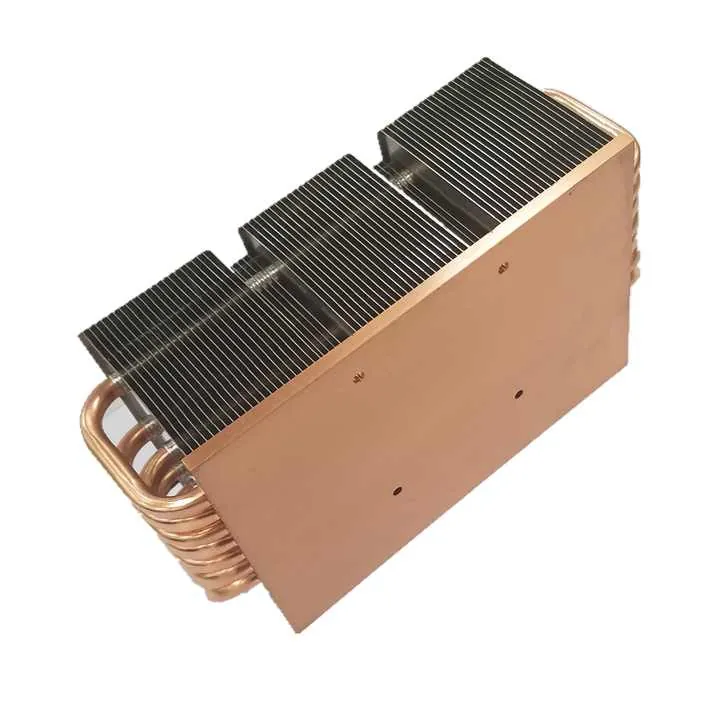
CNC milling outperforms other manufacturing methods in areas where high precision, intricate detailing, and material flexibility are required. It’s particularly advantageous when creating parts with complex shapes, fine details, or precise tolerances that would be difficult or impossible to achieve with traditional methods.
Areas Where CNC Milling Outperforms Other Methods:
| Application | CNC Milling Advantage | Comparison with Other Methods |
|---|---|---|
| Complex Geometry | Ability to machine complex 3D shapes | Outperforms turning or manual milling |
| Tight Tolerances | Precision machining with minimal error | More accurate than traditional methods |
| Material Variety | Works with a wide range of materials | Can handle metals, plastics, and composites |
| Customization | Can produce custom parts in small batches | Ideal for low-volume, high-precision jobs |
CNC milling excels in producing parts with complex geometry, such as intricate internal features or 3D surfaces. It is also ideal for tight tolerances, where parts must fit perfectly within specific measurements. When compared to other methods like manual milling or turning, CNC milling offers far greater precision, especially when working with difficult materials like titanium or hard plastics. Additionally, CNC milling can quickly produce customized parts in low volumes, which is difficult to achieve with traditional methods that often require specialized tooling or molds.
Conclusion
CNC milling machines are essential tools in modern manufacturing, offering unparalleled precision and versatility. Whether producing prototypes, complex parts, or high-tolerance components, CNC milling provides efficiency and accuracy that are difficult to match with traditional methods. Its ability to handle a variety of materials and create intricate designs makes it an invaluable asset across industries such as aerospace, automotive, medical, and tooling.