CNC lasers are fast, accurate, and powerful. They can cut through metal like butter and engrave surfaces with pinpoint control. But what makes a CNC laser so special?
A CNC laser is a computer-controlled machine that uses a focused beam of light to cut or engrave materials with high precision and speed, without physical contact.
From detailed engraving to clean cuts in metal and plastic, CNC laser machines have transformed how products are made across many industries.
How does CNC laser cutting work?
At first glance, it might look like magic. A laser beam slices through steel, leaving smooth, sharp edges. But behind that power is a carefully controlled system.
CNC laser cutting works by directing a high-energy laser beam onto a material, melting or vaporizing it along a programmed path, with movement controlled by computer instructions.
The process starts with a CAD file — a digital drawing of the part. CAM software then translates it into G-code, which the CNC controller uses to guide the laser head.
The laser beam is focused through a lens, reaching temperatures of thousands of degrees at the point of contact. As the beam moves, it cuts or engraves by heating, melting, or vaporizing the material.
Main Components of a CNC Laser System
| Component | Function |
|---|---|
| Laser Source | Generates the laser beam (CO₂, fiber, etc.) |
| CNC Controller | Interprets G-code and moves the laser head |
| Focusing Lens | Concentrates the beam into a fine point |
| Work Bed/Table | Holds the material being processed |
| Assist Gas | Blows away molten material, prevents burning |
The laser does not touch the surface — it cuts through thermal energy. This non-contact process reduces tool wear and enables extremely fine detail.
Why use lasers for precision?
Traditional tools touch the material — and that causes wear, heat, and sometimes errors. Laser cutting removes many of those limits.
Laser cutting delivers unmatched precision, clean edges, minimal material waste, and high repeatability — all without any tool touching the surface.
Advantages of Laser Cutting
- Non-contact: No cutting force, less vibration, minimal deformation.
- High Accuracy: Can achieve precision within ±0.05 mm.
- Fine Detail: Ideal for intricate patterns, tight corners, and small text.
- Smooth Edges: Cuts leave clean, burr-free finishes.
- Fast Cutting: Especially for thin sheets, laser is faster than traditional cutting.
- Minimal Waste: Narrow kerf (cut width) and optimized paths reduce scrap.
Laser beams are also easy to program for complex paths. Whether it's curves, patterns, or holes of various sizes, the CNC software controls the motion with sub-millimeter precision.
For applications that demand clean visuals — such as electronics, medical devices, or branding — laser machines are often the only choice.
Which materials suit laser cutting?
CNC lasers work on many materials, but not all. Some absorb laser energy well and cut cleanly. Others may burn, reflect, or melt unevenly.
Laser cutting is ideal for metals, plastics, wood, paper, fabrics, and ceramics — each requiring specific laser types and power settings.
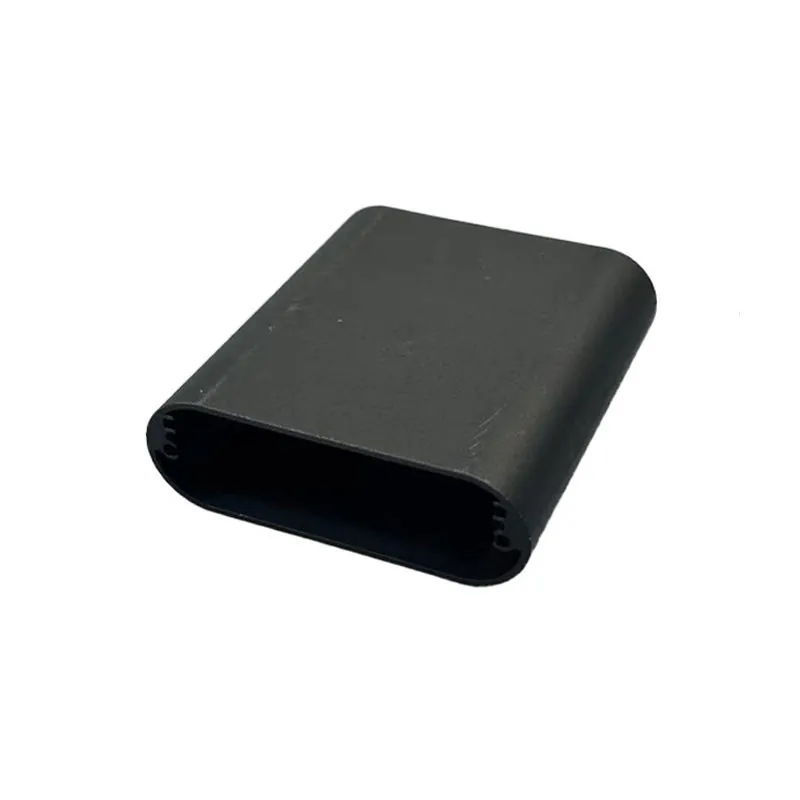
Common Materials for Laser Processing
| Material | Suitability | Notes |
|---|---|---|
| Carbon Steel | Excellent | Clean cuts with oxygen assist |
| Stainless Steel | Excellent | Nitrogen assist prevents discoloration |
| Aluminum | Good (with high power) | Reflective; fiber lasers work best |
| Plastics (Acrylic, ABS) | Excellent | Clean edges, but fumes must be extracted |
| Wood (MDF, plywood) | Excellent | Burns easily; airflow prevents charring |
| Paper/Cardboard | Excellent | Fast, detailed cutting and engraving |
| Fabrics/Textiles | Excellent | Used in fashion, upholstery, interior |
| Ceramics/Glass | Limited (engraving only) | May crack if cut; CO₂ lasers engrave well |
Not every material is safe — PVC, for example, releases toxic gases when cut by laser. Operators must understand which materials are safe and which require special settings or laser types.
Laser Types and Material Matching
- CO₂ Lasers – Great for wood, acrylic, paper, leather, and some thin metals.
- Fiber Lasers – Best for metals (steel, aluminum, brass), very fast and energy-efficient.
- UV / Diode Lasers – Used for engraving plastics, glass, ceramics.
With the right combination of laser power, speed, and assist gas, even thick metals can be cut with a laser, leaving smooth edges ready for assembly.
Where is CNC laser cutting used?
Laser machines are used in far more places than just factories. From custom signage to aircraft parts, CNC lasers are shaping products in every industry.
CNC laser cutting is used in automotive, aerospace, electronics, signage, furniture, packaging, and even fashion industries — wherever precision cutting and clean finishes are required.
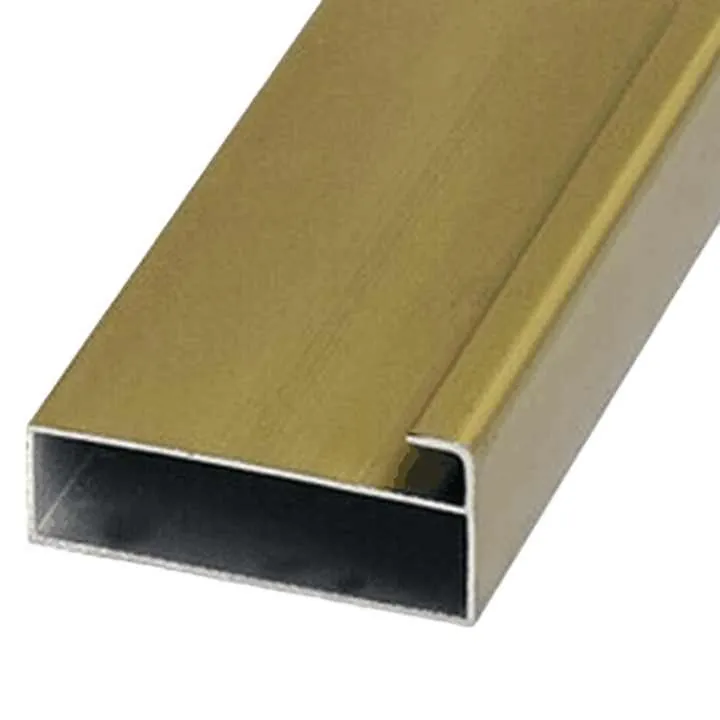
Common Application Areas
| Industry | Example Laser Uses |
|---|---|
| Automotive | Cutting sheet metal parts, dashboards, panels |
| Aerospace | Lightweight components, shims, enclosures |
| Electronics | PCB marking, component housings, connector cuts |
| Furniture | Decorative panels, joint features, branding |
| Packaging | Cutting dies, foam inserts, paperboard |
| Signage | Acrylic signs, lettering, backlit panels |
| Fashion & Textiles | Laser-cut fabrics, branding, design detailing |
| Medical Devices | Surgical tools, custom enclosures, labels |
Laser engraving is also common for personalization: logos, serial numbers, barcodes, and fine details can be added quickly and precisely.
Small businesses use desktop CO₂ lasers for promotional items or custom engraving. Large factories use multi-kilowatt fiber lasers to cut steel sheets 24/7.
Lasers can be found in:
- Workshops
- Job shops
- Mass production lines
- Schools and labs
- Maker communities
In aluminum extrusion, for example, CNC lasers are used to cut slots, trim edges, or engrave serial codes with high repeatability and minimal material deformation.
Conclusion
A CNC laser combines precision, speed, and clean cuts into one powerful machine. Whether you're cutting steel, engraving wood, or marking plastic, laser technology offers a contact-free way to process materials with detail and accuracy. From large factories to small studios, CNC laser systems are reshaping how we cut, mark, and build.