A simple 3‑axis machine sometimes feels limited when parts have curves or angled faces. A 5‑axis CNC machine changes that — it cuts hard shapes with ease.
A 5‑axis CNC machine uses five independent axes of movement to shape complex parts from many directions. It lets the tool and the part rotate and tilt so the cutter reaches every side in one setup.
You will see how the machine moves, why it matters, who needs it, and where it shines most.
How does a 5-axis machine move?
A regular CNC moves only three ways: left-right, front-back, up-down. A 5-axis machine moves two more ways: it spins or tilts. That gives full access to all angles.
A 5‑axis system adds two extra rotary or tilt axes so the cutting head or the part can rotate. That allows the cutter to reach angled or curved surfaces without repositioning the workpiece.
A 5‑axis machine moves with a mix of linear and rotary motions. The linear motions are the familiar X, Y, and Z axes: left-right, forward-back, and up-down. The extra two axes are often called A, B or C, depending on the machine design. One extra axis rotates around X or Y. The other rotates around Z. With these, the cutting tool or the material can tilt and rotate. This allows the machine to approach the part from nearly any direction.
Types of 5‑axis machining
There are two main ways a 5‑axis machine moves:
- Tilt‑head style: The cutting head tilts or rotates in two directions while the table stays fixed. The tool can lean and turn to reach angled surfaces.
- Rotary‑table style: The table holding the workpiece rotates or tilts, while the cutting head moves normally. The part itself moves around so the cutter can reach different faces.
Both styles let the cutter reach complex geometry without moving the part by hand. This saves time and improves accuracy. For example, when making a part with an angled face and a hole on its side, a 5‑axis machine will tilt the head and rotate the table. Then it can drill and mill without re-clamping the part. That reduces positioning error.
Why five axes matter for motion
With five axes, the cutting can follow curved surfaces, angular faces, or deep pockets. The cutter stays perpendicular to the surface, which improves finish and reduces tool wear. Without five axes, you would need multiple setups, repositioning, and manual work. That increases error risk and wastes time.
Axis vs Movement Table
| Axis Label | Motion Type | Common Use |
|---|---|---|
| X, Y, Z | Linear: left/right, front/back, up/down | Rough and simple cuts, basic shapes |
| A / B / C | Rotary or tilt around X, Y or Z | Angled cuts, curved surfaces, complex faces |
As you see, the extra axes let the machine do what a human might do by hand — tilt or rotate the part — but with much more precision.
Because of these five axes, machines can cut parts in one setup. That lowers alignment error. It also speeds production. It helps when you need many complex parts that must match exactly.
Why use 5-axis for complex parts?
Some parts have curved surfaces, angled faces, or pockets hidden deep inside. A 3‑axis machine can only cut from top. That forces extra work. A 5‑axis machine goes around the part. It makes complex shapes with fewer setups.
5‑axis machining handles parts with curves, angles, and complex geometry. It offers precision, faster production, and better finish compared to simpler 3‑axis machining.
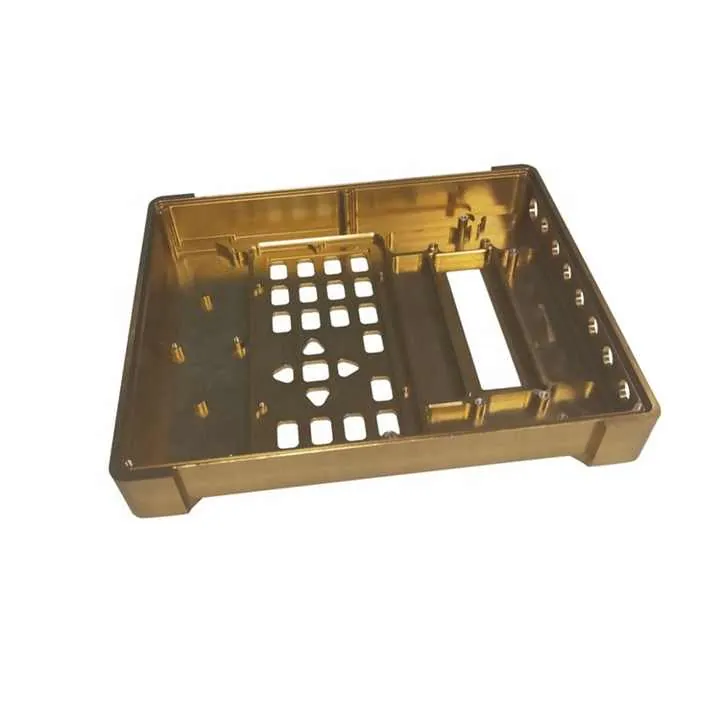
When parts are simple boxes or flat plates, a 3‑axis machine is enough. But many modern parts are not simple. Here are reasons to use 5‑axis for complex parts:
Single‑setup for many surfaces
Parts with multiple faces at odd angles — for example, a part with side slots, angled holes, and curved contours — need many repositionings on a 3‑axis machine. Each reposition risks misalignment. With 5‑axis, the machine reorients automatically. One setup covers many faces. That keeps dimensions tight. It also saves time.
Better surface finish and tool path
When the tool stays aligned with surface normals on a curved shape, it produces smoother surfaces. The surface finish improves. Tool wear reduces because the cutting force is more stable. That matters for parts needing smooth curves or aerodynamic surfaces.
Reduced need for manual work
Complex jobs often need hand finishing or manual trimming if using 3‑axis. 5‑axis reduces or removes manual steps. That lowers labor cost and human error. It also speeds production — especially useful for small batches where setting up many times costs time.
Higher tolerance and repeatability
When parts must fit precisely — in machinery, aerospace, auto, or medical devices — tolerances are tight. 5‑axis machines deliver consistent precision. Once you set up a job, the machine repeats the same motions many times. That means each piece is nearly identical.
Example: A complex contouring part
Imagine a metal housing for a machine. It has a rounded front, two angled mounting holes on sides, and deep internal pockets. With a 3‑axis machine, you might need three or four setups, plus manual finishing. Setup time grows. Risk of error grows. With 5‑axis, you mount once, then machine front curve, side holes, internal pockets — all in one go. That cuts down time and ensures all features align.
In many cases the extra cost of a 5‑axis machine pays off because of time saved, lower scrap, and better quality.
Which industries rely on 5-axis?
Many fields build parts with complex shapes or high precision. Those industries often use 5‑axis CNC for reliable production.
Industries like aerospace, automotive, medical devices, energy, and mold manufacturing benefit most from 5‑axis machining for complex and precise parts.
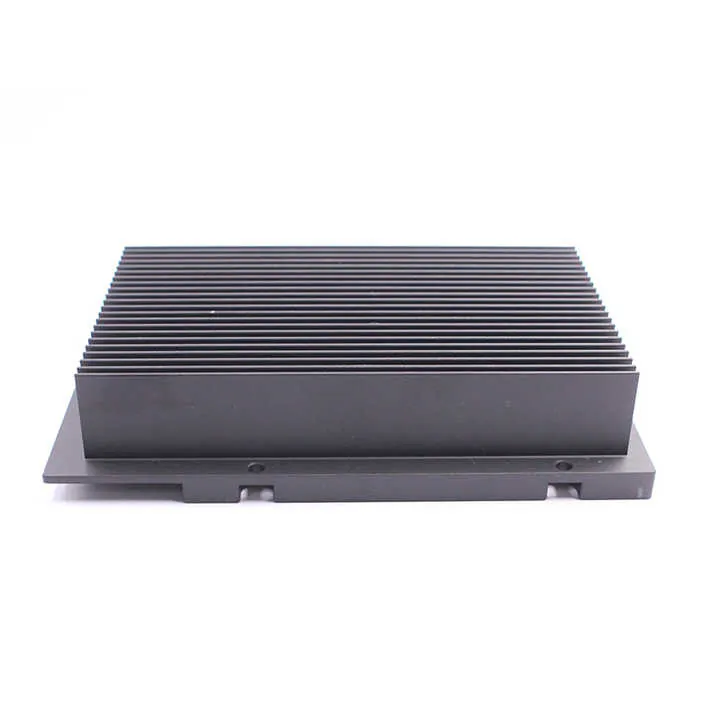
Here are key industries and why they use 5‑axis machines.
Aerospace and defense
Aircraft components — wings, turbine parts, brackets — often have curved surfaces, thin walls, and complex geometry. Tolerances are tight. 5‑axis CNC lets shops cut titanium, aluminum, or composite parts with high precision. It also helps align parts that must fit perfectly under stress or vibration.
Automotive and motorsport
Engine blocks, cylinder heads, gearbox housings, custom chassis parts often need complex shapes for performance and weight. 5‑axis machining cuts those shapes accurately and repeatably. That helps with performance, durability, and mass production.
Medical devices and implants
Prosthetic parts, surgical instruments, housings for medical devices often need high precision, smooth surfaces, and complex geometry. 5‑axis CNC ensures body-fit surfaces, tight tolerances, and repeatable quality — all important for safety and reliability.
Mold and tool making
Injection molds, die-casting molds, stamping dies often have complex cavities and contours. 5‑axis machining helps produce them precisely. This ensures proper molding surfaces and longer die tool life. It also speeds up tool production, reducing lead time.
Energy and aerospace parts like turbines and pumps
Turbine blades, pump housings, generator parts often require complex curved surfaces and tight tolerances to work efficiently. 5‑axis machining helps produce such parts with high quality and tight balance tolerances.
Industry vs Use Case Table
| Industry | Common 5‑Axis Use | Why 5‑Axis Matters |
|---|---|---|
| Aerospace | Turbine blades, structure parts | Curves, tight tolerances, strength |
| Automotive | Engine parts, custom chassis | Precision, repeatability, volume |
| Medical | Implants, surgical tools, housings | Smooth surfaces, complex geometry |
| Mold & Tooling | Molds, dies, tooling masters | Complex cavities, high accuracy |
| Energy / Pumps | Blades, housings, turbine parts | Efficiency, curved surfaces, precision |
Many modern factories that supply parts for global clients rely on 5‑axis CNC because it reduces errors and ensures consistent output. For custom orders or parts with tight specs, a 5‑axis machine is often the only practical option.
Where do 5-axis machines excel?
A 5‑axis CNC machine shows its strengths when parts are complicated, production runs small or medium, and quality standards are high. It shines in these scenarios more than regular machines.
5‑axis machines excel in jobs requiring complex geometry, tight tolerances, fewer setups, and high surface quality. They outperform simpler machines on precision, speed, and efficiency.
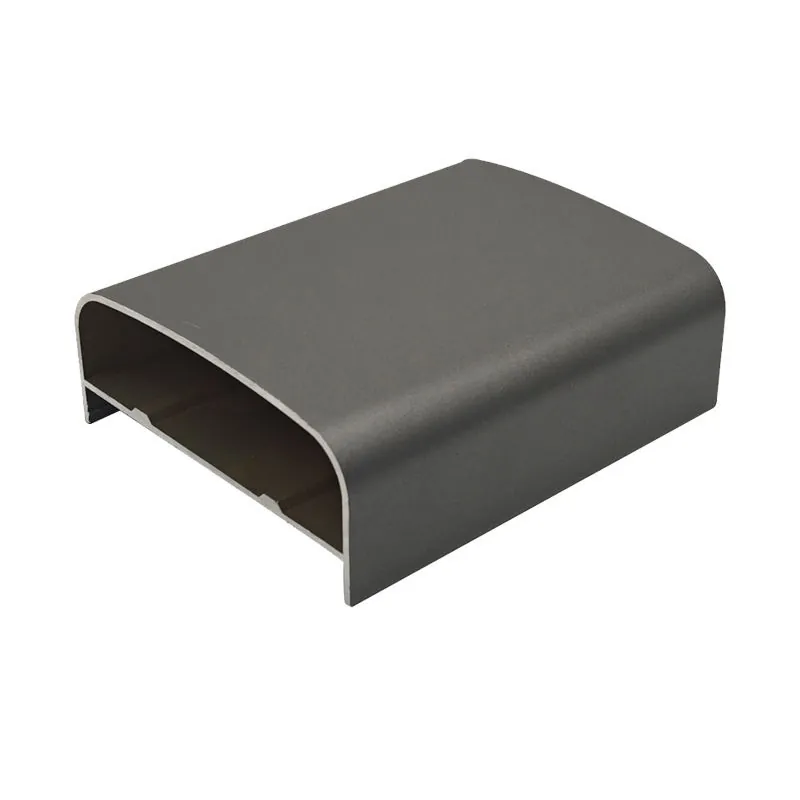
Best situations for 5‑axis
Complex geometry and curves
Whenever a part has multiple angled faces, rounded surfaces, or internal contours, 5‑axis offers the best tool access. It can swing the cutter around the part. That ensures accurate and clean cuts. That is hard or impossible with 3‑axis without manual repositioning.
Tight tolerance and critical alignment
When features must align precisely — like holes on angled surfaces, curved mating faces, or symmetrical parts — 5‑axis reduces setup error. Once the part is fixed, all cuts come from a single coordinate system. That keeps features aligned across surfaces.
Reducing setups and manual handling
Each setup on a machine adds time and risk. A 5‑axis machine often completes a job in one setup. Less handling means lower risk of damage, lower labor, and shorter lead time. That helps for prototyping or small-batch production where speed matters.
Better surface finish
When machining curved or sloped surfaces, the cutter alignment stays constant with 5‑axis. That gives smooth surface finish. It also reduces tool wear. For parts that need polishing, painting, or aerodynamic surfaces, this is a big advantage.
Comparison with 3‑axis vs 5‑axis
| Feature / Requirement | 3‑axis CNC | 5‑axis CNC |
|---|---|---|
| Simple flat parts | Good | Still ok, but cost higher |
| Parts with curves or angles | Many setups needed | One setup, easier, precise |
| Tight tolerances | Harder to maintain | High repeatability and precision |
| Surface finish quality | Acceptable | Smoother for complex shapes |
| Labor and handling time | Higher | Lower setups, less manual work |
If a part needs simple holes or flat cuts, 3‑axis is fine. But when parts become complex in shape or geometry, 5‑axis really wins. It reduces mistakes, saves time, and ensures all features align. It also lowers cost when many features or tight tolerances are involved.
When 5‑axis is not needed
For flat panels, simple parts, or mass production of simple shapes, a 3‑axis machine may be more cost-effective. The extra cost of a 5‑axis machine and programming may not justify the gain.
But for modern parts with curves, precision demands, or low-volume custom jobs, the 5‑axis machine shines. It often pays for itself by saving labor, reducing scrap, and enabling designs that are impossible otherwise.
Conclusion
A 5‑axis CNC machine extends basic three‑axis movement with two rotary or tilt axes. That enables complex cuts, curves, and angled surfaces in a single setup. For aerospace, automotive, molds, medical devices, and custom parts, 5‑axis machining delivers precision, efficiency, and quality that simpler machines cannot match.