I once searched for an affordable extrusion price and was shocked. The number looked much higher than expected for what seems like just shaping metal. Many people feel the same surprise when they see the final cost.
Aluminum extrusions cost a lot because many steps require specialized machines, time, skilled work, and high‑quality raw materials. These add up fast.
If you want to know what drives the cost up, keep reading. I break down each key factor that makes extrusion expensive. This can help you understand your quote better and plan smarter orders.
What factors increase extrusion cost?
I remember seeing a quote that looked simple. But when I asked for details, the breakdown was long. That showed me many hidden cost drivers.
Extrusion cost rises because of raw material price, energy, labor, surface work, waste, and custom requirements.
Raw material cost
The cost of aluminum ingots (or billets) is the base. If aluminum prices go up worldwide, the extrusion price goes up too. Good aluminum alloys cost more. Buying small batches often costs more per kilogram than large volumes.
Energy and power use
To heat and press aluminum in an extrusion press, workers use lots of electricity or gas. High energy costs add heavily to overall price.
Machine setup and labor
Extruding aluminum takes large presses and skilled operators. Setup time includes heating, aligning dies, adjusting speed. Skilled labor cost adds to the final price.
Waste and yield
Not every part of the billet becomes useful product. Some is cut off or trimmed. Scrap aluminum must be processed or recycled. That waste increases cost per usable unit.
Post‑processing and finishing
Many projects need anodizing, powder coating, CNC machining, cutting, punching, or bending. Each extra process adds cost. If a profile needs many steps, cost rises sharply.
Custom or small orders
If you order a small batch or custom shape, the fixed costs (like setup, quality control, tooling) spread over few units. That raises the price per part.
Tolerance and quality needs
Tighter tolerances, strict quality checks, or additional documentation increase cost. High precision takes more care and time.
Together, these factors often explain why a simple looking extrusion might cost more than expected.
Here is a rough cost‑driver breakdown:
| Cost Driver | Effect on Price |
|---|---|
| Raw material (alloy) | High alloy cost raises base price |
| Energy consumption | Heating and pressing consume power |
| Labor and machine time | Skilled work and machine hours add up |
| Waste and yield loss | Scrap increases cost per usable unit |
| Post‑processing | Finishing and machining add costs |
| Small or custom orders | Less volume means higher per-part cost |
| Tight tolerances | Extra time and inspection needed |
When you see a high extrusion quote, often several of these cost drivers apply.
Many buyers only see the final price. They don’t know about billet cost, energy cost, or waste. Once you know these factors, the high price makes more sense.
Why alloy type influences pricing?
Choosing a basic alloy seems cheap. But sometimes stronger alloys cost much more. I learned this when I asked for a 6063‑T5 extrusion versus 6061‑T6. The difference surprised me.
Alloy type changes price because different alloys have different raw cost, processing difficulty, and scrap rate. Stronger or special alloys cost more.
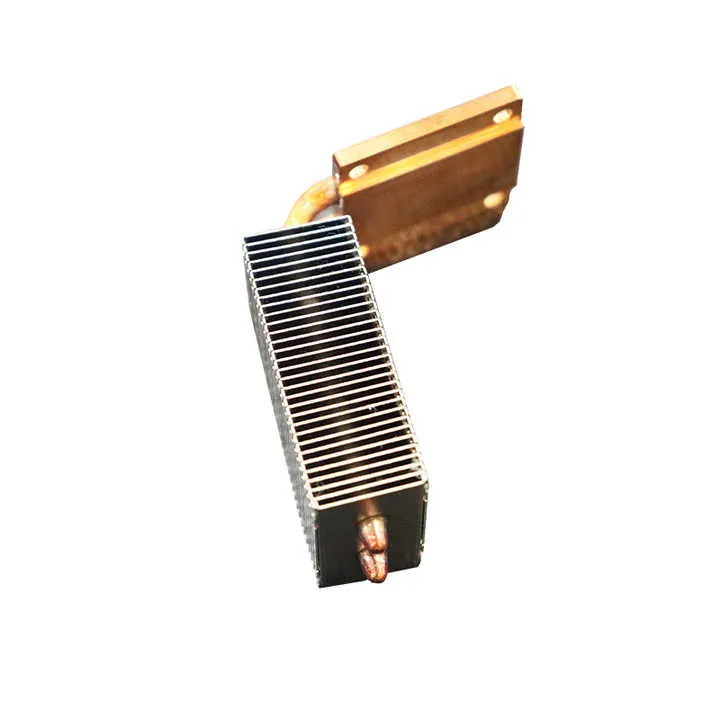
Basic alloy differences
A common alloy like 6063‑T5 is widely used for general structural profiles. Its raw material price stays relatively stable. Processing is easier. Scrap rate is low if profile is simple. That keeps cost moderate.
A stronger alloy like 6061‑T6, or special alloys, has higher cost. The billet may cost more. Processing may need different temperature, slower press speed, or extra cooling. That adds cost.
Extra processing steps
Some alloys require extra heat treatment, age hardening, or special cooling. These steps use additional energy and time. That increases the processing cost.
Scrap rate and yield loss
Harder alloys can be more brittle when shaped. That increases scrap or rejects. More scrap means higher cost per good piece.
Supply and demand factor
If an alloy is rare or demand is high globally, raw material cost rises. That cost passes on to the buyer.
Surface finish compatibility
Certain alloys respond differently to surface treatments (like anodizing, painting, powder coat). If an alloy needs special preparation for finishing, that adds cost.
Here is a quick comparison:
| Alloy | Raw Material Price | Processing Difficulty | Scrap Rate | Typical Use |
|---|---|---|---|---|
| 6063‑T5 | Low to mid | Easy | Low | Window frame, standard profile |
| 6061‑T6 | Mid to high | Medium | Medium | Structural, strong parts |
| Special alloys | High | Hard or careful | Higher | High load, special parts |
If a project tries to use strong alloy for a basic profile, cost jumps without extra benefit. That happens when buyers ask for more strength than needed.
In some cases, buyers choose a high‑grade alloy for general use. That shows lack of clarity about design needs. When design needs are clear, alloy choice can save money.
When I quote for clients, I often ask: "Do you really need 6061‑T6, or will 6063‑T5 do?" Choosing the right alloy avoids unnecessary cost.
How tooling fees impact overall cost?
Tooling seems like a one‑time fee. But it often hides as a big part of the total cost. I found this when a client asked for a custom profile. The tooling fee doubled the first batch cost.
Tooling fees raise the first batch cost significantly because you design, build, test a custom die before producing anything.
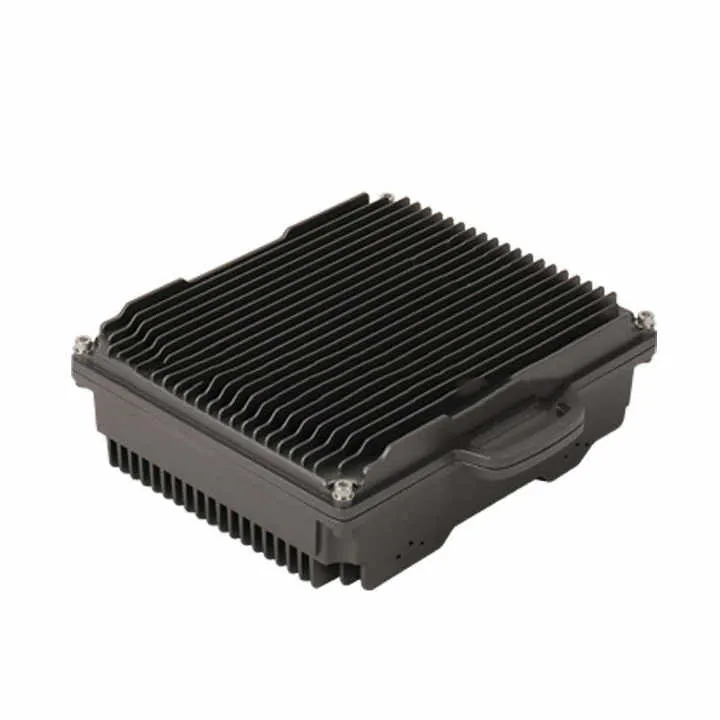
What is tooling in extrusion?
Tooling means the custom die or mold that shapes the aluminum. For custom profiles, factories must design and build a new die. Building the die needs time, skilled work, and often CNC machining or EDM.
One‑time but big cost
Die creation might cost hundreds or thousands of dollars (or more), depending on complexity. If you order few pieces, that fee becomes large per item.
If the same die will be used again, cost spreads over more units. But if you never repeat the order, the cost stays as overhead for first batch.
Die testing and adjustments
After making a die, factory must test and adjust it. That may take several trial extrusions. Each test uses aluminum, energy, time. Those test runs may not produce perfect parts. That waste adds up.
Risk and die wear
If the profile is complex, the die can take damage or wear faster. Factory may compensate by using higher quality die materials. That costs more.
Shipping and rework if needed
If die fails test, factory may need to rework tools or re‑make them. That repeats the cost. If client changes design after die making, cost increases further.
Here is a table showing cost spread by order volume:
| Order volume | Tooling fee per part (if $1,000 die) | Why cost is high or low |
|---|---|---|
| 100 pieces | $10 per piece | Cost spread over many units, acceptable |
| 1,000 pieces | $1 per piece | Lower per part cost, more efficient |
| 10,000 pieces | $0.10 per piece | Very low per part cost, die cost negligible |
| Single or small run | $50–$100+ per piece | High cost due to small volume |
When I explain quotes, I show tooling cost separately. That helps clients understand that first‑time tooling causes a high price. Later batches become cheaper.
Many buyers reject high first‑time quotes without realizing that repeat orders will cost much less.
If you expect to reorder the same profile, tooling fee becomes a tiny part of cost. If you only need one small batch, tooling dominates price.
Therefore, design stability and planning ahead matter. If you redesign often, cost will stay high.
Can bulk orders reduce expenses?
When I offered bulk orders to several clients, some doubted savings. They thought buying more at once wastes cash. But cost per part fell significantly when they accepted my suggestion.
Bulk orders lower the cost per piece because they spread fixed costs, reduce waste impact, and improve yield.
Spreading fixed costs
When you buy many pieces, the fixed costs — billet cost, tooling, setup, machine time — are shared across more units. That lowers cost per piece.
Better yield and lower scrap ratio
For long runs, factories optimize press speed and reduce waste. Scrap aluminum becomes smaller portion. That lowers the cost per useful part.
Lower shipping and handling per unit
If you order in bulk, shipping cost per part drops. Packing, handling, and logistics become more efficient.
Economies of scale for finishing
Surface treatments (like anodizing, powder coating) have overhead. Large lots spread that overhead across many units. That reduces finishing cost per part.
Negotiation leverage
Large orders give bargaining power. Factory may offer better pricing on billet, finishing, or labor. They may run your order when they have idle time. That cuts cost further.
Here is a simplified cost‑per‑unit estimate at different volumes:
| Order Quantity | Estimated Cost per Unit | Relative Savings |
|---|---|---|
| 100 pieces | High | — |
| 1,000 pieces | Medium | ~20–30% less |
| 10,000 pieces | Low | ~40–50% less |
| 50,000 pieces | Lowest | ~50–60% less |
I often recommend clients to plan for larger orders. That lowers cost and simplifies supply chain.
Bulk orders also reduce lead time per unit and make forecasting easier. Factory sees long‑term demand and can schedule accordingly.
However, bulk orders need proper storage and demand planning. Holding inventory costs money. Make sure the order volume fits project needs.
For companies working on long projects or repeated orders, bulk ordering pays off. For one‑time small projects, savings are limited.
Conclusion
Aluminum extrusion seems simple. But many hidden factors drive cost: raw materials, energy, labor, scrap, finishing, tooling, and order size. Choosing correct alloy, planning volume, and reordering shapes cost a lot. Understanding these helps you make smarter decisions and save long term.