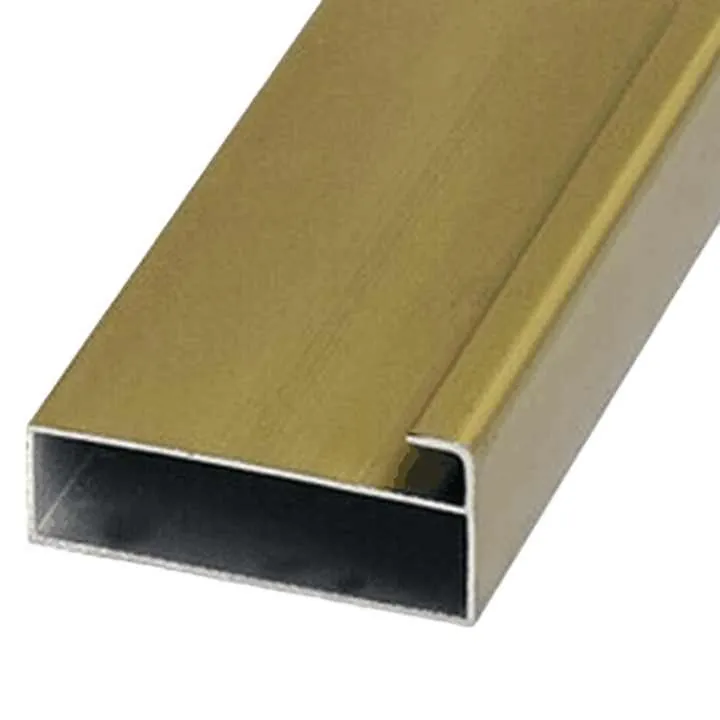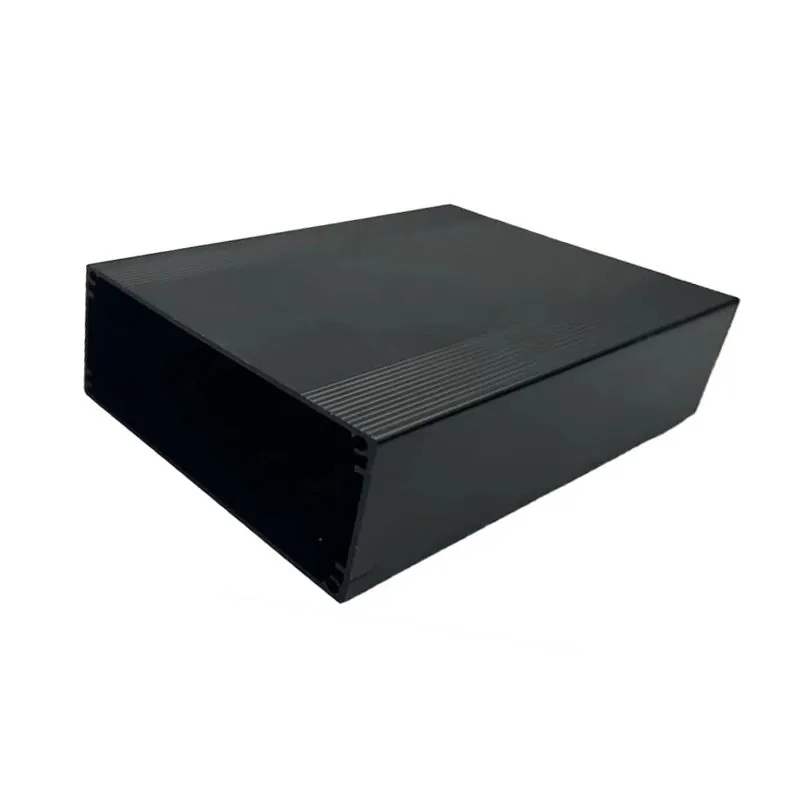
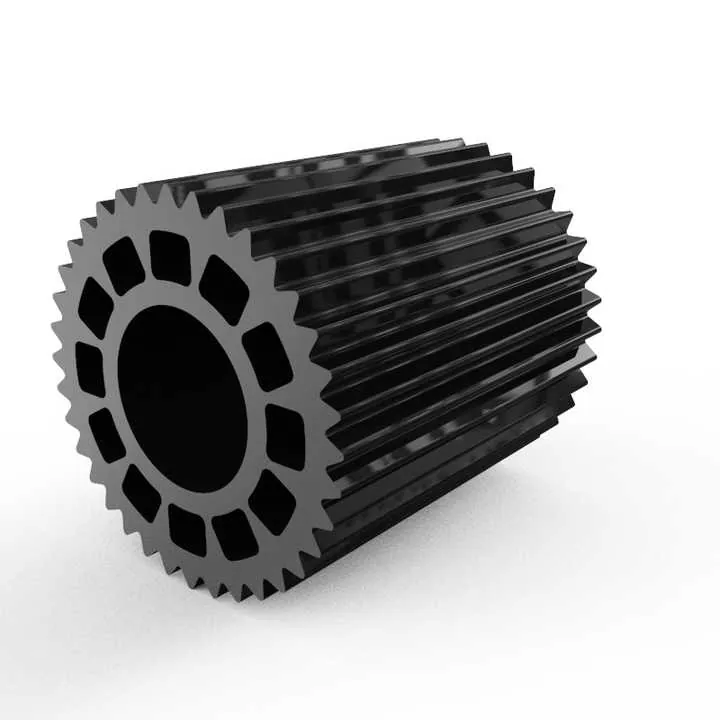
You’ve probably seen “CNC machined” on product specs or supplier websites—but what does that really mean? Is it just about using a machine, or something more?
CNC machined refers to parts or products that have been manufactured using Computer Numerical Control machines, which precisely cut or shape materials based on digital instructions.
When something is CNC machined, it’s not just “cut” or “drilled”—it’s engineered to tight tolerances using automated equipment. This ensures every detail matches the design. Let’s explore what this means and why it matters.
What does it mean to have something CNC machined?
Hand tools can't match the accuracy and speed of CNC. So when a product is CNC machined, you're getting technology-backed precision.
To have something CNC machined means it was produced by a computer-controlled tool that shapes material into a specific form, usually by cutting away unwanted sections.
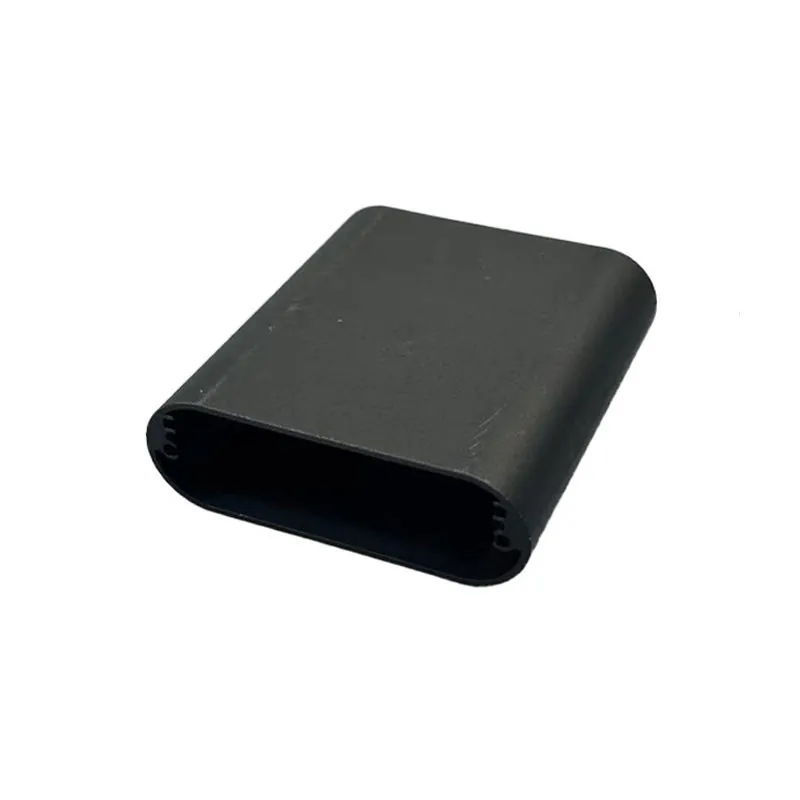
The “CNC” part stands for Computer Numerical Control. It means the machine operates based on programmed commands, not manual operation. A designer creates a digital model. That model is turned into G-code. The CNC machine then follows that code to cut, drill, or mill the raw material into its final shape.
CNC Machining Process Overview:
- CAD Modeling – Create a 3D model using design software
- CAM Programming – Convert model to toolpaths and G-code
- Machine Setup – Load raw material and set tools
- Machining – Automated cutting, drilling, or milling begins
- Finishing – Parts are deburred, cleaned, or anodized
CNC machines can create:
- Flat surfaces
- Curved contours
- Threads and grooves
- Holes and slots
- Engraved text or logos
A CNC machined part is often stronger and more precise than one made by hand or cast in a mold. And if you need 1,000 identical parts, CNC makes that possible without variation.
CNC Machining Equipment:
| Machine Type | Function |
|---|---|
| CNC Mill | Cuts material along multiple axes |
| CNC Lathe/Turner | Spins material while cutting symmetrical shapes |
| CNC Router | Great for wood, plastics, soft metals |
| CNC EDM | Uses sparks to shape metal with fine detail |
| CNC Grinder | For ultra-smooth finishes and tight tolerances |
Why choose CNC machining for precision?
Some parts need to be perfect. A slight mismatch could cause leaks, failures, or breakdowns. CNC machining solves this with accuracy.
CNC machining is chosen for precision because it delivers consistent, repeatable results with tight tolerances, ensuring high-performance parts in critical applications.
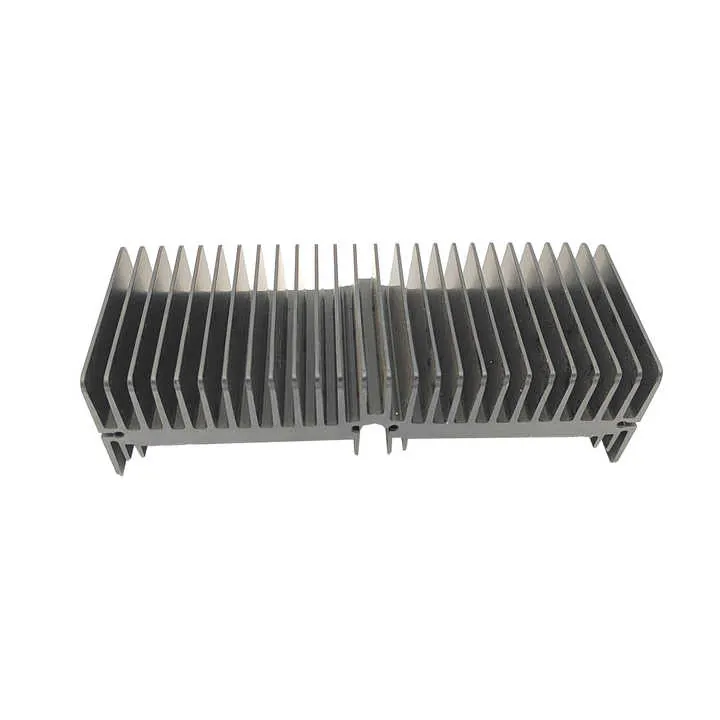
Because CNC machines are automated, the same program can produce parts again and again with zero variation. Tool movement is measured down to microns. Sensors can even adjust for minor tool wear during production.
Precision Advantages:
| Feature | CNC Machining Benefit |
|---|---|
| Tolerance Control | Achieves ±0.01 mm or tighter |
| Surface Finish | Smooth, ready-to-assemble parts |
| Repeatability | Identical results across production runs |
| Complex Geometry | Handles curved, angled, or intricate designs |
| Tool Path Accuracy | Moves with exact digital instruction |
CNC machining also reduces human error. Unlike manual methods, operators don’t make cuts by eye. The machine does exactly what the code tells it to do.
Ideal Use Cases for CNC Precision:
- Aerospace turbine blades
- Medical implants
- Engine pistons and valves
- Robotics arms and joints
- Custom mechanical parts
These parts can’t afford to be “close enough.” They need precision, and CNC delivers it every time.
Which materials are commonly CNC machined?
Not all machines handle all materials. But CNC machining works with a wide range of metals and plastics.
Common CNC machined materials include aluminum, steel, stainless steel, brass, titanium, as well as plastics like ABS, nylon, and PTFE.
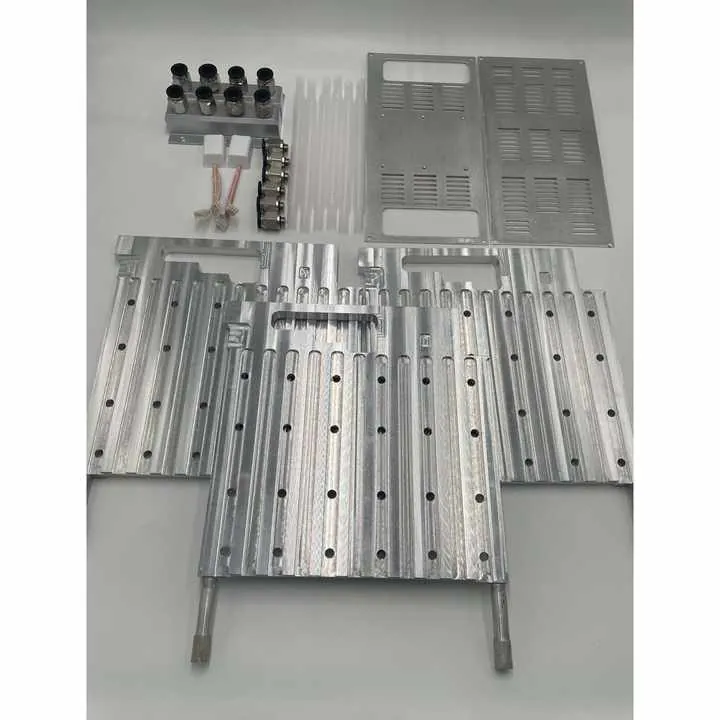
CNC machines are versatile because they don’t rely on heat (like casting) or molds. Instead, they remove material by force, allowing many types of stock to be shaped.
Popular Metals for CNC Machining:
| Material | Properties | Applications |
|---|---|---|
| Aluminum | Lightweight, corrosion-resistant | Aerospace, automotive, electronics |
| Steel | Strong, affordable | Machinery, tools, structural parts |
| Stainless Steel | Corrosion-resistant, strong | Medical, food industry, marine |
| Brass | Easy to machine, good finish | Valves, fittings, instruments |
| Titanium | Strong, lightweight, biocompatible | Medical implants, aerospace parts |
Popular Plastics for CNC Machining:
| Plastic | Properties | Applications |
|---|---|---|
| ABS | Tough, impact-resistant | Enclosures, prototypes, consumer goods |
| Nylon | Low friction, good wear resistance | Gears, bushings, mechanical parts |
| PTFE (Teflon) | Non-stick, high-temp resistance | Seals, gaskets, food equipment |
| Delrin (POM) | Rigid, high strength | Precision bearings, electrical parts |
| Polycarbonate | Strong, transparent | Shields, lighting components |
Material choice depends on strength, weight, corrosion resistance, and appearance. CNC machining adapts easily to different materials just by changing tools and speeds.
Where is CNC machining used?
From phone parts to aircraft engines, CNC machining touches almost every modern industry.
CNC machining is used in aerospace, automotive, electronics, medical, construction, and robotics to create precision parts that must meet tight specifications and high safety standards.
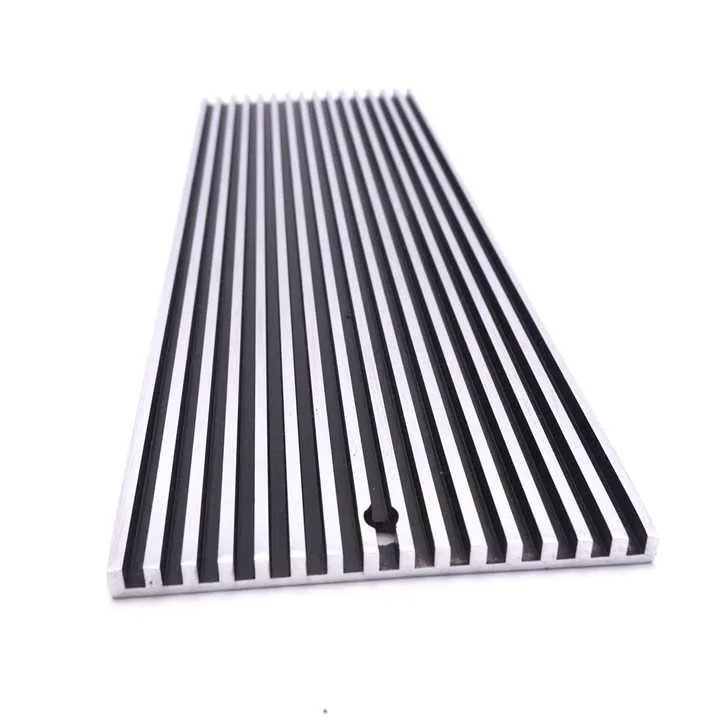
CNC machining is both flexible and scalable. It supports everything from one-off prototypes to mass production runs.
Applications by Industry:
| Industry | CNC Machined Components |
|---|---|
| Aerospace | Engine mounts, brackets, turbine blades |
| Automotive | Gearboxes, engine components, suspensions |
| Medical | Bone plates, dental implants, surgical tools |
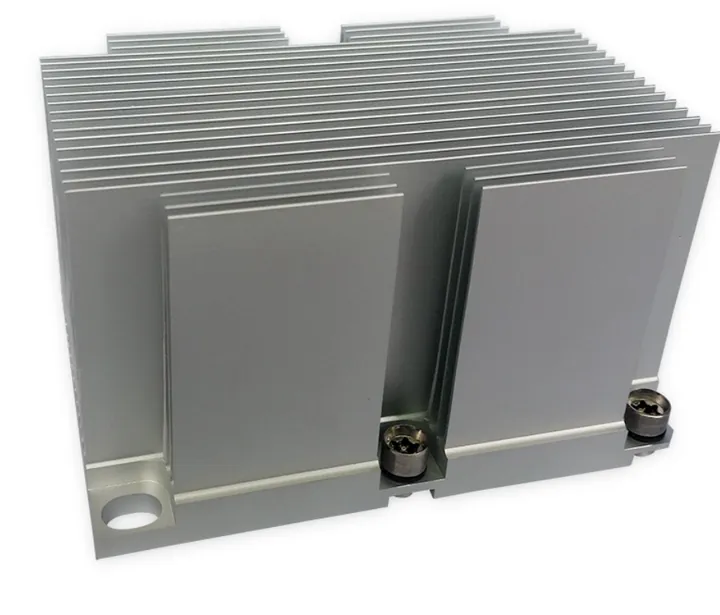
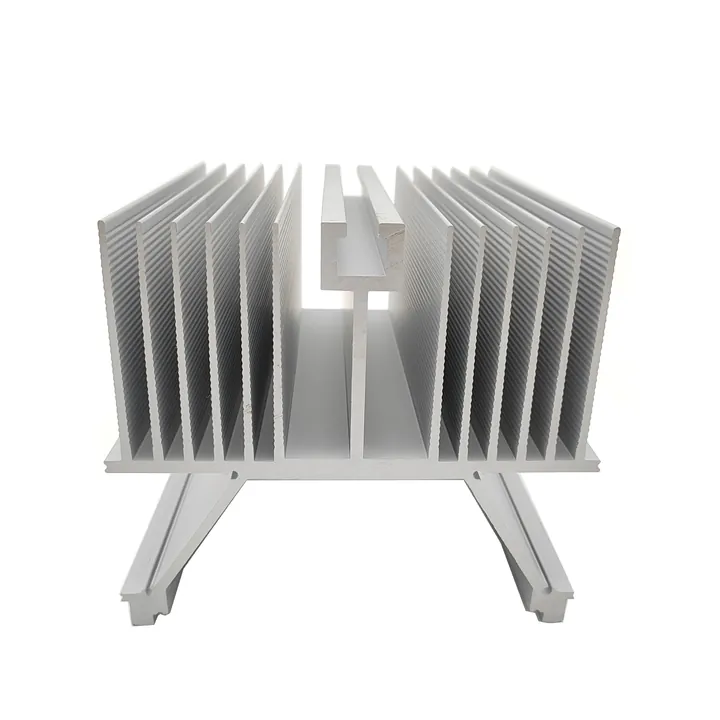
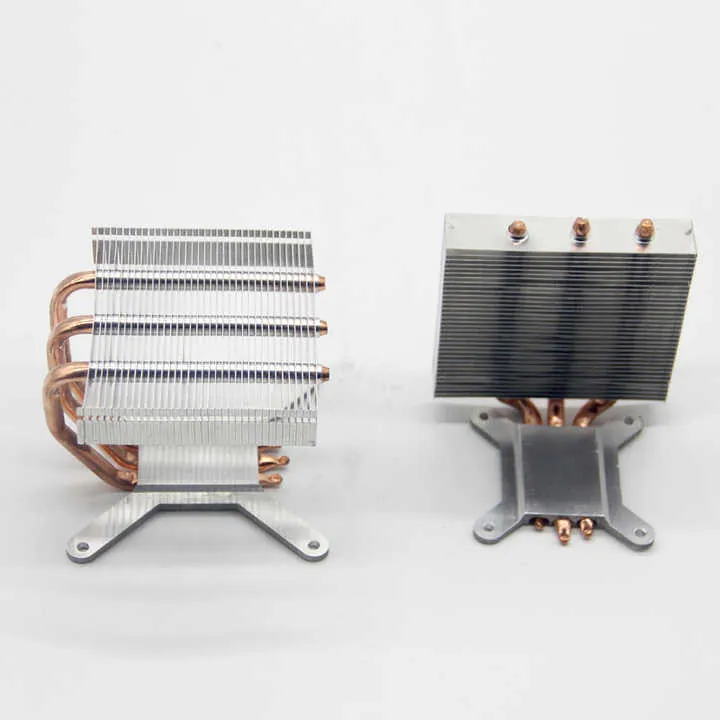
| Electronics | Aluminum housings, heat sinks, fixtures |
| Construction | Window frames, support hardware, fasteners |
| Robotics | Gears, linkages, structural arms |
Common Products That Are CNC Machined:
- Engine blocks
- Laptop frames
- Custom brackets
- Surgical scissors
- Drone parts
- Tool handles
- Connector housings
CNC machining is also ideal for rapid prototyping. You can test a design in metal or plastic within hours, instead of waiting weeks for molds.
Conclusion
When something is CNC machined, it means it was shaped with speed, accuracy, and digital precision. Whether it’s aluminum, steel, or plastic, CNC machining makes it possible to create complex, functional, and repeatable parts for industries that demand the best.