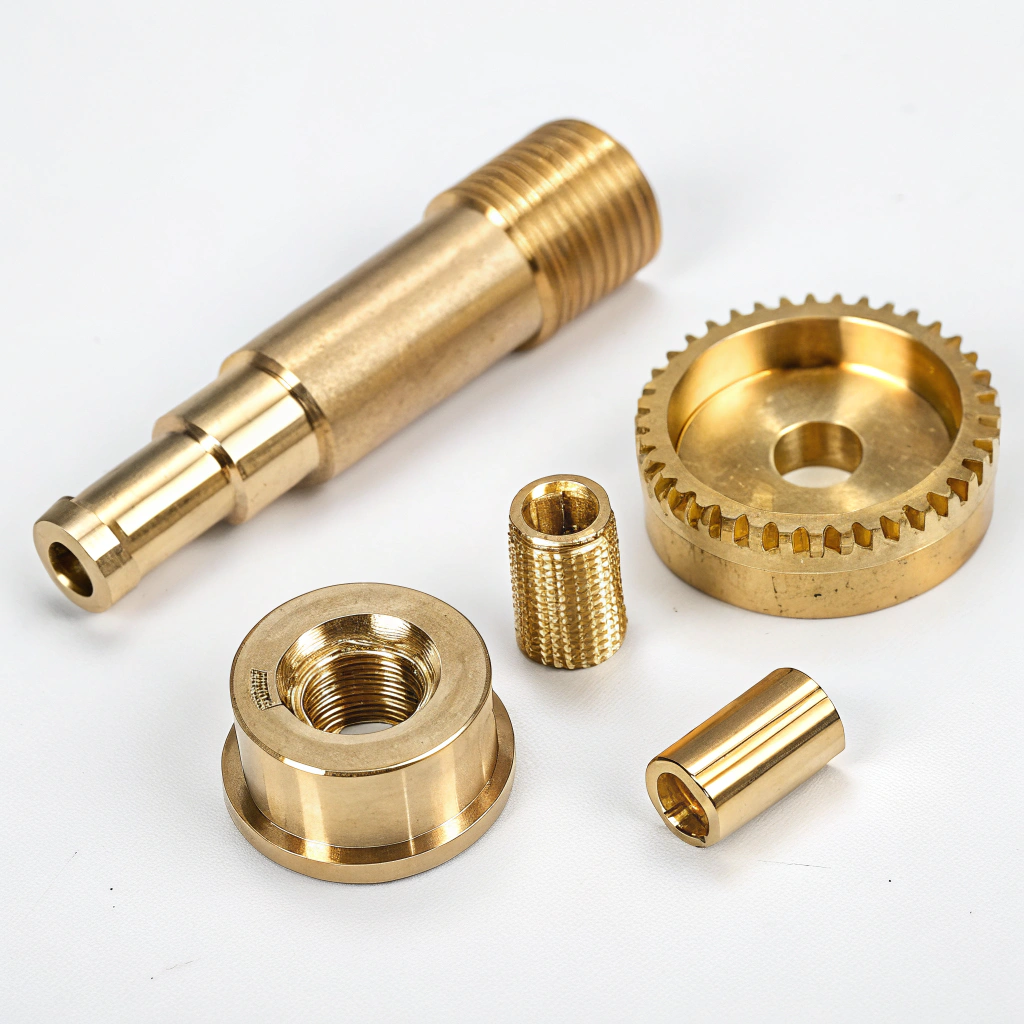
Brass parts often look simple, but they hide problems that appear during machining. Many buyers face slow delivery and poor precision, so they search for a stable machining method.
Brass CNC service is a machining process that uses computer-controlled tools to cut brass into accurate shapes with stable quality and repeatable tolerance. It offers fast production, clean edges, and good surface finish for industrial use.
This idea opens the door to a bigger picture. A clear view of CNC machining helps buyers understand why many companies trust CNC when they need high-precision brass parts.
What is a CNC service?
Problems appear when manual machining cannot keep tight tolerance or stable output. Many factories also struggle when designs change often, so they need a flexible and repeatable method.
A CNC service uses computer-programmed machines to cut, drill, mill, or turn materials to match a digital design. The service gives accurate parts, stable tolerance, and fast repeatability for many industries.
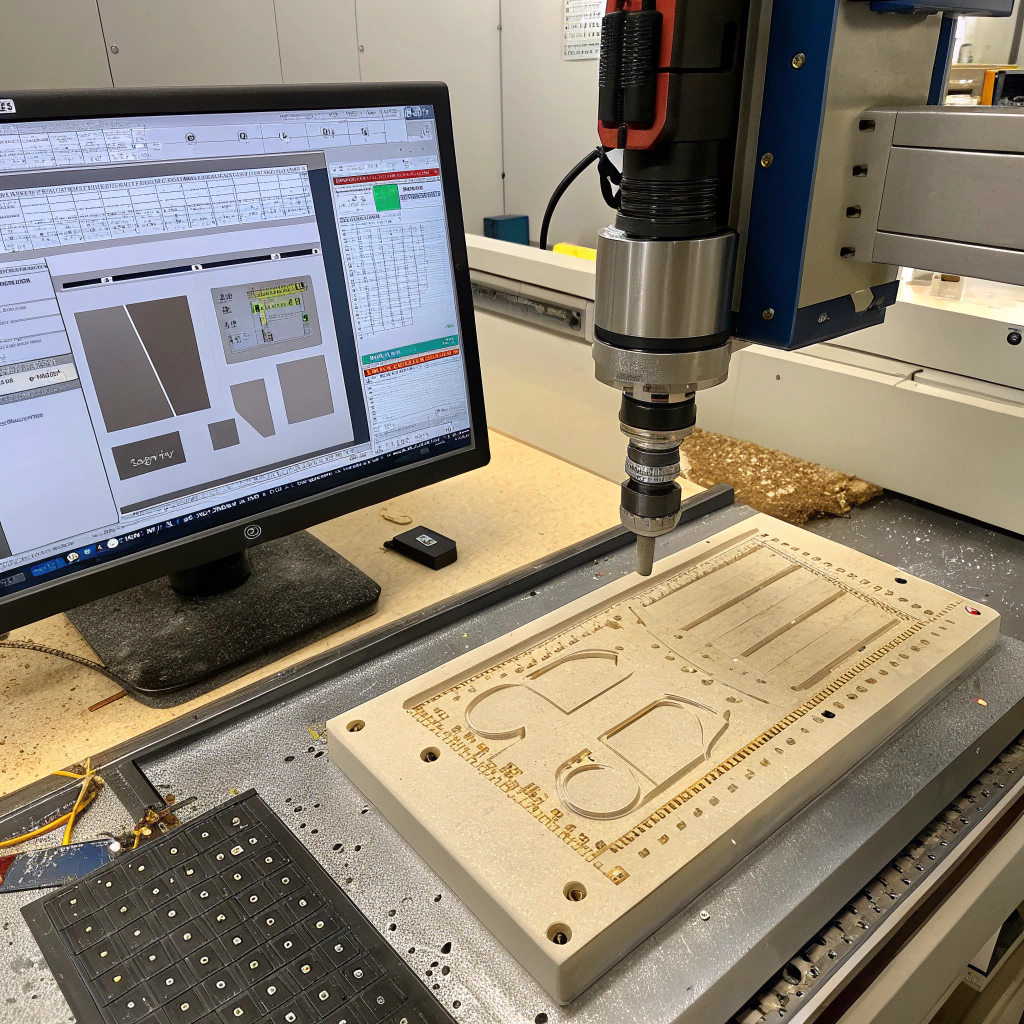
CNC service covers many actions, so a clear view of the basics helps. CNC stands for “computer numerical control.” The machine reads a code that tells the tool how to move. This code creates stable paths that repeat without error. CNC machining works for metals, plastics, and composites, so it is common in automotive, electronics, medical, construction, and energy fields.
How CNC service works
A CNC service follows these simple steps:
- A digital design (CAD file) is created.
- The design converts into toolpaths (CAM file).
- The CNC machine reads the code.
- The machine cuts the material into shape.
- The part is checked and finished.
Every step matters because small mistakes can grow during mass production.
Common CNC methods
| CNC Method | What It Does | Best Use Cases |
|---|---|---|
| CNC Milling | Removes material with rotating cutters | Flat surfaces, pockets, slots |
| CNC Turning | Spins material while a tool cuts | Round shapes, shafts, rings |
| CNC Drilling | Creates holes | Threading, tapping, hole series |
| Multi-Axis CNC | Moves in 4–5 axes | Complex curves, tight geometries |
CNC services give consistent quality, which helps buyers who need stable parts for assembly lines or equipment.
Is brass hard to CNC?
Many people think brass is very soft and easy to cut. But problems appear when tools wear out, chips stick to surfaces, or machines run at the wrong speed.
Brass is not hard to CNC. It is one of the easiest metals to machine because it cuts cleanly, holds tight tolerance, and gives smooth edges with less tool wear.
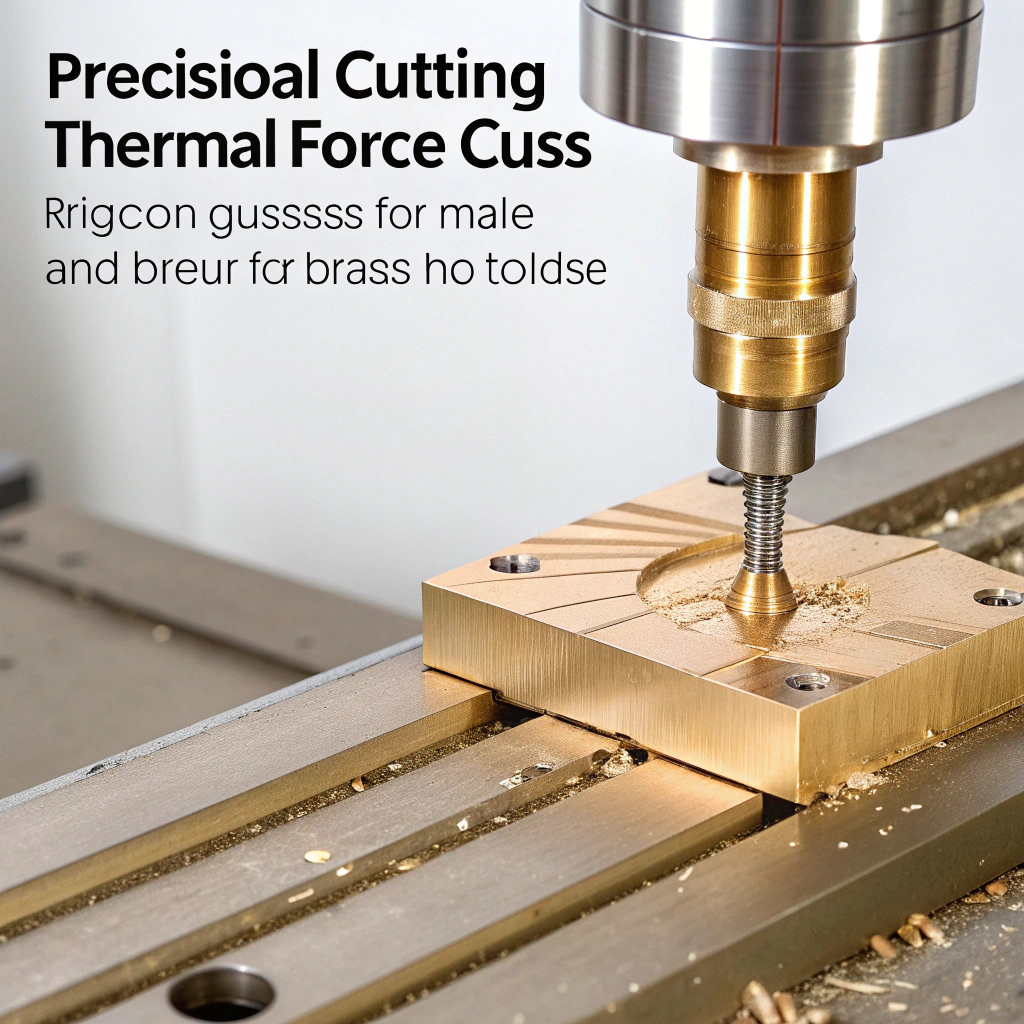
Brass has a good balance of softness and strength. This balance creates a clean cut under sharp tools. Most CNC operators enjoy working with brass because it forms small chips and does not produce sparks. But the wrong feed rate or coolant can still cause trouble.
Why brass behaves well in CNC machining
Here are key reasons brass is friendly for CNC machining:
| Reason | Explanation |
|---|---|
| Low hardness | Tools cut it without heavy pressure |
| Good thermal control | Brass does not build heat fast |
| Stable structure | Edges stay sharp and clean |
| Easy chip break | Chips fall away without clogging |
Notes from practical projects
In my work, brass kept stable performance when the toolpath was smooth and the cutting speed matched the alloy grade. Small design details, like thin walls or sharp corners, needed slower speeds. When the geometry was complex, I reduced the depth of cut to keep the part stable. These steps protected the surface finish and made the process faster in the long run.
Small mistakes that cause big problems
- Running the spindle too slow
- Using dull tools
- Forgetting coolant in deep cuts
- Forcing long cuts without chip removal
When these mistakes appear, brass can chatter or warp. But with small adjustments, brass stays one of the easiest metals to machine.
Is brass difficult to machine?
Some buyers confuse “soft metal” with “easy machining.” Soft metals can still create problems if the setup is wrong. This leads to slow delivery and rejects.
Brass is not difficult to machine. It is easier than steel and many aluminum alloys because it keeps stable form, resists deformation, and accepts tight tolerance with clean surfaces.
The idea looks simple, but many things shape the final result. Understanding these points helps buyers design parts that run smoothly in CNC production.
Factors that affect brass machining
1. Brass Alloy Grade
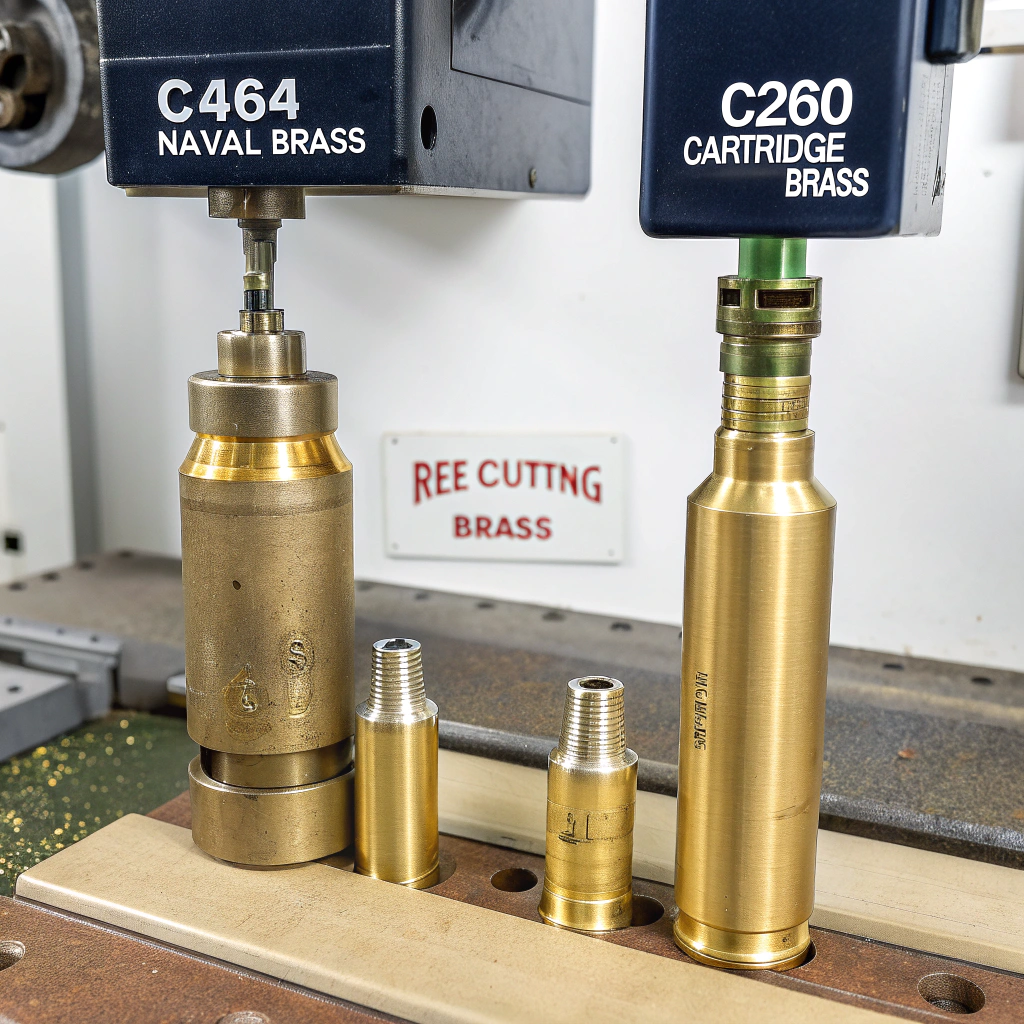
Different alloys behave in different ways. For example:
- C360 (Free-Cutting Brass): Very easy to machine
- C260 (Cartridge Brass): Softer, may require lower speed
- C464 (Naval Brass): Stronger, needs sharper tools
2. Tool Geometry
Tool shape affects how chips fall. Sharp, positive-rake tools work best with brass.
3. Machine Stability
A firm setup reduces vibration and gives better surface finish.
4. Heat Control
Even though brass controls heat well, coolant is still important in deep pockets.
Step-by-step look at machining behavior
A CNC machine cuts brass in a predictable way. When the spindle enters the brass bar or plate, the chips break fast. The cut stays smooth because the metal structure has good density. When the tool moves around corners, the metal holds shape. This gives accurate parts even at thin walls.
Bad results often come from design limits. If the model includes fine holes, tiny ribs, or deep narrow pockets, the operator must reduce speed. These actions extend time, but they keep the part stable.
Common machining challenges and simple fixes
- Burrs: Reduce feed rate and add chamfer.
- Vibration: Shorten tool length and raise spindle speed.
- Tool wear: Use carbide tools.
- Rough surfaces: Adjust depth of cut and add finishing pass.
These fixes remove problems and keep brass in the “easy to machine” group.
Can CNC machines cut brass?
Some buyers think CNC machines only work well with hard metals like steel. Others worry that brass is too soft or too sticky. This slows down the decision process.
Yes, CNC machines can cut brass. CNC milling, turning, and drilling machines work very well with brass and produce accurate, repeatable parts with clean surface finish.
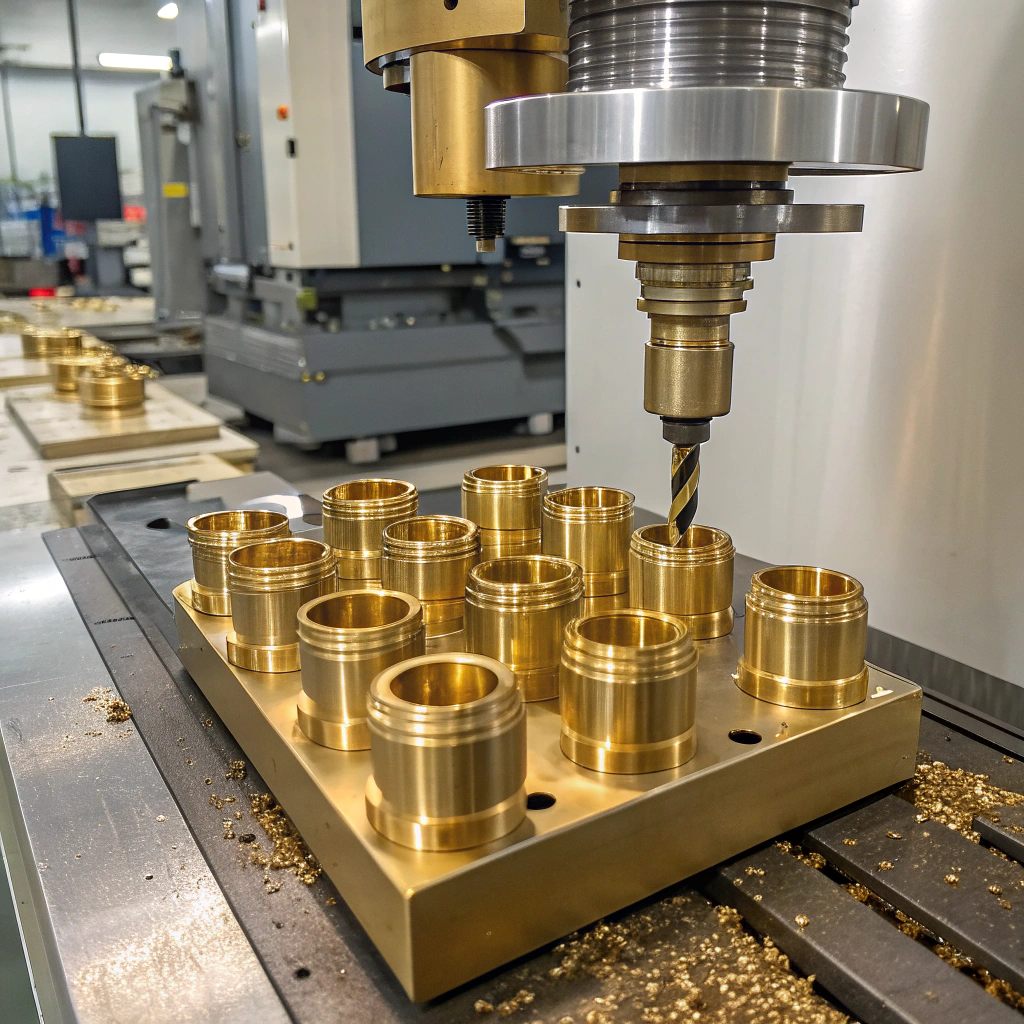
CNC machines are built for precision, so brass is a perfect match. Brass does not damage tools easily. It also responds well to multi-axis movements, which helps when shapes grow complex.
How CNC machines cut brass step by step
Step 1: Brass stock is fixed on the machine
The operator clamps the bar, block, or plate. Good clamping keeps the part from moving.
Step 2: Program loads into the system
The G-code tells the tool where to move.
Step 3: Spindle starts cutting
The tool removes brass in layers. The speed is high because brass handles fast cutting.
Step 4: Machine checks tolerance
Sensors or manual checks confirm the size.
Step 5: Surface finish pass
A final cut smooths the surface and removes burrs.
Why CNC is the best method for brass
- High accuracy
- Fast cycle time
- Good chip removal
- Clean surfaces without heavy polishing
- Less tool wear
- Stable results for mass production
Common brass CNC applications
- Connectors
- Gears
- Valves and fittings
- Decorative hardware
- Electrical components
- Precision rings and pins
Every industry that needs stable and clean brass parts relies on CNC because it reduces mistakes and speeds up the supply chain.
Conclusion
Brass CNC service gives fast, clean, and accurate machining for many industries. Brass is easy to cut, stable during machining, and fully supported by modern CNC tools. It remains one of the best metals for CNC production.