
Cars are full of parts that must fit perfectly and work without fail. Without the right CNC machines, many parts would not meet safety and performance needs.
CNC machines make car parts by using computer‑controlled tools to cut, shape, and form metal and plastic components with high precision and repeatability.
Every modern car relies on CNC machining to build reliable engines, transmissions, brakes, and other systems. This article will explain the machines, processes, and materials used to make car parts with CNC.
What types of CNC machines are used for making car parts?
Car parts come in many shapes and sizes. Each shape must be made to tight specifications. Different CNC machines serve different roles in that process.
Several types of CNC machines are used in the automotive industry, including mills, lathes, routers, grinders, EDM, and multi‑axis machines.
CNC machines differ in axis control, cutting method, and capability. Below is a breakdown of the main machines used to make car parts.
CNC Milling Machines
CNC mills cut material with rotating tools. They can move in 3 to 5 axes. Milling machines are among the most common in car part production.
- Make complex surfaces
- Create pockets, slots, and holes
- Work on engine blocks, cylinder heads, and manifolds
Milling machines can be vertical or horizontal. A 5‑axis mill can approach the workpiece from many angles, reducing setups.
CNC Lathes
Lathes rotate the part while a tool cuts the material. They are ideal for symmetrical parts.
- Shafts
- Axles
- Bushings
- Wheel hubs
CNC lathes can be equipped with live tools to drill and mill features without moving to another machine.
CNC Routers
CNC routers are similar to mills but often used for lighter materials like plastics and composites.
In car manufacturing, routers help make:
- Interior panels
- Dash components
- Trim pieces
Routers are fast and good for large flat parts.
CNC Grinders
Grinding machines use abrasive wheels to finish parts to very fine tolerances. They are essential when a smooth surface is critical.
Automotive uses include:
- Camshafts
- Crankshafts
- Gear teeth
Surface finish and roundness are key for parts that bear loads.
CNC EDM (Electrical Discharge Machining)
EDM uses electrical sparks to erode material. It is used for hard metals and complex shapes that are difficult to mill.
- Injector pump components
- Internal cooling passages
- Thin‑wall parts
EDM adds precision where cutting tools cannot reach.
Multi‑Axis and Hybrid Machines
Multi‑axis CNC machines (5+ axes) and hybrid machines combine milling, turning, and grinding in one setup.
They reduce handling and improve accuracy. This is valuable for complex car parts with tight tolerances.
Here’s a summary of common CNC machines in automotive:
| Machine Type | Main Use in Automotive | Typical Parts |
|---|---|---|
| CNC Milling | Cutting and shaping | Engine blocks, manifolds |
| CNC Lathe | Turning and drilling | Shafts, hubs |
| CNC Router | Cutting softer materials | Interior trim, plastics |
| CNC Grinder | Precision finishing | Crankshafts, camshafts |
| CNC EDM | Hard material and detailed shapes | Injectors, dies |
| Multi‑Axis CNC | Complex parts in fewer setups | Turbo housings, assemblies |
Each machine plays a role in making parts meet design intent, fit, and function.
How do CNC machines contribute to the manufacturing of car components?
Car manufacturing used to rely on manual machining. Today, CNC machines bring consistency, speed, and quality that manual work cannot match.
CNC machines contribute by automating high‑precision cutting, boosting production rates, improving repeatability, and helping meet strict automotive standards.
CNC machines influence many aspects of automotive production. Let us break down their contributions in detail.
Precision and Repeatability
Automotive parts must meet tight tolerances for safety and performance. CNC machines follow digital instructions exactly, which means:
- Identical parts every cycle
- Less variation between batches
- Fewer rejects
A piston made today will match one made tomorrow. This repeatability keeps engines running smoothly.
Speed and Efficiency
CNC machines perform tasks faster than manual machining. They can:
- Run unattended for hours
- Switch between operations quickly
- Reduce labor costs
High volume production lines depend on CNC machines to keep up with demand.
Flexibility and Change‑over
Automotive design changes often. CNC machines can switch programs quickly.
For example:
- A new bracket design is released
- Upload new code to the machine
- No new tooling or fixtures are needed
This flexibility shortens development cycles and reduces downtime.
Quality Control
Modern CNC machines connect to quality systems and sensors. They can:
- Measure features mid‑process
- Adjust feeds and speeds automatically
- Record production data
This real‑time quality feedback ensures parts stay within tolerance.
Integration with CAD/CAM
Engineers design parts in CAD software, then generate CNC code with CAM tools. This digital workflow:
- Reduces human error
- Ensures clarity in design intent
- Allows simulation before cutting
Outcomes are predictable and manufacturable.
Safety and Operator Support
CNC machining isolates operators from sharp tools and chips. Safety features include:
- Automatic tool changers
- Enclosed workspaces
- Emergency stops
Operators focus on setup, monitoring, and quality, not manual cutting.
In short, CNC machines provide predictable, efficient, and controlled part production. This is essential in an industry where millions of parts move through assembly lines every year.
Which CNC operations are involved in car part production?
Making a car part involves many operations, from roughing to finishing. CNC machines handle most of these automatically.
The most common CNC operations for car parts include milling, turning, drilling, tapping, boring, reaming, grinding, and cutting complex contours.
These operations are chosen based on part design, tolerance, and material. Below we explain them in clear detail.
1. CNC Milling
Milling uses spinning cutters to remove material. It can:
- Create flat surfaces
- Cut slots and pockets
- Shape 3D contours
With 5‑axis milling, even complex curved surfaces are possible. Engine components and chassis brackets are often milled.
2. CNC Turning
Turning rotates the part while the tool cuts. This works best for round features like:
- Shafts
- Pins
- Bushings
Turning can also drill and tap holes along the centerline.
3. Drilling and Tapping
Drilling makes holes; tapping cuts threads. In car parts, holes are common for fasteners, sensors, or fluids.
CNC machines can drill multiple holes in one setup without moving the part.
4. Boring and Reaming
Boring enlarges holes to precise size. Reaming smooths them afterward.
These operations are critical when parts must accept bearings or shafts with a perfect fit.
5. Grinding
Grinding uses abrasive wheels for final finishing. It improves surface finish and geometry for parts like:
- Camshafts
- Crankshafts
- Brake discs
High surface quality here helps reduce noise and wear.
6. Cutting Contours
Complex shapes are cut by combining milling and turning. Multi‑axis CNCs follow curved paths to shape parts like:
- Turbocharger housings
- Suspension links
- Intake runners
7. Deburring and Finishing
After cutting, sharp edges must be removed. CNC machines perform:
- Deburring
- Edge rounding
- Chamfering
These steps improve safety and fit.
Here is a simple table showing common CNC operations and their role:
| CNC Operation | Purpose | Typical Automotive Features |
|---|---|---|
| Milling | Shape and contour | Engine blocks, brackets |
| Turning | Round parts and center features | Shafts, hubs |
| Drilling/Tapping | Make holes and threads | Bolt holes, sensor mounts |
| Boring/Reaming | Precision hole sizing | Bearing seats, sleeves |
| Grinding | Surface finish and accuracy | Cam/crank surfaces |
| Deburring | Edge cleanup | All machined parts |
Each operation contributes to a part’s functionality, fit, and finish.
What materials are typically used in CNC machining for car parts?
Car parts are made from many materials, chosen for strength, weight, and cost. CNC machines work with metals and plastics alike.
Typical CNC machining materials in automotive include aluminum, steel, cast iron, titanium, brass, magnesium, and engineering plastics.
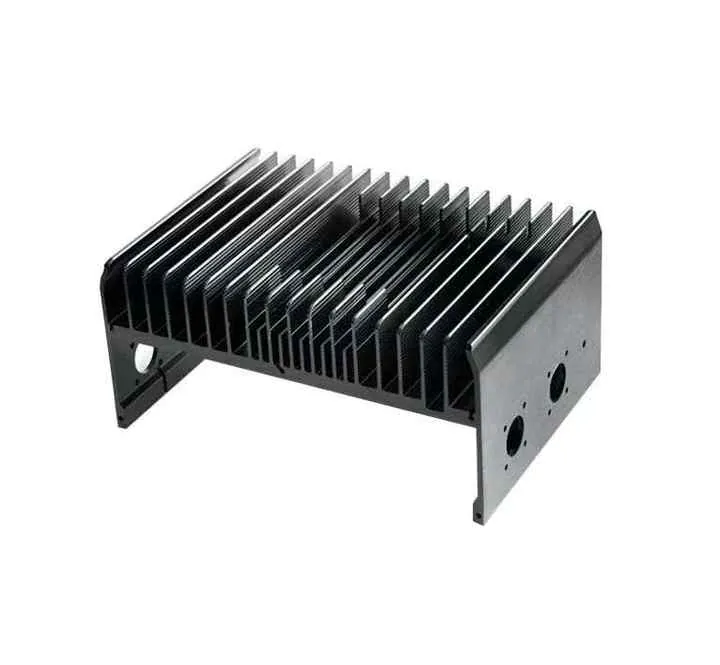
Each material has its own properties and machining needs. Below we explain the common ones.
Aluminum
Aluminum is light and strong. It machines easily and resists corrosion.
Common car parts from aluminum:
- Engine blocks
- Transmission cases
- Wheels
- Heat exchangers
Its low weight improves fuel efficiency and handling.
Steel
Steel is tough and durable. It is used in parts that must withstand high loads.
Steel parts include:
- Chassis components
- Gears
- Fasteners
Different grades are chosen for strength or wear resistance.
Cast Iron
Cast iron has excellent vibration damping and wear resistance. It is common in:
- Engine blocks
- Brake rotors
It machines well but is heavier than aluminum.
Titanium
Titanium is strong and heat resistant. It is expensive, so it is used in performance parts:
- Exhaust components
- Racing suspension parts
Its strength‑to‑weight ratio makes it ideal for high‑end applications.
Magnesium
Magnesium is lighter than aluminum. It is used in:
- Interior frames
- Engine covers
It requires careful machining due to flammability of chips.
Brass and Bronze
These copper alloys machine easily. They appear in:
- Bushings
- Bearings
- Fittings
They resist wear and corrosion.
Plastics and Composites
Engineering plastics offer light weight and low cost. CNC machines cut plastics like:
- Nylon
- PEEK
- Delrin
These are found in interior components, clips, sensor housings, and more.
Here’s another table summarizing materials and typical uses:
| Material | Key Property | Common Automotive Use |
|---|---|---|
| Aluminum | Light and corrosion‑resistant | Engine and body components |
| Steel | Strong and durable | Chassis, structural parts |
| Cast Iron | Vibration dampening | Engine blocks, rotors |
| Titanium | High strength‑to‑weight | Performance parts |
| Magnesium | Very light | Covers, frames |
| Brass/Bronze | Easy to machine, wear‑resistant | Bushings, fittings |
| Engineering Plastics | Lightweight and low cost | Sensor housings, clips |
Each material demands its own tooling, speeds, and feeds, but CNC machines make it possible to work with all of them precisely and efficiently.
Conclusion
CNC machines are the backbone of modern car part manufacturing. They handle many operations, work with diverse materials, and ensure parts meet exact specifications. From engines to interiors, CNC machining keeps cars safe, reliable, and high performing.





