
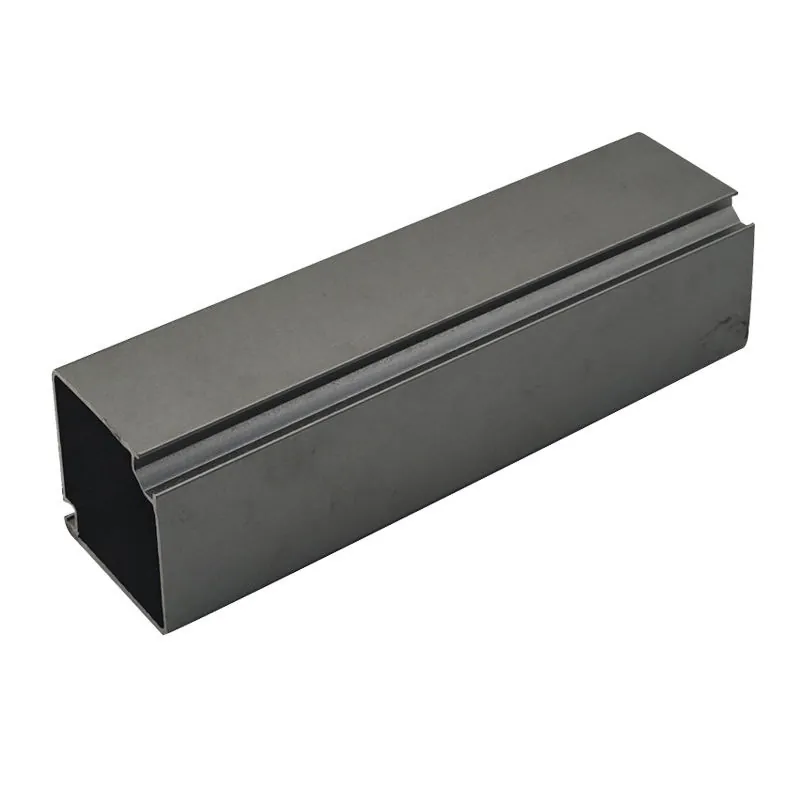
A 2-axis CNC machine is a simpler type of computer-controlled machine that operates with two linear movements—typically along the X and Y axes. Though less advanced than multi-axis machines, it plays an essential role in certain industries. But how exactly does it work, and where is it most useful?
A 2-axis CNC machine is a computer-controlled tool that moves a cutting tool along two linear axes (X and Y) to shape materials. While it can handle basic tasks, it is ideal for simpler parts and less complex operations.
While multi-axis machines have revolutionized manufacturing, 2-axis CNC machines still serve an important purpose. They provide cost-effective solutions for creating parts that don’t require advanced features. Let’s explore how these machines operate and what makes them suitable for specific tasks.
How does a 2-axis CNC machine operate?
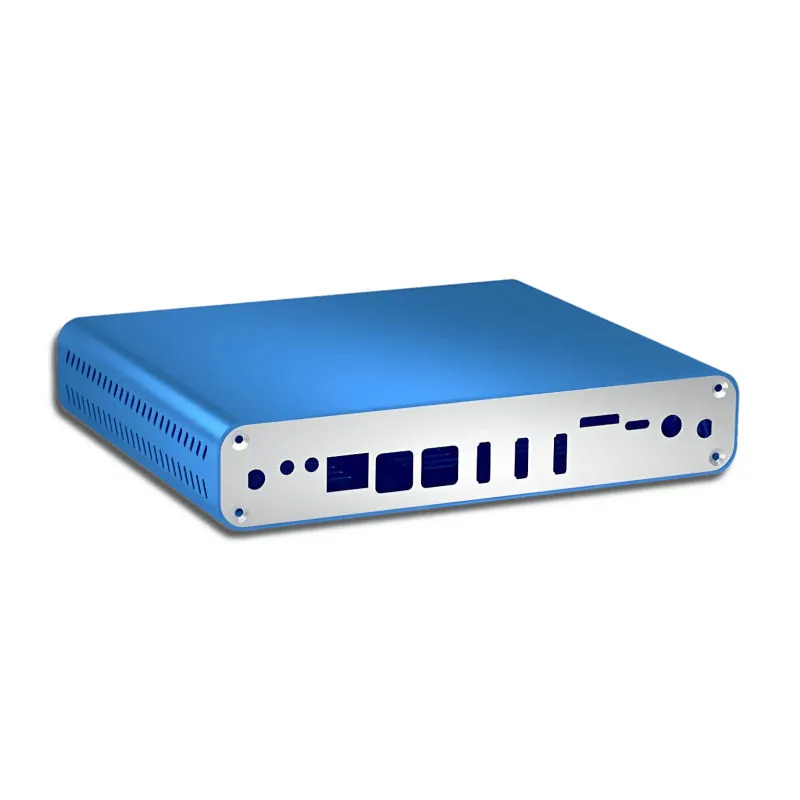
A 2-axis CNC machine operates by moving the cutting tool along two linear axes—typically the X (horizontal) and Y (vertical) axes—enabling it to cut or mill parts along two-dimensional planes.
In simpler terms, the workpiece remains stationary while the cutting tool moves in the X and Y directions to remove material. The movement is controlled by a computer program that guides the tool to shape the workpiece according to precise specifications.
Key Features of 2-Axis CNC Machines
- Movement: The workpiece is typically fixed while the tool moves in two dimensions (X and Y).
- Precision: Although less complex than higher-axis machines, 2-axis machines can still achieve high precision for basic parts.
- Speed: These machines are typically faster than multi-axis machines, making them ideal for simpler jobs with high production requirements.
Types of Operations Performed
On a 2-axis machine, the most common operations are basic cutting, milling, engraving, and drilling. Since the cutting tool only moves in two directions, operations are limited to those that don’t require advanced movements such as tilting or rotating.
What is the range of motion for a 2-axis CNC machine?
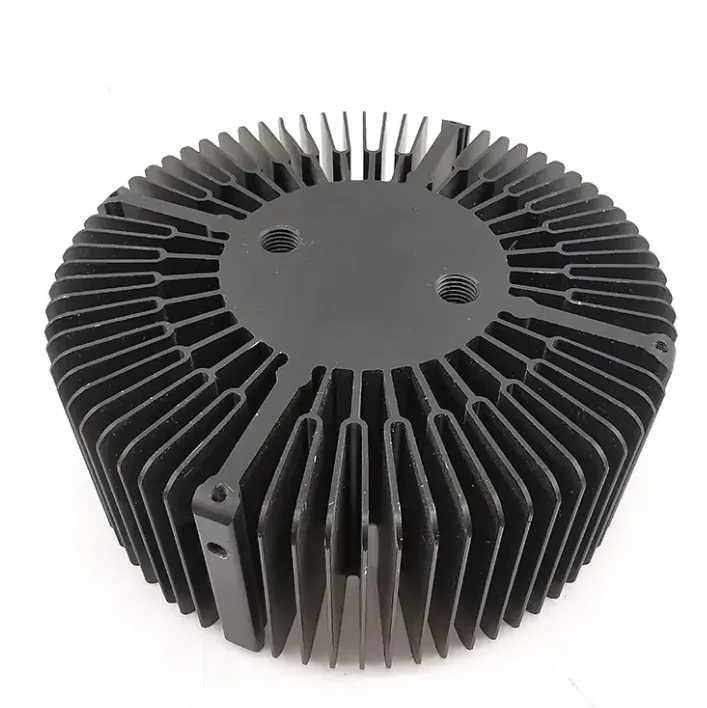
The range of motion for a 2-axis CNC machine is limited to two axes—X (left to right) and Y (up and down)—meaning the cutting tool can only move across a flat, two-dimensional plane.
This limited range is sufficient for a variety of simple tasks, especially when working with flat materials or parts that don’t require more complex geometries.
X and Y Axes
- X-axis: The horizontal movement from left to right. It allows the cutting tool to traverse across the length of the material.
- Y-axis: The vertical movement up and down. It controls how the tool moves along the material’s height.
The workpiece is usually clamped or fixed to the machine’s bed, and the tool moves along these two axes to perform the necessary operations, whether cutting, engraving, or drilling.
Range and Precision
While the range of motion is limited to two dimensions, the machine’s precision allows it to achieve fine details, especially in simpler tasks like engraving or milling flat surfaces. Some machines also have a slight Z-axis movement, though it is usually fixed or limited to basic adjustments for tool height.
What are the limitations of 2-axis CNC machines?
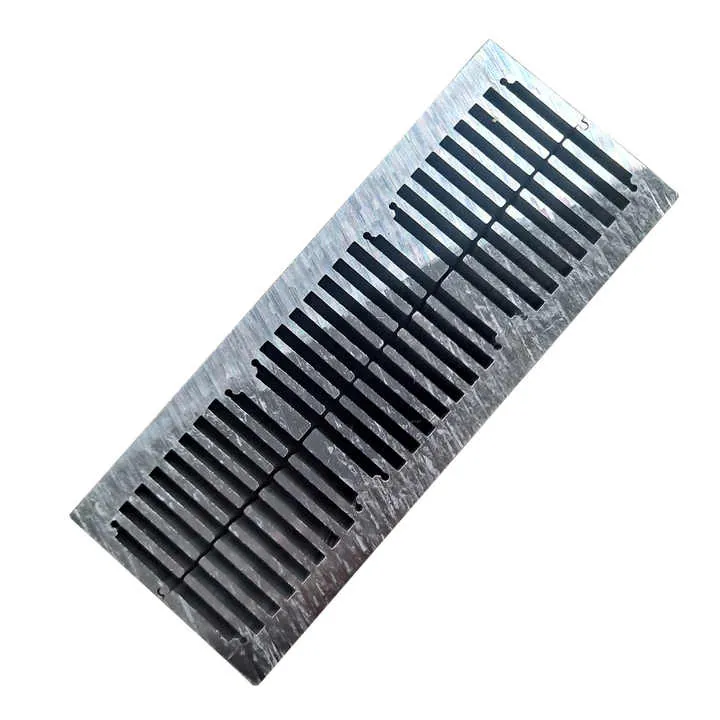
The main limitation of a 2-axis CNC machine is its inability to handle complex, three-dimensional parts or intricate geometries that require movement in more than two directions.
Limited Complexity
A 2-axis CNC machine can only produce parts with simple, flat designs. It cannot create curved or angled surfaces without additional setups or re-positioning. This makes it unsuitable for manufacturing parts with intricate details or those that require cutting from multiple angles.
Lack of Depth Control
Although the Z-axis may be adjusted for cutting depth in some 2-axis machines, it is generally limited in range. For more complex parts requiring precise control over depth, a multi-axis CNC machine is necessary.
Restrictions on Tool Movement
Since the tool only moves in two directions, any task that requires rotating or tilting the workpiece is not possible. Parts with non-flat surfaces, holes at varying angles, or curved shapes cannot be manufactured without additional steps or equipment.
Reduced Versatility
For industries that require complex parts, such as aerospace or medical manufacturing, a 2-axis CNC machine is insufficient. These industries often rely on multi-axis machines to create parts that meet higher standards of complexity and precision.
What types of parts are best made with a 2-axis CNC machine?
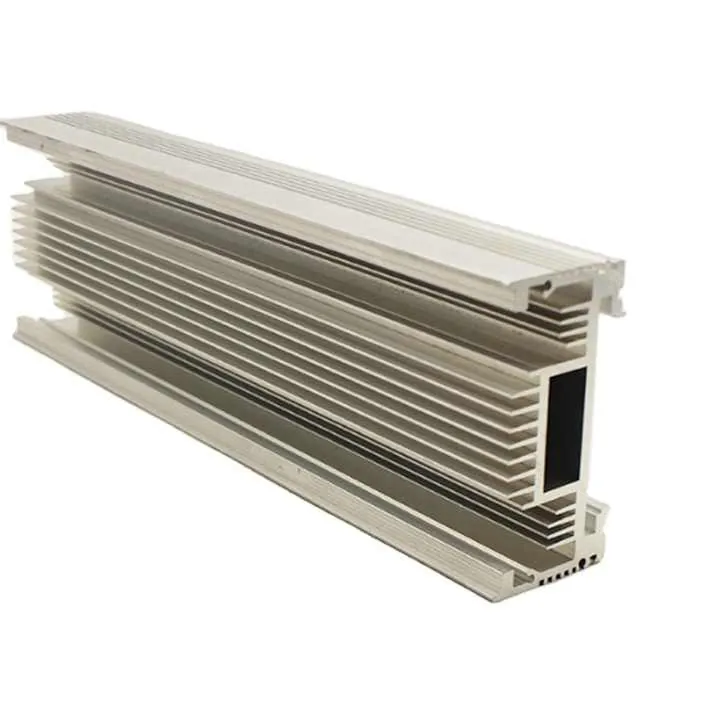
2-axis CNC machines are best suited for creating simple, flat parts such as washers, brackets, flat plates, and basic gears. They excel at high-volume production runs of parts with straightforward designs.
Parts That Benefit from 2-Axis CNC Machines
- Flat Parts: Parts like flat plates, washers, and brackets are ideal for a 2-axis machine since they don’t require depth or multi-directional cutting.
- Simple Gears: Basic gears, especially those with simple teeth, can be made on a 2-axis CNC machine as long as the design is flat and the cutting tool doesn’t need to move in three dimensions.
- Plates and Sheets: Thin materials such as sheet metal and plastic can be easily cut and drilled on a 2-axis machine.
High-Volume Production
2-axis CNC machines are often used in high-volume production environments where speed is crucial, and the parts being created are simple and don’t require complex shapes or multi-axis cutting. These machines are efficient for making parts in large quantities, as the cost per part is low and the setup time is minimal.
Industries Using 2-Axis CNC Machines
- Electronics: For creating basic housing or mounting components.
- Automotive: For manufacturing simple parts like brackets and spacers.
- Furniture: Used for cutting and engraving simple designs on flat surfaces.
- General Manufacturing: For creating various basic components, like spacers, washers, and machine parts.
Conclusion
A 2-axis CNC machine is an essential tool for creating simple, flat parts with high efficiency. While it has limitations compared to multi-axis machines, it is a cost-effective solution for many industries that require precision and speed for basic components. Whether you're working in electronics, automotive, or general manufacturing, these machines offer the right combination of simplicity and effectiveness for straightforward tasks.





