In a world where traditional cutting methods hit limits, especially with complex or hard materials, industries are turning to something more precise: CNC EDM machines.
A CNC EDM (Electrical Discharge Machining) machine uses electrical sparks to erode material with high accuracy, perfect for shapes too delicate for conventional tools.
Unlike drilling or milling, CNC EDM doesn’t rely on physical force. It’s a non-contact process, meaning no cutting pressure on parts. That opens a world of possibilities.
How does a CNC EDM machine work?
When sharp corners, deep cavities, or tiny parts are needed, standard machining often falls short.
A CNC EDM machine removes metal using controlled electrical discharges between an electrode and the workpiece, all submerged in a dielectric fluid.
EDM works by creating a high-frequency electrical current between an electrode (usually graphite or copper) and a conductive workpiece. This discharge creates intense heat—around 8000 to 12000°C. But the heat is highly localized, vaporizing the metal without touching it.
Two main types of CNC EDM
| Type | Description |
|---|---|
| Wire EDM | Uses a thin wire to cut through metal, like slicing cheese with wire. Ideal for shapes with tight tolerances. |
| Sinker EDM | Uses a shaped electrode to "sink" into the workpiece. Best for mold cavities and complex geometries. |
Process breakdown:
- Setup: Operator programs tool path in the CNC system.
- Electrode approach: The electrode approaches the workpiece, but never touches it.
- Spark discharge: Electrical current jumps across the gap.
- Material removal: Each spark removes tiny particles of metal.
- Flushing: Dielectric fluid clears debris and cools down the surface.
- Repeat: Thousands of sparks per second shape the final geometry.
EDM is precise because the machine controls every spark. There’s no mechanical pressure, so parts aren’t stressed or distorted. Also, it can handle super-fine details and sharp internal corners that other tools simply cannot reach.
Why is CNC EDM used for precision machining?
When accuracy under a few microns is required, normal cutting tools often create friction, wear, or tool deflection.
CNC EDM is used because it offers unmatched accuracy, stress-free machining, and the ability to process ultra-hard materials.
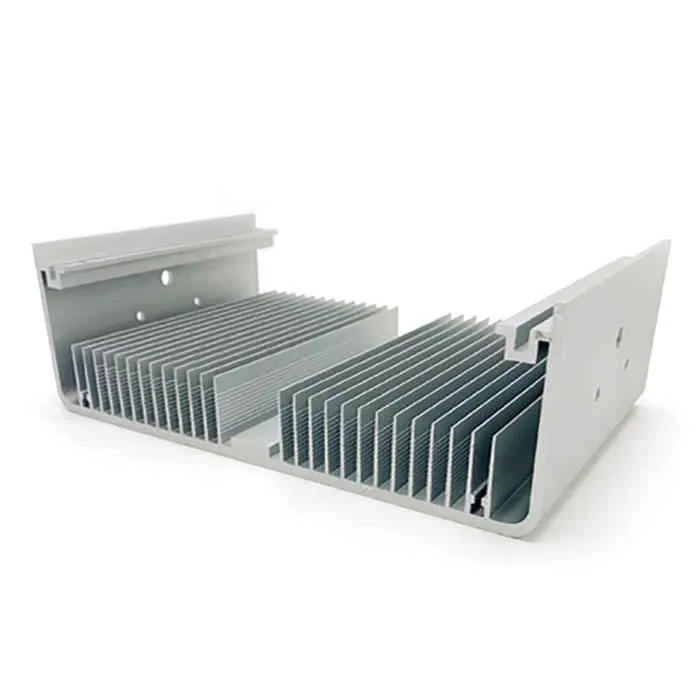
EDM doesn’t use mechanical cutting edges. This removes issues like tool wear, chatter, or deflection that cause micro-inaccuracies. Instead, it relies on spark erosion, which always delivers a clean cut.
Precision benefits of EDM
| Feature | EDM Capability |
|---|---|
| Dimensional Accuracy | ±1 micron or better |
| Surface Finish | Down to Ra 0.2 μm |
| Edge Definition | Extremely sharp internal corners |
| Repeatability | High, due to CNC automation |
Why is it ideal for complex tasks?
- No mechanical stress: Unlike milling or turning, EDM applies zero cutting force.
- No burrs: Edges come out clean, no need for deburring.
- Can machine hardened parts: Heat-treated steel, titanium, and carbide are no problem.
- Programmable shapes: You can program complicated contours and internal channels with ease.
Engineers love EDM for dies, molds, and aerospace parts where every micron matters. It also shines in high-tolerance jobs like fuel injector holes, medical implants, or miniature connectors.
What materials are best suited for CNC EDM?
Conventional tools often fail when faced with very hard metals. EDM turns this problem into an advantage.
EDM works best on electrically conductive materials, especially hard metals like tool steel, tungsten carbide, titanium, and Inconel.
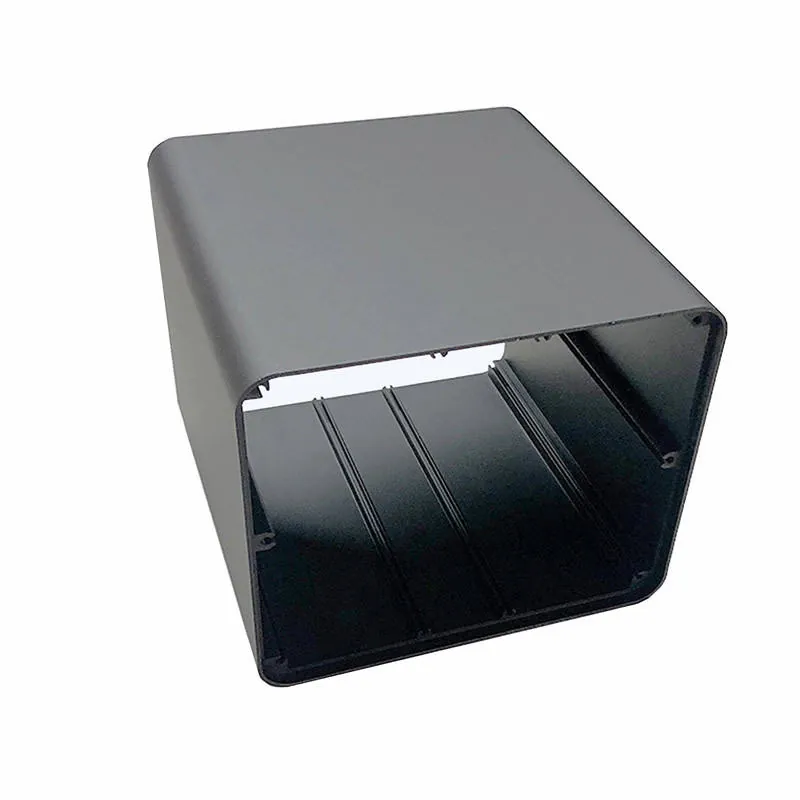
CNC EDM requires the workpiece to conduct electricity. This is non-negotiable. That means plastics, ceramics, and most composites are off-limits. But most metals, from aluminum to superalloys, are fair game.
Best-fit materials for EDM
| Material | Why It’s Ideal for EDM |
|---|---|
| Tool steel | Common in dies/molds; EDM preserves hardness |
| Tungsten carbide | Extremely hard; EDM shapes it easily |
| Titanium | Used in aerospace; tough for traditional cutting |
| Inconel | High-temp alloy; EDM handles it without distortion |
| Copper & alloys | Good conductivity; often used as electrodes |
What about aluminum?
Yes, aluminum can be EDM-machined, but it’s not always the best fit. It tends to leave melted edges due to its lower melting point. Special settings and electrodes help reduce that risk.
Electrode materials matter too
The electrode must resist erosion and conduct electricity. Common choices:
- Graphite: Cheap, machinable, but dusty.
- Copper: Better finish, higher cost.
- Copper-tungsten: Best for fine details and low wear.
The combination of workpiece and electrode materials affects spark quality, finish, and machining speed. Choosing the right pair is critical for optimal results.
Where is CNC EDM commonly applied?
Industries today demand high precision, long tool life, and better finishes. CNC EDM answers all three.
CNC EDM is widely used in mold making, aerospace, medical device manufacturing, automotive, and electronics industries.
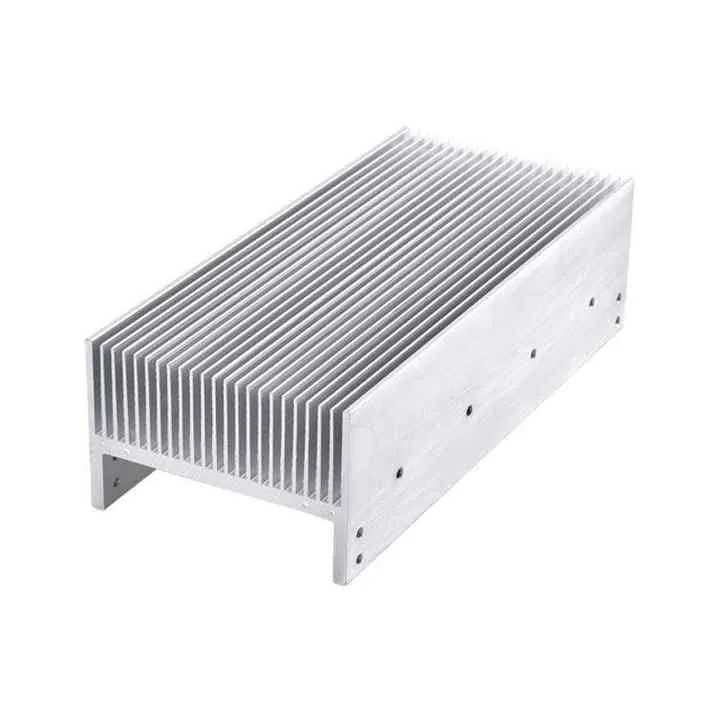
EDM’s biggest advantage is its ability to produce detailed shapes in hardened materials. That’s why it dominates tool and die production. But it’s also critical in many other fields.
Common CNC EDM applications
1. Mold & Die Making
- Injection molds
- Die casting molds
- Punch & die sets
EDM creates fine surface finishes and sharp corners essential for mold cavities. It also allows last-minute changes without remaking the entire mold.
2. Aerospace
- Turbine blades
- Fuel injector parts
- Structural connectors
Aerospace parts need extreme precision and heat resistance. EDM allows shaping of Inconel, titanium, and hardened steel—materials common in jet engines and airframes.
3. Medical
- Surgical tools
- Implant components
- Orthopedic screws
Medical parts are often small, complex, and made from tough materials. EDM helps produce smooth, burr-free surfaces required for implants and instruments.
4. Electronics
- Connector pins
- Microcomponents
- Semiconductor dies
Wire EDM can cut to sub-millimeter tolerances, making it ideal for the electronics sector.
EDM also fits niche areas:
- Watchmaking
- Jewelry
- Military components
These parts often require tiny holes, micro-grooves, or ultra-sharp features that conventional tools just can't deliver.
Conclusion
CNC EDM machines use controlled sparks to remove material with extreme accuracy. They are ideal for machining hard metals, complex shapes, and precision parts that traditional tools can't handle.