Machining parts by hand is slow, inconsistent, and often inaccurate. In high-demand industries, manual methods just can’t keep up with modern expectations.
A CNC miller is a computer-controlled machine used to cut, drill, shape, and finish solid materials with high accuracy and repeatability, based on digital designs.
CNC milling machines are widely used to manufacture complex parts quickly and with consistent quality. They replace manual cutting with precise, programmable control.
How does a CNC miller function?
When making complex shapes, manual machines require constant supervision and multiple setups. This slows things down and leads to mistakes.
A CNC miller works by following pre-programmed digital instructions that control the movement of the cutting tools across multiple axes to shape the material.
CNC milling machines operate through a combination of hardware and software. The operator loads a design—usually created in CAD (Computer-Aided Design)—into the system. This design is then converted into machine-readable instructions (G-code), which tell the machine how to move.
These movements happen along different axes:
- X-axis: Left to right
- Y-axis: Front to back
- Z-axis: Up and down
Some advanced CNC millers even use 4th and 5th axes to allow rotation and tilting of the tool or the material. This enables complex geometries in a single setup.
Basic workflow of a CNC milling process
| Step | Description |
|---|---|
| CAD Design | The part is designed using 3D modeling software |
| CAM Programming | The CAD file is converted to G-code |
| Material Setup | Raw material is fixed on the worktable |
| Tool Selection | Proper cutting tools are loaded |
| Machine Calibration | Zero points and offsets are set |
| Execution | Machine follows code to cut the part |
| Quality Check | Final inspection and any finishing if needed |
CNC millers can perform operations like facing, slotting, pocketing, contouring, and tapping. Each function is automated and can be repeated with the same result every time. Sensors and closed-loop systems further ensure precision.
Why is a CNC miller used in machining operations?
Trying to machine parts manually can lead to inconsistency, longer production times, and costly rework. That’s a big problem for industries that demand high volumes and tight tolerances.
CNC millers are used because they deliver consistent accuracy, reduce labor costs, increase speed, and are capable of producing complex shapes with minimal human intervention.
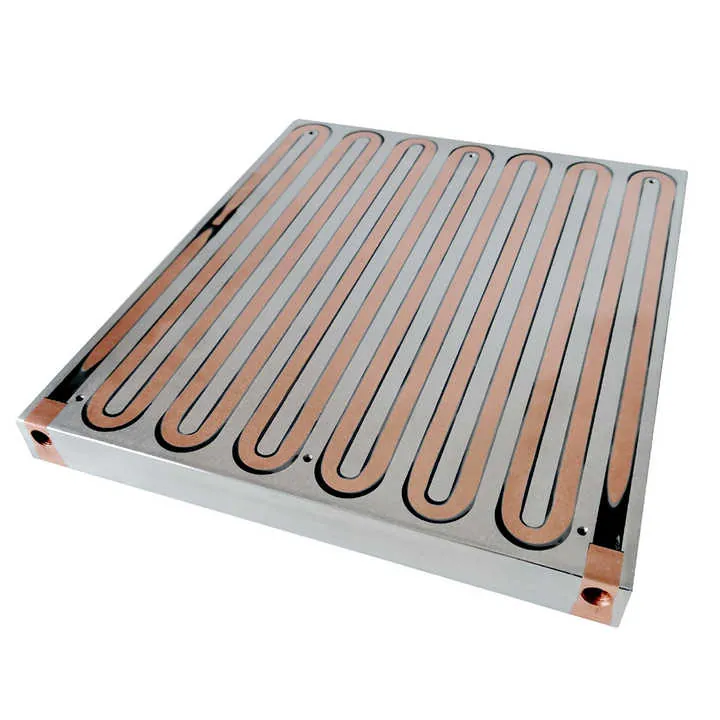
Machining operations often require extreme precision and repeatability. CNC milling allows manufacturers to cut complex 3D shapes with ease. Operators can set up the job, start the machine, and let it run without constant supervision.
In a production setting, these benefits stack up:
- Efficiency: Machines can run 24/7 with minimal downtime.
- Scalability: Once a program is created, it can be reused for any number of parts.
- Reduced waste: Accurate cuts mean fewer errors and material losses.
- Lower skill barrier: Operators don’t need expert machining skills—just good training.
- High detail: Intricate features like threads, cavities, and angled cuts are all possible.
Key benefits of CNC milling
| Advantage | Impact on Production |
|---|---|
| High Accuracy | Reduces rework and increases product quality |
| Fast Turnaround | Shorter cycle times enable quicker delivery |
| Versatility | Handles simple to highly complex parts |
| Automation | Less manual input reduces labor costs |
| Safety | Operators stay clear of cutting zones |
CNC millers also support design iteration. If a part needs to be modified, engineers can update the CAD file, regenerate the G-code, and start the next version—no need to rework fixtures or start from scratch.
This flexibility is critical in R&D, prototyping, and agile manufacturing.
What types of materials can a CNC miller work with?
Not all cutting tools can handle every material. Some are too soft and melt, others are too hard and wear down tools quickly.
CNC millers can work with a broad range of materials, including metals, plastics, composites, wood, and more, depending on the tooling and cutting parameters used.
CNC milling is flexible because different tools and machine settings can be optimized for specific materials. Each material behaves differently during cutting. The speed, depth, coolant, and tool type must all be considered.
Common material categories
1. Metals
- Aluminum: Lightweight, easy to machine, used in automotive and aerospace.
- Steel: Durable but requires slow speeds and hard tools.
- Stainless steel: Resists corrosion, good for medical and food-grade parts.
- Brass and Copper: Soft metals with excellent electrical conductivity.
2. Plastics
- Delrin (POM): Strong and wear-resistant, ideal for gears.
- Nylon: Tough and flexible, used for mechanical parts.
- Acrylic: Clear and brittle, requires gentle handling.
3. Composites and Others
- Carbon fiber: Lightweight and strong, requires sharp tools.
- Fiberglass: Abrasive, wears down tools fast.
- Wood: Milled using routers with higher speeds.
Choosing the right tool and parameters
| Material | Typical Tool Type | Speed (RPM) | Coolant Used? |
|---|---|---|---|
| Aluminum | Carbide end mill | 8,000–12,000 | Optional |
| Stainless Steel | Coated carbide | 2,000–4,000 | Yes |
| Acrylic | Plastic cutting bit | 10,000+ | No |
| Carbon Fiber | Diamond-coated bit | 1,500–3,000 | No |
Using the wrong settings can ruin the material or damage the machine. CNC millers help avoid that by using pre-tested profiles. Operators can switch settings based on the material and let the machine handle the rest.
CNC milling also allows multi-material projects. By swapping out tools and adjusting programs, parts can be made from different materials in a single setup.
Where are CNC millers commonly used?
Producing precision components quickly and accurately is critical in today’s competitive market. CNC milling helps manufacturers meet those demands across various sectors.
CNC millers are commonly used in industries such as aerospace, automotive, electronics, medical devices, defense, and general manufacturing for precision part production.
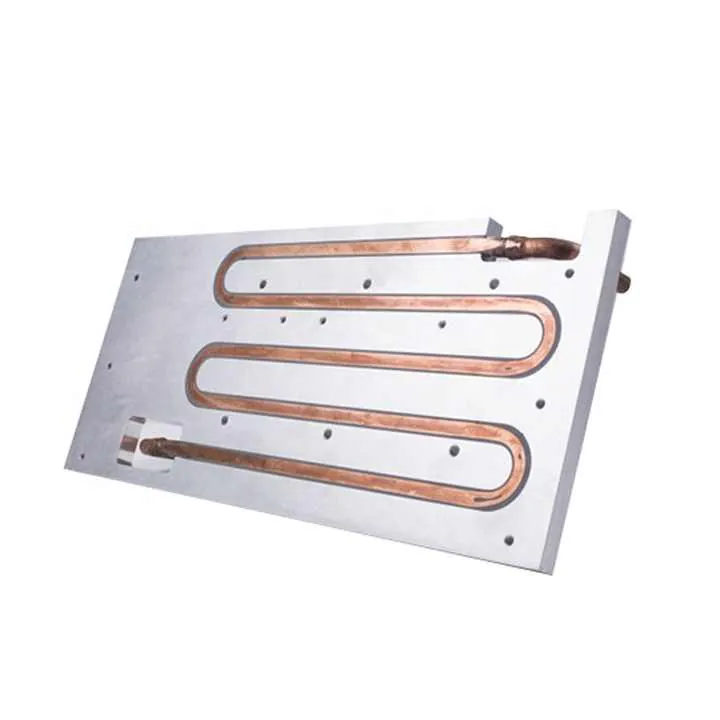
These machines are not limited to one field. They are versatile enough to meet diverse production needs.
Common industries and applications
Aerospace
Aircraft parts must meet strict specifications. CNC millers are used for:
- Wing components
- Engine parts
- Brackets and fasteners
Automotive
For mass production of vehicle components, CNC millers help with:
- Engine blocks
- Gear housings
- Suspension components
Electronics
Precision is key in electronics. CNC milling is used for:
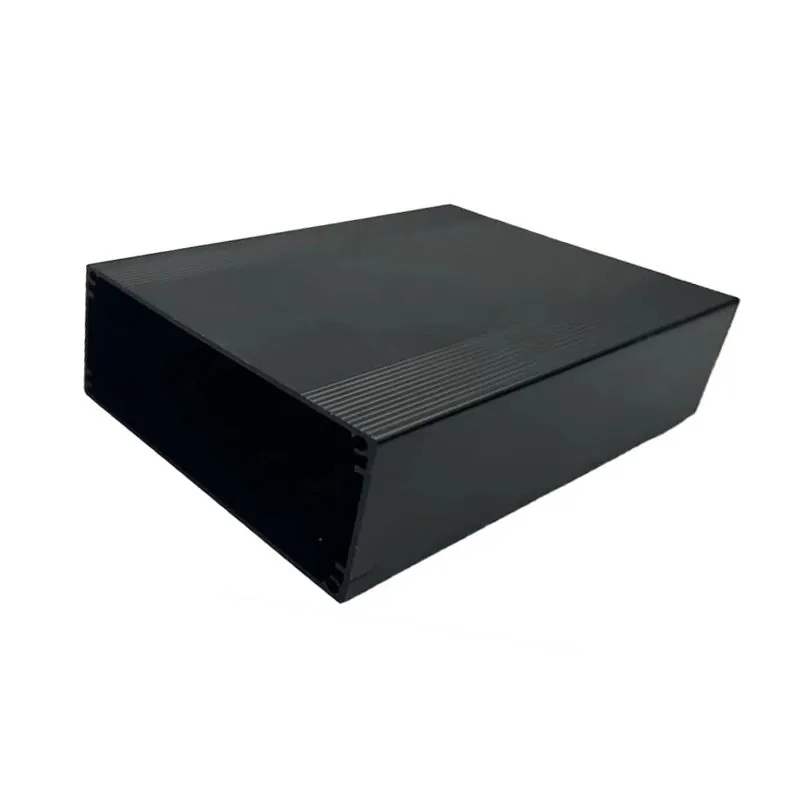
- Enclosures
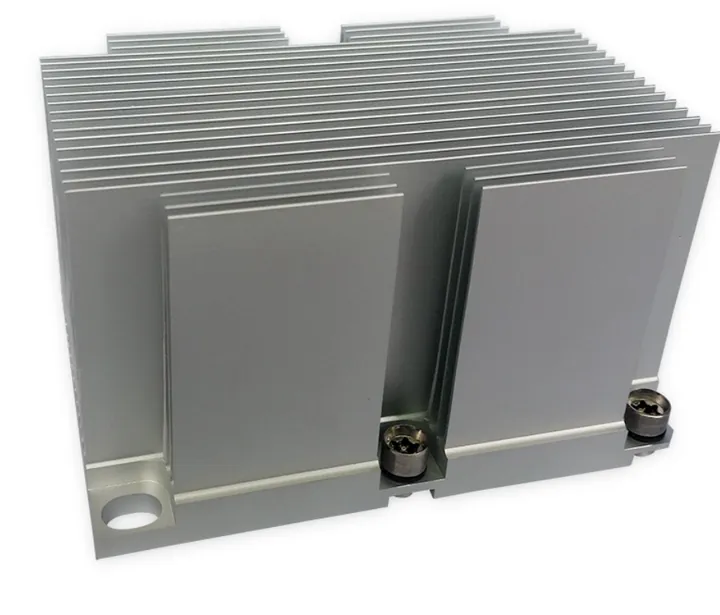
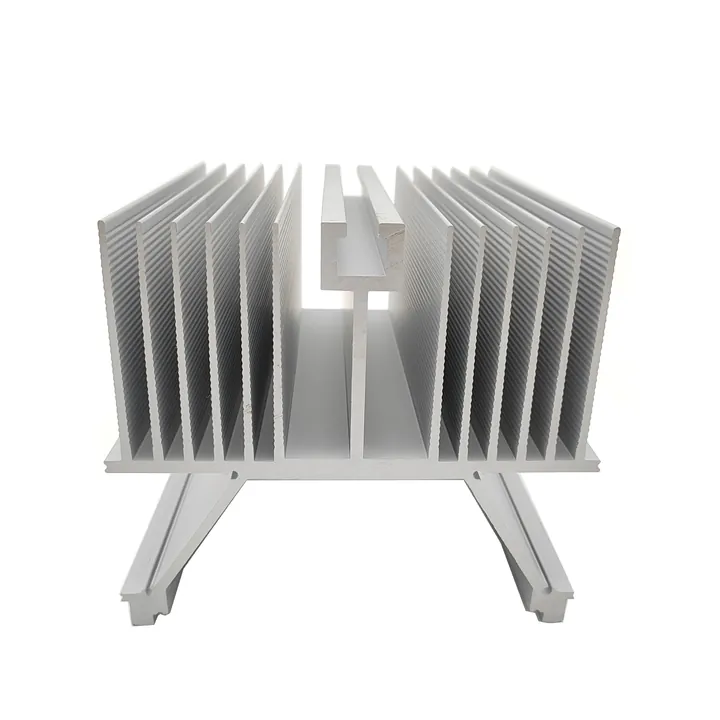
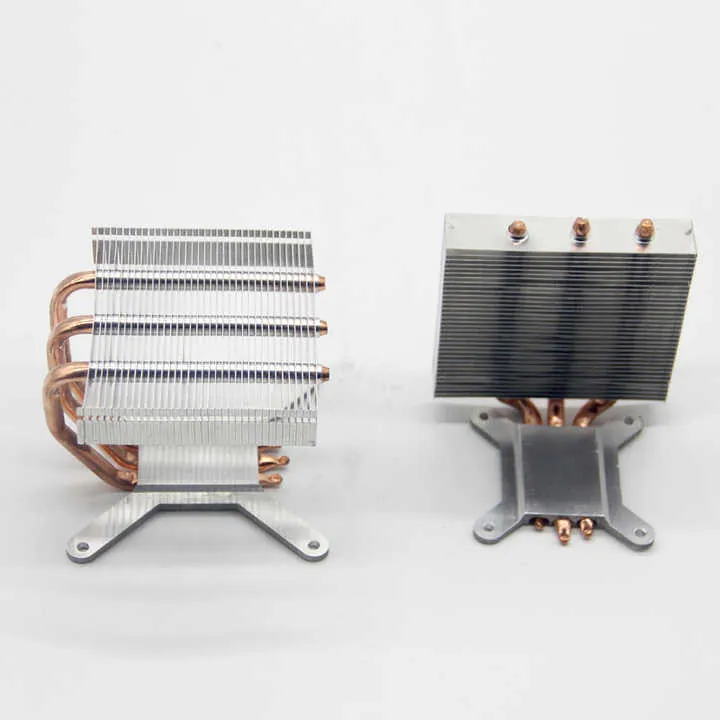
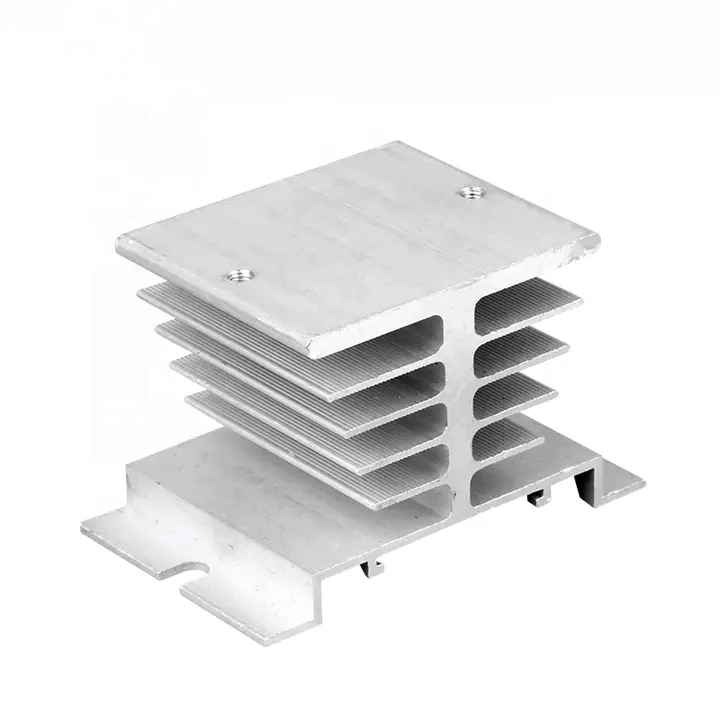
- Heat sinks
- Connectors
Medical
Parts must be flawless and sterilizable. CNC millers make:
- Surgical instruments
- Orthopedic implants
- Diagnostic tool housings
Tool and die
CNC milling helps create:
- Injection mold components
- Stamping dies
- Prototyping tools
Facilities using CNC millers
- Machine shops: Handle contract manufacturing.
- OEM factories: Produce branded components.
- Research labs: Prototype and test new products.
- Vocational schools: Train students in modern machining.
Modern factories often integrate CNC millers into full production lines. They’re connected to ERP systems, robotics, and quality control software to streamline the workflow.
Conclusion
CNC millers are essential tools in modern machining. They combine speed, accuracy, and flexibility to create parts that meet tight tolerances across a wide range of materials and industries.