A simple CNC machine might cost $20,000, but some advanced ones go over $500,000. Why such a big gap? When it comes to 5-axis CNC machines, the price tag can be a surprise.
The cost of a 5-axis CNC machine ranges from $100,000 to $500,000 or more, depending on size, configuration, brand, and automation level.
Many buyers ask for a price first without understanding what makes up that number. If we don’t look deeper, it’s easy to overpay—or choose the wrong machine.
What factors influence the price of a 5-axis CNC machine?
Some people expect a flat price like buying a car. But CNC pricing isn’t that simple. Many variables affect the final cost.
Key factors that influence 5-axis CNC pricing include machine size, control system, number of tool changers, brand reputation, and software features.
Let’s break it down:
Machine Size and Structure
Larger machines that can handle bigger workpieces cost more. Machines with heavy-duty cast frames, long beds, or wide gantries have higher build costs.
Spindle Power and Speed
Machines with high-speed or multi-function spindles cost more. If you need to machine hard materials or achieve ultra-fine finishes, stronger spindles are necessary.
Number of Axes and Motion Design
A true 5-axis CNC has continuous simultaneous movement on all axes. Some cheaper models only offer 3+2 axis movement (positioning, not continuous motion).
| Axis Type | Description | Price Impact |
|---|---|---|
| 3+2 Axis | Indexed 5-axis (not simultaneous) | Moderate |
| Full 5-Axis | Simultaneous motion on all axes | High |
Control System
The brain of the machine matters. Premium controllers (like Siemens, Heidenhain, FANUC) are faster and more reliable but also raise the cost.
Tool Changer Capacity
Machines with more tool stations (e.g., 30, 60, or 100) allow for complex, multi-step jobs without manual intervention.
Automation and Add-ons
Extra features like pallet changers, probes, cooling systems, and automatic loading arms increase the price.
Brand and Service
Trusted global brands charge more. They offer better support, parts availability, and longer machine life.
Here’s a quick comparison:
| Factor | Low-Cost Model | High-End Model |
|---|---|---|
| Machine Size | Small, light materials | Large, heavy-duty capacity |
| Control System | Entry-level | Premium CNC controllers |
| Tool Changer | 12–24 tools | 60+ tools |
| Spindle | Standard | High RPM, high torque |
| Add-ons | Basic | Full automation package |
| Estimated Price | ~$100,000–$200,000 | ~$350,000–$500,000+ |
Each factory has unique needs. Choosing the right features avoids paying for extras you’ll never use.
Why are 5-axis CNC machines typically more expensive?
It’s common to ask: “Why does this cost so much more than a 3-axis?” The answer lies in the machine’s ability and complexity.
5-axis CNC machines are more expensive due to their advanced motion control, mechanical complexity, and high-precision capabilities for complex part geometries.
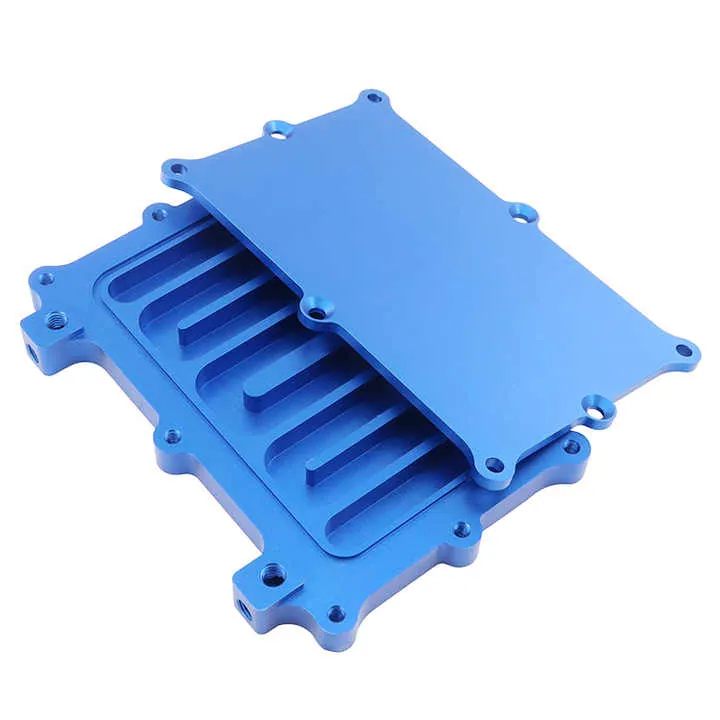
Here's why the price climbs:
Complex Engineering
5-axis machines require precision mechanics for rotating and tilting the workpiece. Every moving part must be stable under load and still precise.
Tight Tolerances
These machines often hold tolerances within microns. This requires high-quality materials, better assembly, and more advanced feedback systems.
Better Control Systems
Controlling five axes at once needs faster processors and real-time error checking. The software algorithms are also more advanced.
Manufacturing and Testing
Production of these machines takes longer. Testing each one to ensure stability, speed, and accuracy adds time and cost.
Support and Installation
Installation takes time and skill. Many suppliers offer training and post-sale support, which are built into the machine’s pricing.
Advanced Features
These machines often include:
- Collision avoidance
- Tool path simulation
- Multi-tasking capabilities (milling + turning)
- IoT and remote diagnostics
All this complexity is not just for show. It’s what allows these machines to create:
- Aerospace parts
- Medical implants
- High-performance engine components
- Custom molds
So when we pay more, we’re not just buying hardware—we’re buying accuracy, reliability, and performance.
Which industries typically invest in 5-axis CNC machines?
Not every factory needs a 5-axis CNC. But for some sectors, it’s not a luxury—it’s a necessity.
Industries like aerospace, medical, automotive, and mold making invest in 5-axis CNC machines to create complex, high-precision parts with fewer setups.
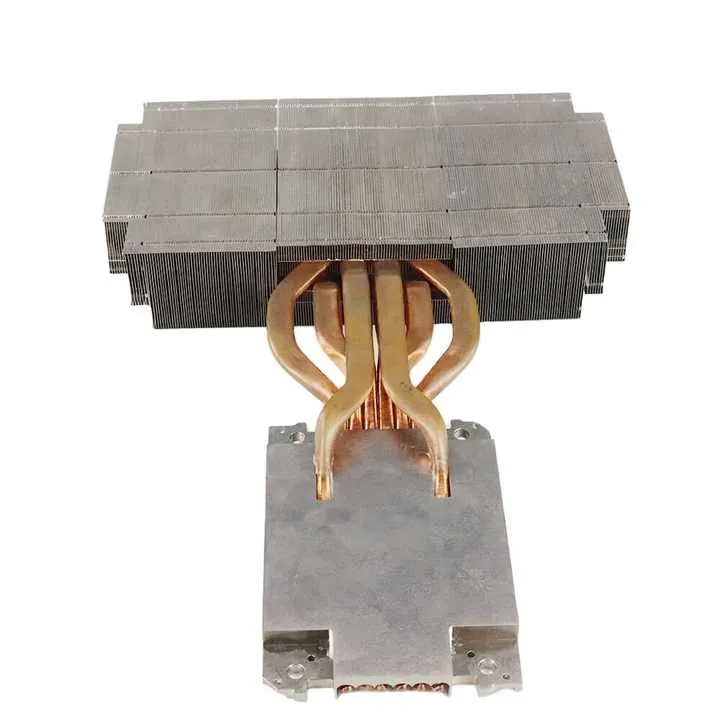
Let’s look at who uses them and why:
Aerospace
Aircraft parts are complex, curved, and made from tough materials. 5-axis machining is used for turbine blades, brackets, and structural elements.
Medical
Implants must match patient anatomy. Many are machined in titanium using 5-axis machines for precision contours and smooth finishes.
Automotive
High-performance components, such as intake manifolds and engine heads, often require 5-axis work. This reduces part repositioning and errors.
Mold and Die
Injection mold tools require complex 3D surfaces. 5-axis machining makes it possible to finish molds in fewer setups, saving time.
Defense
Military parts must meet strict specs. 5-axis CNC enables consistent results for optics mounts, guidance components, and firearm parts.
Marine and Energy
Propeller blades and pump housings need multi-angle access. 5-axis CNC reduces machining time while improving accuracy.
Here’s a breakdown:
| Industry | Common Parts Manufactured |
|---|---|
| Aerospace | Turbine blades, fuselage supports |
| Medical | Hip implants, dental crowns, bone plates |
| Automotive | Cylinder heads, manifolds, brackets |
| Mold & Die | Complex cavity molds, stamping dies |
| Defense | Scope mounts, drone components |
| Marine/Energy | Propellers, turbine housings |
Each of these fields demands complexity, speed, and accuracy—all of which 5-axis CNC machines provide.
Where can you purchase a 5-axis CNC machine?
Once the decision is made, the next challenge is: where to buy? Should you go local or global?
5-axis CNC machines can be purchased from specialized manufacturers, authorized distributors, or global trade platforms like Alibaba, ThomasNet, and industry expos.
Here are the common options:
Direct from Manufacturers
Brands like DMG MORI, Haas, Mazak, and Hurco sell directly. This gives access to:
- Factory-trained support
- Warranty and spare parts
- On-site training
Distributors and Dealers
Local partners of global brands provide:
- Installation
- Maintenance plans
- Financing options
Buying from a distributor often means faster service and more personalized help.
Online Platforms
Sites like:
- Alibaba (for Chinese machines)
- ThomasNet (North American suppliers)
- IndiaMART (Indian market)
- MachineTools.com (used/new machines)
These platforms let you compare features, prices, and reviews.
Industry Trade Shows
Events like EMO Hannover, JIMTOF, and IMTS let you see machines in action. You can speak directly with engineers and negotiate pricing.
Used Market
Some factories sell older but functional machines. This is a budget-friendly option, but:
- Inspect machine condition carefully
- Check for software compatibility
- Verify support availability
Here’s a buyer’s checklist:
| Step | Key Questions to Ask |
|---|---|
| Brand Reputation | Is the brand known for quality? |
| Machine Type | Does it offer full 5-axis or 3+2 axis? |
| Control System | Is the software user-friendly and powerful? |
| Service Support | Is local support available? |
| Spare Parts Availability | Can I get parts easily? |
| Warranty Terms | What’s included and how long? |
| Training & Installation | Is training offered? |
The right supplier doesn’t just offer a machine—they offer peace of mind.
Conclusion
5-axis CNC machines are powerful tools that come with a higher price—but also deliver unmatched flexibility, speed, and precision. Knowing what affects the cost and where to buy helps you invest wisely.