CNC stands for Computer Numerical Control and it changes how we shape metal, wood, and other materials. This process replaces old tools and lets machines cut with high accuracy using digital designs.
I often face customers who ask what makes CNC special. The simple fact is that CNC gives repeatable quality. Machines read code to do work without guesswork. This means fewer mistakes and better parts every time.
Understanding CNC will help you choose the right manufacturing method. The deeper you go, the more you see why CNC is widely used. It is not just a tool; it is a system that changes how parts are made.
How does the CNC process work?
CNC may seem complex, but the steps are clear and linked. First, a designer creates a model. Next, software converts that model into code. The CNC machine reads the code and moves tools to cut or shape material. This system uses precise paths that guide tool movement. As machine works, it cuts material away until the part takes shape.
CNC works by using coded digital designs to move tools for cutting and shaping material. This makes parts with very high precision and repeatability.
The CNC process has several clear steps. It starts with a design. Then we turn the design into machine code. The code tells the machine exactly where to move tools. Tools then remove material until the final shape is done.
Step-by-step process
-
Design creation
The first step is a digital design of the part. This design can be 2D or 3D. Designers use CAD (Computer Aided Design) software to make this model. -
Toolpath planning
Once the part is designed, CAM (Computer Aided Manufacturing) software plans the toolpaths. Toolpaths are the paths the cutting tool will follow. CAM converts the design into code called G-code. -
Machine setup
The operator sets up the machine. They fix the material in place and choose the tools needed. This includes drills, end mills, and cutters. -
Loading code
The G-code file is loaded into the CNC machine. The machine reads each line and moves tools based on the code. -
Cutting or shaping
The machine begins work. It moves tools in X, Y, and Z directions. These moves are controlled by motors and precise screws. -
Finishing and inspection
After cutting, operators inspect the part. They check dimensions and surface finish. If needed, they add final touches or polish.
Key points about how CNC works
| Step | What happens |
|---|---|
| CAD | Digital design is created |
| CAM | Code is generated from design |
| Setup | Material and tools are fixed |
| Run | Machine executes program |
| Check | Final part is inspected |
CNC machines follow instructions in a way humans cannot. They are accurate to tiny fractions of a millimeter. This accuracy makes CNC ideal for parts that must fit and work every time. The code can be reused for more parts that will all look the same.
Programming and setup take skill, but once done, production is smooth. CNC reduces guesswork. It gives you a predictable way to make parts.
Why choose CNC over traditional methods?
Many people still use older methods like manual milling or drilling. These methods rely on the operator to move tools by hand. That means more room for error. CNC removes most of the guesswork. It also speeds up production and keeps quality high.
CNC is often chosen because it makes parts faster, more precise, and more consistent than manual or traditional methods.
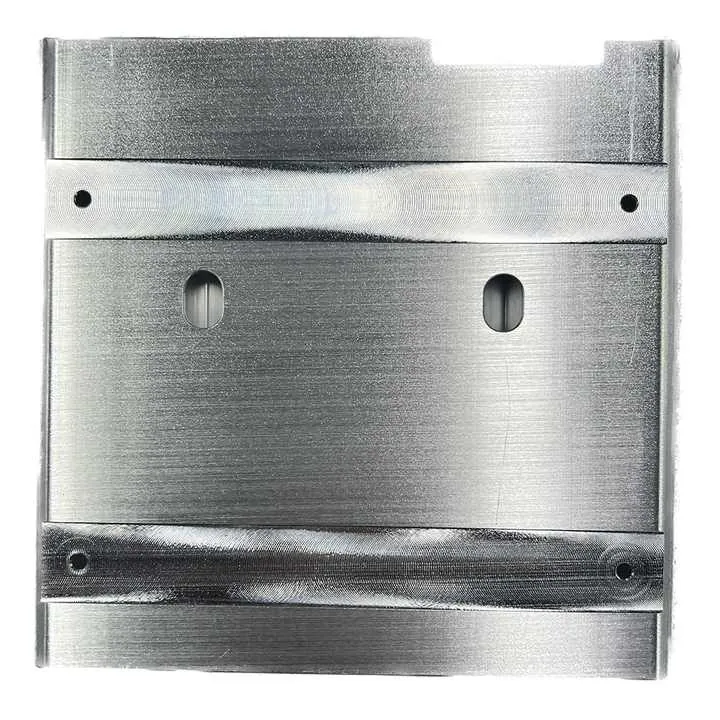
When deciding between CNC and traditional methods, we look at what matters most. If you need many parts that must all be nearly identical, CNC is usually better. If the part has complex shapes, CNC can handle it.
Speed and repeatability
CNC machines work faster than manual tools. After setup, they run many hours without slowing down. Traditional methods require constant human control. CNC’s repeatability means you can make 100 parts and each will match the first one.
Complex shapes
Some parts have curves, deep pockets, or angles that are hard to make by hand. CNC software calculates paths that machines can follow exactly. This makes complex shapes easier to produce.
Reducing Waste
With manual cutting, mistakes can waste material. CNC cuts exactly where designed. This reduces scrap and saves material cost.
Better surface quality
CNC machines can produce smooth surfaces without extra finishing. This cuts down secondary work like sanding or polishing. Traditional tools may leave tool marks that need extra steps to fix.
Cost analysis
At first, CNC setup costs more. You pay for design and programming. Tools must be chosen for the job. But when you look at the full project, CNC often costs less for larger batches. Here is a simple cost comparison:
| Factor | CNC | Traditional |
|---|---|---|
| Setup time | Higher | Lower |
| Production speed | High | Medium |
| Part consistency | Very high | Lower |
| Scrap rate | Low | Higher |
| Skilled labor cost | Lower per part | Higher |
Overall, CNC shines where precision and volume matter. Traditional methods still have uses, like one-off parts or repair work, but CNC is usually the better choice when quality and consistency matter.
Which tasks benefit most from CNC processing?
Not every job needs CNC. But many jobs gain huge benefit from using CNC machines. Jobs with tight tolerances, complex geometry, or repeated runs are perfect for CNC. This includes parts that must fit into larger assemblies or machines.
Tasks that benefit most from CNC are those requiring high precision, complex geometry, and consistent repeatability over many parts.
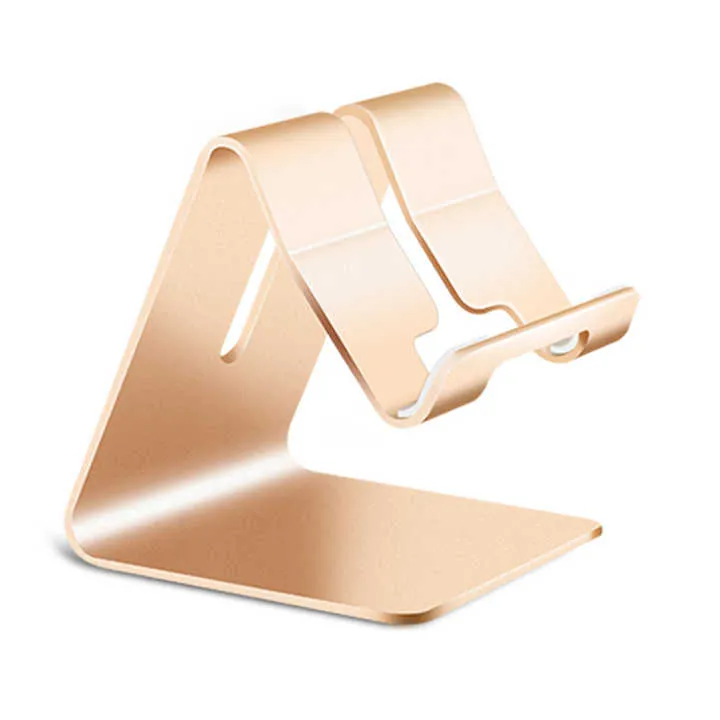
CNC is not just for metal. It also works on wood, plastics, composites, and more. Here are common tasks that benefit most:
Precision parts
Parts with tight tolerances need CNC. A tolerance is how much error is allowed in size. Some parts must be within very small limits. CNC can make parts within thousandths of an inch.
Complex geometry
Shapes with curves, angles, and pockets are hard to make by hand. CNC machines calculate paths to cut these shapes accurately.
Repeated production
When making many copies of the same part, CNC is ideal. Once the code is ready, the machine will produce part after part that looks the same.
Prototyping
New product designs often need prototypes. CNC can quickly cut the first samples for testing.
Engraving and text work
CNC can also carve text and patterns. This is useful in signage, branding, and decorative parts.
Materials beyond metal
CNC machines can work with many materials. Woodworkers use CNC for furniture and art. Plastic parts for electronics can also be cut by CNC.
Where is the CNC process applied?
CNC is everywhere in modern manufacturing. You might not see the machines, but their work is in many products you use every day. From cars to phones to medical tools, CNC parts are essential.
CNC is applied in industries that need precise, reliable parts, including aerospace, automotive, medical, and consumer electronics.
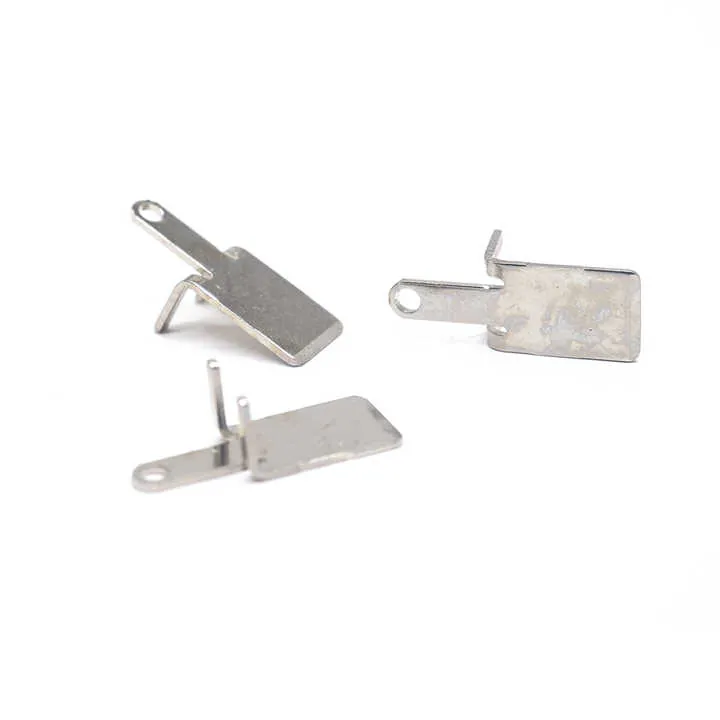
Aerospace and aviation
Aircraft parts must be precise and strong. CNC makes engine parts, brackets, and structural components. These parts need exact dimensions and high reliability.
Automotive industry
Car engines, chassis parts, and custom tools all use CNC. CNC makes many parts that go into engines and transmissions.
Medical devices
Medical tools and implants must meet strict standards. CNC can make surgical tools and bone implants with high precision.
Electronics
Small parts for phones, computers, and gadgets often need CNC machining. These parts are usually tiny and complex.
Custom manufacturing
CNC is also used in custom work like art, prototypes, and small batch runs. It gives flexibility for short runs and special designs.
Tool and die making
CNC makes molds and dies that are used to shape parts. These tools must be precise to make good finished parts.
Construction and architecture
CNC can cut architectural elements and custom building parts. These include metal frames, fixtures, and structural parts.
Conclusion
CNC is a powerful manufacturing method that uses coded digital designs to guide tools. It improves precision, speed, and consistency for many parts. From aerospace to consumer products, CNC is a key technology in modern production.