Used CNC machines may sound tempting when budget is tight. They cut costs upfront. They also bring risks if quality is unclear.
Yes. Used CNC machines can be worth it if they are checked well and matched to your needs. Choosing wisely lets you get strong value without high cost.
If you feel unsure about used machines, read on. The next parts help you check quality, see value drivers, and find reliable sources.
How to evaluate used CNC quality?
Used machines vary a lot. Some are almost new. Some are worn out. You must check condition before buying.
You check used CNC quality by looking at age, wear parts, maintenance records, machine history, and run tests. This helps see if it is still precise and reliable.
To find if a used CNC is good, you need a careful check. Here is how I check when I inspect a used CNC machine in person or ask a seller.
Machine history and paperwork
You ask for records. A well kept log shows when the machine was used, how much, and what parts were replaced. You also check if the control panel was updated, or if software is current. Old paperwork helps you trust the machine more. No history means risk.
Check critical wear parts
Focus on spindle, bearings, rails, ball screws, guides, coolant system, and electrical components. Worn spindle or bearings can cause bad cuts or vibration. Rails that are rusty or guides that are loose may cause errors. You look for visible wear, rust, play in movement, unusual noise. You ask seller to run the machine at different speeds.
Test a real job piece
Best test is to run an actual job piece with cutting material. You check surface finish, tolerance, repeatability. You measure if parts meet spec. A test cut can show alignment problems, backlash, or spindle heat issues.
Visual inspection and maintenance check
Check if the machine was cleaned. Dirty coolant, old chips, or rust may show poor maintenance. Ask when belts, filters, and coolant were replaced. Check electrical wiring, control cabinet, coolant lines. Clean, well-maintained machines likely survived better.
What to avoid or watch out for
- Machines with unknown history or missing records.
- CNCs with heavy rust or visible damage.
- Machines sold cheaply but located far – transport risk.
- Spindles with chatter or odd noise.
- Long idle time without run. Idle machines may hide mounting or alignment problems.
If you follow these steps, you greatly lower risk of buying a poor CNC. A careful evaluation can make used CNC purchase a smart choice instead of costly gamble.
Why buy refurbished CNC machines?
Used CNC often costs much less than new. But saving money is not the only reason. A refurbished machine can serve many needs well.
Refurbished CNC machines offer lower price, faster delivery, and only slight loss of performance. They let buyers start production quickly without big investment.
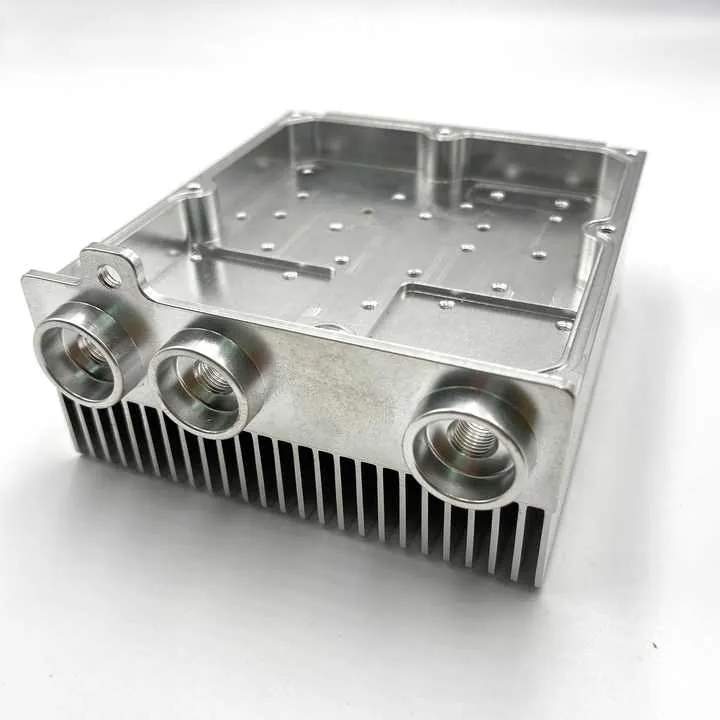
Here are reasons for picking refurbished CNC machines instead of new ones.
Lower cost and lower risk
Refurbished machines cost often 30–60% less than new machines. That cut in cost lets a small shop or a startup buy CNC tools earlier. You can invest extra money in tooling, setup, or materials instead of machine cost.
Faster availability
New CNC machines often require lead time: shipping, installation, calibration, training. That may take weeks or months. A refurbished machine is ready fast. You save time and start production quickly.
Proven track record of reliability
A refurbished machine shows it ran before. If maintenance is good, and parts replaced, it may work years more. Compared to a brand new machine that still needs fine tuning and learning curve, refurbished can be more predictable.
Environment and sustainability
Buying used saves resources. Less waste. Fewer new materials used. It fits better with a mindset to reuse and value what exists.
Good for low volume or occasional jobs
If your work is not high-volume, refurbished CNCs often meet requirements. You may not need the latest, fastest, or highest-spec machine. A refurbished one can do fine for moderate workloads.
Below is a table showing comparison between new, refurbished, and badly used CNC machines:
| Machine type | Upfront cost | Time to production | Risk of defects |
|---|---|---|---|
| Brand new CNC | High (100%) | Longer (install, setup) | Low (if from good vendor) |
| Properly refurbished | Medium (40–70% of new) | Short (ready quickly) | Moderate (depends on inspection) |
| Low‑quality used | Low (20–40% of new) | Short | High (many unknowns) |
This table helps you weigh options. If budget or time is tight, refurbished machines often give best balance.
Which used models hold value?
Not all used CNC machines are equal. Some brands and models keep value strongly. Others drop fast. You can aim for used CNCs that hold value long.
Used CNC models by reputable makers and with replaceable parts often keep value. Machines with popular control systems or parts stay easier to resell or maintain.
Here are traits of used CNC machines that tend to hold value and what to check if you want long‑life or resale potential.
What makes a model value‑worthy
- Well‑known brand or manufacturer with global support.
- Standard control system or widely used controller (e.g. Fanuc, Siemens, Heidenhain).
- Common parts and support availability worldwide.
- Heavy duty frame, rigid build, stable for many years.
- Service history and part replacement record.
Example of models that often hold value
| Model / Maker | Notes / Strengths |
|---|---|
| Popular mid-size CNC mills with Fanuc control | Easy to maintain, global parts support |
| CNC machines from established European or Japanese builders | Good build and resale market globally |
| Machines with modular parts and documented maintenance | Easier to inspect and refurbish parts if needed |
Machines with rare or local-only parts may face depreciation fast. If you plan to resell or keep long time, pick widely supported brands.
Why these models keep value
Brands with global reputation attract buyers later. They make parts and documentation widely available. Replacement parts are easier to source. That makes maintenance cheaper and reliable.
Also machines heavy built hold geometry longer. Light machines or home-shop machines may wear faster. Heavy duty CNC mills, good cast iron base, rigid structure resist wear. That stability helps value retention.
Moreover, control systems matter. A well-known controller makes future maintenance simpler. Newer or rare controllers may break easily with limited support. Buyers avoid rare controllers because service or parts are hard to find.
Tips for selecting value-retaining machines
- Prefer CNC machines with globally common controllers.
- Ask about part availability and whether seller holds spare parts.
- Inspect frame rigidity, base wear, and alignment history.
- Check availability of documentation, manuals, and wiring diagrams.
- Avoid niche, outdated, or custom-built machines with unknown support.
Choosing used CNC with these traits reduces risk of future failure. It also makes resale easier if you want to upgrade later.
Where to find reliable used CNCs?
Finding a strong used CNC requires research, network, and some caution. Not every listing is good. Some sellers overstate machine condition. You need to find trustworthy sources.
Reliable used CNCs come from respected dealers, vetted resale shops, equipment auctions, or direct factory upgrades. These sources often inspect, refurbish, and certify machines for sale.
Here are common places to look and what to watch out for when you search used CNC machines.
Used machine dealers and distributors
Professional dealers often buy used CNCs from firms upgrading machines or closing shops. These dealers inspect, test, and sometimes refurbish machines. They often offer warranty or short-term guarantee. They document maintenance and testing. Buying from a dealer gives more security than a random listing.
Equipment auctions and liquidation sales
Companies that shut down or upgrade their factories often auction old equipment. Auctions may list machines with photos, age info, running hours. Some auctions allow you to inspect machines before bidding. Auctions can give good deals. But no guarantee. You still need thorough inspection if you win.
Factory trade‑ins or upgrades
Manufacturers sometimes accept used machines as trade‑in when buyers upgrade. These machines often have good maintenance, logs, and may be refurbished before resale. They tend to be in better shape than random used machines.
Online marketplaces with detailed records
Some platforms list used CNCs with full history, photos, and contact to previous owners. You can ask for test run, parts list, and more. Good pictures, videos, and documentation help you evaluate remotely.
What to check before committing
- Ask for machine serial number, service history, run hours.
- Request videos of machine running under load.
- If shipping internationally, calculate transport cost, insurance, customs (if export/import).
- Ask about spare parts availability and support in your region.
- Check who ships it, and whether they handle disassembly and re‑assembly.
A checklist before purchase
| Checkpoint | Why It Matters |
|---|---|
| Maintenance and service logs | Shows history and care |
| Spindle and bearings check | Key for accuracy and long term use |
| Real test piece run | Confirms actual working condition |
| Inspection or video proof | Reduces risk when remote buying |
| Transport and installation plan | Avoids hidden costs and damage |
If you follow this checklist, you increase odds to get a machine worth its price. Even buying from abroad can work with good preparation.
Conclusion
Used CNC machines are worth it when you inspect carefully, pick reputable models, and buy from trusted sources. With right choice, you get strong value, decent performance, and lower cost. That makes used CNC a good path for many factories and workshops.