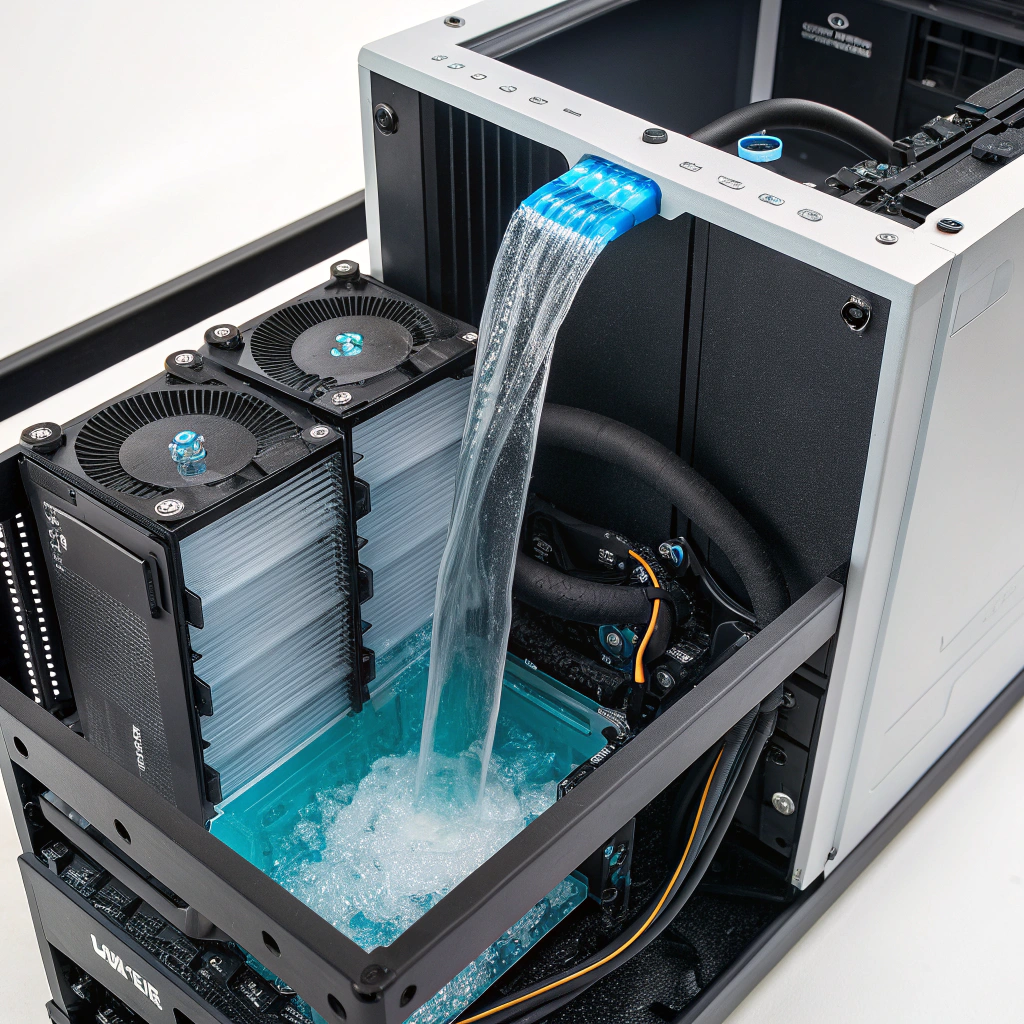
Vibration in liquid cooling systems is a common concern. Could this constant motion lead to leakage? Let’s explore why it’s a problem and how to design for safety.
Yes, a liquid cooling plate can leak under vibration. Over time, vibrations can weaken seals and joints, causing the system to lose its integrity and leak.
Understanding how vibration impacts the performance of cooling systems is crucial, especially for those designing or maintaining liquid cooling solutions in high-vibration environments. Let's dive into how vibrations affect sealing, and why some cooling plates fail.
What Vibration Effects Impact Sealing?
Ever wondered how vibration affects the tight seals in your cooling system? Let’s break down the effects and why they lead to failure.
Vibration can cause seal fatigue, misalignment, and loosening of fasteners, which are the main reasons for leaks. The constant movement stresses the materials, weakening the system over time.
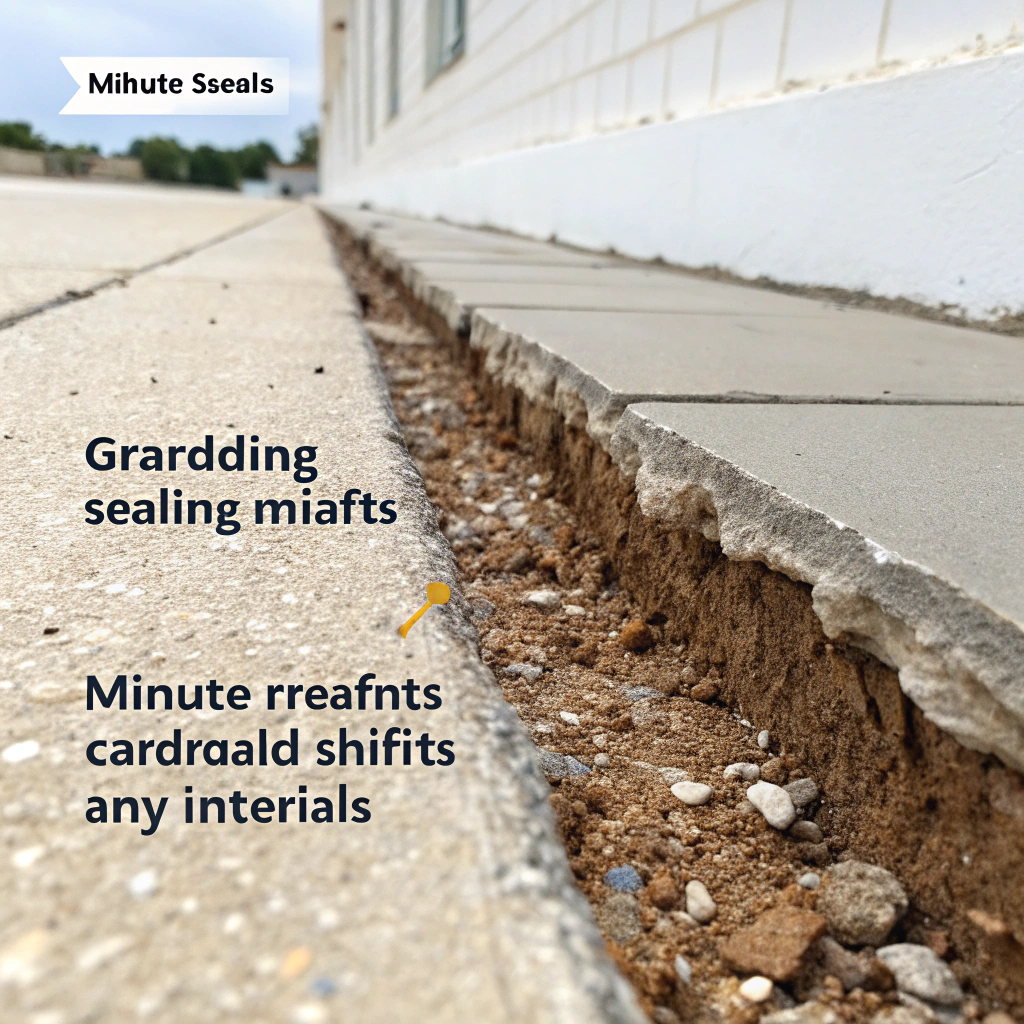
Vibration is a natural part of most machinery and electronic systems, but it’s also a major risk factor when it comes to leaks in liquid cooling systems. Cooling plates rely heavily on tight seals to prevent coolant from escaping, but vibrations can gradually damage these seals.
One of the first effects of vibration is seal fatigue. Seals, particularly rubber gaskets, are designed to compress and expand under pressure, but prolonged exposure to continuous vibrations can cause them to lose their elasticity. When this happens, seals are no longer able to maintain the necessary pressure to keep the coolant inside the system. In some cases, the seals can even crack, especially when exposed to harsh chemicals or temperatures.
Another impact of vibration is misalignment of components. Vibration can cause the cooling plate to move slightly, which can misalign the seal with its counterpart. This misalignment might not be immediately noticeable but can significantly reduce the effectiveness of the seal. Even minor shifts in position can create gaps through which liquid can escape.
Additionally, vibrations can cause the loosening of fasteners. Over time, screws, bolts, and other fasteners that hold the cooling system together may slowly loosen due to the constant motion. A slightly loose screw might seem insignificant, but it can cause parts to shift and create leaks where seals are compromised.
Finally, vibrations can cause micro-movements at interfaces between parts. These microscopic shifts might wear down the sealing material, eroding it over time. When these tiny gaps form, the integrity of the system is at risk, and leakage can occur.
In high-vibration environments, such as automotive or industrial systems, these issues are even more pronounced. Design strategies like vibration-damping materials, lock washers, and reinforced fasteners are essential to mitigate these effects.
[claim claim="Vibration can cause seal fatigue, misalignment, and loosening of fasteners" istrue="true" explanation="Vibration creates mechanical stress that compromises seals and joints, leading to leaks."]
[claim claim="Vibration has no effect on sealing integrity in liquid cooling systems" istrue="false" explanation="Vibration weakens seals, causes misalignment, and loosens fasteners, which increases the risk of leaks."]
Why Does Vibration Risk Leakage?
Vibration isn’t just a nuisance—it can actually break down the critical barriers keeping the coolant inside. Let’s see why vibration increases leakage risks.
Vibration risks leakage because it causes stress, misalignment, and loosening of critical components. Continuous motion weakens the seals, ultimately allowing coolant to escape.

The primary reason vibration risks leakage is due to the repetitive mechanical stress it puts on the cooling system. The seals, joints, and fasteners that keep the coolant contained are designed to maintain their integrity under normal operating conditions. However, when subjected to constant vibrations, they undergo repeated deformation and movement.
One of the main causes of leaks due to vibration is stress concentration. Vibration causes forces to concentrate at certain points on the system, particularly around seals and fasteners. These localized stresses can create tiny cracks or deform the seal, making it less effective at preventing leaks. Over time, this wear and tear leads to a weakened seal and a higher risk of leakage.
Another contributing factor is misalignment. As vibration moves through the system, parts may shift slightly, causing the seals to become misaligned with their corresponding surfaces. This misalignment can create gaps where the seal no longer provides a tight fit, allowing coolant to escape. While this shift may be microscopic, it can still be enough to compromise the system’s integrity.
Additionally, the constant motion from vibration causes loosened fasteners. Nuts and bolts are often used to secure the cooling plate and seals in place, but vibration can gradually cause them to loosen. Even if fasteners are torqued to the correct level initially, they may slowly become loose over time due to the constant mechanical stress. As a result, the seals may lose their position, and leakage can occur.
In industrial or automotive applications, where vibration is more intense, the risk of leakage increases. Special measures such as vibration-resistant fasteners, reinforced structures, and vibration isolation techniques are essential to reduce this risk.
[claim claim="Vibration causes stress, misalignment, and loosening of fasteners, which increases the risk of leaks" istrue="true" explanation="The continuous motion from vibration stresses components, causing seals to fail and fasteners to loosen."]
[claim claim="Vibration has no impact on the performance of liquid cooling plates" istrue="false" explanation="Vibration significantly affects the performance by weakening seals and loosening components."]
How to Design for Vibration Resistance?
How can you design a liquid cooling system that resists vibration? The answer lies in selecting the right materials, seals, and fasteners. Let's look at some design strategies.
Designing for vibration resistance requires using materials that absorb motion, securing fasteners that resist loosening, and optimizing the system to reduce stress. Proper design can significantly minimize leakage risk.

Designing a liquid cooling system that can withstand vibrations requires understanding how vibration affects the system's components. The goal is to prevent seals from losing their integrity, fasteners from loosening, and the overall system from becoming misaligned.
A good starting point is to use vibration-damping materials. These materials absorb vibrations and reduce the mechanical stress that would otherwise affect the seals and joints. For example, rubber or elastomeric gaskets can be used in place of more rigid materials, as they can flex and absorb vibrations without breaking down. Composite materials can also be used in the cooling plate itself to absorb vibrations and prevent stress from reaching critical seals.
Next, it is crucial to secure fasteners that resist loosening. Vibration-resistant fasteners, such as those with locking mechanisms or nylon inserts, are less likely to loosen under vibration. Additionally, torquing fasteners correctly and using lock washers can help ensure that fasteners remain securely in place during operation. In some cases, adhesive coatings or thread lockers can be applied to prevent the fasteners from loosening.
Another important design consideration is seal placement. Seals should be placed in positions where they can compress evenly and remain aligned with the cooling plate and other components. Ensuring proper alignment and adequate sealing pressure can help prevent the formation of gaps caused by vibration-induced misalignment.
Additionally, the use of reinforced structural designs can help resist deformation caused by vibration. Stiffening ribs and reinforcements in the cooling plate can prevent it from bending or flexing, which would otherwise compromise the seal. This structural integrity is particularly important in high-vibration environments such as automotive or industrial applications.
Finally, consider incorporating vibration isolation techniques. In some applications, vibration isolation mounts can be used to isolate the cooling plate from the rest of the system, reducing the transfer of vibration. This is especially important in systems that experience high-frequency or high-amplitude vibrations.
By applying these design strategies, you can create a cooling system that is much more resistant to vibration-induced leaks, ensuring long-term reliability and performance.
[claim claim="Vibration-resistant fasteners and proper seal placement are key to designing for vibration resistance" istrue="true" explanation="Using specialized fasteners and ensuring proper seal alignment can help prevent leaks due to vibration."]
[claim claim="Vibration isolation is unnecessary for most cooling systems" istrue="false" explanation="Vibration isolation helps reduce the transfer of vibration, preventing leaks in high-vibration environments."]
What New Tests Ensure Leak Safety?
How do you test a cooling system for leaks under vibration? New tests are designed to simulate real-world conditions and push the system to its limits. Let’s see how these tests work.
New testing methods, including vibration testing, pressure decay testing, and finite element analysis, ensure that cooling systems are leak-proof under real-world conditions.
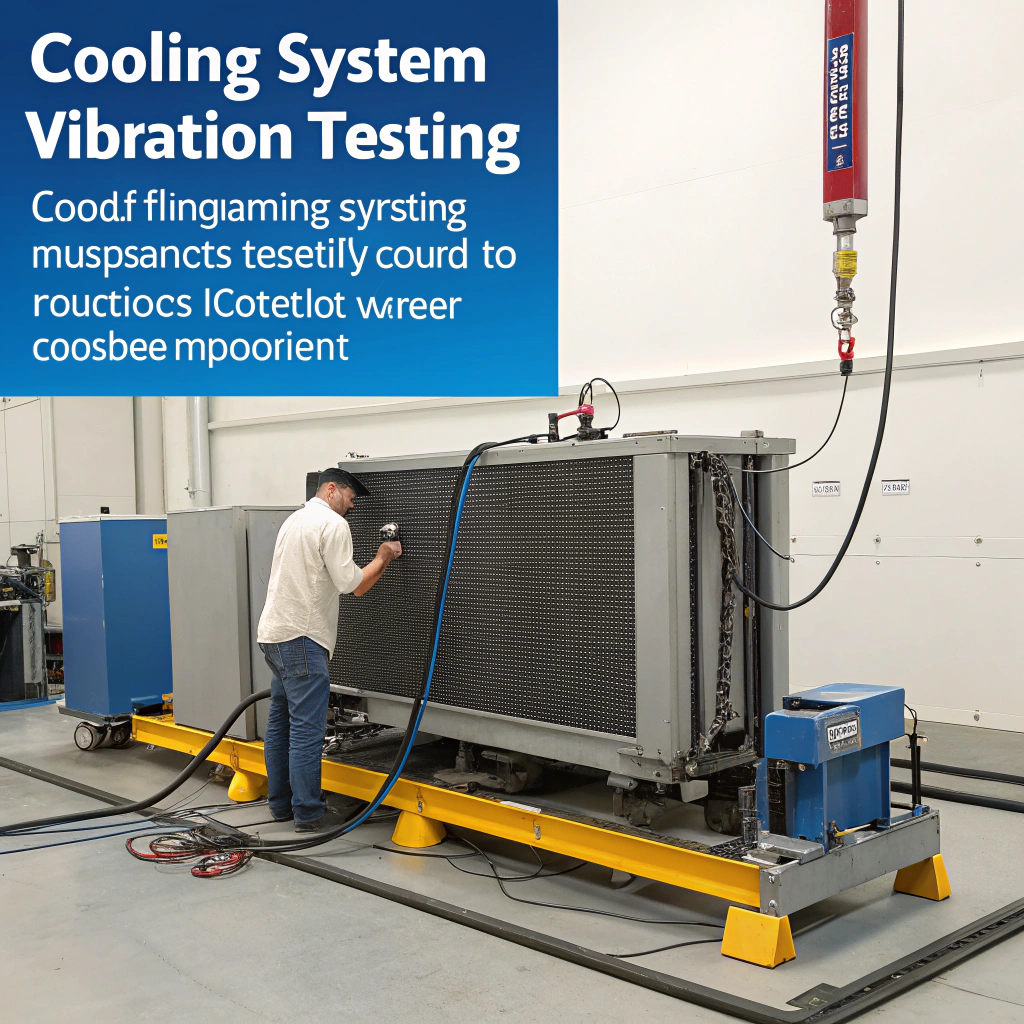
Testing is an essential step in ensuring that liquid cooling systems can withstand vibrations without leaking. Engineers and designers now have access to a variety of advanced testing techniques to simulate real-world conditions and identify potential weaknesses in the system.
One of the most common tests used is vibration testing, which involves applying vibrations at different frequencies and amplitudes to the cooling system. This test helps identify weak points in the system that may fail under stress. During this test, the cooling system is monitored for any signs of leakage, such as a drop in internal pressure. The test helps simulate the vibrations that the system might experience during operation, ensuring that it can withstand these forces without leaking.
Another important test is pressure decay testing. This test involves pressurizing the cooling system and monitoring for any decrease in pressure over time. If the pressure drops, it could indicate a leak. Pressure decay testing is often used in conjunction with vibration testing to ensure that seals and fasteners are secure under dynamic conditions.
Finite element analysis (FEA) is an advanced simulation tool used to model how vibration will affect the cooling system’s components. FEA software can simulate vibrations and predict how different parts of the system will behave under stress. This allows engineers to identify potential issues and make design improvements before physical testing begins. By using FEA, designers can optimize the system to ensure that it can handle the vibrations it will experience in real-world environments.
Additionally, thermal cycling with vibration is another test used to evaluate how the system performs under both temperature and vibration changes. Since temperature changes can affect the materials used in the cooling system, this test helps simulate the combined effects of temperature fluctuations and mechanical stress.
By utilizing these testing methods, engineers can ensure that cooling systems are robust enough to prevent leaks, even in high-vibration environments.
[claim claim="Pressure decay testing and finite element analysis help ensure leak-proof systems" istrue="true" explanation="These tests allow engineers to simulate real-world conditions and identify weaknesses in the design."]
[claim claim="Vibration testing is unnecessary for evaluating the performance of liquid cooling systems" istrue="false" explanation="Vibration testing is crucial to ensure that cooling systems can withstand the vibrations they will experience in operation."]
Conclusion
Vibration poses a significant risk to the integrity of liquid cooling systems, but with proper design, materials, and testing, leaks can be prevented. Implementing vibration-resistant solutions ensures long-term reliability and performance in high-vibration environments.