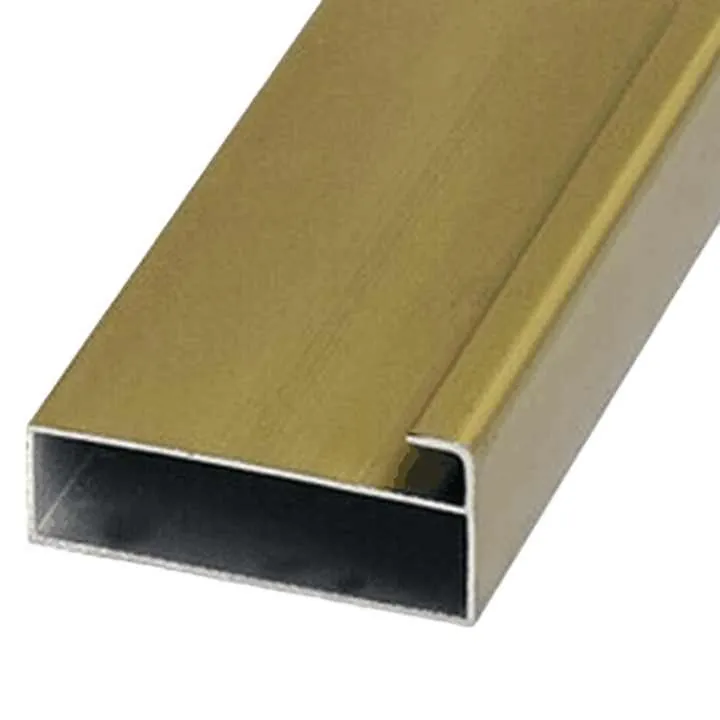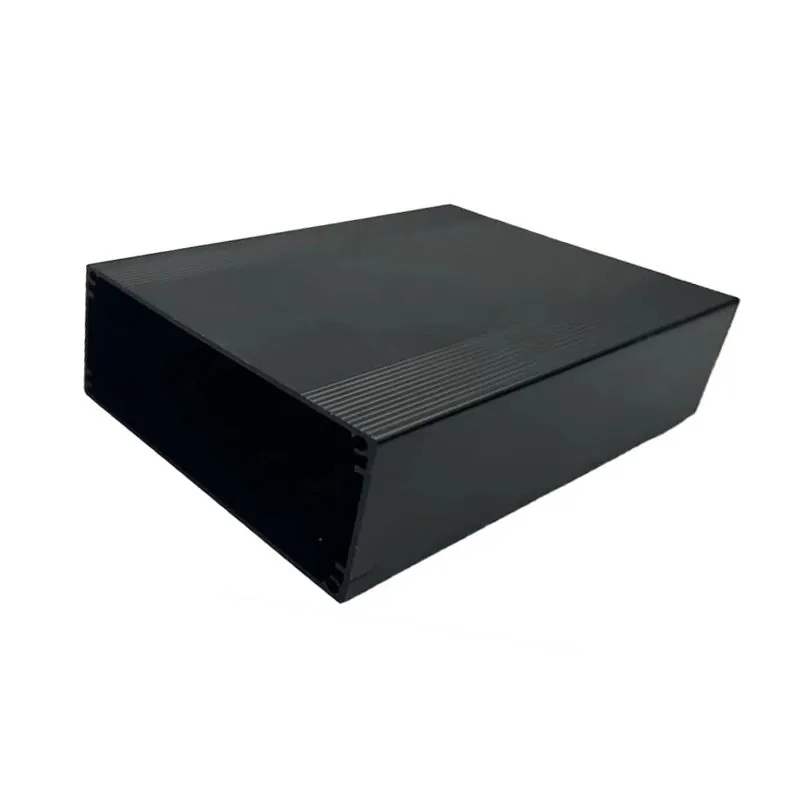
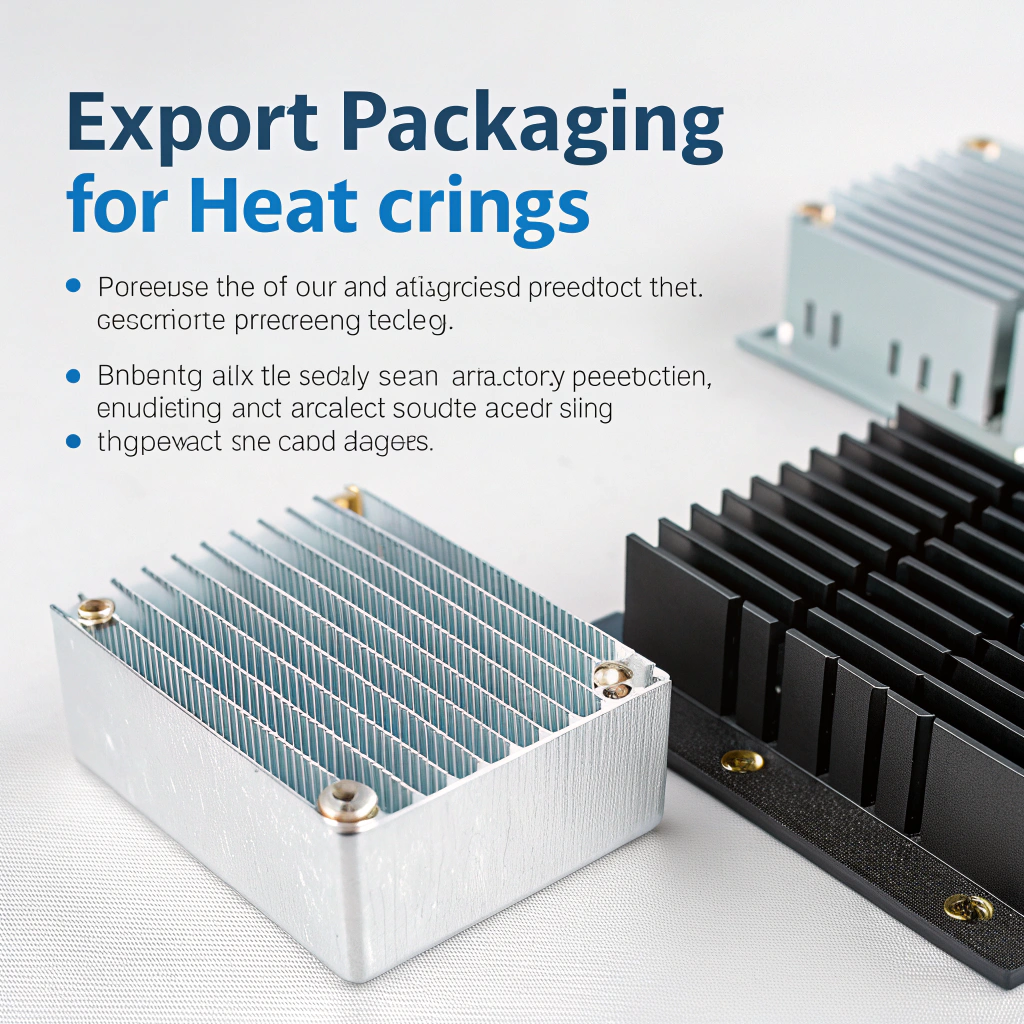
A buyer once told me, “Your heat sinks look great — but half of them arrived scratched.” That’s when I knew packaging isn’t just a box. It’s part of the product.
Heat sink manufacturers typically use foam trays, plastic film, anti-static bags, cardboard dividers, and export-grade cartons or wooden pallets for protective export packaging.
A well-designed packaging system protects products, saves costs, and ensures everything arrives just like it left the factory.
What export packaging do heat sink manufacturers use?
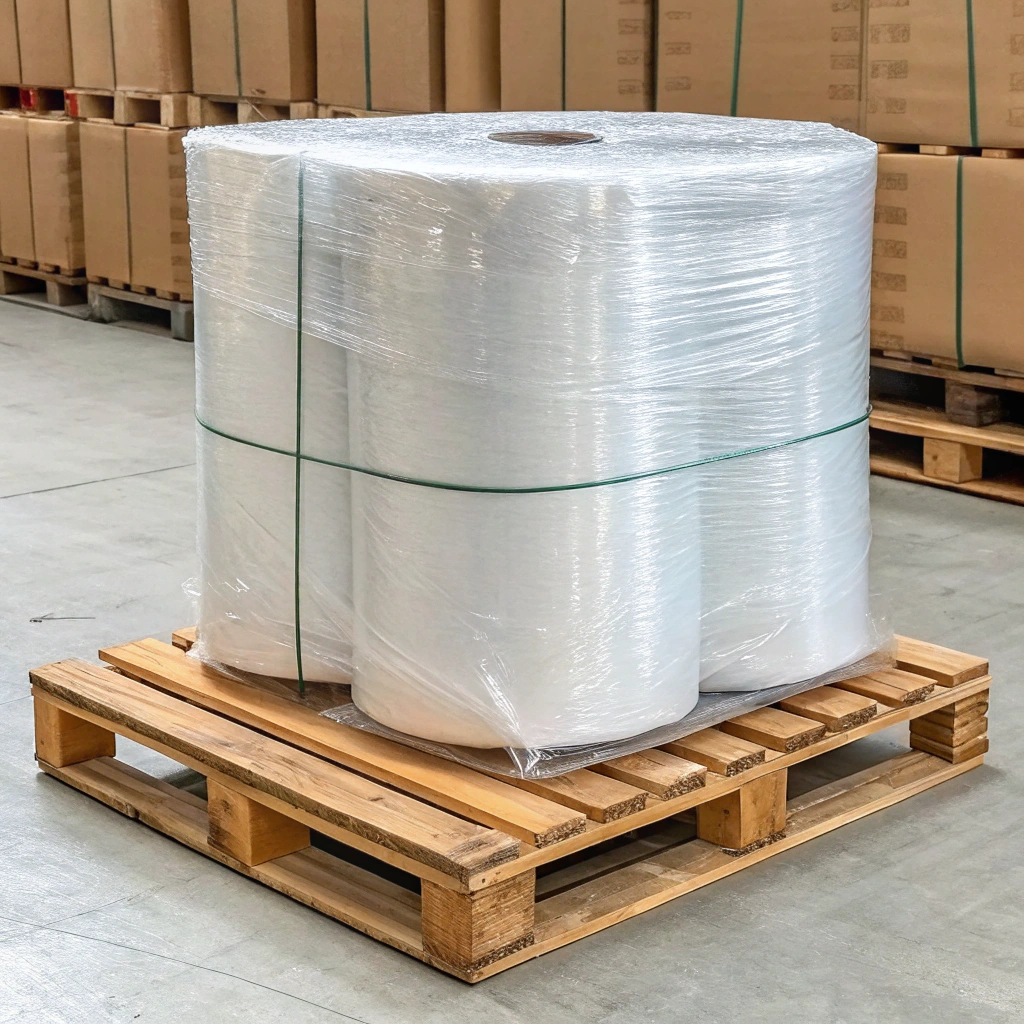
The way heat sinks are packed depends on their shape, size, surface treatment, and shipping method. Over the years, I’ve used a wide range of solutions to make sure aluminum parts reach customers without dents or dust.
Common export packaging for heat sinks includes PE bags, foam inserts, plastic corner protectors, bubble wrap, carton boxes with dividers, and fumigation-free wooden pallets.
Table: Common packaging types used in export
| Packaging Material | Purpose | When It’s Used |
|---|---|---|
| PE bags | Scratch prevention | For anodized or powder-coated parts |
| Foam trays | Impact absorption | For CNC or fragile profiles |
| Bubble wrap | Cushioning and vibration protection | For large or odd-shaped parts |
| Cardboard dividers | Prevent movement inside cartons | For mass production parts |
| Stretch film | Dust and moisture resistance | To wrap trays or bundles |
| Wooden pallet | Safe handling by forklift | For ocean freight or large batches |
| Carton with warning label | Visibility in logistics | Standard for air/sea shipments |
Most of my customers prefer parts to be packed in foam trays, then wrapped in plastic, and finally boxed in double-wall cartons. If the parts are heavy or oversized, we use edge protectors and strap the cartons onto export-grade pallets.
Sometimes, the packaging alone weighs as much as the heat sinks. But that’s the price of keeping them perfect.
Why is protective packaging valuable?

I once received photos from a customer: five heat sinks crushed during shipping. The loss wasn’t just money — it delayed their project. That’s when I learned why packaging must be part of the planning process, not an afterthought.
Protective packaging matters because it prevents surface damage, shape distortion, corrosion, and contamination during international transit and storage.
What can go wrong without proper packaging?
1. Surface scratches and dents
Aluminum is soft. Even a slight bump during transport can ruin the surface, especially for anodized or black-coated parts. If the surface is visible in your final product, scratches mean rejection.
2. Bending and deformation
Long, thin profiles are prone to bending under weight or vibration. Without proper support inside the carton or crate, they won’t arrive straight.
3. Oxidation or staining
If parts aren’t sealed properly, moisture or salty air during ocean freight can cause corrosion spots or discoloration — especially on bare aluminum.
4. Mixing and miscounting
Without dividers or labeling, small parts shift during shipping. That causes confusion during receiving and may lead to missing or mixed parts.
5. Broken fins or mounting tabs
Some CNC-machined heat sinks have delicate fins or small tapped holes. Improper packaging can damage these fine details, making the part useless.
Real cost of poor packaging
You might save $0.20 per unit by skipping better packaging — but lose $5 in rejected parts, plus days in delays. Worse, damaged shipments can hurt trust between buyer and supplier.
How to choose packaging for export shipments?
When I help customers plan export shipments, I always ask three questions: how fragile is the part, how far is it going, and how will it be handled?
To choose the right export packaging, consider the part’s finish, size, weight, sensitivity, shipping route, and the handling conditions from factory to customer.
Factors that influence packaging choices
1. Product sensitivity
Anodized, painted, or CNC-machined parts require non-abrasive protection — like PE bags, foam, or anti-static film.
2. Shape and dimension
Long extrusions over 1 meter need strong support and blocking inside the carton. Flat trays work best. For small parts, dividers keep them in place.
3. Order volume
Large shipments may be packed in layers with separators. Smaller quantities might use custom foam cutouts or bubble wrap.
4. Transport method
Air freight needs compact packaging to reduce cost. Sea freight requires moisture resistance and solid outer protection.
5. Climate and storage time
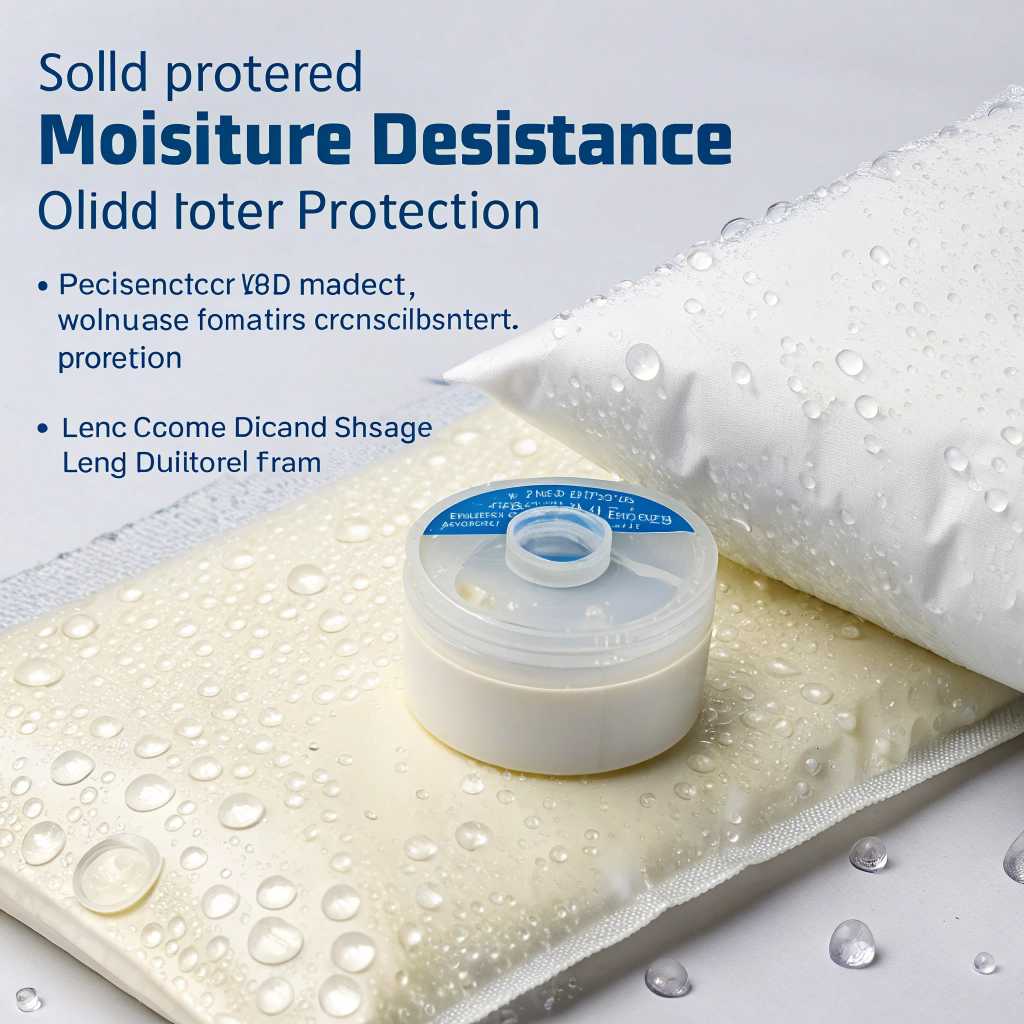
For humid regions or long-term storage, parts should be sealed with desiccant inside and wrapped tightly with stretch film.
6. End user expectations
If the parts are sold directly to consumers, the packaging also needs to look clean and presentable.
Table: Packaging Decision Guide
| Factor | Recommended Packaging |
|---|---|
| High surface finish | PE bags + foam insert |
| Long profiles | Carton with inner support and straps |
| Ocean shipment | Plastic wrap + sealed pallet crate |
| Small machined parts | Foam trays with dividers in cartons |
| Fragile fins | Individual bubble wrap + label |
| Urgent sample delivery | Custom box + express label |
My general advice is: protect the part like it’s your final product. Because for your customer, it is.
What trends improve export packaging methods?
Over the last few years, I’ve watched packaging become more than just protective. It’s now part of efficiency, branding, and sustainability. That shift has helped me improve operations without raising costs.
Trends like automated packaging lines, recyclable materials, moisture control, and real-time tracking are improving export packaging in heat sink manufacturing.
Trends shaping modern packaging
1. Automation in packing
Larger factories are now using robotic arms, foam-in-place systems, or automated strapping machines. This improves packing consistency and saves labor.
2. Recyclable and green materials
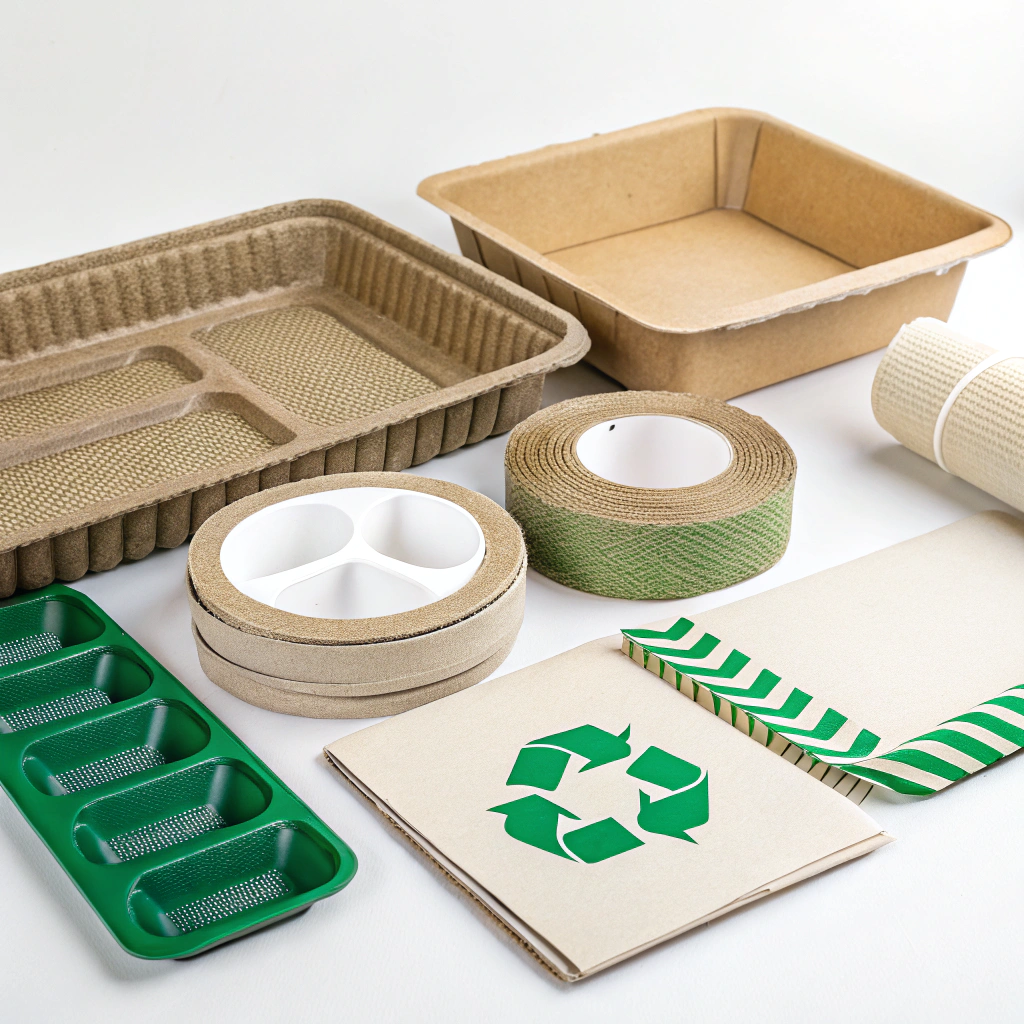
More customers request recyclable or biodegradable packaging. Corrugated trays, paper tape, and water-based adhesives are replacing plastic in some cases.
3. Custom foam inserts
CNC-cut foam or molded pulp trays ensure snug fit for complex parts, especially for fragile or odd-shaped heat sinks.
4. QR code and barcode tracking
Labeling every carton with QR or barcode allows better tracking, faster warehouse scanning, and easier customs handling.
5. Anti-rust packaging
For high humidity routes, VCI bags or anti-rust paper is added inside cartons to prevent oxidation of aluminum surfaces.
6. Smart packaging feedback
Some exporters are testing packaging sensors — small devices that log shock, humidity, or temperature — to monitor shipping conditions.
How buyers can benefit
- Ask your supplier to share packaging photos before shipment
- Request sustainable options if your brand values eco packaging
- Label part numbers clearly on outside cartons
- Confirm pallet size and weight for smooth customs clearance
- Ask for inner packaging that can go directly to your production line
These changes not only protect the part better, but also help reduce claims, speed up receiving, and support global logistics systems.
Conclusion
Export packaging in heat sink manufacturing is about more than filling a box — it’s about protecting precision, saving cost, and meeting customer expectations. By using foam trays, PE bags, anti-static film, and strong cartons on pallets, suppliers ensure the product survives the journey. With smart planning and modern trends, packaging can now be faster, greener, and even part of your brand experience.