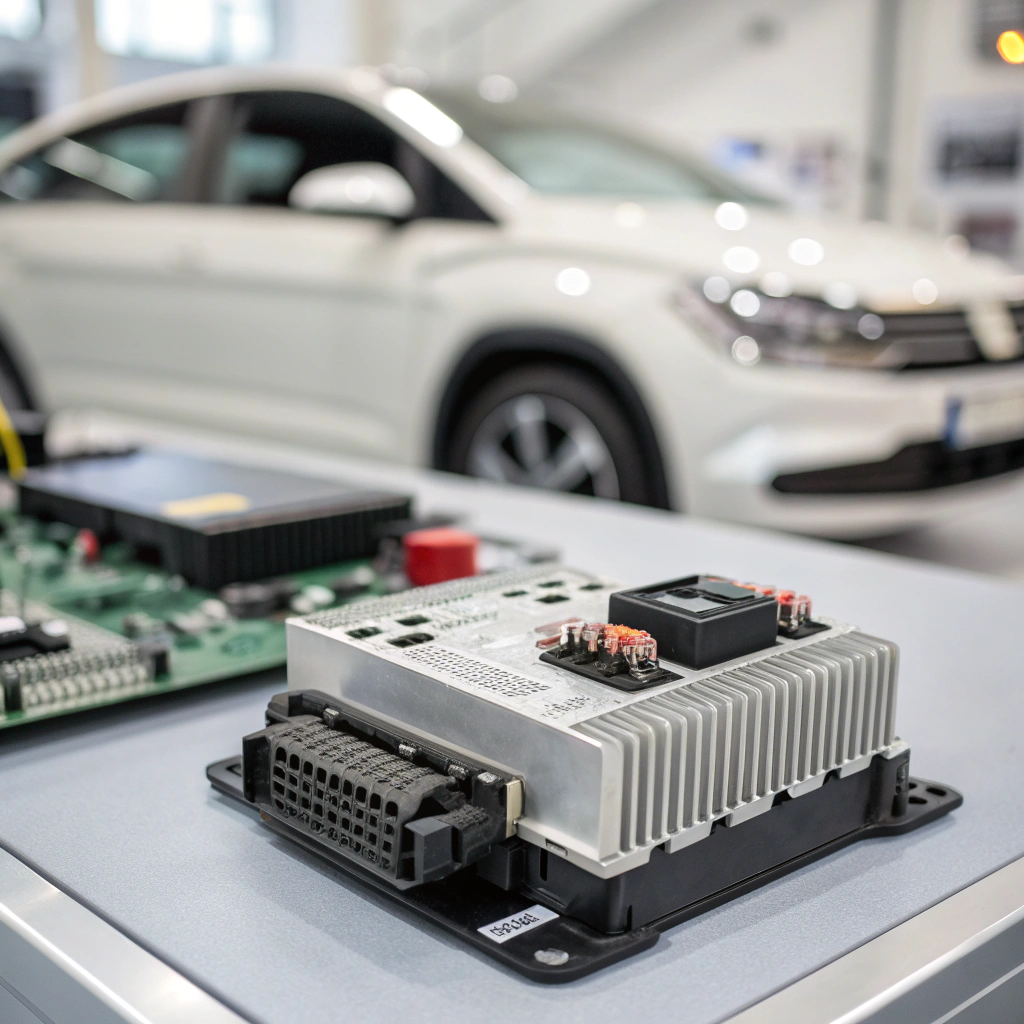
I once worked on an automotive control‑module project where the heat sink failed after a short period in a vehicle environment. The wrong design caused overheating and reliability issues.
Ensuring a heat sink is compatible with automotive electronics means meeting standards, resisting vibration, passing rigorous tests, and surviving extreme temperatures.
Here I walk through which heat sinks meet automotive standards, how vibration affects design, what tests confirm compatibility, and whether heat sinks can handle extreme automotive temperature ranges.
Which heat sinks meet automotive standards?
In automotive electronics, heat sinks must comply with a variety of standards and be tailored for vehicle environments rather than simple consumer electronics.
Automotive‑capable heat sinks are those designed for environmental loads, mechanical stresses and long‑term reliability as specified in automotive standards such as ISO 16750 and others.

When I evaluate heat sinks for automotive electronics, I pay attention to the following:
Key automotive standards & requirements
- ISO 16750: This covers environmental conditions and testing for electrical and electronic equipment in road vehicles — it includes mechanical loads (vibration, shock), climatic loads (temperature, humidity) and chemical loads.
- In addition, automotive projects often reference OEM‑specific standards for vibration, corrosion, thermal cycling and lifetime reliability.
- Material selection: Heat sinks intended for automotive use often have aluminium or copper alloys with coatings or treatments that resist corrosion, thermal cycles, mounting stress and ageing. For instance, some automotive heat sinks are rated for –40 °C to +125 °C continuous operation.
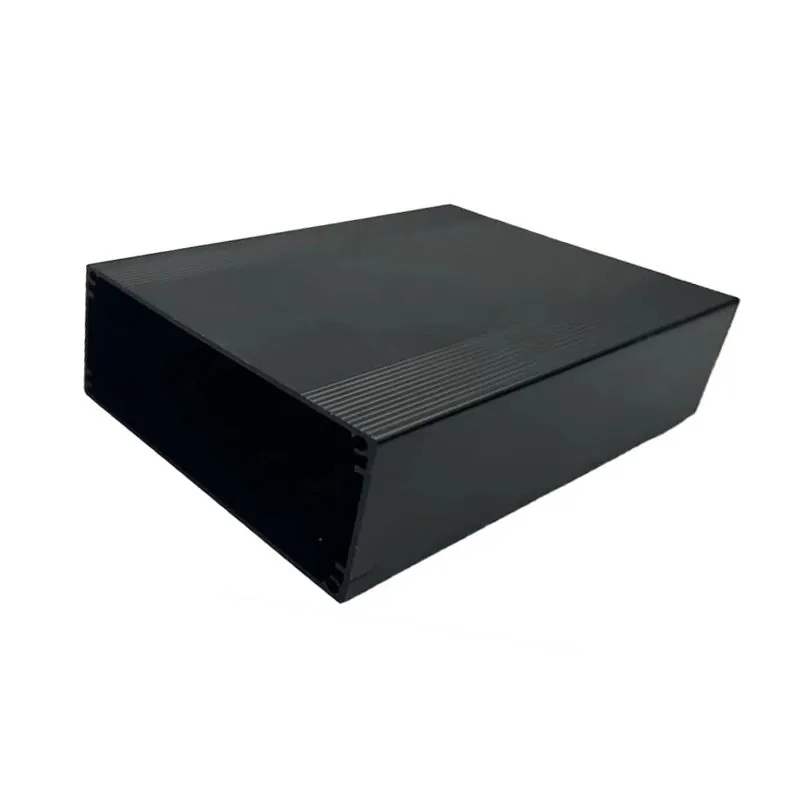
- Manufacturing quality: The heat sink must be made with consistent extrusion or machining, have proper surface finish, flatness for thermal interface, secure mounting features for vehicle vibration.
- Integration with electronics: The module in which the heat sink sits must account for thermal path, interface with component to heat sink, airflow or conduction path in packaging, and must be designed for automotive environment (sealed enclosures, under‑hood, battery pack, power electronics).
Typical automotive heat sink design types
Some typical heat sink types used in automotive systems include:
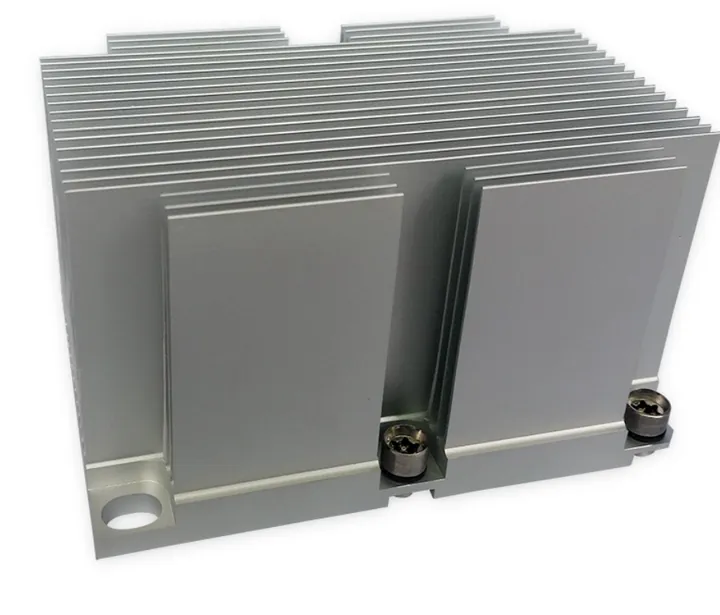
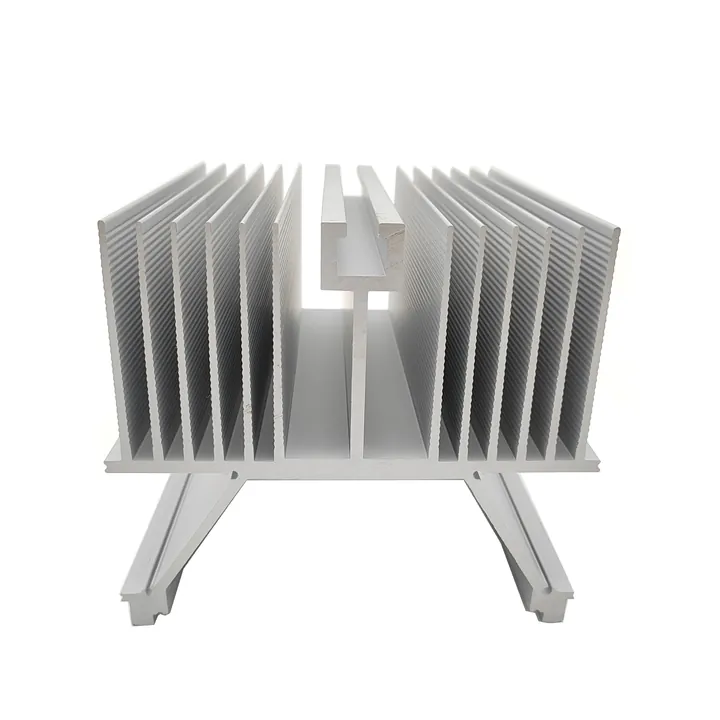
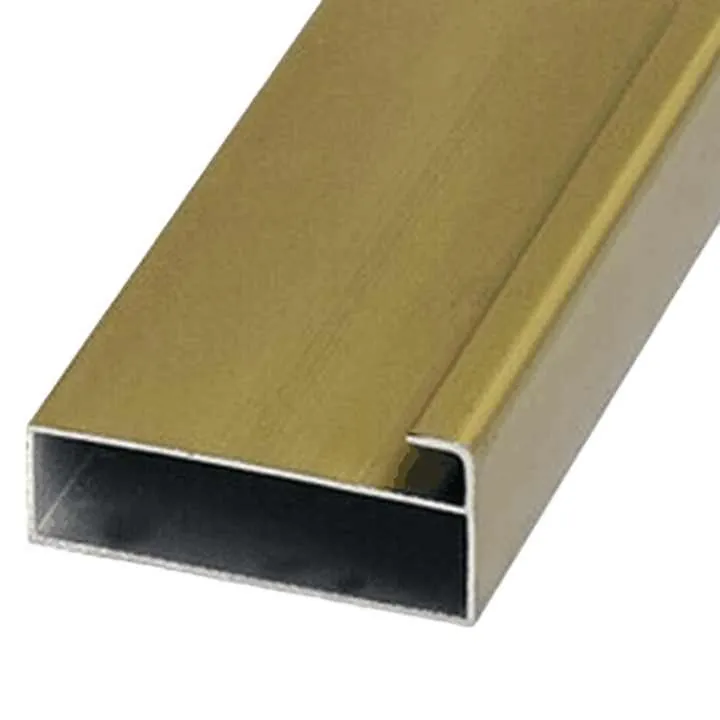
- Extruded aluminium profiles for power modules or LED lighting in vehicles.
- Die‑casting or forged heat sinks for compact high‑power modules or traction inverters.
- Cold‑plate or liquid‑cooled heat sinks in EV/HEV battery systems or high‑current inverters.
Practical assessment for OEM use
From my perspective: if a heat sink is labelled “automotive grade” or “vehicle‑environment rated”, I still ask for data: temperature range, corrosion resistance (salt spray), vibration and shock ratings, size, weight and thermal resistance. Because many heat sinks designed for consumer electronics (‑20 to +85 °C) will underperform in automotive (‑40 to +125 °C, extended cycles).
So recommending one: ensure the alloy, finish, mounting method, and interface are all designed for automotive standard loads.
In short: A heat sink meets automotive standards when it is built and tested to survive the harsh environment of the vehicle — including thermal, mechanical and chemical loads — not just casual electronics use.
How does vibration affect heat sink designs?
Vibration and mechanical shock are major value‑drivers or failure‑drivers in automotive electronics. A heat sink that works fine on a bench may fail in a car under vibration.
Vibration affects heat sink design by demanding robust mounting, structural stability, fatigue resistance and secure thermal interface between component and sink.
Mechanical challenges due to vibration
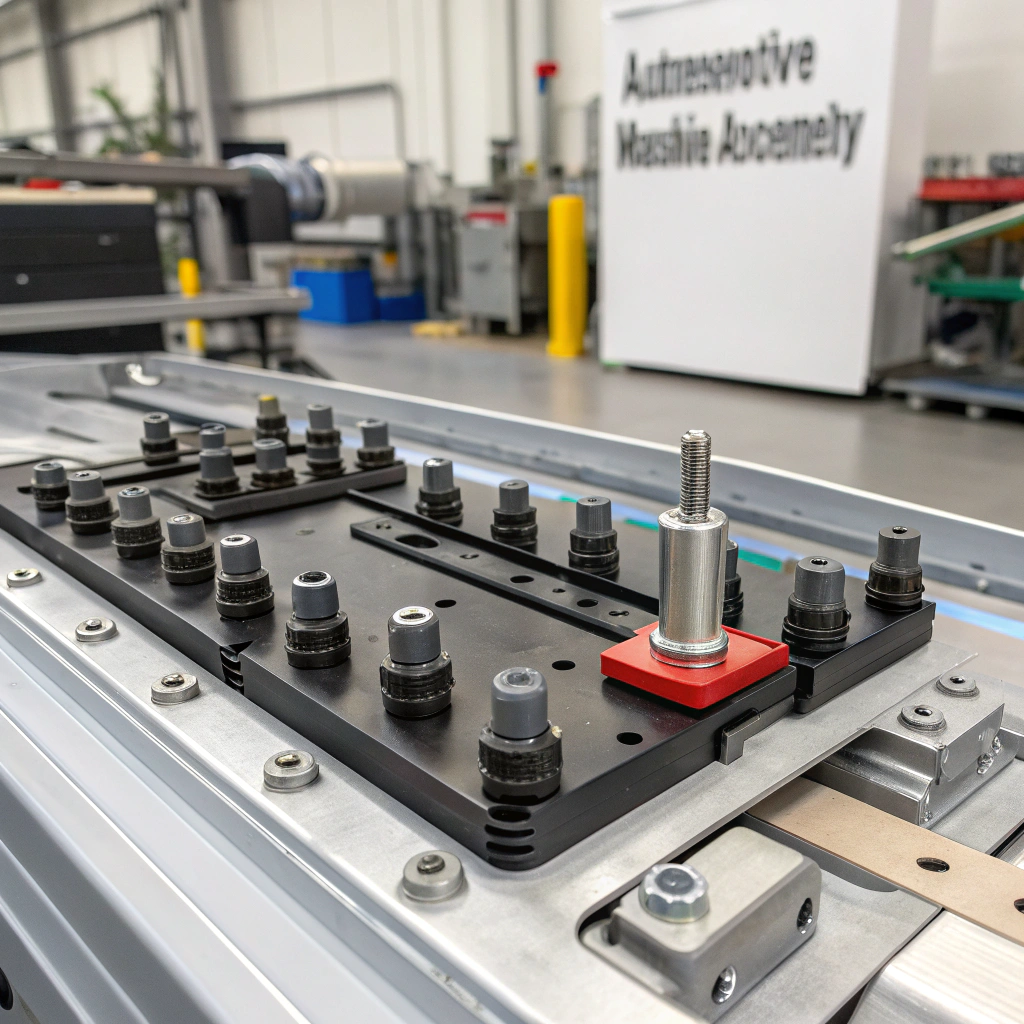
- Repeated vibration can cause loosening of mounting bolts, fatigue failure of fins or base plates, cracking of solder joints or bonds, and micro‑gaps forming in thermal interface. Over time these cause thermal resistance to increase and component temperatures to rise.
- Under‑hood or powertrain environments may subject heat sinks to amplitude vibration, harmonic frequencies, sudden shocks, which means the mount design must absorb or isolate loads and the heat sink body must resist fatigue.
- The heat sink base must maintain flatness and remain properly seated on the component or thermal interface pad. Vibration can cause slight micro‑movements, which degrade the thermal contact.
- The fin structure itself must be mechanically stable. Thin fins or high‐aspect ratio fins can resonate or deform under vibration. That affects airflow or conduction paths, eventually reducing thermal performance.
Design considerations I apply
- Material and geometry: Choose alloys with good fatigue properties and design fin geometry that avoids resonance in the expected vibration spectrum.
- Mounting method: Use secure fasteners, washers, locking mechanisms or adhesive bonding where needed. Sometimes I specify torque values and lock‑washers or adhesives in automotive modules.
- Thermal interface stability: I design the interface (pad or direct bond) so that vibration does not degrade the interface over life. I specify materials that are vibration‑rated and allow slight compliance but remain conductive.
- Fin attachment and body rigidity: I ensure the heat sink body and mounting base are stiff enough to resist deformation under vibration. In high power modules where the heat sink is part of a structural frame, the design must treat mechanical loads and thermal loads together.
- Simulation and testing: I work with the supplier to analyse vibration modes (FEA), check mounting resonance, ensure the heat sink doesn’t amplify vibrations to the board or components.
Impact on performance and reliability
If vibration is ignored: thermal interface degrades, heat sink mounting loosens, base contact gaps appear, thermal resistance increases, component temperature climbs, reliability suffers. In automotive environment with long life‑cycles (10+ years, 150,000 km+), that risk is serious.
Therefore, designing heat sinks for automotive electronics always includes vibration and shock as core parameters, on par with temperature and corrosion.
What tests confirm automotive compatibility?
In the automotive field, you cannot rely solely on thermal data: the full environmental load must be verified by tests. I always ask for test evidence before approving a heat sink for vehicle electronics.
Tests that confirm automotive compatibility include mechanical vibration and shock tests, thermal cycling, temperature extreme testing, corrosion/salt spray testing, and often end‑of‑life simulation tests per automotive standards.
Key test types and what they show
- Mechanical Vibration & Shock: Subject the heat sink (and module) to vibration profiles per the vehicle standard (for example sinusoidal and random vibration, shock loads). This assures mounting and structural integrity under dynamic loads.
- Thermal Cycling / Temperature Extreme Test: Heat sinks must endure repeated cycles from cold to hot (for example –40 °C to +125 °C or higher) and maintain mechanical and thermal performance. This tests fatigue, expansion/contraction mismatch, interface degradation.
- Corrosion / Salt Spray / Humidity Test: Since vehicles face moisture, road salt, chemical exposure, the heat sink must resist corrosion and coating degradation. Tests might include salt spray for specified hours or humidity chamber exposures.
- Thermal Performance Validation: Even if designed for automotive, you must measure the thermal path: thermal resistance under real load, verify heatsink maintains specified ΔT under vehicle ambient conditions (higher ambient, lower airflow).
- End‑of‑Life / Reliability Testing: Some modules run accelerated ageing (e.g., 1,000 h at elevated temperature, vibration, humidity) to evaluate long‑term drift of thermal performance and mechanical integrity.
Tests in context
When evaluating a heat sink for automotive electronics, I create a test matrix such as:
| Test Category | Typical Conditions | Verified Parameter |
|---|---|---|
| Vibration & Shock | 20‑2000 Hz random + 6 g shock, 50 cycles | Structural integrity, mounting looseness |
| Thermal Cycling | –40 °C ↔ +125 °C, 500‑1000 cycles | Interface gap changes, thermal resistance drift |
| Corrosion / Salt Spray | 96 h salt spray, 85 % RH at 85 °C | Coating integrity, corrosion rate |
| Thermal Resistance | Under worst ambient & full device load | ΔT vs specification, thermal path intact |
| End‑of‑Life Ageing | 1,000 h at +125 °C with load & airflow | Performance drift, safety margins |
Why tests matter
I once saw a heat sink that passed bench thermal tests but failed in a vehicle due to coating flaking and corrosion at the base which increased thermal resistance after 12 months of service. That taught me the importance of full environmental testing. Without full tests, you risk field failures and warranty issues.
Hence for automotive modules I always require a test report showing both thermal performance and environmental durability.
Can heat sinks handle extreme automotive temperatures?
Yes—if properly designed and specified—a heat sink can handle the wide temperature range found in vehicles and under‑hood environments. However, standard desktop‑electronics heat sinks are often not sufficient for automotive use.
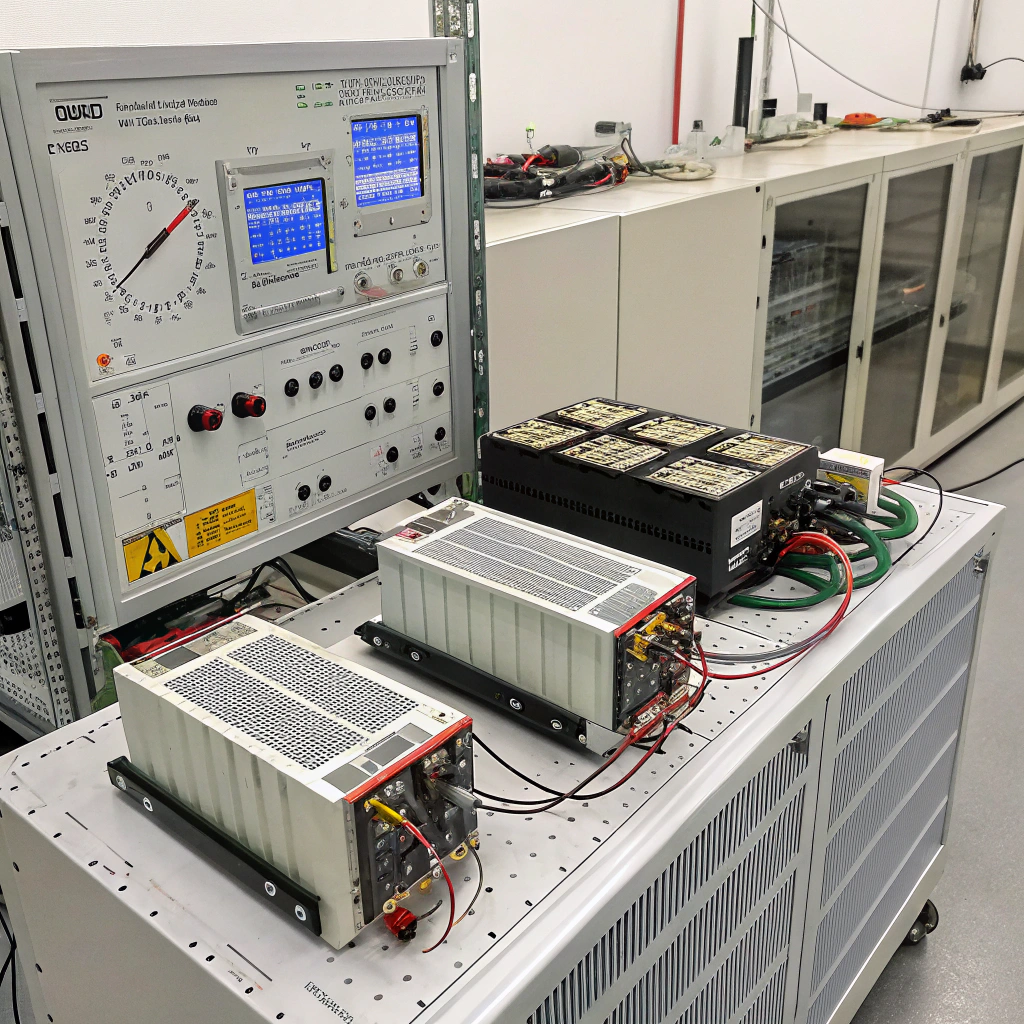
Automotive‑rated heat sinks are built to operate from around –40 °C to +125 °C (and sometimes up to +150 °C in short bursts) when placed in vehicle electronics environments.
Temperature ranges and their impact
- Ambient vehicle temperature may vary from –40 °C (cold start) to +85 °C (interior), but under‑hood or power electronics modules may see +125 °C or more.
- Some systems require temporary excursions to +150 °C or above during fault conditions or high ambient loads. For heat sinks, these extremes mean the material must retain mechanical properties, the interface must remain intact, and coatings must not degrade.
- Material selection influences performance: aluminium alloys are widely used, but the alloy used must maintain thermal conductivity, strength and thermal expansion compatibility at temperature extremes.
- Interface materials (pads, adhesives) must also survive the temperature range. If the heat sink base warps or the interface fails, thermal path breaks down.
Design considerations I apply
- Pick alloys rated for automotive temperature ranges (e.g., those specified for –40 to +125 °C continuous).
- Ensure finish/coating is qualified for temperature extremes: anodising, anti‑corrosion coatings must maintain integrity.
- Specify thermal interface material that is automotive‑qualified and rated for the same temperature extremes.
- Design mechanical mounting so that differential expansion across temperature extremes doesn’t cause detachment or interface gap growth.
- Validate thermal performance under worst‑case ambient + load + temperature. Because in a vehicle you may have high ambient + high load -> high junction temp.
Practical example
In one EV battery electronics project I reviewed, the heat sink was specified for continuous operation at up to +125 °C ambient and occasional exposure to +150 °C for short bursts. The supplier provided data verifying the alloy and the finish held up after 500 cycles from –40 to +125 °C, and salt‑spray exposure. Because the application was automotive, the specification required more than typical industrial.
If your module is located near engine or powertrain, you must treat it like a high‑stress temperature environment. If instead the module is inside a cabin with milder temperatures, the requirements might be less extreme—but you still design to vehicle durability.
So yes, heat sinks can handle extreme automotive temperatures, but only if designed, specified and validated for that purpose.
Conclusion
In automotive electronics projects I always emphasise: pick heat sinks that meet vehicle‑grade standards, design for vibration and mechanical load, require full environmental testing and make sure the specified temperature range covers the harshest conditions. Only then will the thermal solution support long‑term reliability, safe performance and assembly in the vehicle environment.