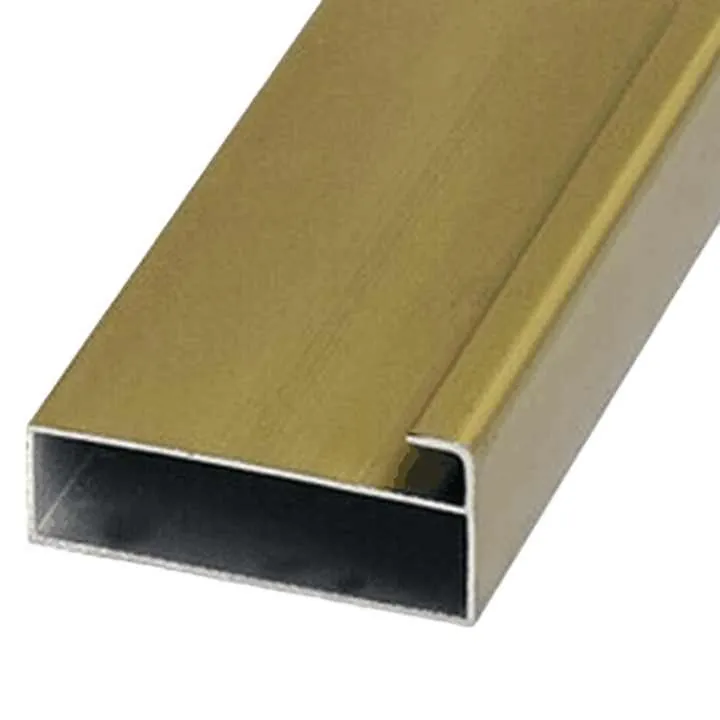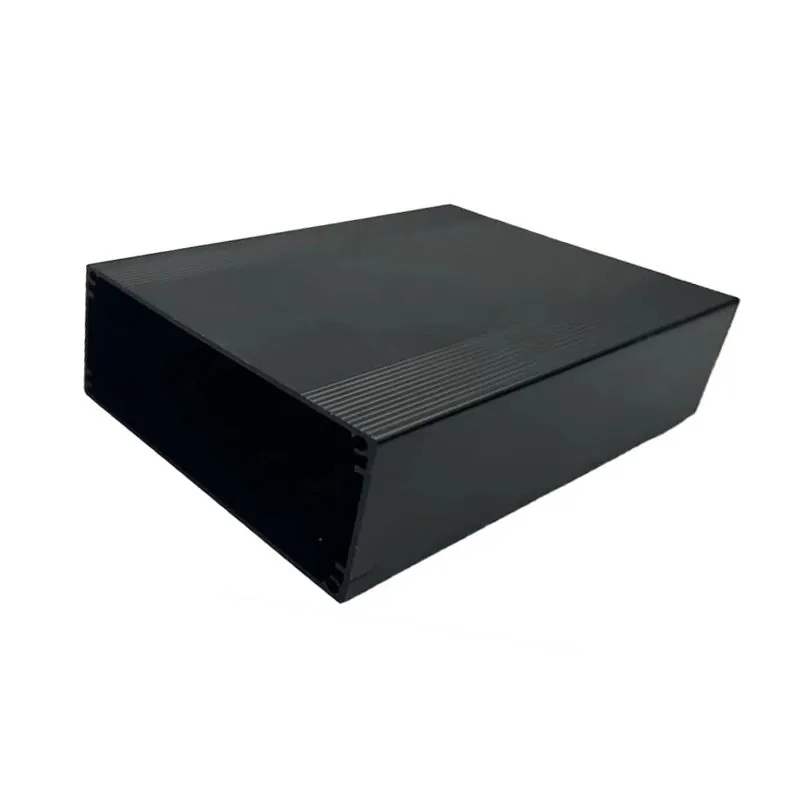

I once had a customer whose product launch hinged on when the heat‑sink parts would arrive. The stress of a delayed lead time almost derailed the launch.
For bulk orders of custom heat sinks, lead times can range from a couple of weeks to over a month, depending on tooling, process, quantity, and finishing.
Let’s walk through what typical timelines look like, how machining complexity stretches them out, which steps tend to cause delays, and whether you can accelerate delivery.
What lead times apply to mass production?
In one project we planned at Sinoextrud I asked: “When can full production start once drawing is approved?” The answer depended on whether the tooling existed and how large the order was.
For many extruded aluminium heat sink profiles, full production lead time after tooling approval is around 14–25 working days, or roughly 3–4 weeks.

Typical stages & time estimates
| Stage | Typical time for bulk run | Notes |
|---|---|---|
| Tooling/mould design & approval | 5–10 days (existing die) up to 30+ days | If a new die or mould is required |
| Extrusion/production setup | 1–3 days | Machine set‑up, billet loading |
| Production run | 7–20 working days | Depends on quantity and process |
| Finishing & inspection | 3–7 days | Anodising, powder coat, machining, QC |
| Packing & shipment | Varies | Depends on shipping mode and destination |
When I negotiated bulk orders, I always asked: “What is your capacity now? Can you meet X tons in Y weeks?” Because if a supplier is busy, the lead time might be longer. Also, for large container‑loads or custom alloys, lead time often extends beyond the baseline.
How does machining complexity change timeline?
Adding complex machining, intricate features, or tight tolerances significantly impacts lead time. When I built custom heat sinks that required multiple CNC operations, I noticed the timeline stretched.
The more complex the machining and finishing, the longer the lead time—because of additional set‑ups, slower cycle times, higher reject risk, and deeper inspection.
Why complexity adds time
1. More operations
If you require drilling, tapping, milling, cut‑outs, slots, or copper inserts, each additional operation adds setup and run time.
2. Tool changes & machine scheduling
Machines may already be booked for other jobs. Adding yours means waiting in queue. Also, changing tools takes time.
3. Inspection and scrap risk
Complex parts tend to have higher reject rates. The supplier builds in buffer time for inspection, rework and scrap recovery.
4. Finishing & re‑work
If the part needs a special surface treatment (deep anodising, powder coated in specific colour, wood‑grain finish), the finishing line adds days. On top, after finishing, sometimes parts need post‑finish machining or polishing.
5. Volume vs complexity trade‑off
If you order large volumes of simple profiles, the lead time might be 10–15 days. But if you order smaller volumes of highly machined parts, it might be 20–30+ days.
My recommendation
When you request a quote, ask the supplier to break out the lead‑time linked to each process. For example: “extrusion X days, CNC Y days, finishing Z days.” Then you can see where the biggest delays lie and make trade‑offs—like accepting a simpler finish to shorten time.
Which steps delay heat sink delivery?
From my experience at Sinoextrud and working with our supply chain, I found a handful of recurring delay drivers. Recognising these helps you plan and mitigate risk.
Common delay steps include tooling/mould creation, material/billet availability, finishing queues, quality inspection, and shipping bottlenecks.
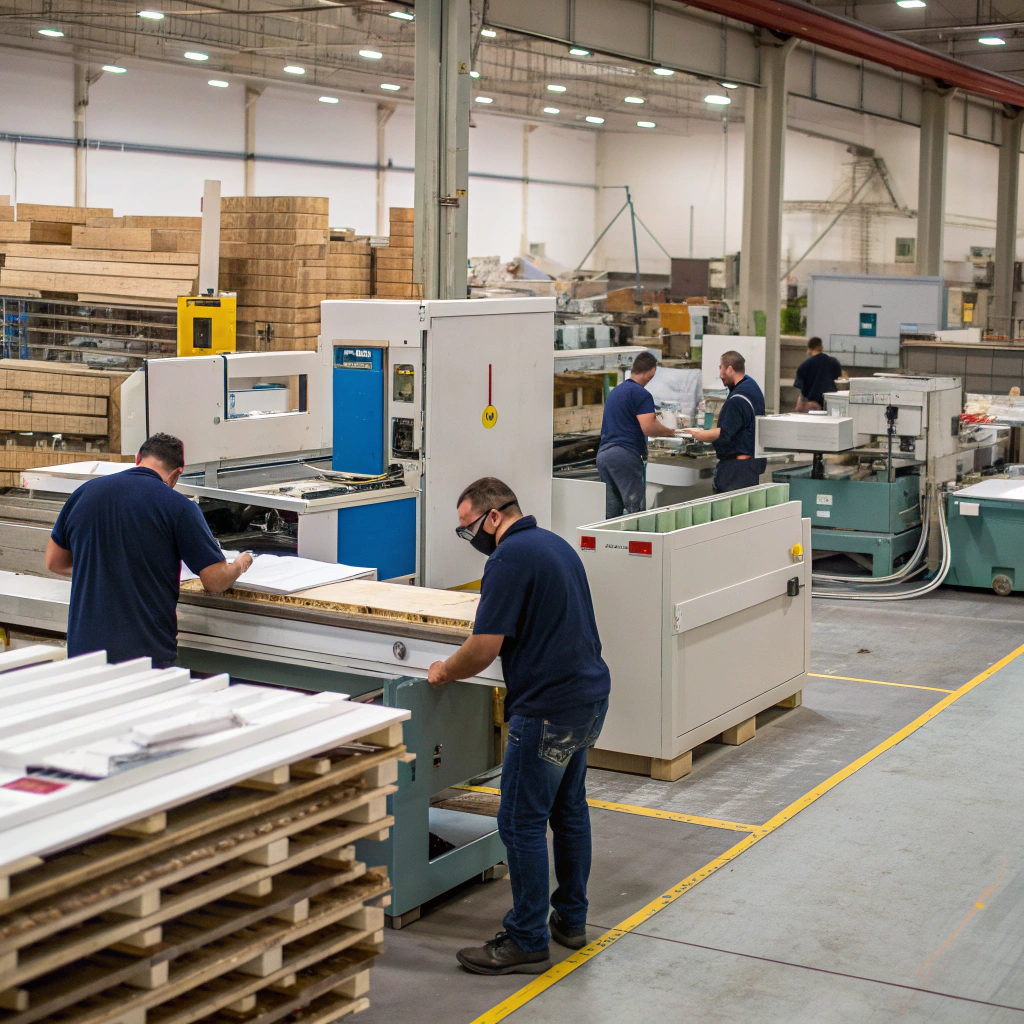
Detailed breakdown
Tooling or mould creation
If you require a brand‑new extrusion die or die‑casting mould, the lead time can add days or weeks. If tooling is reused, this step may be shorter.
Raw material or billet supply
If the alloy or temper is uncommon, ensuring billet availability may add delay. Stock shortages or long procurement cycles for special materials can bottleneck production.
Machine scheduling and capacity
If the factory is busy, your job may wait for available extrusion press, CNC cell or finishing line. Delays here often cause the biggest slip.
Finishing backlog
Anodising, powder coating or other surface treatment lines often serve many jobs. If your job waits in queue it adds days. Also, if re‑work is needed after inspection, finishing may need to be repeated.
Quality inspection and approval
If your parts have complex features or high tolerances, the supplier may need more inspection, testing and certification. If your customer demands extra QA procedures, that adds lead time.
Logistics and shipping
Even after manufacturing, packing, customs, and shipping (especially for export bulk orders) can add significant time. If you plan for “arrival at customer,” ensure you count shipping time.
My tip
Build buffer time into your project timeline. If you need parts by a fixed date, ask for “delivery ready to ship” date—not just completion date. Also ask: “What if tool fails or scrap rate is high?” Some suppliers include contingency; others don’t.
Are expedited options available?
Yes — you often can accelerate lead time, but you’ll likely pay more or accept trade‑offs. I’ve done this when our customer had a critical launch date.
Expedited options include using existing dies/tooling, reducing finishing steps, prioritising scheduling, and paying rush charges — all of which can cut lead time.
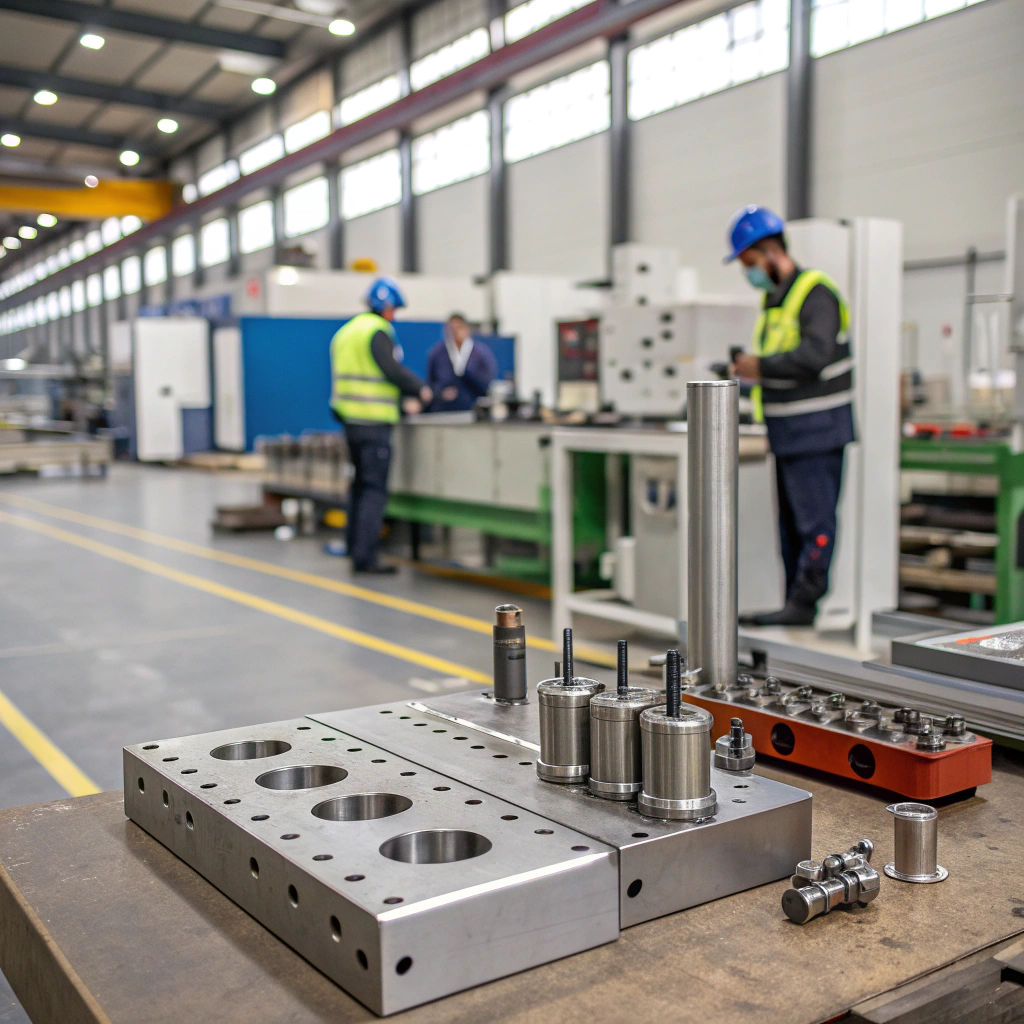
Ways to expedite
- Use an existing extrusion profile or die rather than creating a new one
- Simplify part: reduce machining operations, choose standard finish rather than custom colour
- Request “rush run” or “priority scheduling” from the supplier (may incur extra cost)
- Accept partial delivery: production in batches rather than full order at once
- Pre‑approve tooling and drawings quickly
- Pay for faster shipping mode (air freight or express container)
Caveats
- Even with rush mode, you can’t skip physical constraints: if the extrusion press or finishing line is full for the next week, you’re still waiting
- Quality must not be compromised: shorter time may mean less buffer for inspection or rework, so risk of issues may rise
- Cost will increase: supplier may charge rush premiums or require volume guarantees to prioritise your job
My story
We once required a batch of custom aluminium extruded heat sinks in only 10 days for a lighting launch. We used existing die, simplified finish to mill‑cut only, and arranged air freight. We paid about 20% extra in cost, but made the deadline and launch went live on time. It showed that yes, you can expedite, but it’s not free and choices impact cost or finish.
Conclusion
Lead time is a crucial piece of the customised heat sink supply chain. Bulk orders may take three to four weeks or more, depending on tooling, process and quantity. Machining complexity, finishing steps and supply chain scheduling all affect timeline. You can ask for expedited options, but expect higher cost or simplified specs. Planning ahead, approving drawings quickly, and understanding each step will help you hit your delivery date.