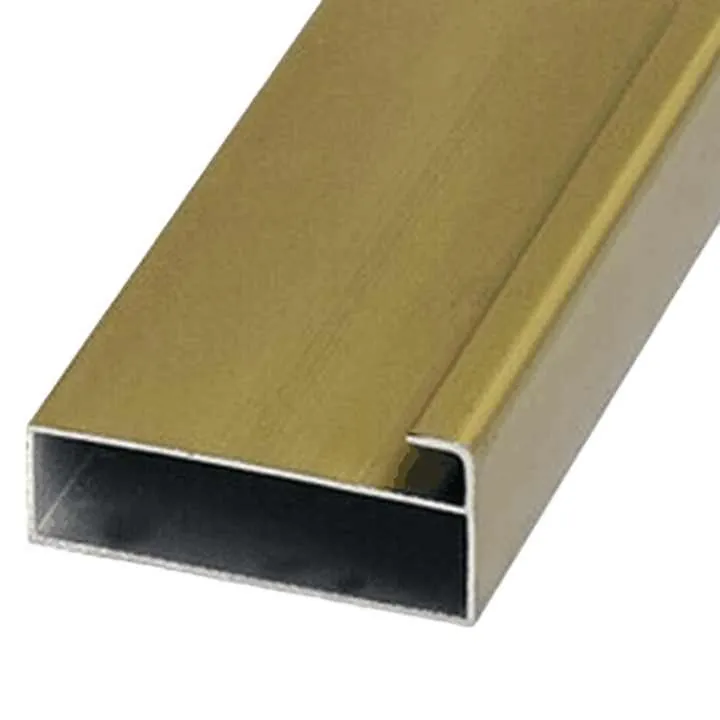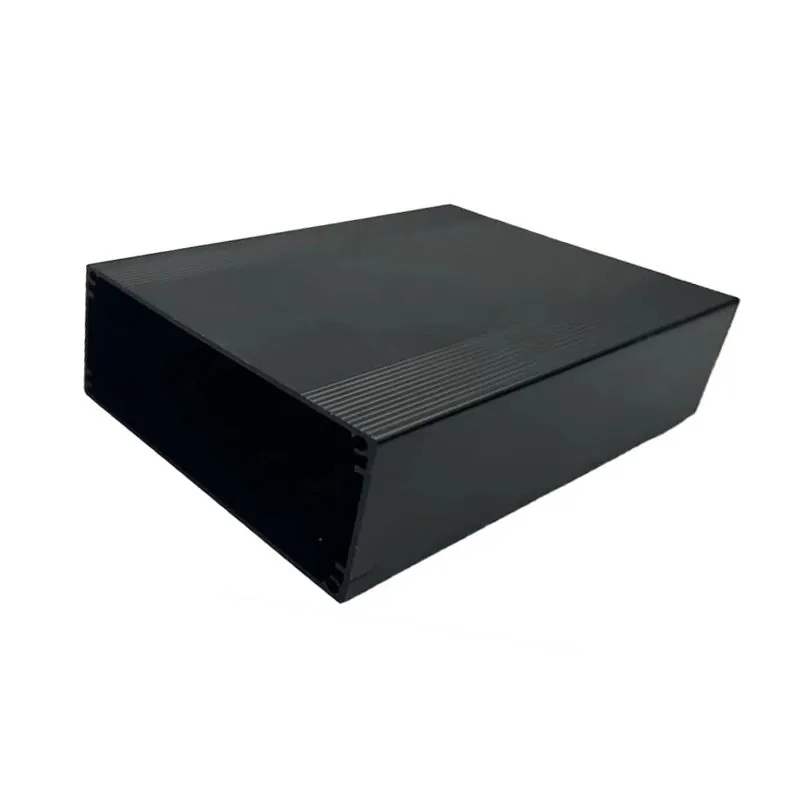

Cars generate more heat than ever before. When thermal control fails, it risks damage, shutdown, or worse. The key is choosing the right heat sink manufacturer.
A heat sink manufacturer for automotive cooling systems must design and deliver thermal solutions that meet automotive standards, performance targets, durability tests, and integration requirements.
If you're a buyer or engineer working with vehicle platforms, this question isn't just technical—it's critical. Let's break down what matters most when selecting a heat sink supplier.
What defines a heat sink manufacturer for automotive cooling systems?
Without clear standards, many suppliers claim they’re ready for automotive—but few actually are. This creates confusion for buyers and risk for end products.
An automotive-grade heat sink manufacturer is defined by their material expertise, quality systems, process control, and ability to meet automotive industry certifications.
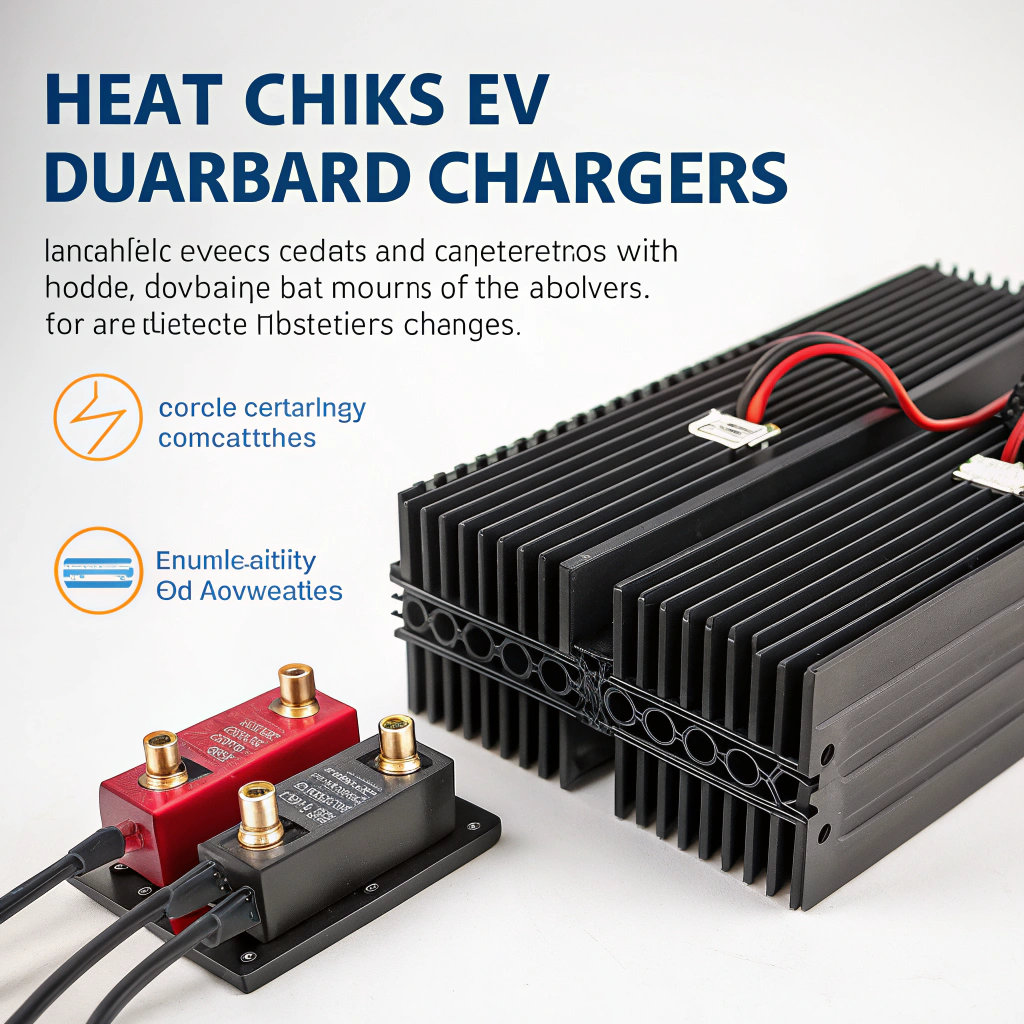
To meet automotive cooling requirements, a manufacturer needs more than the ability to shape metal. I’ve evaluated many factories across Asia and Europe. Here’s what truly defines a capable supplier:
Core Capabilities
| Criteria | Description |
|---|---|
| Material Quality | Uses certified aluminium alloys like 6061 or 6063 with high conductivity and corrosion resistance |
| Surface Treatment | Offers anodizing, powder coating, and corrosion-resistant finishes |
| Design Integration | Can collaborate early to match product geometry with cooling flow design |
| Manufacturing Process | Capable of extrusion, CNC, skiving, and friction stir welding |
| Automotive Certification | Holds ISO 9001 and IATF 16949 standards, with a complete traceability system |
| Testing and Validation | Provides vibration, thermal cycling, salt spray and pressure testing reports |
Real-World Capability Example
Some vendors may offer low-cost extrusions. But for EV inverters or onboard chargers, heat sinks must endure vibration, extreme temperature shifts, and exposure to moisture or chemicals. A qualified manufacturer will simulate those conditions and validate designs in advance.
Why This Matters
Working with a fully equipped manufacturer ensures every part meets your design intent and lifecycle goals. This lowers your risk, improves product life, and helps meet safety compliance from the start.
Why are heat sinks important in automotive cooling?
Electronic parts heat up fast when the vehicle accelerates or climbs hills. Without cooling, their lifespan drops fast. That’s the problem I faced on a past project with an electric bus fleet.
Heat sinks dissipate thermal energy from automotive electronics, ensuring safe operation, protecting parts, and preventing system failures.
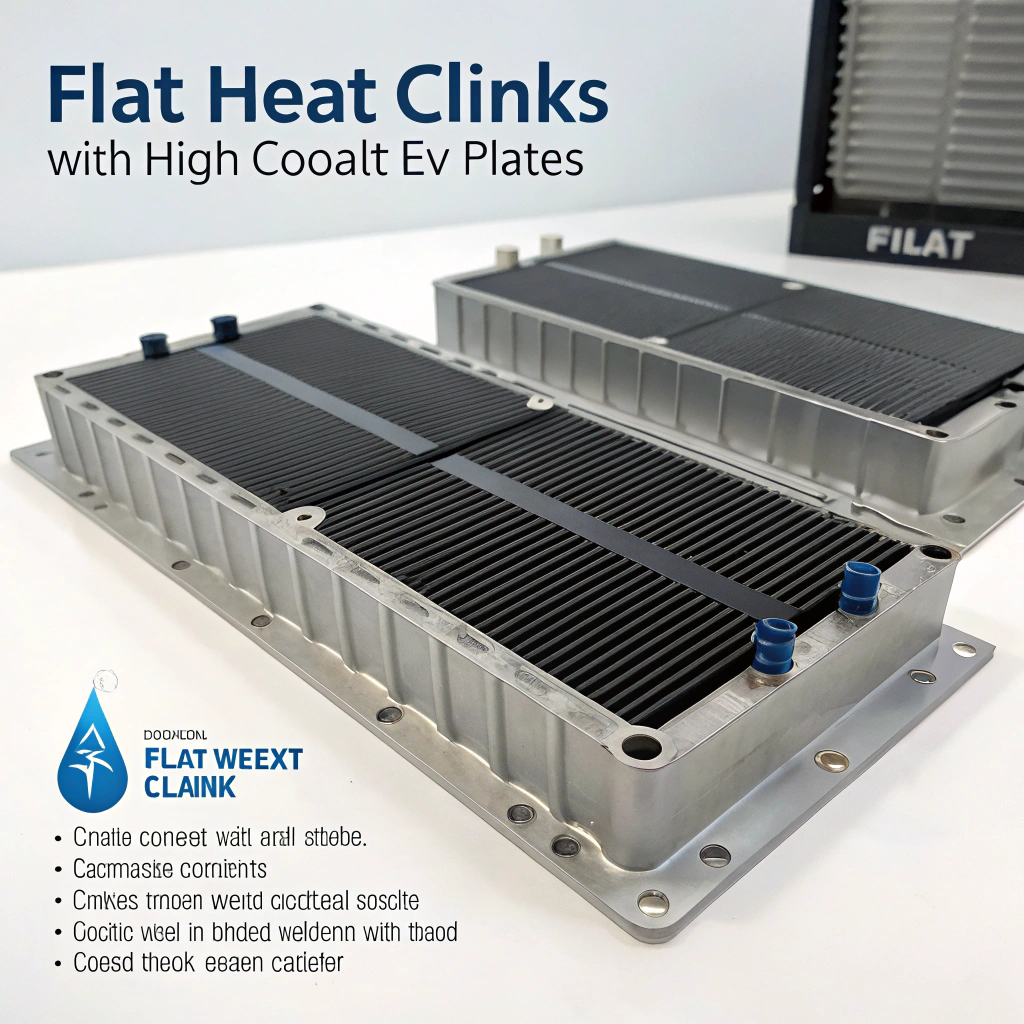
Cooling systems are no longer optional—they’re critical for EVs, hybrids, and smart systems. Let’s break down why heat sinks are now central to automotive design.
Key Applications in Vehicles
- Power inverters and DC-DC converters
- EV battery modules and charging systems
- Onboard computers, ADAS, and sensors
- LED lighting and infotainment control
- Motor control units and e-axle systems
Thermal Risks Without Proper Heat Sinks
- Overheating of semiconductors – Shortens lifespan or causes shutdown
- Battery thermal runaway – In extreme cases, may cause fire
- Loss of efficiency – Heat reduces energy conversion efficiency
- Component derating – Systems must slow down or reduce output to stay within safe temperature limits
How Heat Sinks Work
A heat sink draws thermal energy from a hot surface (like a MOSFET or power IC) and spreads it into the air or liquid around it. Most automotive systems use either:
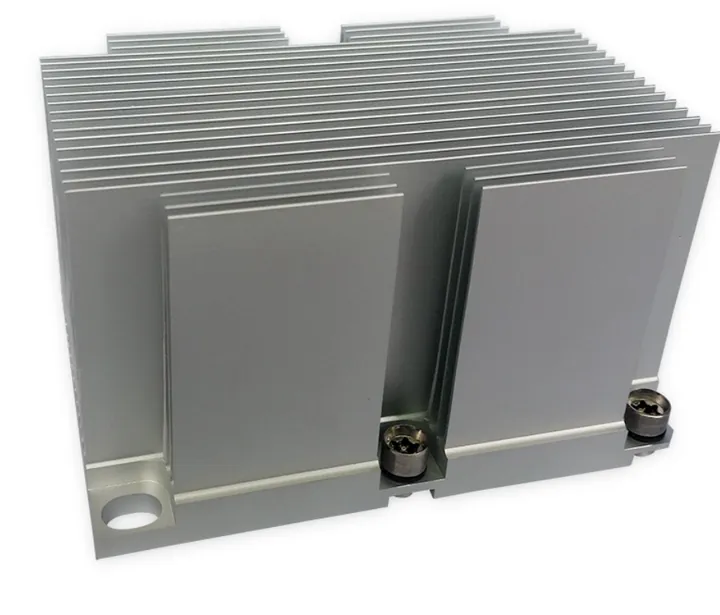
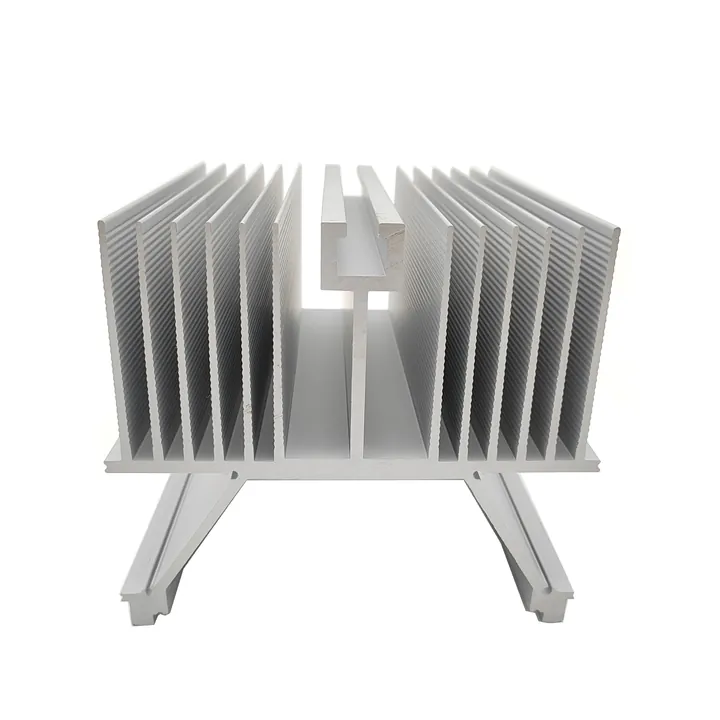
- Air-cooled extrusions – Aluminium profiles with fins
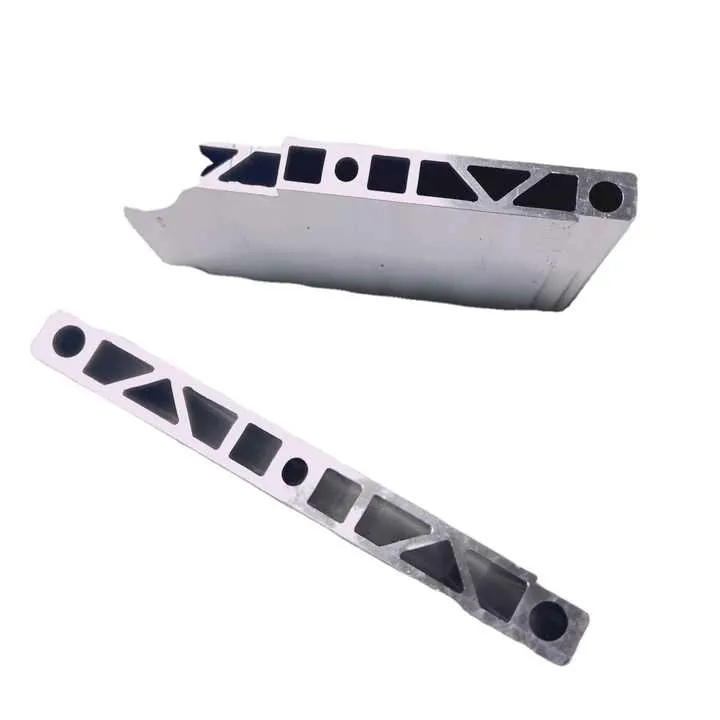
- Liquid-cooled cold plates – Flat heat sinks with coolant channels inside
For high-power EV systems, liquid cooling is more common. That requires the heat sink to integrate with pumps, seals, and fluid lines—all of which must meet automotive standards.
Thermal Performance Expectations
A good heat sink must deliver low thermal resistance (°C/W) and stay stable for 10+ years in harsh environments. Manufacturers test them for:
- Salt spray resistance (500–1000 hrs)
- Thermal shock (−40°C to 125°C cycles)
- Vibration endurance (especially for under-hood parts)
The next time someone asks why a heat sink is needed, just remember: Without it, today’s vehicles would literally melt down under pressure.
How to select heat sinks for automotive applications?
Choosing the wrong heat sink can ruin a program. I’ve seen projects fail because someone used an industrial part in a vehicle system. Don’t repeat that mistake.
The best heat sink for automotive must match your thermal load, packaging limits, material needs, and pass all validation tests under real vehicle conditions.
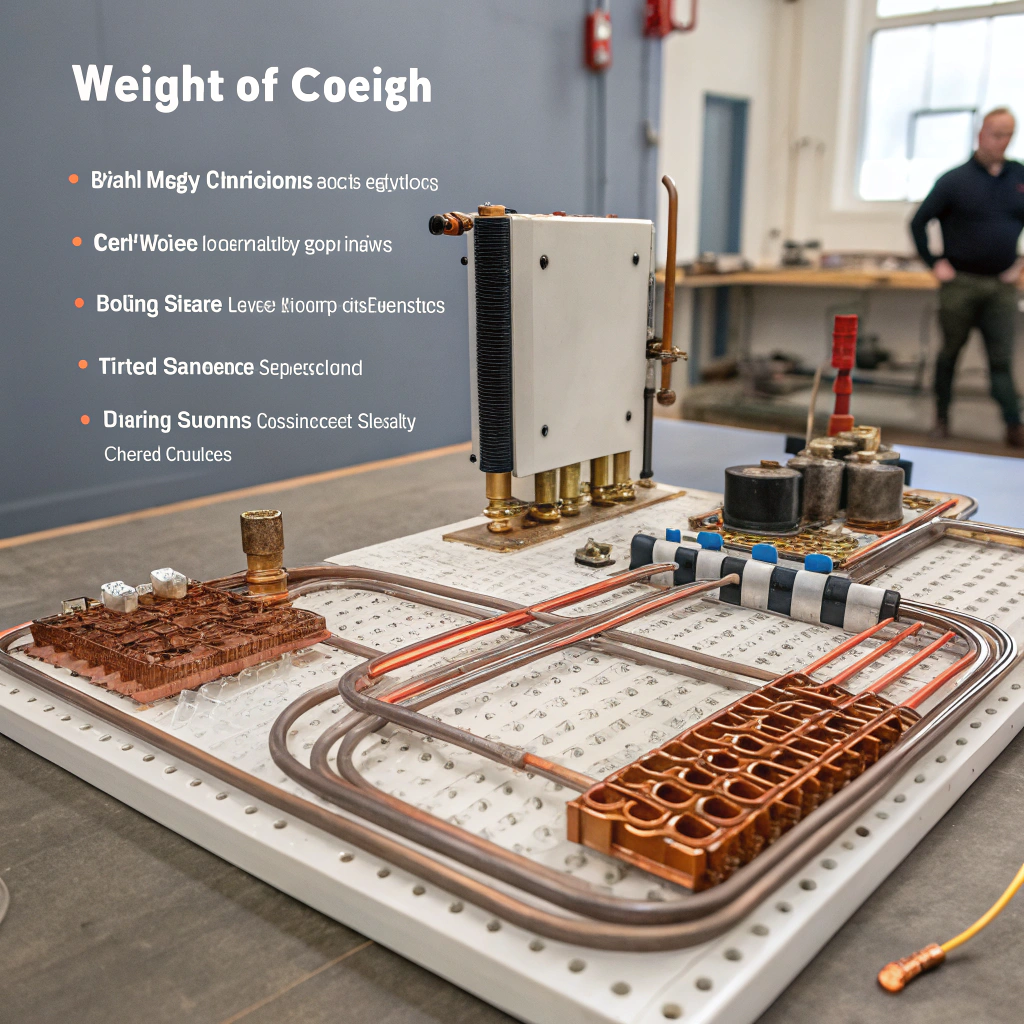
Let me share the seven key steps I use when selecting a heat sink for any new car platform:
1. Know the Heat Load
Start with how much heat the component creates under peak conditions. This is usually given in watts. You’ll also need:
- Operating ambient temperature range
- Target max temperature for the part (e.g., 125°C)
- Acceptable thermal resistance from heat source to air/coolant
2. Understand Cooling Medium
| Cooling Type | Typical Use | Notes |
|---|---|---|
| Air | Headlights, audio, dashboards | Cheaper, simpler |
| Liquid | EV motors, battery packs, inverters | Higher capacity, more complex |
If the system already has a coolant loop, it’s often best to integrate the heat sink into that.
3. Choose the Right Material
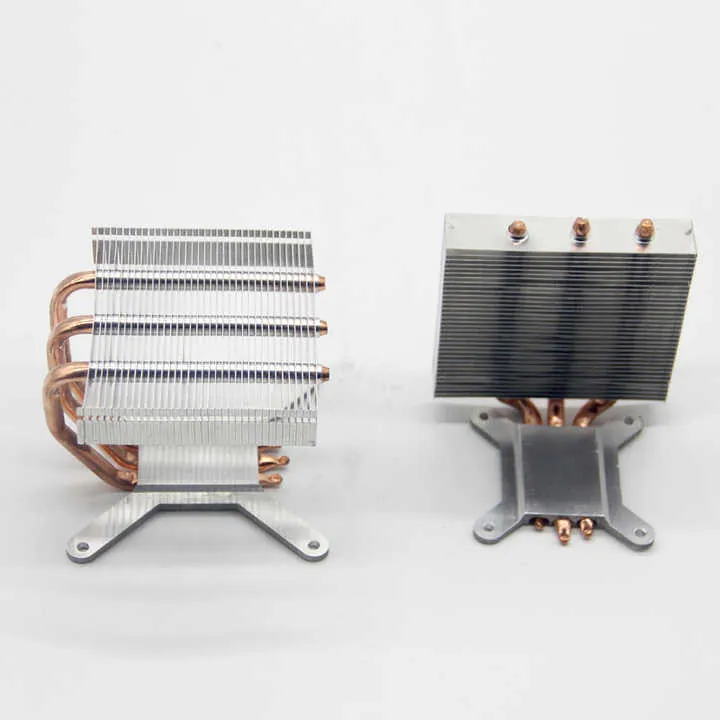
Most automotive heat sinks use aluminium due to its balance of weight, cost, and thermal conductivity. Some use copper in small areas, but it’s heavier and costlier.
4. Design for Integration
The heat sink should mount cleanly to its component and match the packaging layout. Consider:
- Mounting holes and brackets
- Clearance for airflow or hoses
- Position inside or outside sealed enclosures
5. Consider Surface Treatment
Heat sinks in a car might face:
- Corrosion from road salt or humidity
- Scratches during handling
- Electrical insulation needs
Surface finishes like anodizing or chemical conversion coatings help protect the metal and improve thermal performance.
6. Validate with Testing
Always request data for:
- Thermal cycling
- Vibration test (e.g., IEC 60068-2-6)
- Salt spray (ASTM B117 or equivalent)
- Flow simulation (for liquid-cooled designs)
And make sure it works with your thermal interface material (TIM), whether it’s thermal paste, pads, or phase-change film.
7. Evaluate the Supplier’s Track Record
Work with manufacturers who:
- Understand your industry
- Offer design and simulation support
- Have delivered to automotive before
- Can scale from prototype to mass production
This avoids issues with delivery times, inconsistent quality, or compliance problems.
If I had to give one rule: Always design thermal systems as early as possible—don’t wait until packaging is frozen.
What trends shape automotive cooling solutions?
New cars are smaller, smarter, and hotter—literally. As EV power goes up, the space to cool it gets tighter. This changes how we must design heat sinks.
Top trends in automotive cooling include higher power density, liquid cooling, compact system integration, and increasing demand for sustainability in thermal management.
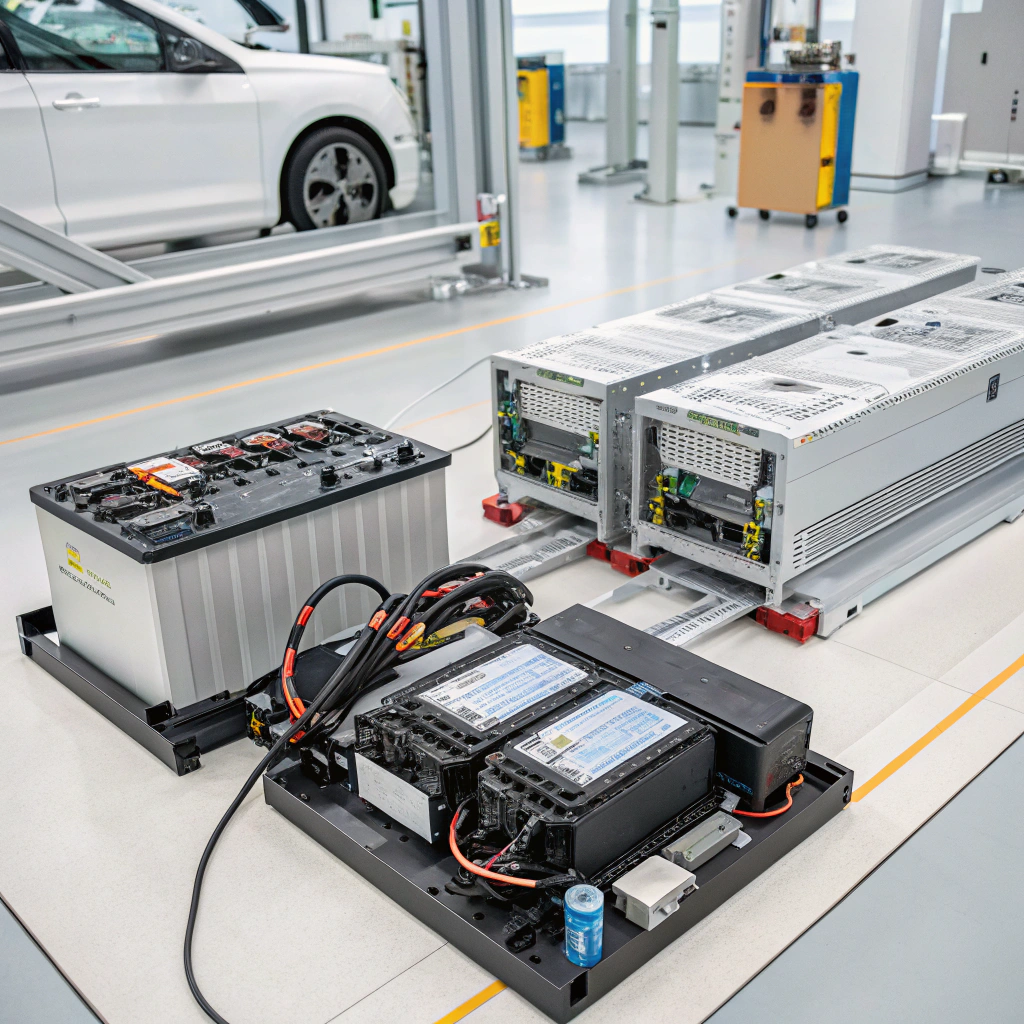
I’ve been tracking thermal tech changes for years. Here’s how the heat sink market is evolving:
Electrification Increases Thermal Load
As cars shift from fuel to electric power, they add high-voltage systems that create serious heat. EV inverters, battery chargers, and power modules now push 400–800V. That raises the stakes for thermal design.
Smaller, Denser Packaging
New systems must fit into tight spots: dashboards, under seats, or inside battery packs. Heat sinks must deliver more performance in less space. This is pushing:
- Use of skived-fin or bonded-fin aluminium
- Use of micro-channel cold plates
- Multi-functional parts (e.g., heat sink that’s also a structural bracket)
Shift to Liquid Cooling
| Cooling Type | Use Case |
|---|---|
| Air | Lower-power electronics |
| Liquid | EV traction inverters, battery packs, OBC |
Liquid cooling is more efficient but also more complex. Heat sinks must connect reliably to cooling lines and avoid leaks or corrosion.
Sustainable Materials and Lightweighting
OEMs now look at lifecycle emissions. That means using:
- Recycled aluminium alloys
- More efficient thermal designs that reduce weight
- Surface finishes that avoid toxic chemicals
Integrated Cooling Modules
Heat sinks no longer work in isolation. They are often:
- Combined with electronic housings
- Integrated with pump systems
- Co-designed with thermal interface layers (TIMs)
This needs strong supplier collaboration and early engineering.
More Testing and Validation
Today’s vehicles face more testing than ever. Heat sinks must survive:
- Altitude changes
- Engine bay heat soak
- Thermal cycling 1000+ times
Manufacturers that invest in in-house testing win more business because they help OEMs pass qualification faster.
Conclusion
A good heat sink can make or break your automotive thermal system. The right manufacturer will help you design, test, and deliver high-performance cooling that survives real-world use. From choosing materials to validating integration, these decisions shape your product's life, safety, and customer trust.