Every time I quote a custom heat sink, I hold my breath waiting for the buyer’s reaction. “Why does it cost this much?” they ask. It’s a fair question.
Custom heat sink pricing depends on design complexity, materials, tooling, volume, finish, and secondary processing — all these factors stack up quickly.
Once you understand where the money goes, you’ll make smarter choices and avoid surprises in your RFQ.
What affects pricing for custom heat sink designs?

Custom parts always come with questions. Why is this one double the price of a similar part? Why does the same size cost less in a different design? That confusion usually comes from missing details.
Pricing for custom heat sinks depends on several core variables: materials, design complexity, tooling, surface finish, and order volume.
Here are the main cost factors I see every day.
Table: Common pricing drivers
| Cost Driver | How it Affects Price |
|---|---|
| Raw Material | More volume or copper adds cost |
| Profile Geometry | Thin fins or deep cuts increase difficulty |
| Tooling Needs | New dies or molds add up-front cost |
| Surface Treatment | Anodizing, powder coat, polishing cost more |
| Processing Time | Multi-step machining takes more labor |
| Order Volume | Larger batches reduce unit cost |
| Tolerance & Accuracy | Tighter specs need better machines |
| Packaging Requirements | Custom foam, labels, or pallets raise price |
Materials
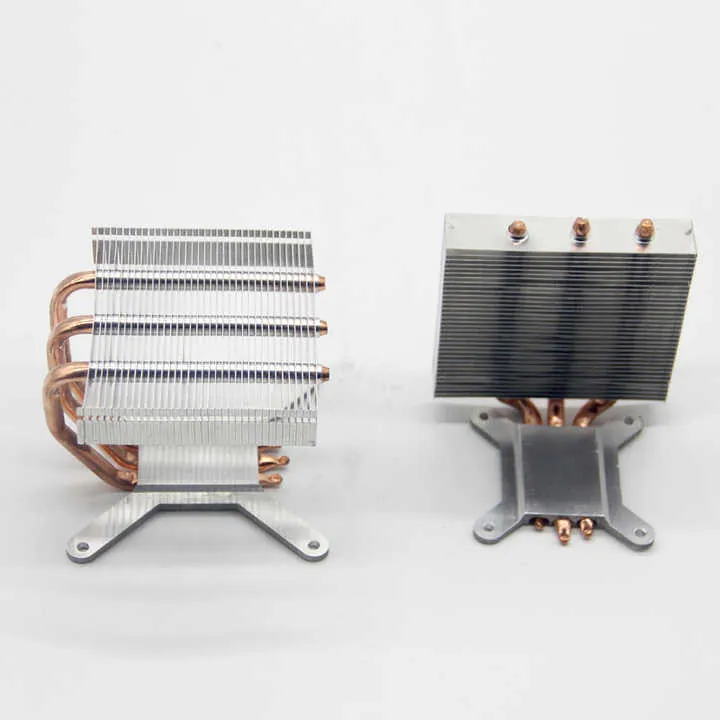
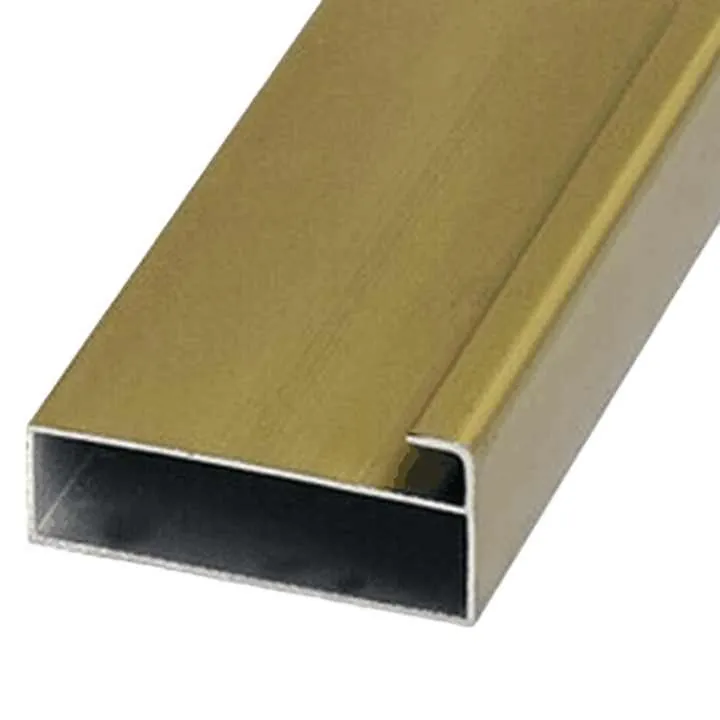
Most heat sinks are made from 6063-T5 or 6061-T6 aluminum. But when a customer asks for copper or special alloys, prices jump. Copper, for example, is around three times the price of aluminum and weighs more, increasing both material and shipping costs.
Geometry
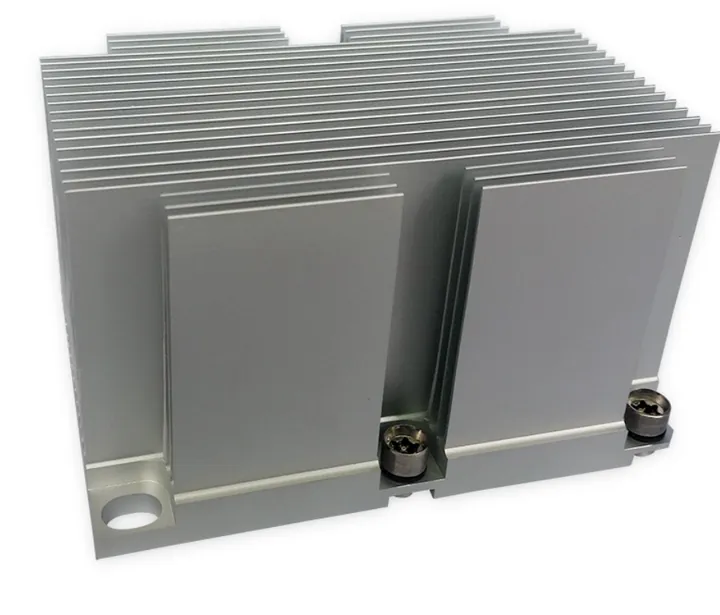
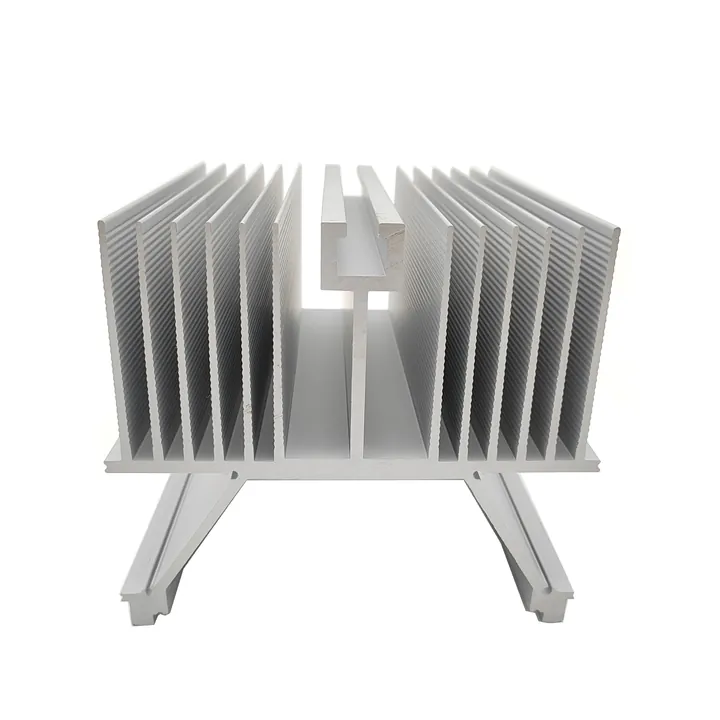
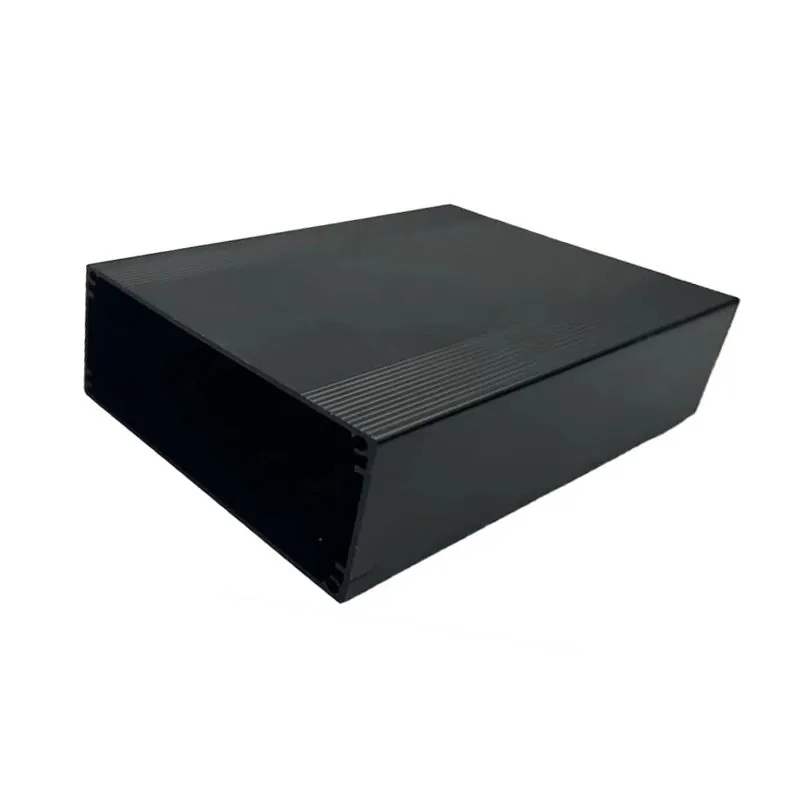
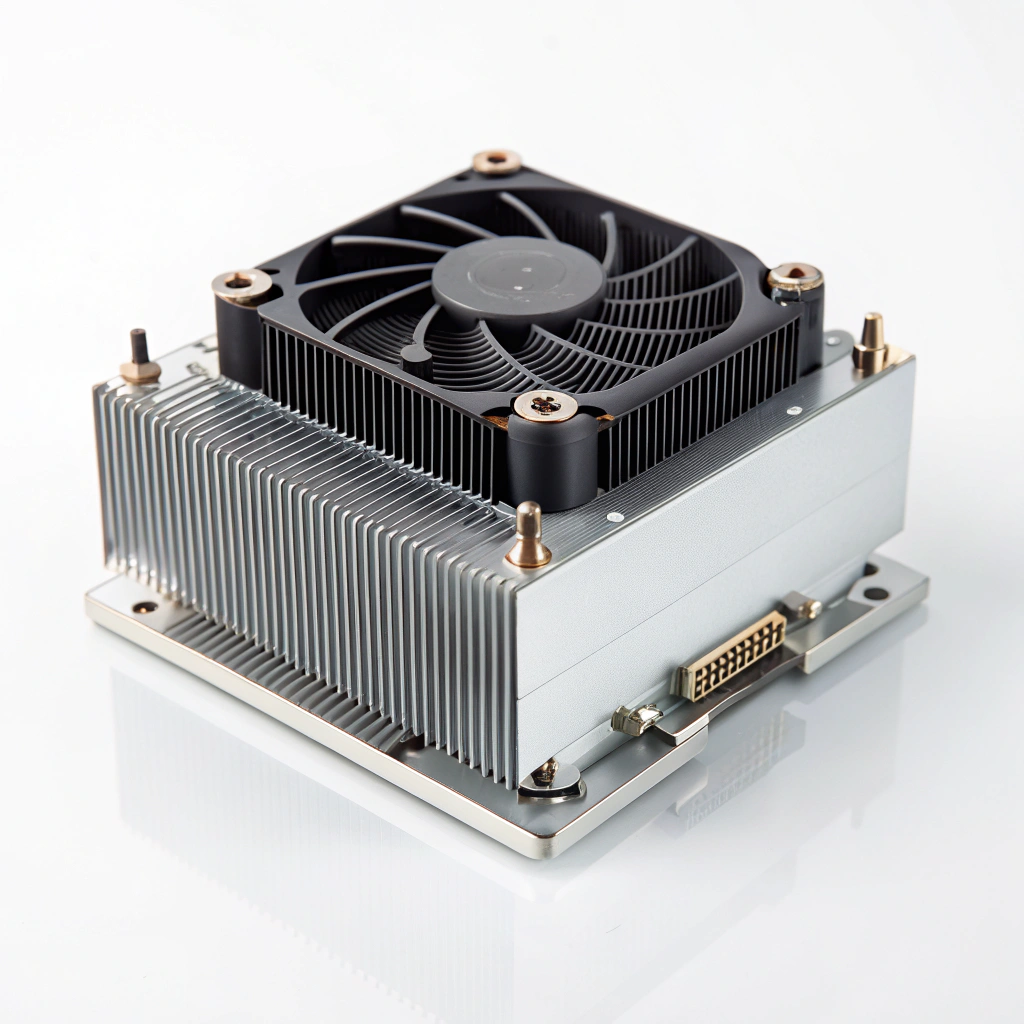
A simple rectangular profile is easier to extrude or machine than a complex pin-fin design. Deep slots, narrow gaps, or curved channels all require slower processing or higher scrap rates. That affects yield and time per unit.
Tooling
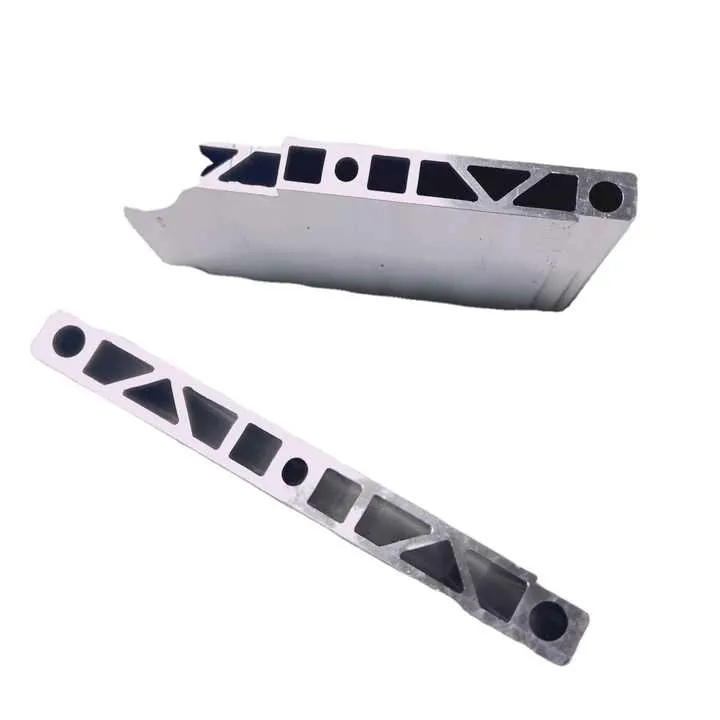
If your design requires a new extrusion die or a CNC fixture, that tooling must be designed, made, and tested. Tooling can cost hundreds or thousands of dollars, even before your first part is produced.
Surface Finish
Anodizing might cost 10 to 20 cents per part, but a multi-color powder coat or chemical polish adds even more. If you need a logo engraved or masked areas, that’s also more labor and setup.
Volume
A one-off prototype will always cost more per piece than a 10,000-unit run. Batch processing helps reduce handling time, setup changes, and overhead costs. Many factories have minimum order quantities to justify switching tools or lines.
Why do custom designs increase cost?
Every time a customer asks for “just a small design change,” I know we’re heading into a higher price zone. That’s not because I want it to be expensive — it’s because custom work always needs more steps.
Custom designs increase cost because they often require new tooling, detailed engineering, special processing, and more production time — which all adds labor, risk, and complexity.
What's different about custom?
1. Custom equals unique
Unlike standard parts made from pre-existing dies or stocked profiles, custom heat sinks are made from scratch. That includes creating drawings, simulating thermal performance, selecting materials, and setting up the machines.
2. New tooling
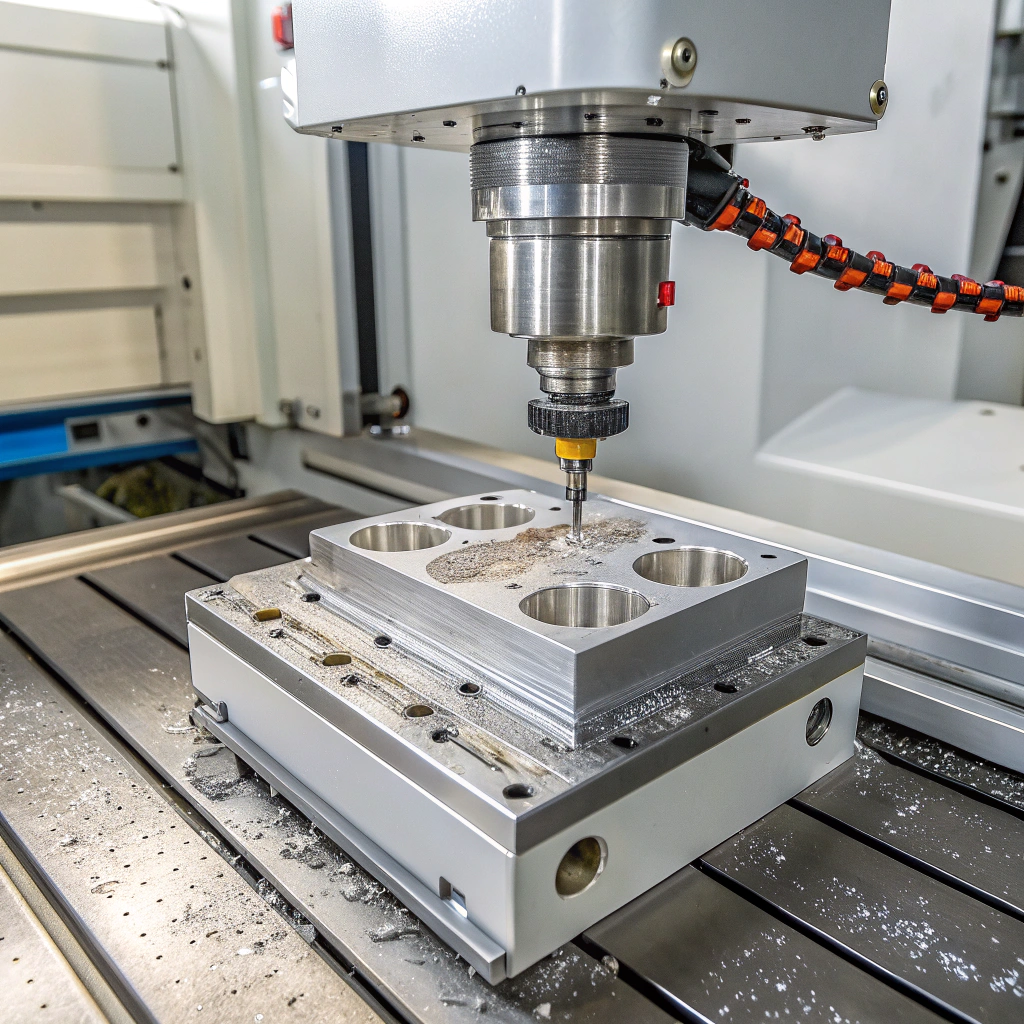
Most custom extrusions require a new die, which takes time and money. Even for CNC machining, a unique part shape might need custom fixtures, jigs, or CAM programming.
3. Engineering and approval loops
Each custom part needs to be validated — either virtually or physically. That includes review of thermal performance, mechanical strength, and sometimes compliance. More revisions mean more design time, and that adds cost before any parts are made.
4. Increased setup and process time
Complex custom parts need slower feeds, more tooling changes, or even secondary steps like deburring, anodizing, or joining. These all extend the time per unit.
5. Testing and QA
Some customers request extra inspections for custom parts — dimensional checks, coating thickness, or thermal behavior. That needs skilled operators and more inspection equipment.
6. Supply chain risk
Custom parts can’t be replaced quickly if something goes wrong. So factories often add buffer time and margin to cover the uncertainty.
Personal example
I remember working with a client who wanted a pin-fin heat sink with two mounting holes, a powder-coated black finish, and laser-etched serial numbers. Compared to a basic extruded fin heat sink, it cost three times more per unit. Most of the cost came from fixturing, finish steps, and inspection, not the material.
How to estimate custom heat sink pricing?

When you’re early in your project, you don’t always have final drawings. But that doesn’t mean you can’t estimate cost. I use a simple system to help clients figure out if their concept is a $5 or $50 part.
To estimate custom heat sink pricing, break the design into cost blocks: material, process time, tooling, finish, and logistics. Multiply that by the expected volume.
The five-part pricing method
1. Material
Estimate weight of aluminum or copper per unit. Multiply by market price per kilogram, add 10% for scrap.
2. Machining time
For CNC parts, calculate machining time in minutes. Multiply by shop rate (e.g., $30/hour for aluminum machining). Add time for setup, fixturing, and handling.
3. Surface finish
Choose from anodizing, powder coating, polishing, etc. Basic anodizing might cost $0.10–0.25 per unit. Specialty finishes or masking may double that.
4. Tooling
If new tooling is required (extrusion die, fixture), divide total cost by the production batch to estimate cost impact per unit.
5. Logistics
Estimate packaging and shipping per unit. Foam, box printing, palletization add cost. For exports, consider customs paperwork and documentation.
Table: Sample cost breakdown (per unit)
| Cost Component | Estimated Cost (USD) |
|---|---|
| Aluminum material | 0.80 |
| CNC machining (5 min) | 2.50 |
| Anodizing (black) | 0.20 |
| Tooling allocation | 0.40 |
| Packaging & QC | 0.30 |
| Total per unit | $4.20 |
This table is just an example. In practice, every number changes with geometry, material, country of origin, and volume. But this system works well when you’re comparing options or trying to stay within budget.
How to improve accuracy
- Send a 3D model or drawing for more accurate quotes
- Be specific about finish, tolerances, and packaging
- Share expected volume and delivery schedule
- Ask if the supplier already has similar tooling
What trends influence custom pricing?
Over the last five years, I’ve seen pricing for custom heat sinks improve in some areas — and worsen in others. Changes in materials, energy, labor, and technology all play a part.
Custom heat sink pricing is affected by global trends like raw material costs, automation in production, supplier competition, and engineering software efficiency.
Current pricing trends
Material price swings
Aluminum prices have fluctuated sharply with global supply and energy costs. Increases in electricity or shipping rates often pass directly into part prices. Copper costs are even more volatile.
Smarter machining
More suppliers now use multi-axis machines, automatic tool changers, and digital twins to reduce machining time. This lowers price per unit, especially for repeat parts.
Growing competition
With more manufacturers entering the heat sink market, especially in Asia, pricing pressure has increased. Many suppliers now offer rapid prototyping and low MOQ custom services.
Digital design tools
Design software and simulation now allow thermal validation before the first prototype is made. This reduces trial-and-error and avoids expensive redesigns.
Environmental costs
Some countries now charge extra for energy-intensive processes or non-recyclable packaging. Clients asking for RoHS or REACH compliance may see small surcharges.
What you can do about it
- Avoid unnecessary complexity in design
- Use standard materials and finishes
- Batch orders to meet supplier MOQ discounts
- Ask if the supplier has existing dies close to your design
- Plan early to avoid rush charges
In my experience, the best pricing comes when you work with the supplier early, stay flexible, and understand where the real costs lie.
Conclusion
Pricing for custom heat sinks is shaped by many variables — not just material and size. Tooling, design complexity, finish, and order volume all play a role. By understanding how these factors affect cost and using a structured approach to estimate, you can keep your project on budget and avoid surprise quotes.