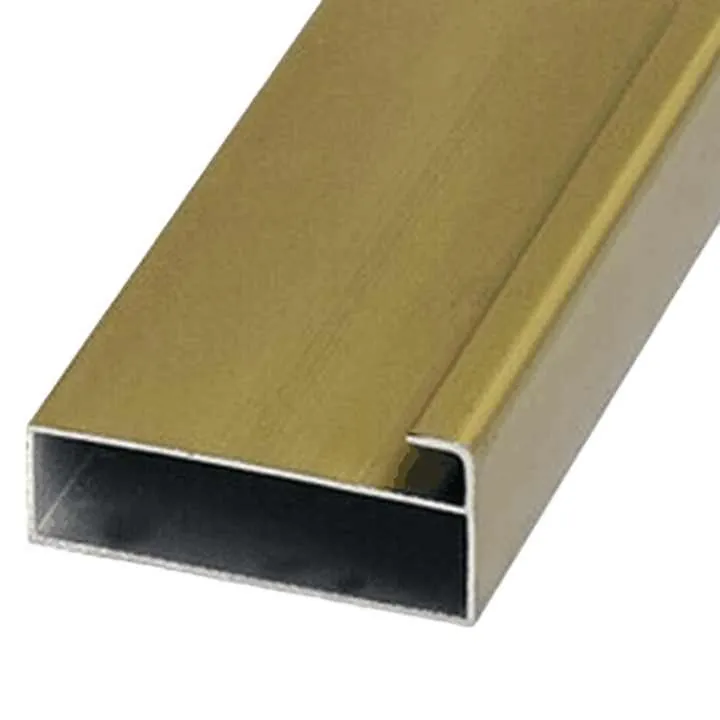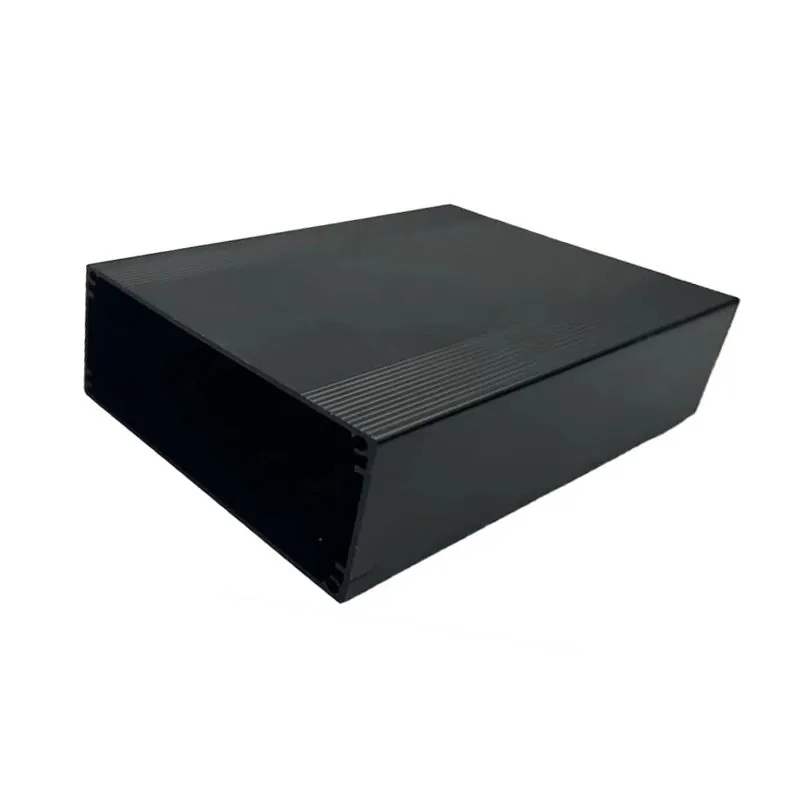

Most heat sinks fail silently—not because the design is wrong, but because the surface finish wasn’t optimized for its real-world use. That’s a quiet problem with a hot price tag.
Heat sink manufacturers offer a range of surface finishing options—like anodizing, nickel plating, chromate treatment, or powder coating—to enhance thermal performance, protect against corrosion, and meet aesthetic or environmental needs.
Many people underestimate how much a surface finish can change a heat sink’s performance, especially in passive or outdoor applications. If you want a system to stay cool, you can’t ignore the skin of the metal.
What surface finishing options do heat sink manufacturers offer?
Not all aluminium heat sinks are created equal—even if they look the same. It’s the finish that can make or break the long-term performance.
Manufacturers typically offer anodizing, chemical conversion (chromate), electroless nickel plating, powder coating, or mechanical treatments like blasting as surface finishing options for heat sinks.
When I review a drawing or quotation sheet from a heat sink supplier, the finish column often looks like this: “Black anodized – Type II”, “ENP plated”, “Chromate conversion”, or simply “Mill finish”. To someone unfamiliar, it’s confusing—but let me break it down.
Most common surface finishes
| Finish Type | Description | Suitable Material | Key Benefit |
|---|---|---|---|
| Anodizing | Electrochemical oxidation of aluminium surface | Aluminium | Corrosion resistance, color options |
| Electroless Nickel | Chemical nickel coating without electric current | Aluminium, Copper | Wear & corrosion resistance |
| Chromate Conversion | Thin chemical layer (e.g., Alodine) | Aluminium | Base for paint, mild protection |
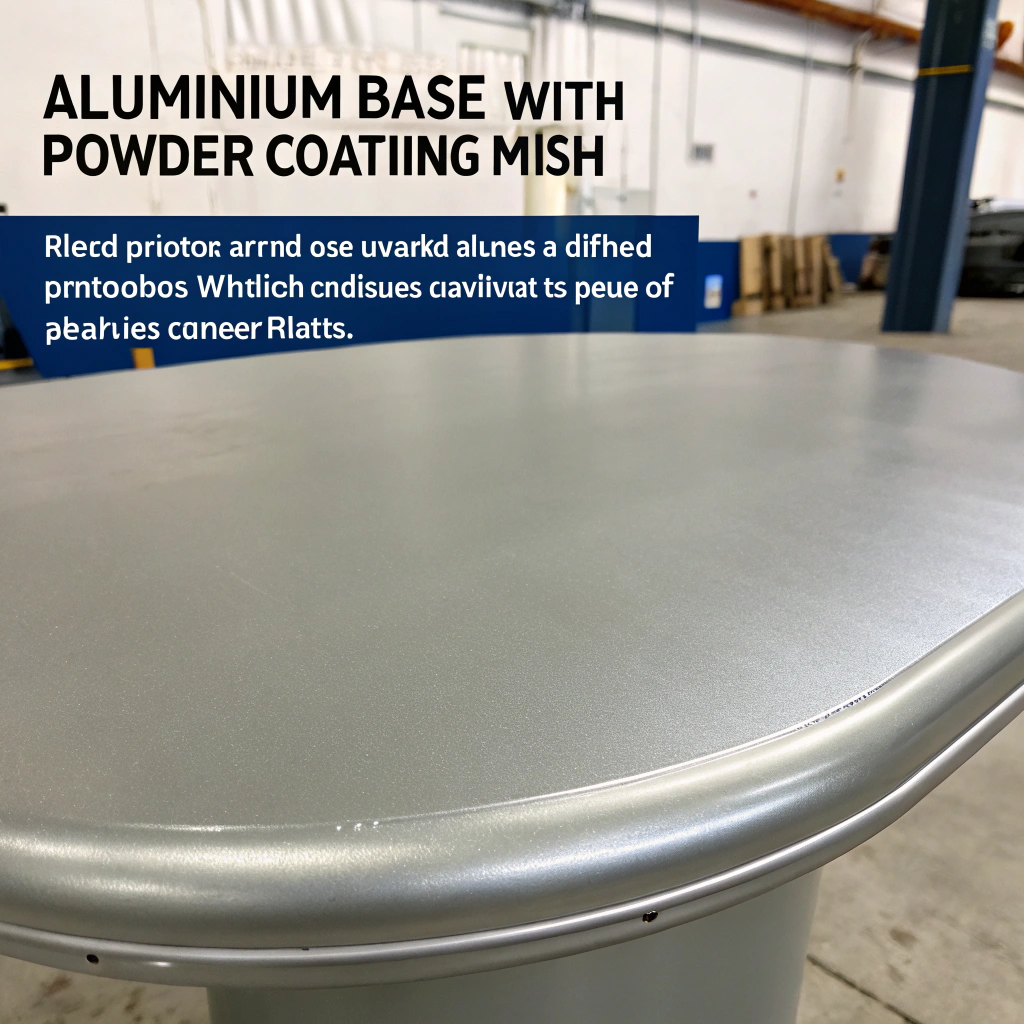
| Powder Coating | Polyester-based coating cured at high temp | All metals | Color variety, environmental protection |
| Mechanical Texturing | Sand-blasting, brushing, bead blasting | All metals | Pre-treatment for further coating |
| Mill Finish | Raw extruded surface | Aluminium | Lowest cost, no protection |
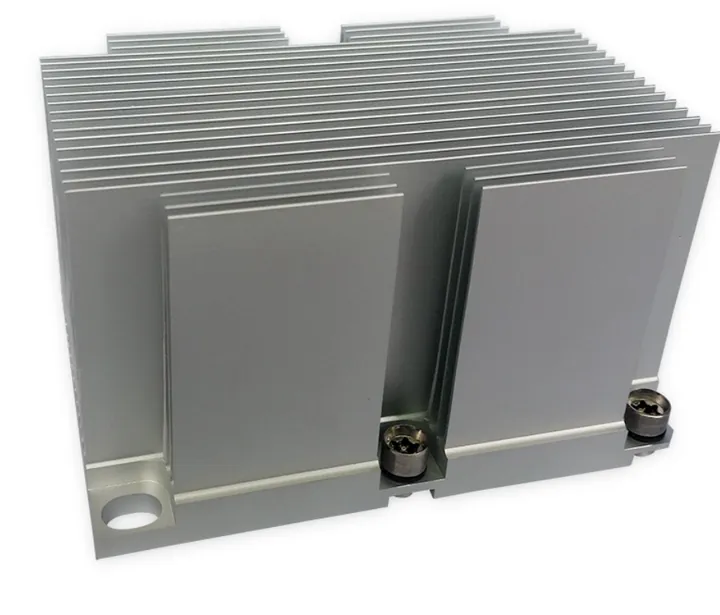
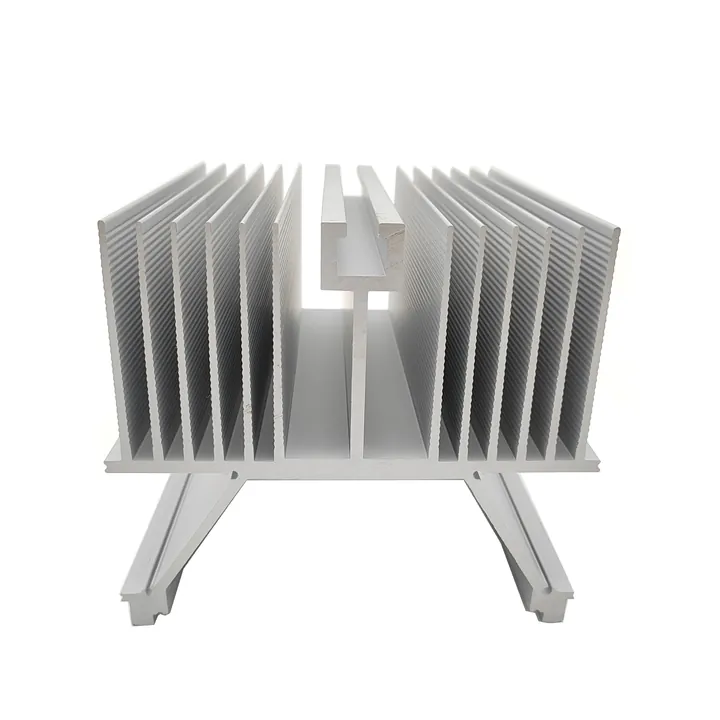
In the heat sink world, anodizing dominates aluminium finishing because it forms a very thin, hard oxide layer that increases emissivity and protects from corrosion. You can get it in natural, clear, or dyed (usually black) forms. It's cost-effective and efficient.
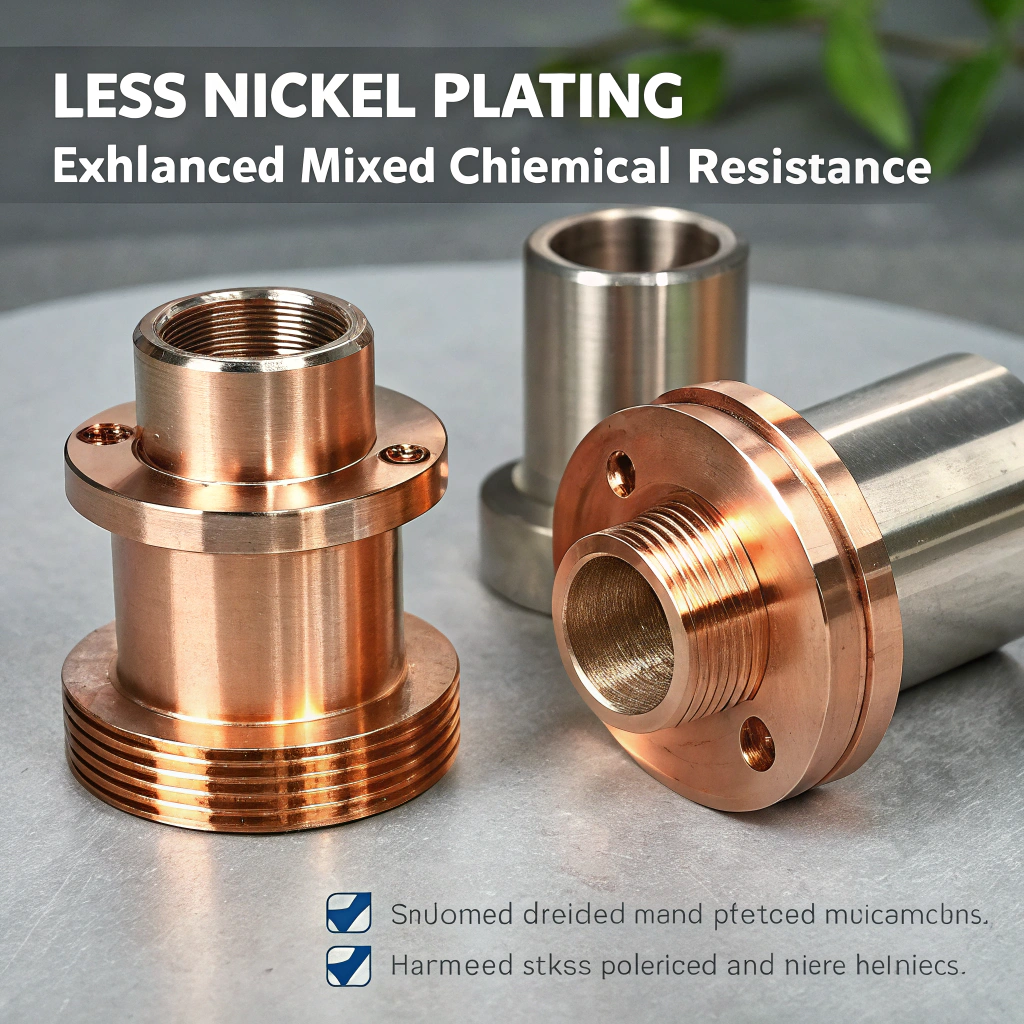
On the other hand, copper heat sinks often come with electroless nickel plating (ENP). This finish is uniform, resists wear, and keeps the surface stable. It’s especially useful in high-humidity or chemically aggressive environments.
Some applications require powder coating—not because it’s good thermally (it isn’t) but because the appearance matters. Think of LED lights or visible electronic enclosures.
So, while the range of options is broad, your choice always comes down to performance, environment, and aesthetics. And that’s where the next question comes in.
Why are different finishes beneficial?
A bare metal surface might look clean, but in real applications, it rarely performs best. Moisture, oxidation, or simple wear can all cause long-term issues.
Different surface finishes boost performance by improving corrosion resistance, increasing heat radiation (emissivity), protecting the metal in harsh conditions, and making products look more appealing or easier to clean.
Let me show you how these benefits play out in actual use.
1. Corrosion resistance
Anodizing prevents oxidation. Aluminium naturally forms a thin oxide layer, but anodizing makes it thicker and more controlled. This makes the heat sink last longer, especially in outdoor or marine environments.
Electroless nickel plating takes it further. It works well for copper and mixed-metal assemblies. It adds chemical resistance and hardness without electricity, which is good for complex shapes.
Chromate conversion is another light treatment. It’s not strong but makes a good base for paint or powder. Often used in combination with other finishes.
2. Thermal improvement
Surface emissivity matters in systems where radiation plays a role—like natural convection or outdoor passive devices.
| Finish | Typical Emissivity (ε) |
|---|---|
| Bare Aluminium | 0.05 – 0.1 |
| Black Anodized | 0.8 – 0.9 |
| Clear Anodized | 0.6 – 0.7 |
| Nickel Plated | 0.1 – 0.2 |
| Powder Coated (black) | 0.8 – 0.95 |
From this table, it’s clear: black anodizing or powder coating significantly boosts emissivity. That means the heat sink can radiate heat more effectively—great for passively cooled designs.
3. Appearance and function
Sometimes looks matter. If the heat sink is part of a product where users can see it—say, a designer lamp or audio amp—you might want a black, matte, brushed surface.
Other times, finishes make assembly easier. For example, nickel plating allows better soldering and contact, while powder coatings can help mark components with branding or instructions.
I had one client in the solar industry who initially ordered bare aluminium extrusions to save costs. But after just one rainy season, units showed corrosion. They switched to clear anodized aluminium, and returns dropped to zero.
Every finish tells a story—it’s not just about looks; it’s about how the product performs over time.
How to choose a proper finish for thermal performance?
Even the best aluminium alloy can’t reach its full potential without the right surface finish. This is especially true in thermally sensitive products.
To choose a proper finish, evaluate your system’s cooling method, environment, and longevity needs. Then match the finish that balances thermal flow with corrosion resistance and durability.
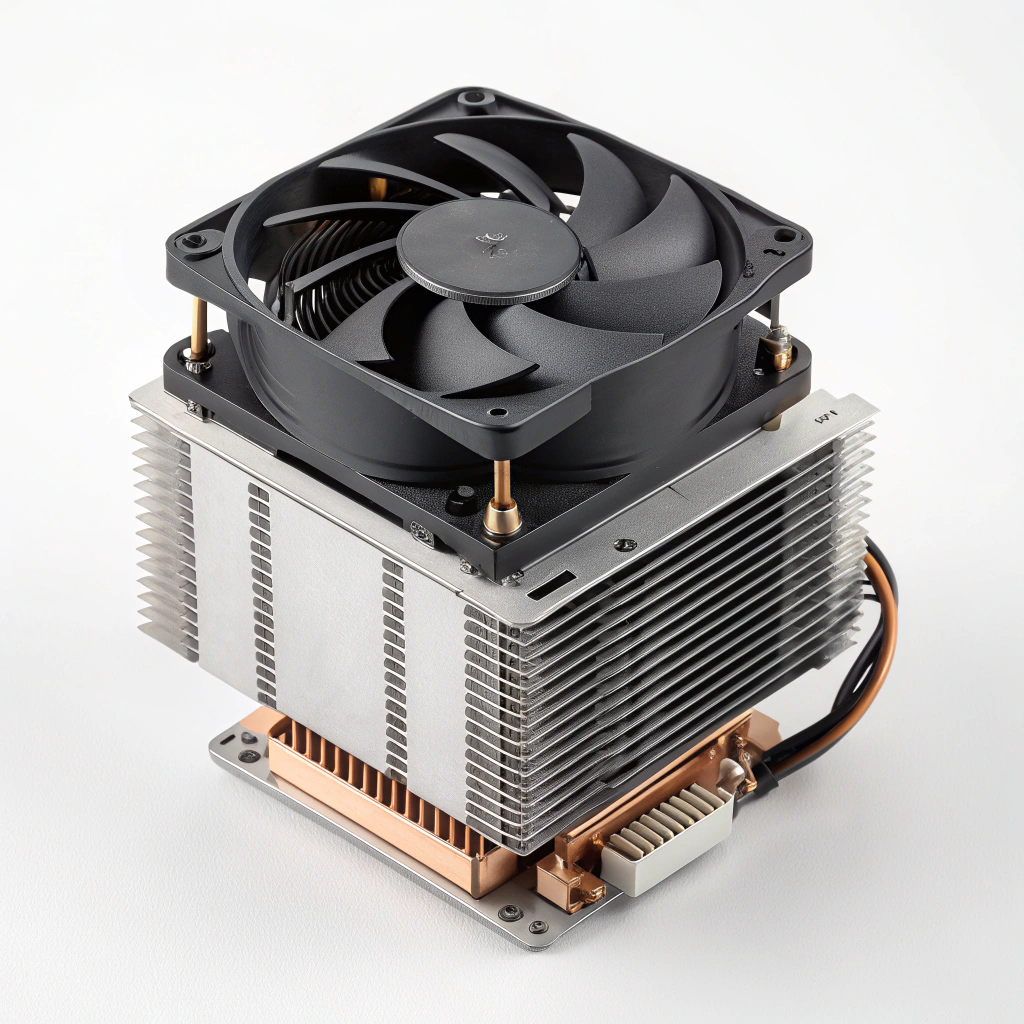
Here’s my step-by-step method.
Step 1: Know your cooling method
If your heat sink works with forced convection (fans, blowers), surface emissivity has a small impact. Most heat moves by conduction and convection.
But if your design uses natural convection (no fan), or relies partly on radiation (like outdoor solar controllers or passively cooled LED drivers), emissivity becomes important.
That’s when black anodizing or high-emissivity coatings really shine.
Step 2: Understand your environment
Ask yourself:
- Will the part be used outdoors?
- Is there salt, humidity, or UV?
- Is it near chemicals or solvents?
If yes, go for a finish with solid corrosion resistance—like anodizing or ENP plating.
Powder coating looks good and holds up in many climates, but can insulate thermally if it’s too thick. Use it with caution.
Step 3: Match finish to material
- Aluminium: Works well with anodizing, chromate, and powder coat.
- Copper: Usually plated with nickel or left bare.
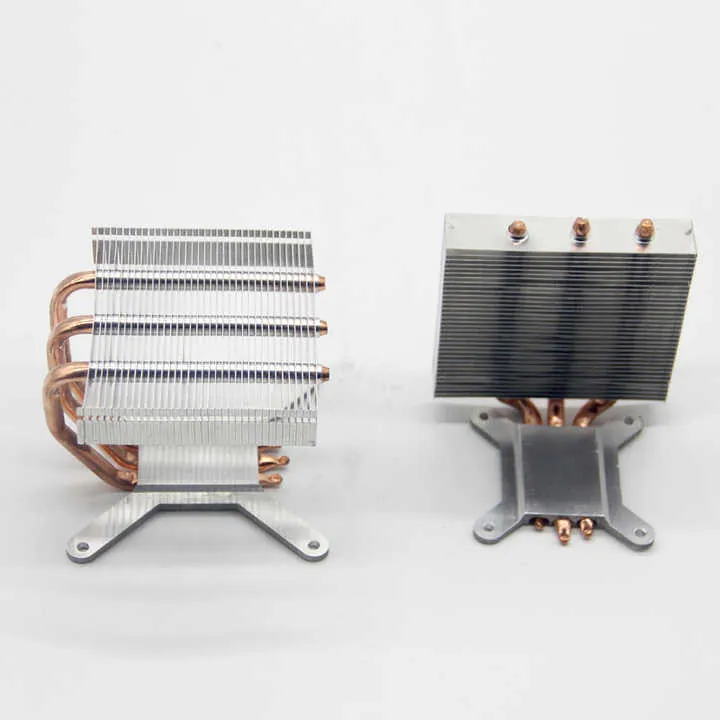
- Hybrid designs (Al + Cu): Use selective finishes or mask areas to avoid dissimilar metal corrosion.
Step 4: Mind your thickness
Too thick a coating (especially with paint or powder) creates a barrier to heat flow. The oxide layer from anodizing is thin (~5–25 microns), which usually doesn’t hurt thermal transfer.
But a 100-micron powder coat can block heat flow in tight spaces.
Step 5: Consider function over aesthetics
Ask: Will this finish improve performance or just appearance?
If appearance doesn’t matter, go with a functional finish like black anodizing. It’s one of the best blends of cost, performance, and corrosion resistance.
In my experience, clients often start with aesthetics but later regret ignoring thermal trade-offs. The smartest ones run simple simulations or test both finishes side-by-side. That’s where real insight comes from.
What trends improve surface finishing methods?
Finishing is evolving. Just like extrusion technology, new methods are making surface treatments smarter, greener, and better performing.
Trends include high-emissivity nano-coatings, eco-friendly chromate alternatives, robotic spray lines for consistency, hybrid finishes for mixed materials, and tighter quality control to reduce defects.
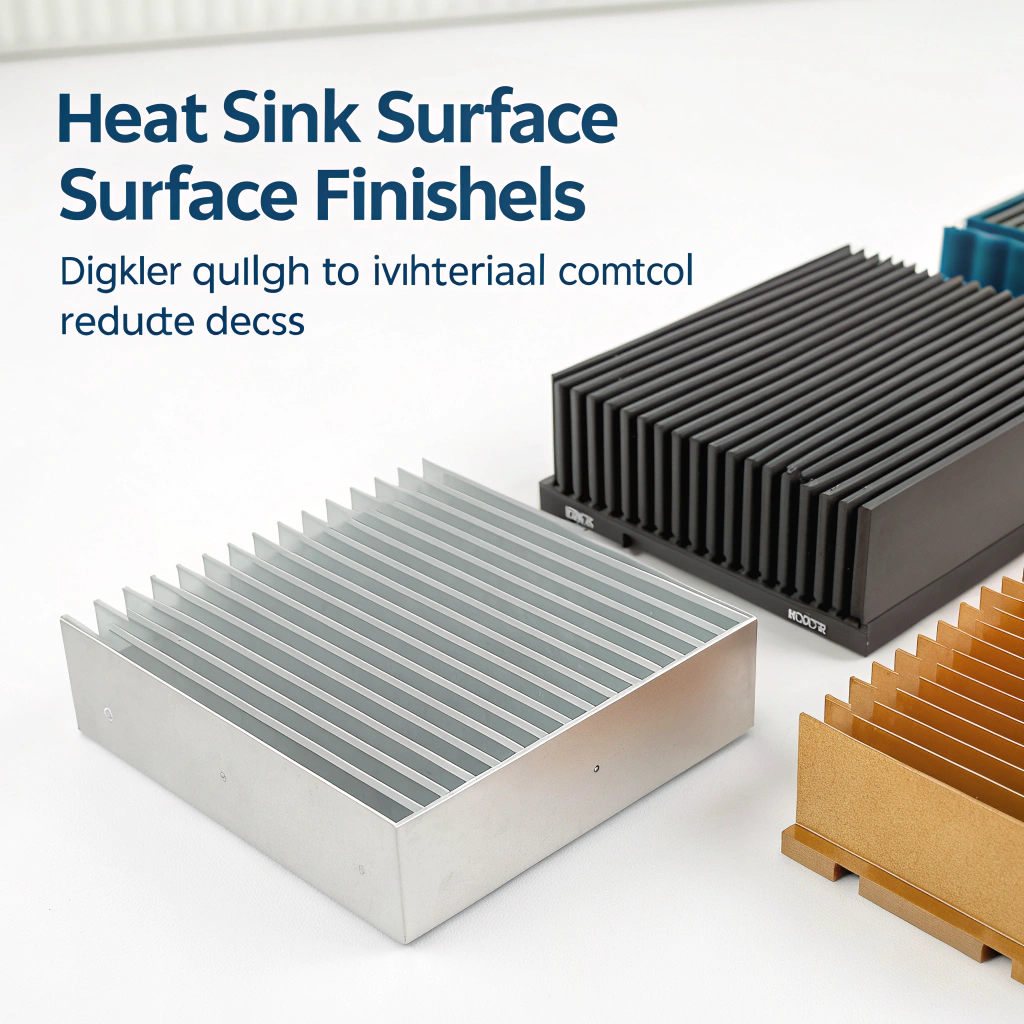
1. Better emissivity control
Modern anodizing methods now include IR-optimized dyes. Not all black coatings are equal—some look dark but reflect in the IR range, which cuts down on heat radiation. New processes focus on maximizing emissivity, not just color.
2. Eco-friendly finishes
Chromate conversion used to rely on hexavalent chromium—a known environmental hazard. Now, many suppliers offer trivalent chromate or other RoHS-compliant coatings. These are safer but may require longer cure times or tighter controls.
3. Hybrid or dual-layer finishes
I’m seeing more layered finishes. For instance:
- Electroless nickel base + black anodized top
- Sand-blasted texture + powder coat
These give mechanical strength plus aesthetic or emissivity benefit.
4. Automation and quality control
New robotic systems ensure even coating, controlled thickness, and repeatable results. This cuts down on rejects and ensures performance over large runs—critical for OEMs or projects with strict specs.
5. Material-specific options
Some trends focus on copper and composite heatsinks. Copper oxidizes fast, so nickel plating is now often followed by a clear polymer seal or passivation layer. These dual finishes are more reliable long-term.
I remember a recent project in a desert climate. The supplier applied a special high-emissivity anodized finish combined with hydrophobic coating to prevent dust buildup. It reduced maintenance and improved cooling by over 10% under test conditions.
6. Customization at scale
Finishing used to be a batch process, but now with modular fixtures and inline processes, even small batches can get specific finishes. This helps mid-sized OEMs who want brand-matching parts without massive MOQ.
Conclusion
Choosing the right surface finish for a heat sink is not just about appearance—it’s about performance, protection, and product life. From anodizing to nickel plating, every option brings trade-offs. The best results come when you match the finish to your design's cooling method, material, and environment.