Metal CNC machines often look similar from the outside, but their prices can be very different. Many buyers get confused because two machines that look alike may cost five times apart.
A metal CNC machine can cost anywhere from $500 for a small hobby unit to more than $500,000 for an industrial heavy-duty model, depending on precision, size, and capabilities.
This guide explains what affects the price and how to choose wisely without overspending.
How do metal CNC prices vary?
Many buyers expect a simple answer, but the reality is wide price levels. Some machines process thin aluminum sheets, others cut thick steel all day long. That difference drives cost.
Metal CNC prices vary by machine size, cutting strength, control system, spindle power, working area, and automation features.
The price difference becomes clear when we look at machine levels. Each level serves a different kind of business and workload. Many workshop owners spend too much money because they choose the wrong level.
Basic Price Levels
| Machine Type / Use Case | Typical Price Range (USD) |
|---|---|
| Hobby / Desktop Metal CNC | $500 – $5,000 |
| Entry-Level Professional CNC | $10,000 – $50,000 |
| Mid-Range Workshop CNC | $50,000 – $250,000 |
| Industrial / Heavy-Duty CNC | $250,000 – $500,000+ |
Dive deeper into price logic
Most small CNC machines use light spindles and weaker frames. They cut soft metals like aluminum or copper but struggle with steel. These are good for prototypes, learning, or tiny parts. Small workshops sometimes buy them to start simple jobs. They work but are limited in tool life and precision.
Professional CNC machines often include closed-loop control systems, automatic lubrication, rigid frames, and tool changers. These help with repeat jobs and save time in production. They cost more because their parts must resist vibration, heat, and tool wear. They are built for daily use.
Mid-range machines offer stronger beds, larger working areas, and faster tool path control. These are common in manufacturing factories that produce metal parts weekly. They balance investment and productivity.
Industrial CNC machines are built for high volume, heavy metals, long hours of cutting, and tight tolerances. They use advanced sensors, larger spindles, precise ball screws, and often 4 or 5 axes. These machines cost the most but give the best stability. They are often used by automotive, aerospace, and precision equipment companies.
Price alone does not show value. What matters is how the machine fits your business needs. A $200,000 machine might be cheap if it doubles your production speed. A $5,000 machine might be too expensive if it cannot process your parts correctly.
Why do metal CNC machines cost more?
Some people expect the same price as a wood CNC router, but cutting metal is a different challenge. Metal machines face higher forces and heat. Every part must be stronger and more precise.
Metal CNC machines cost more because they require rigid frames, strong spindles, stable guides, high power, tight control systems, and better cooling to resist heat and vibration.
A simple wooden CNC uses low-power motors and lighter frames. It handles soft material easily. Metal CNC machines must keep strong cutting force stable for long hours. That difference changes everything.
Key Cost Drivers
| Factor | Why It Adds Cost |
|---|---|
| Frame rigidity | Prevents vibration when cutting metal |
| Spindle power | Higher torque required for harder materials |
| Precision control system | Needed for consistent tolerance |
| Cooling & lubrication | Reduces tool wear and overheating |
| Servo motors / ball screws | Improves accuracy and motion stability |
| Automation & tool changer | Saves time, requires higher tech design |
Dive deeper into what adds cost
Metal machining puts huge stress on machine components. The spindle must rotate with high torque. Ball screws must move smoothly under heavy load. Linear guides must stay aligned even after long use. This is why high-quality materials are used.
A more expensive CNC machine often includes advanced control systems. Servo motors respond faster and more accurately than stepper motors. A higher spindle horsepower allows deeper cuts and faster toolpaths. Cooling systems must remove heat from both the tool and workpiece. If cooling is weak, tool life drops and surface finish becomes poor. That leads to more cost in the long run.
Many metal CNC machines also have automatic tool changers. This reduces downtime and increases consistency. Factories with many jobs use these features to speed production. Automation reduces human error and labor time but increases machine price.
Safety features also add cost. Emergency systems, overload protection, enclosure shields, and precise sensors make the machine safer. These systems are essential when cutting metal at high speed. Cheap machines may skip these functions, which makes them risky in production.
In real production, metal CNC machines face problems that a wood CNC never sees. These issues include heat buildup, material hardness differences, chip removal, coolant management, tool wear monitoring, and vibration control. Solving these problems requires stronger components and smarter control. That drives the price higher — but also brings reliability and profit over time.
Which metal CNC types cost most?
Not all metal CNC machines have the same purpose. Some are simple, some are highly advanced. The most expensive ones can shape complex metal parts with very tight tolerances.
The most expensive metal CNC machines are multi-axis mills, large working area machines, heavy-duty lathes, and units designed for automated production.
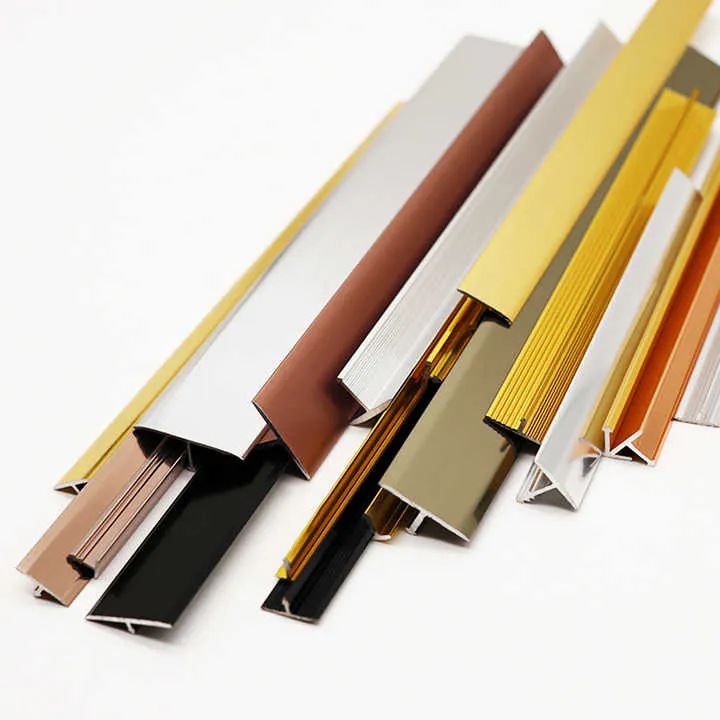
Complexity has a direct connection to price. The more functions and stability a machine has, the more investment it needs. Some machines can rotate parts automatically to finish all faces in one setup. Others can drill, mill, tap, and engrave without changing machines.
Comparison of Major Types
| CNC Type | Price Level | Best Use |
|---|---|---|
| 3-Axis Milling Machine | Low to Medium | Basic metal parts, flat surfaces |
| CNC Lathe | Medium | Cylindrical components |
| Plasma / Laser Cutter | Medium to High | Sheet metal cutting |
| 5-Axis CNC Machine | High to Very High | Complex geometry, advanced parts |
| Automated Machining Center | Very High | Mass production, precision jobs |
Dive deeper: why some types are expensive
A basic 3-axis milling machine can remove material from the top view. It is enough for many simple parts. But when a part requires side holes, angles, or curved shapes, it needs multiple setups. That increases labor time, error risk, and scrap rate.
A 5-axis CNC machine solves this by moving in five directions at once. The tool can tilt and rotate. It reaches faces that a 3-axis machine cannot. This cuts complex shapes in one setup. Precision improves and time reduces. But this technology needs stronger motors, advanced control software, high-level sensors, and rigid structure. That raises cost quickly.
CNC lathes work well for round parts like shafts, rods, or rings. A standard lathe is not too expensive. But a metal CNC lathe with live tooling, multi-spindle design, or automation can cost much more. It can mill, drill, and turn in one machine. That efficiency costs money but brings higher return.
Plasma and laser cutters are strong for sheet metal. They cut fast and clean. They need high-powered lasers or plasma generators, fast gantry systems, and safety functions. That technology is not cheap. But for large plates and high-volume orders, they are worth the investment.
Automated machining centers are the most expensive category. These include tool changers, robotic loaders, monitoring sensors, and full control automation. They are built for high productivity. Buying one is like buying a whole line of machines in one. Factories use them when quality and speed are critical.
Expensive machines are not always the best choice. The right choice depends on product size, shape, material, job volume, and turnaround time. Careful planning saves money while still reaching production goals.
Where to buy metal CNC machines?
Finding the right supplier is not just about price. Good suppliers offer service, support, spare parts, and training. Without that, even a strong machine can become a burden.
Metal CNC machines can be purchased from industrial suppliers, online equipment platforms, local distributors, or factory manufacturers that also provide support and engineering services.
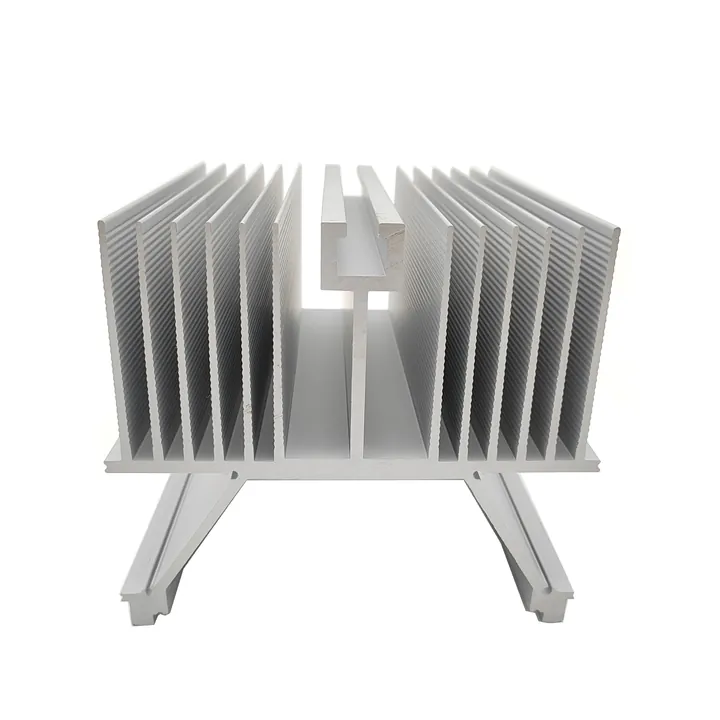
Different sources suit different budgets and needs. New machines give warranty and service. Used machines save money but carry risk. Testing and research are essential before buying.
Buying Options Table
| Source Type | Pros | Risks |
|---|---|---|
| Brand Manufacturers | Service & warranty | Higher upfront cost |
| Industrial Distributors | Wide selection | May sell generic models |
| Online Marketplaces (used) | Lower price | Condition may be uncertain |
| Local Dealers | Fast communication | Less advanced models |
Dive deeper: choosing a trusted supplier
A metal CNC machine is not just equipment. It is part of your production system. That means service, spare parts, training, and upgrades matter. A cheap seller without support may cost more in the end.
Before buying, request real project cases. Ask how long the machine can run daily. Ask about precision limits. Ask if they offer remote support or technicians. When machines break down, every hour counts. A good supplier answers fast.
Online listings show attractive prices. But some machines appear cheap because they lack strong spindles, coolant systems, or warranty. Always ask for maintenance history for used machines. Check frame condition. Ask about ball screws, guide rails, and spindle noise.
Local distributors are helpful because communication is easy. But sometimes they rely on stock models that may not fit your exact needs. If your work includes aluminum extrusions, thick steel blocks, or complex shapes, make sure the machine supports these before buying.
Factory manufacturers often allow custom solutions. This helps when your parts need CNC slotting, drilling, tapping, milling, and cutting with strong precision. Factories that build CNC machines often also provide spare parts. This saves time when breakdown happens.
Analyzing your production needs is more important than hunting for a low price. The right CNC machine should make your work easier, faster, and more profitable. That is how you know it was a good investment.
Conclusion
Metal CNC machine prices change based on power, size, precision, and automation. A small desktop unit may cost $500, but an industrial 5-axis machine can exceed $500,000. Knowing your materials and production goals helps you choose wisely. The best machine is not the most expensive — it's the one that matches your work exactly.