Every time I prepare a heat sink order for export, I ask myself: how fast does the customer need it, and how much are they willing to spend to get it there?
Heat sink manufacturers typically offer air freight, sea freight (FCL or LCL), express couriers, and sometimes rail or truck shipping — depending on urgency, budget, and destination.
Choosing the right method helps balance delivery time and cost while keeping your project on track.
What shipping methods do heat sink manufacturers offer?
Shipping isn't one-size-fits-all. Over the years, I’ve arranged everything from urgent air shipments for prototypes to 40-foot container loads for large-scale production.
Common shipping methods for heat sink manufacturers include air freight, sea freight (FCL/LCL), express courier, and sometimes rail or truck for inland regions.
Table: Shipping methods overview
| Method | Delivery Time | Cost Range | Best For |
|---|---|---|---|
| Air Freight | 5–10 days | Medium-High | Urgent bulk shipments |
| Sea Freight | 25–45 days | Low | Large volume orders |
| Express Courier | 3–7 days | High | Small or sample shipments |
| Rail Freight | 15–25 days | Medium | Landlocked or Eurasian routes |
| Truck Delivery | 1–10 days | Varies | Regional/local distribution |
More about each method
Air Freight
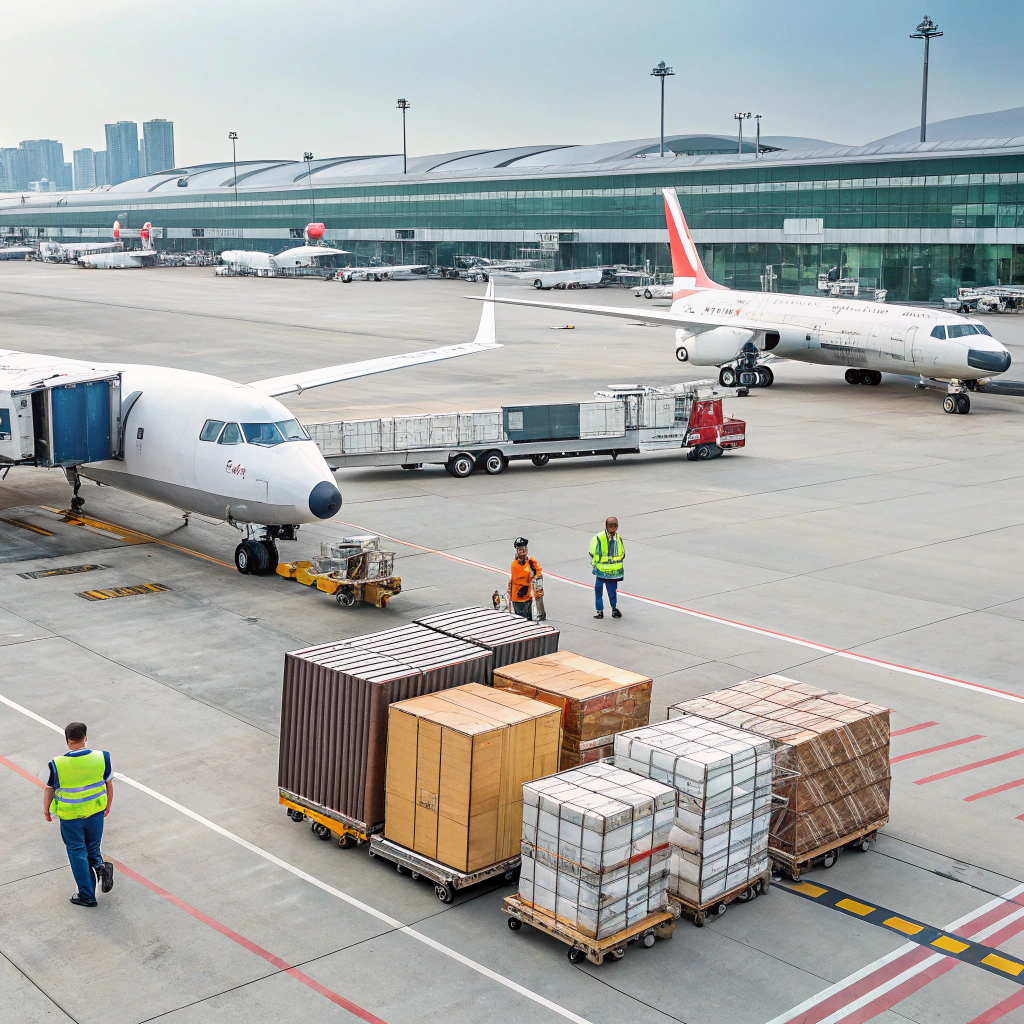
Used for urgent orders or moderately sized shipments that need faster delivery. Typically requires a freight forwarder, commercial invoice, and proper labeling.
Sea Freight (FCL or LCL)
Full container load (FCL) is best for high-volume orders. Less than container load (LCL) allows smaller shipments to be consolidated. Cost-effective but slow.
Express Courier
For samples or urgent prototypes, we often use DHL, FedEx, or UPS. These services are fast, with tracking and door-to-door service, but the cost per kg is high.
Rail Freight
Used mainly between China and Europe. Faster than sea, cheaper than air. Suitable for non-time-critical but valuable shipments.
Truck Freight
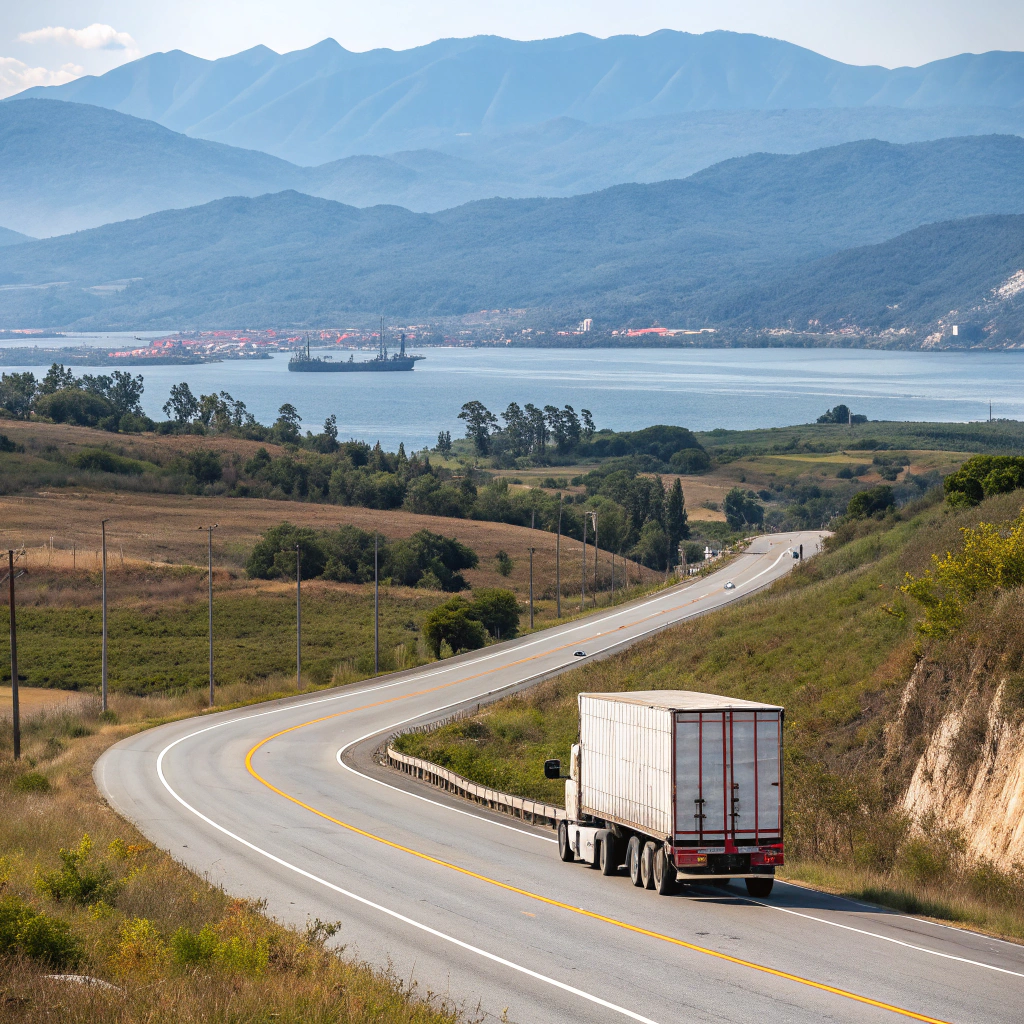
Used for domestic orders or shipments within connected regions (e.g., EU to EU). Often the final leg after air or sea freight.
Why choose specific shipping options?
I’ve had clients who chose air because they needed parts urgently — and others who waited six weeks for sea to save money. There’s no perfect method, only a right fit.
Shipping methods should be selected based on lead time, order volume, destination, cost limits, and handling requirements.
Key reasons for choosing different methods
1. Delivery urgency
Need heat sinks for a trade show next week? Air freight or express courier is your best bet. Have time to spare? Sea freight saves you money.
2. Order size
Small orders under 200 kg fit well with express or air. Orders with multiple pallets or over 1 cubic meter make more sense for sea or rail freight.
3. Destination country
Remote or landlocked countries may have longer inland transport. Choosing a route with better port or airport access reduces total delivery time.
4. Budget constraints
Shipping cost can be 5% to 25% of your total order cost. Some clients prioritize cost over speed, especially for repeat production orders.
5. Handling needs
Fragile or sensitive parts may benefit from less handling — air and express have fewer touchpoints compared to LCL consolidation.
Personal example
A client in Canada needed 10,000 anodized heat sinks urgently for a product launch. We split the order: 2,000 sent by air freight, 8,000 by sea. The client avoided delay, and still saved cost overall.
How to plan shipping for manufacturer orders?
Shipping isn’t just the last step — it’s something I plan from the first quote. I always ask the customer early: when do you need the goods, and where?
To plan shipping for heat sink orders, confirm timeline, shipment size, destination, incoterms, and customs documents ahead of production.
Step-by-step shipping plan
Step 1: Confirm incoterms
Decide who’s responsible for shipping, insurance, and customs — common terms include EXW, FOB, CIF, DDP.
Step 2: Estimate shipping time
Add estimated transit time to your production lead time. If you need parts by Week 12 and production takes 4 weeks, you must ship by Week 8.
Step 3: Choose shipping method
Match your timeline and budget. Consider if air freight or sea freight better suits your needs.
Step 4: Get shipping quotes
Ask for cost estimates from your supplier or a freight forwarder. Include pickup, delivery, and documentation fees.
Step 5: Prepare documents
You’ll likely need a commercial invoice, packing list, certificate of origin, and sometimes HS codes or customs declaration forms.
Step 6: Track and confirm
Once shipped, use tracking numbers or B/L to monitor progress. Stay in touch with your supplier and logistics agent for updates.
Table: Example shipping plan
| Task | Timeline |
|---|---|
| Finalize PO & design | Week 1 |
| Production (CNC + finish) | Week 2–5 |
| Book shipping slot | Week 4 |
| Confirm documentation | Week 5 |
| Ship goods (air or sea) | Week 6 |
| Customs clearance & delivery | Week 7–9 (air) or 9–13 (sea) |
This kind of planning helps avoid last-minute surprises and ensures your parts arrive exactly when you need them.
What trends influence global logistics?
Global shipping has changed fast in recent years. From pandemic delays to rising fuel costs, many factors now shape how I plan heat sink deliveries.
Trends like digital tracking, supply chain diversification, green logistics, and freight pricing shifts are changing how heat sink orders are shipped worldwide.
Key logistics trends to watch
1. Real-time tracking and transparency
Customers now expect to track every shipment stage. Most forwarders provide GPS, milestone updates, and alerts — helping everyone stay informed.
2. Freight cost volatility
Air and sea rates have fluctuated more than ever. Global events, fuel prices, and port congestion all impact cost. Flexible planning helps avoid peak times.
3. Decentralized supply chain
Some buyers split orders across multiple regions to reduce risk. Heat sink shipments may go to warehouses in Asia, Europe, and North America simultaneously.
4. Greener logistics
Eco-conscious customers now ask for low-carbon shipping methods. Rail and sea are often preferred over air. Packaging efficiency also matters more.
5. Port automation and smart customs
Automated ports and electronic customs clearance speed up delivery. Some regions clear goods in hours instead of days, reducing inventory delays.
6. Dual-mode logistics
Splitting shipments — part by air, rest by sea — is more common. This balances urgency and cost in a smart way.
How to respond as a buyer
- Ask for multiple shipping options before placing your order
- Build 10–20% time buffer in your project schedule
- Choose suppliers experienced with global shipping paperwork
- Monitor logistics updates from your freight provider
- Consider greener options if carbon footprint matters to your brand
In my experience, the best buyers treat shipping as part of production — not as an afterthought. That’s how they keep costs predictable and deadlines safe.
Conclusion
Heat sink manufacturers offer a variety of shipping methods to match different timelines, budgets, and destinations. By understanding options like air freight, sea freight, express courier, and rail transport, buyers can plan smarter. Trends in digital tracking, green shipping, and cost management make logistics more flexible — but only if you prepare ahead.