Many production delays happen when manual tools are used for precision parts. This leads to wasted time and inconsistent quality.
CNC lathes are automated machines that rotate material to cut, drill, or shape it with high precision and speed.
Unlike traditional lathes, CNC lathes follow computer-programmed paths. They produce uniform, repeatable results, and support both mass production and complex custom parts.
How do CNC lathes rotate materials?
Manual machines often depend on the operator’s skill to maintain balance and precision. This creates variations in the finished product and limits efficiency.
CNC lathes use motorized spindles to rotate raw material at exact speeds, guided by pre-coded instructions.
These machines work with a rotating chuck that holds the raw bar or tube. The chuck spins while the cutting tools remain still or move slightly in controlled paths. A motor drives the spindle to turn the material at different speeds, depending on the cut or material type.
How the rotation system works
- The main spindle turns the material at speeds set by the program.
- Servo motors adjust speed and torque in real time.
- A tailstock supports long materials to prevent bending during rotation.
- The turret moves cutting tools toward the spinning workpiece.
This creates a smooth, continuous process where tools remove layers evenly as the material turns.
Rotation speed by material type
| Material Type | Recommended RPM (Roughing) | Recommended RPM (Finishing) |
|---|---|---|
| Aluminum | 1500–3000 | 3000–6000 |
| Mild Steel | 800–1600 | 1600–2500 |
| Stainless Steel | 600–1200 | 1200–2000 |
| Brass | 1500–2500 | 2500–4000 |
CNC systems monitor each second of the process. Sensors ensure the part stays centered, and software adjusts settings if anything shifts. This automation minimizes errors, especially for complex designs.
Why choose CNC lathes for shafts?
Shafts need perfect alignment and consistent size. Manual cutting methods often cause wobble, uneven ends, or surface flaws, which lead to failed parts.
CNC lathes are ideal for shaft production because they offer high concentricity, smooth surface finishes, and tight tolerances.
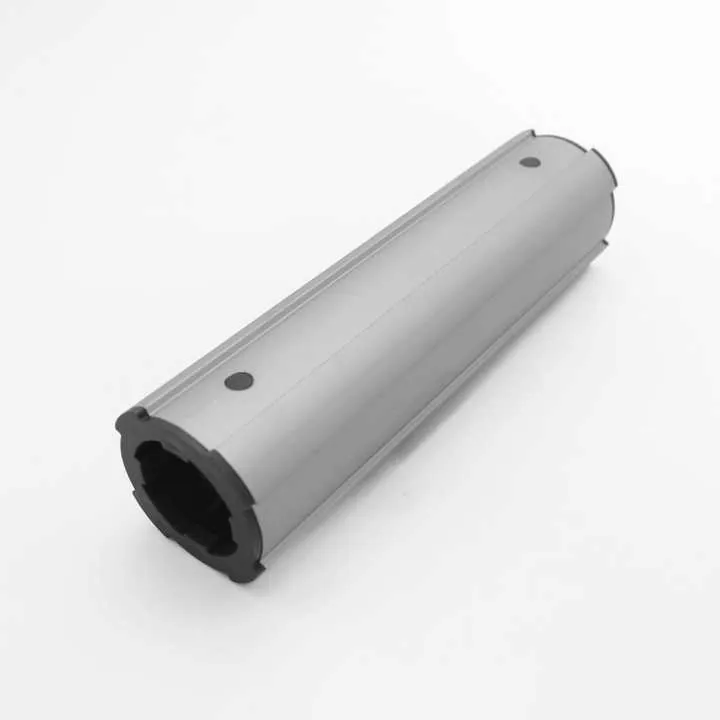
CNC lathes can handle round bars, square billets, and even hollow tubes. When producing shafts, the machine focuses on keeping the part balanced while cutting or drilling along the centerline. This makes sure both ends of the shaft remain aligned.
Key reasons CNC lathes are used for shaft making
-
Precision and symmetry
The machine keeps the workpiece rotating evenly, allowing both ends to match perfectly. -
Repeatability
You can produce hundreds of identical shafts with no quality drop. -
Advanced threading
Many shafts need threads. CNC lathes cut threads smoothly and to exact depths. -
Support for different materials
From aluminum to stainless steel, the settings adjust for material strength and shape.
Shaft types commonly made with CNC lathes
| Shaft Type | Application | CNC Lathe Advantage |
|---|---|---|
| Motor shafts | Electric motors | High straightness, smooth ends |
| Drive shafts | Automotive, heavy machines | Strong, balanced rotation |
| Spindle shafts | CNC tools, routers | Ultra-precise geometry |
| Hollow shafts | Lightweight structural parts | Controlled internal boring |
CNC lathes allow step-turning, grooving, chamfering, and internal boring all in one setup. That saves time and increases production output for shaft components.
Which parts suit CNC turning?
Some shapes are not practical to make using manual processes. Irregular curves, fine threads, and tight spaces often need controlled paths to be cut accurately.
Parts with round profiles, internal bores, threads, or detailed grooves are ideal for CNC turning.
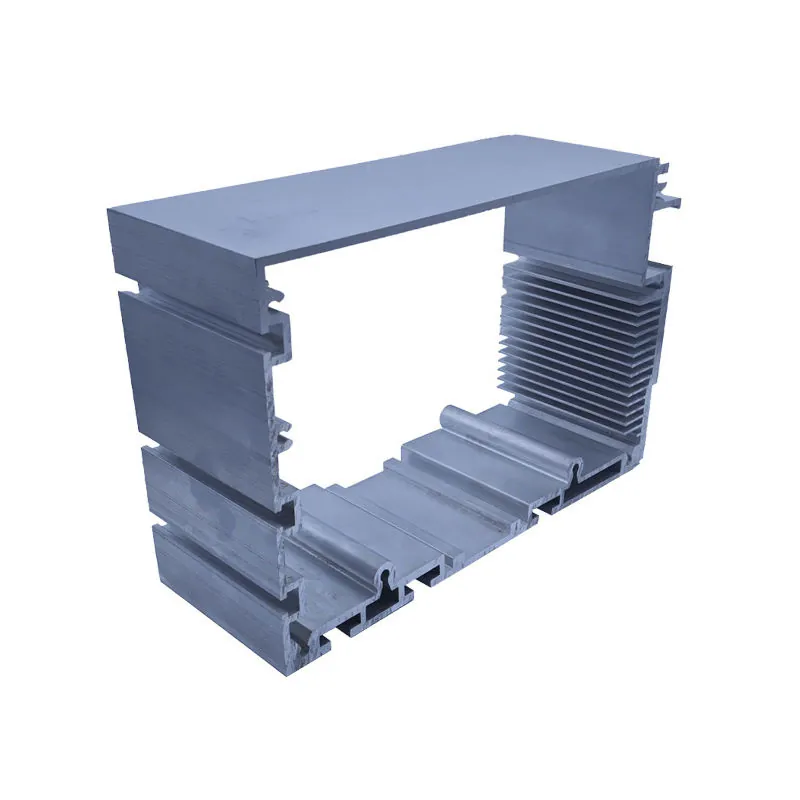
CNC turning is best for cylindrical parts or designs where the outside shape changes gradually along the length. These parts benefit from the way CNC lathes remove material in layers as the workpiece spins.
Common parts made by CNC lathes
- Bushings
- Pulleys
- Hubs
- Pins
- Fittings
- Flanges
- Nuts and threaded rods
When CNC turning is better than milling
Turning and milling are both CNC processes. But turning rotates the material, while milling moves a rotating tool across a fixed block. Turning is more efficient when:
- The part is round
- You need deep bores
- You want a smooth outer surface
- The part requires concentric cuts
Milling is better for flat surfaces, pockets, or sharp angles. Turning excels in creating circles, arcs, and precise diameters.
Key part shapes for turning
| Shape | Turning Process | Typical Use Case |
|---|---|---|
| Cylindrical | External cutting, facing | Shafts, rollers, rods |
| Tapered | Angled cuts | Tool holders, connectors |
| Threaded | Thread cutting tool paths | Fasteners, custom bolts |
| Grooved | Grooving or parting tools | Pulleys, locks, gear seats |
By focusing on parts that suit turning, companies can optimize run-time, reduce tool wear, and cut down costs in the long term.
Where are CNC lathes commonly found?
Some factories still depend on manual or hybrid machines. But those setups can’t handle large batches or maintain quality across multiple shifts.
CNC lathes are found in aerospace, automotive, defense, electronics, medical, and heavy machinery sectors worldwide.
Many industries need parts that fit together without play or gaps. CNC lathes offer tight tolerances that meet these needs. They also support high-speed production for both simple and complex parts.
Key industries using CNC lathes
-
Automotive
Engine parts, steering components, axles, brake drums -
Aerospace
Jet engine shafts, landing gear bushings, hydraulic fittings -
Medical
Bone screws, surgical rods, implantable devices -
Industrial machinery
Piston rods, gear blanks, bearing housings -
Oil & gas
Valve bodies, threaded connectors, pressure housings
Use cases by company size
| Company Size | CNC Lathe Usage |
|---|---|
| Large OEMs | Mass production of precision parts |
| Medium factories | High-mix, mid-volume production |
| Small workshops | Custom parts and quick prototyping |
Because of automation, CNC lathes help even small shops stay competitive. They reduce labor costs and produce better quality parts in less time.
Some factories use CNC lathes with robots. These systems run overnight without supervision, producing thousands of parts before morning. Others link CNC lathes with inspection tools, so each finished part is measured right after cutting.
Conclusion
CNC lathes rotate material with accuracy and control that manual tools can’t match. They are ideal for making shafts, bushings, fittings, and other round parts across many industries. With CNC turning, quality improves and cost per part drops over time.