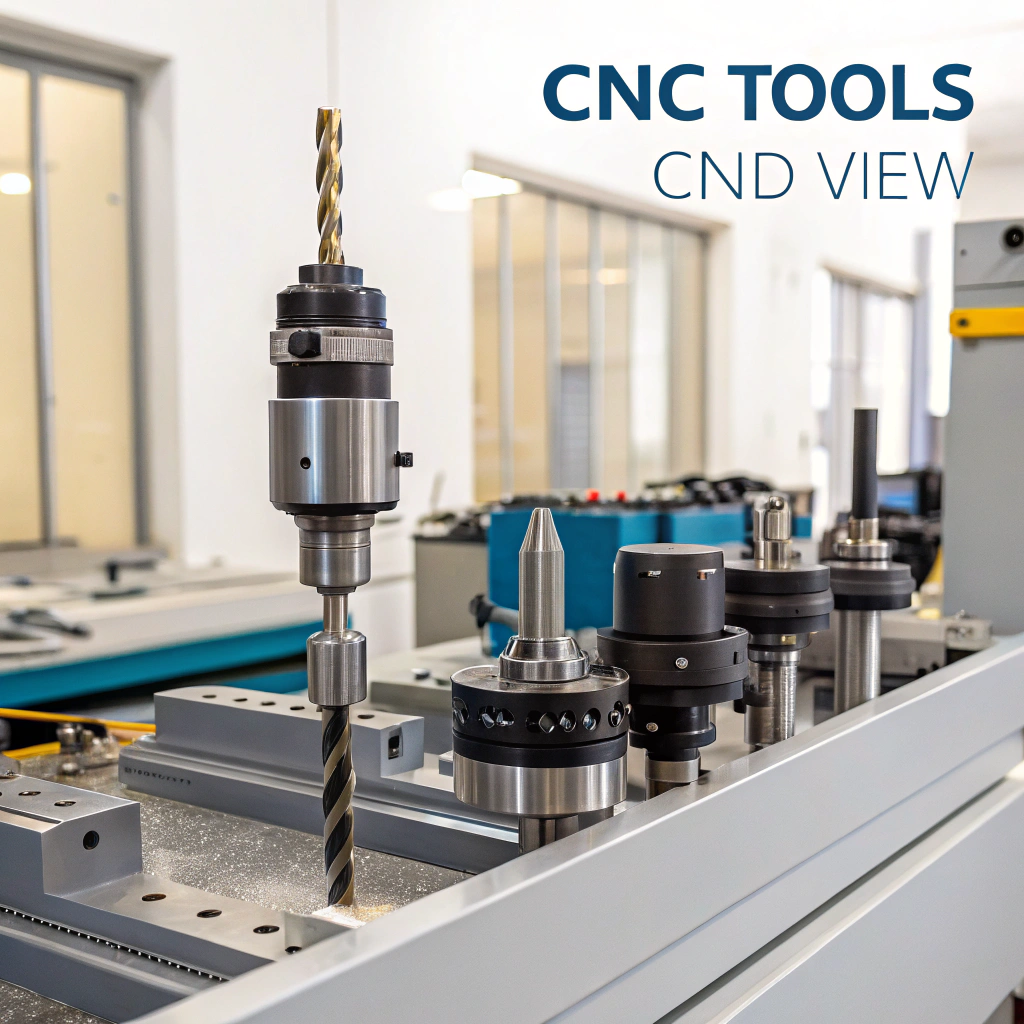
Are you wondering how machines carve metal with razor-sharp precision? CNC tools are the real “hands” inside a CNC machine—choose poorly, and the magic vanishes.
CNC tools are the interchangeable cutting, drilling, shaping bits that mount on a CNC machine and perform material-removal operations under programmatic control.
Let’s explore what CNC tools are, why choosing the right ones pays off, how to select them like a pro, and what trends are shaping their future.
What are CNC tools?
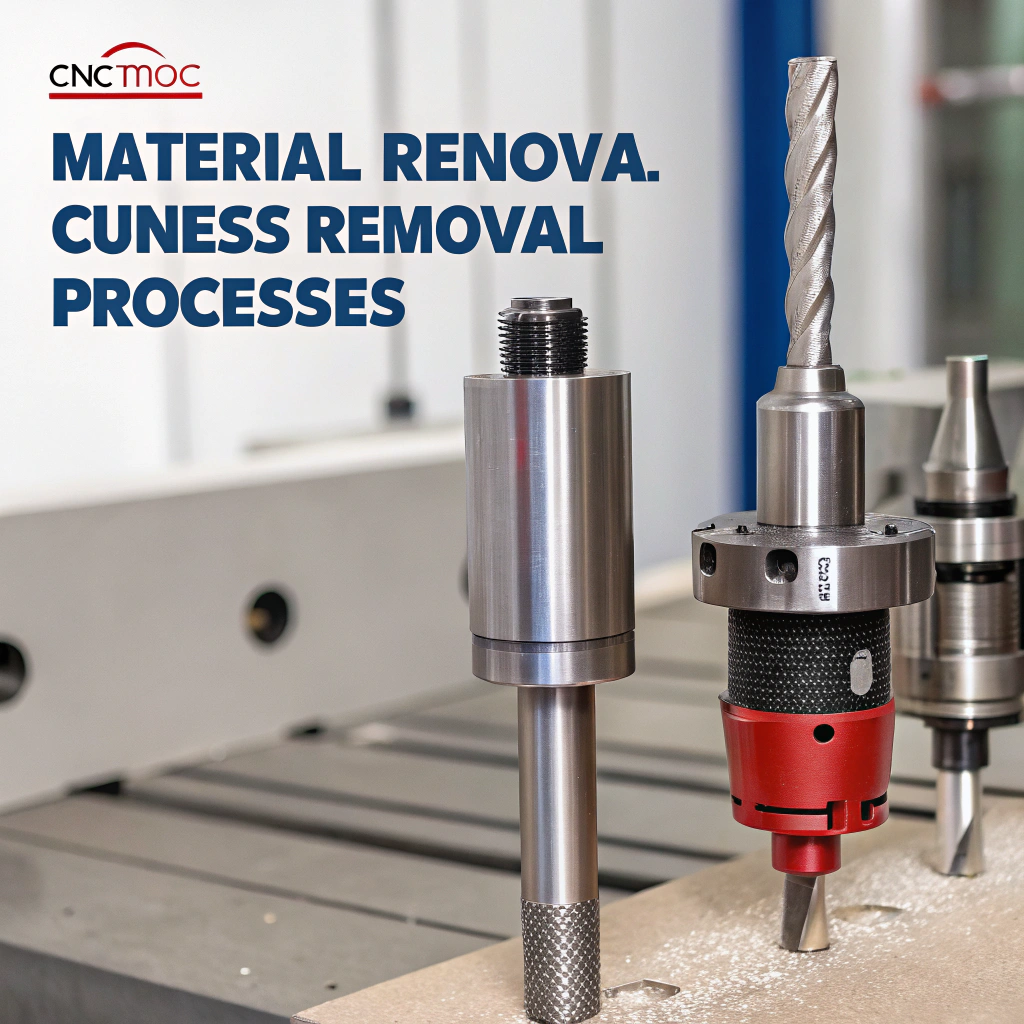
Picture a CNC machine: motors, spindles, axes moving. But the actual cutting is done by the tool in the spindle. That tool is a CNC tool.
A CNC tool is the cutting or shaping component mounted in a CNC machine, responsible for removing material from the workpiece with programmed precision.
There are many types of CNC tools:
- Milling tools such as flat end mills, ball end mills, and face mills.
- Drilling tools like twist drills and center drills.
- Turning tools including carbide inserts and boring bars.
- Threading tools, tapping tools, and engraving tools for special operations.
Each tool has a specific purpose, geometry, and material type. Tool materials include high-speed steel, carbide, ceramic, and even diamond-tipped options for high-precision or abrasive jobs. The design of each tool (number of flutes, helix angle, cutting edge design) influences its cutting efficiency, chip evacuation, and finish quality.
The choice of CNC tools depends on the workpiece material, desired precision, type of machining operation, and production volume. For instance, tools for machining aluminium often have fewer flutes and higher helix angles, while steel-cutting tools might prioritize toughness and wear resistance.
CNC tools are the heart of material removal processes. Without the right tool, even the most advanced CNC machine can't produce accurate, consistent results.
What are the benefits of choosing the right CNC tools?

If your parts come out rough, your finish is inconsistent, or you’re constantly replacing broken tools, your tool choice is likely the problem.
Choosing the right CNC tools improves accuracy, extends tool life, boosts machining efficiency, reduces waste, and lowers overall production costs.
Better precision and surface finish
When the right tool is selected, parts come off the machine with better tolerances and smoother surfaces. This reduces the need for secondary operations like grinding or polishing.
Longer tool life
Matching the tool material and coating to the workpiece reduces wear. For example, coated carbide tools last much longer in high-speed operations than uncoated tools. Longer life means fewer tool changes and lower costs.
Higher productivity
Right tools allow for faster cutting speeds and feeds, especially when paired with appropriate coolant and machine settings. This leads to more parts produced per hour.
Lower scrap rate
Incorrect tools lead to chattering, broken edges, and dimensional errors. Good tool selection minimizes these risks, leading to fewer rejected parts and more consistent quality.
Reduced downtime
Using tools designed for durability and ease of changeover helps keep your machines running longer with fewer interruptions. In lights-out machining or automated cells, this is especially critical.
Cost-efficiency
Even if a quality tool costs more upfront, it often lowers the cost per part due to less downtime, fewer tool changes, and reduced scrap. The overall ROI tends to favor higher-quality tools.
How to select CNC tools for professional use?

A professional tool selection process saves money, boosts quality, and ensures consistent outcomes in every project.
Professional CNC tool selection depends on the material, machining type, finish requirements, machine specs, and production goals.
Step 1: Identify the operation
Are you milling, drilling, turning, or threading? Each process uses different tool types. Milling operations may need end mills or face mills, while turning requires insert tools or boring bars.
Step 2: Know your material

The workpiece material affects tool choice directly. Use this table to match tool types to common materials:
| Material | Recommended Tool Type | Notes |
|---|---|---|
| Aluminium | 2-3 flute carbide end mills | High helix, polished flute |
| Stainless Steel | Coated carbide or ceramic tools | Requires coolant, low speed |
| Carbon Steel | 4-flute HSS or carbide tools | Toughness over sharpness |
| Titanium | High-grade coated carbide tools | Short depth cuts, slow feed |
| Plastics | Single flute or up-cut tools | Avoid heat buildup |
Step 3: Choose tool geometry
- Flute count: Fewer flutes for soft materials, more for hard ones.
- Helix angle: High angles for fast chip evacuation; low angles for strength.
- Tool length: Shorter tools offer better rigidity and less vibration.
- Cutting edge: Sharp for plastics, rounded for metal finishing.
Step 4: Consider coatings and tool material
Use coated tools when machining metals at high speed. Coatings like TiN, TiCN, or AlTiN improve wear resistance and heat control.
| Coating Type | Benefits | Typical Use |
|---|---|---|
| TiN | General wear resistance | Steel, stainless, aluminium |
| AlTiN | High heat and oxidation resistance | Hardened steels, dry machining |
| DLC | Low friction | Aluminium, copper, plastics |
Step 5: Match with machine capabilities
Check that your CNC machine’s spindle speed, feed rates, and power can support the tool and the operation. Don't overload small machines with aggressive tools.
Step 6: Consider cost per part
Calculate the tool’s lifespan, cost, and the number of parts it can produce. This helps in choosing between cheaper general-purpose tools and higher-end long-life tools.
What are the trends in CNC tool technology?
Technology in the tooling world is advancing fast. Smart tools, new materials, and automation are driving how CNC tools evolve.
Major trends include smart sensors, advanced coatings, multi-functional tools, hybrid tooling, and digital integration for Industry 4.0.
Intelligent tooling
Smart tools equipped with embedded sensors now monitor temperature, vibration, and wear in real-time. These tools can send alerts before failure, enabling predictive maintenance and reducing downtime.
Advanced coatings and nano-materials
Next-gen coatings like nanocomposite layers or diamond-like carbon (DLC) are extending tool life significantly. These coatings reduce heat, resist wear, and allow for dry machining in some cases.
Hybrid and multifunctional tools
Modern tools are combining multiple operations in one—such as drill-tap combos or rough-finish tools. This reduces the number of tool changes and boosts cycle time efficiency.
Tool customization and 3D-printed tool bodies
3D printing allows rapid prototyping of tool bodies, especially for complex shapes or coolant channels. Custom tools are becoming more accessible even for small-batch production.
Digital twins and virtual tool libraries
Software now lets users simulate a tool’s behavior before actual cutting. Tool databases linked with CAM software help pre-select optimal parameters based on geometry and material.
Sustainable tooling and remanufacturing
Tool makers are focusing on recyclable tool bodies, regrindable inserts, and sustainable supply chains. Tool life tracking and recycling programs are becoming more popular in the industry.
Connectivity and Industry 4.0 integration
CNC tools are now part of broader smart factory systems. They communicate with CNC controllers, ERP systems, and maintenance software to provide data on life cycle, usage, and performance.
Conclusion
CNC tools are the unsung heroes of precision manufacturing. Choosing the right tools affects everything—from surface quality and cycle time to cost and machine wear. By understanding the types, benefits, selection strategies, and future trends of CNC tools, we gain better control over our production outcomes. As technology evolves, smart and optimized tooling will remain a key to success in any CNC-driven operation.