Many manufacturers struggle to balance speed, precision, and cost in metalworking. Using the wrong process often leads to delays, part rejections, and wasted materials.
Machining processes are methods used to remove material from a workpiece to achieve a desired shape, size, or surface finish.
If you’re in metal fabrication, selecting the right machining process can save time, reduce scrap, and deliver better results. Let's break down the basics and how to apply them.
What are machining processes?
Metal parts rarely come out of raw material stock ready for final use. Most need shaping, drilling, cutting, or finishing before they’re functional.
Machining processes are a set of manufacturing operations that remove material from a workpiece using cutting tools or abrasives to shape the final product.

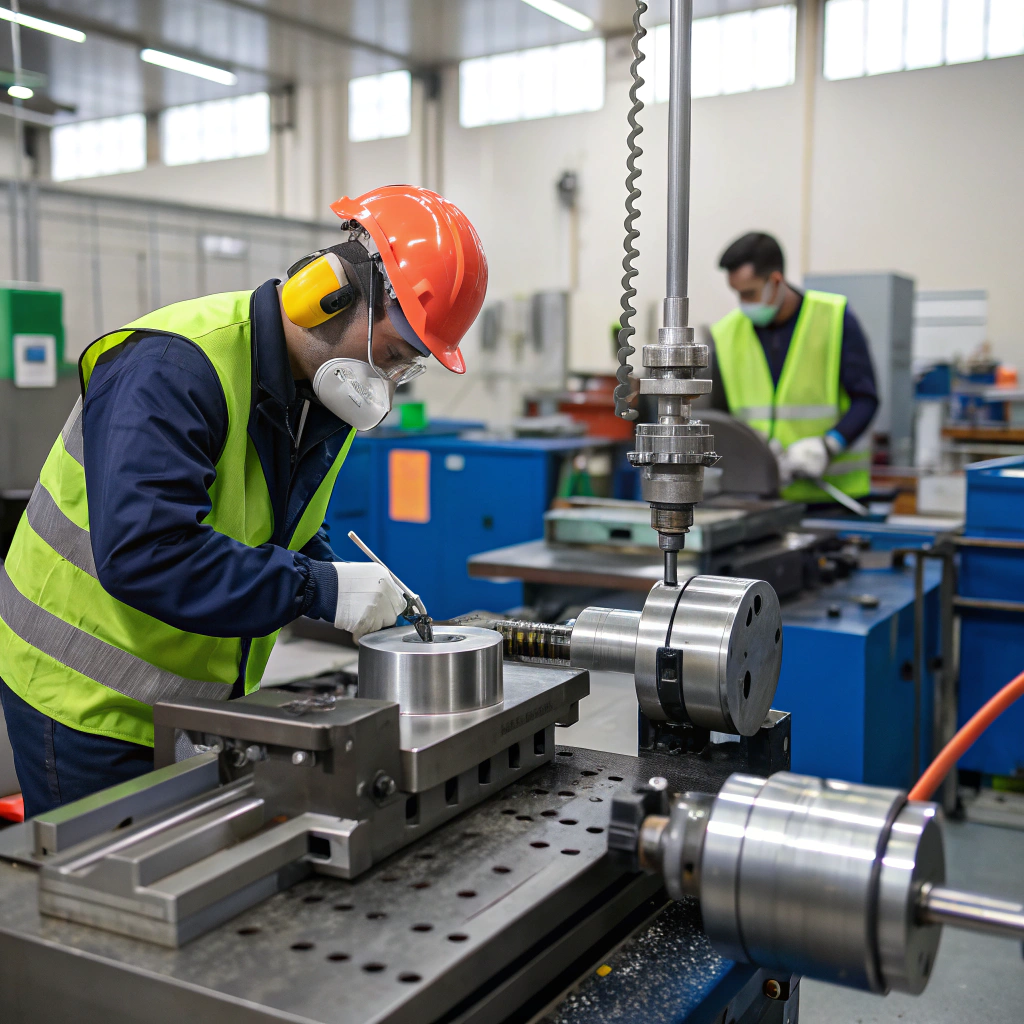
Machining can involve a range of tools and machines—from manual drills to advanced CNC centers. These processes are used on metals, plastics, composites, and more.
Key categories of machining
Machining processes fall into three main groups:
| Category | Description | Common Methods |
|---|---|---|
| Cutting | Removes material using sharp edges | Milling, Turning, Drilling |
| Abrasive | Grinds or polishes with rough materials | Grinding, Lapping, Honing |
| Non-traditional | Uses electrical, chemical, or thermal energy | EDM, Laser cutting, Waterjet |
Each has unique characteristics. For example, cutting methods are great for forming shapes, while abrasive ones give excellent surface finishes. Non-traditional methods allow for precision without direct contact.
Most shops use a mix depending on part requirements and available equipment.
Why are machining process types important?
Choosing the wrong machining method can lead to quality issues, increased cycle times, and higher costs—especially for complex or high-volume parts.
Different machining processes offer distinct advantages in precision, speed, material compatibility, and surface finish—making the right choice critical for product performance.

How machining choice affects results
Each machining process affects:
- Dimensional accuracy: Tolerances depend on machine type and setup.
- Surface quality: Processes like grinding offer smoother finishes than milling.
- Material compatibility: Hard metals may need EDM or laser methods.
- Cycle time: Faster methods may reduce costs but sacrifice precision.
Let’s compare some options:
| Process | Best for | Tolerance Range | Surface Finish | Cost Efficiency |
|---|---|---|---|---|
| CNC Milling | Complex geometries | ±0.01 mm | Medium | High |
| CNC Turning | Cylindrical parts | ±0.01 mm | Good | High |
| Grinding | High surface finish | ±0.005 mm | Excellent | Medium |
| EDM | Hard metals, tight areas | ±0.002 mm | Very Good | Low |
| Waterjet | Heat-sensitive materials | ±0.1 mm | Medium | Medium |
How to choose the right machining process?
With so many processes available, it’s easy to get overwhelmed. Picking the wrong one leads to waste, poor quality, or missed delivery dates.
You should choose the machining process based on part geometry, required tolerance, material type, volume, and surface finish.
Steps to choose the right process
1. Define your part requirements
Start with basic questions:
- What are the part dimensions and tolerances?
- Does it need tight flatness or roundness?
- What material are you using?
2. Analyze material characteristics
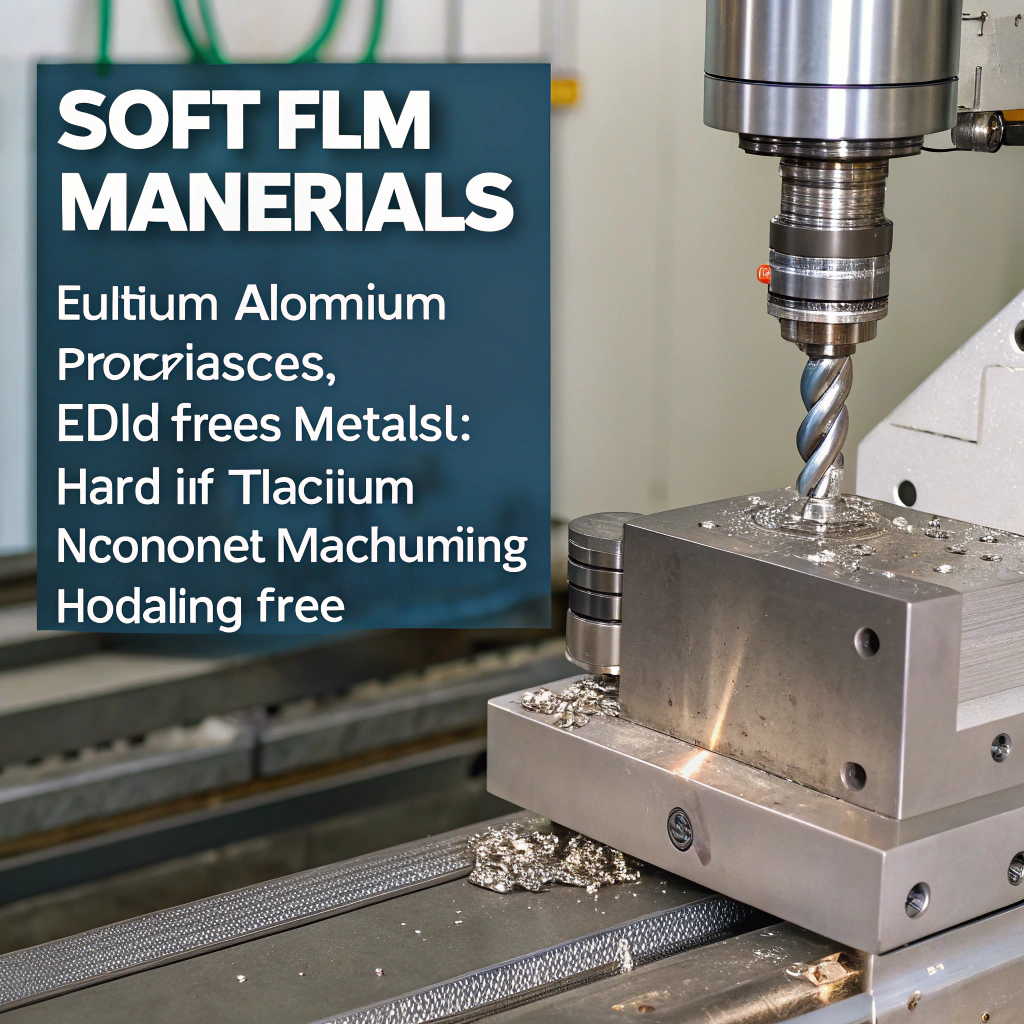
Soft materials like aluminum are easy to machine using cutting processes. Hard metals like titanium or Inconel may need EDM or specialized tooling.
3. Consider part geometry
Complex internal shapes might require EDM or multi-axis CNC machining. Flat plates benefit from Blanchard grinding or waterjet cutting.
4. Evaluate production volume
For small runs, manual methods or 3-axis CNC might work. For mass production, invest in automation or multi-spindle machines.
5. Think about secondary operations
Will the part need welding, anodizing, or coating later? Choose a process that leaves a surface ready for those steps.
Common matching examples
| Requirement | Recommended Process |
|---|---|
| High flatness on steel plate | Blanchard grinding |
| Intricate aluminum bracket | 5-axis CNC milling |
| Small bore in hard alloy | EDM drilling |
| Smooth shaft for a bearing | Cylindrical grinding |
| Heat-sensitive part | Waterjet or laser cutting |
These choices save time, reduce rework, and ensure better long-term reliability.
What are the emerging trends in machining processes?
Traditional machining is evolving fast. If you rely on old techniques, you risk falling behind in efficiency, precision, and customer expectations.
Today’s machining processes are shifting toward automation, hybrid machines, digital monitoring, and sustainable practices to meet modern manufacturing demands.

Key machining innovations
1. Hybrid machining systems
New machines combine processes like milling + grinding or turning + EDM in one setup. This reduces setup time and increases part accuracy.
2. AI and real-time monitoring
Sensors now track vibration, tool wear, and part quality during machining. AI software can adjust parameters automatically to prevent defects.
3. Additive + subtractive combo
Some shops now 3D print rough metal parts and then finish them using CNC. This is ideal for low-volume complex components like aerospace brackets.
4. Eco-friendly machining
Coolant recycling, dry machining, and low-energy processes are gaining ground. These reduce environmental impact without sacrificing quality.
5. Micromachining
Smaller, high-precision parts for electronics and medical devices are pushing the limits of accuracy. Processes now work in micron-level tolerances.
These changes improve production speed, safety, and repeatability—helping manufacturers compete globally.
Conclusion
Understanding machining processes helps you reduce waste, improve quality, and meet project deadlines. Choosing the right method for the right part is the first step to better manufacturing.