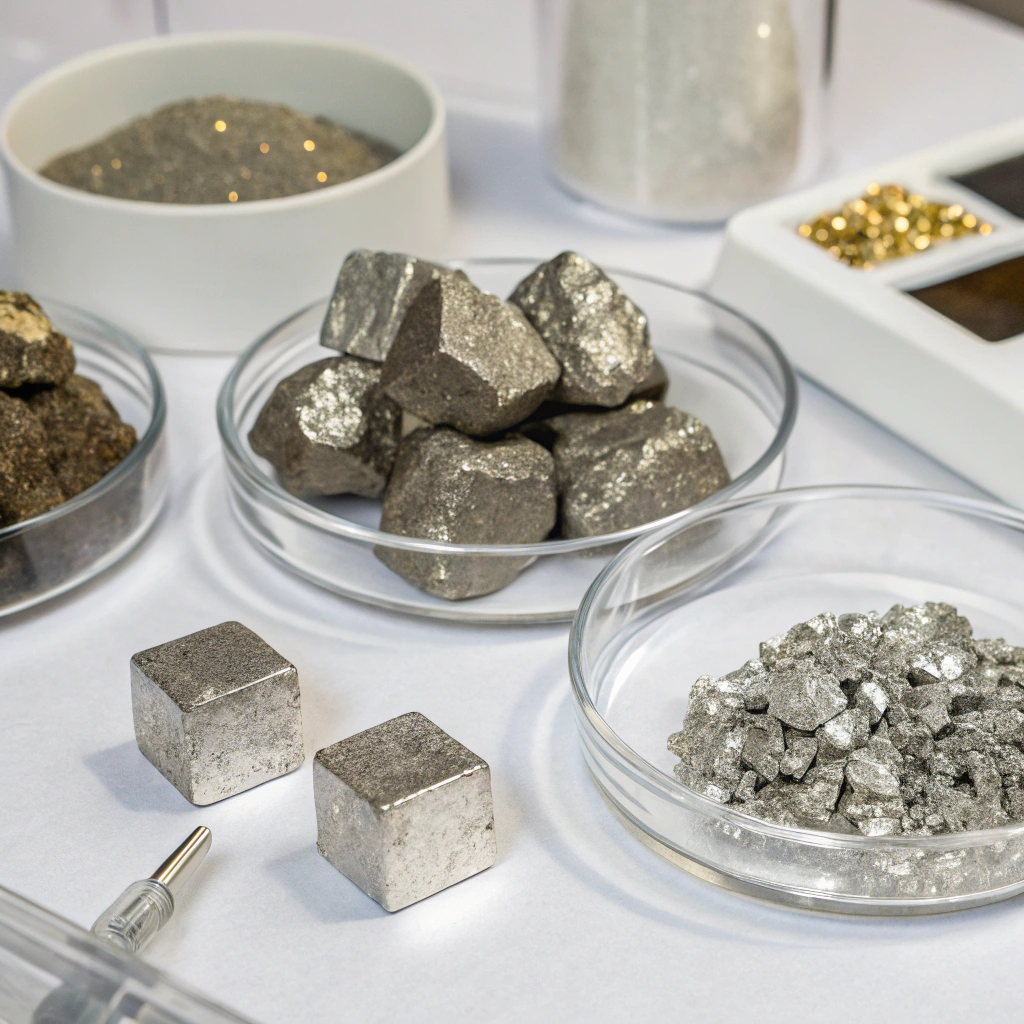
Superalloys are a group of high-performance alloys specifically designed to withstand extreme conditions, including high temperatures, high stress, and corrosive environments. These alloys are often used in critical applications like aerospace, energy production, and industrial manufacturing.
Superalloys are materials made to maintain high strength and resist degradation at elevated temperatures. They are essential for components exposed to extreme conditions, such as turbines, engines, and gas compressors.
If you've ever wondered what materials make turbines, jet engines, or power plants run smoothly, the answer is often superalloys. Let’s explore what superalloys are and why they’re indispensable in high-performance applications.
Why Use Superalloys in CNC Machining?

Superalloys are essential in CNC machining for producing parts that need to endure extreme heat, pressure, and wear, making them perfect for industries like aerospace and energy production.
CNC (Computer Numerical Control) machining requires precision and efficiency, but when it comes to machining superalloys, things get a bit more complex. Superalloys like Inconel, Hastelloy, and Waspaloy are commonly used in critical applications due to their superior mechanical properties at high temperatures. Let’s explore why these alloys are so important and why they are widely used in CNC machining.
Why Are Superalloys Used in Critical Applications?
Superalloys are preferred for CNC machining in industries like aerospace, automotive, and energy production for several key reasons:
-
High-Temperature Strength
Superalloys are designed to maintain their strength and structural integrity at temperatures far higher than traditional steels. This makes them essential in high-performance environments like jet engines or gas turbines, where temperatures can exceed 1000°C (1832°F). -
Corrosion Resistance
Many superalloys have exceptional resistance to oxidation, corrosion, and other forms of wear, even when exposed to extreme environments. This is crucial for parts that operate in harsh conditions, such as those found in chemical processing plants or marine applications. -
Creep Resistance
Creep is the gradual deformation of materials under constant stress at high temperatures. Superalloys are specifically engineered to resist creep, which makes them ideal for components in engines and turbines that operate under high mechanical stress over long periods. -
Durability and Longevity
Due to their resistance to oxidation, corrosion, and fatigue, superalloys can last much longer than other materials in demanding environments. This durability is key to reducing maintenance costs in critical applications like power plants and jet engines.
How to Machine Superalloys Effectively?

Machining superalloys requires specialized techniques and tools to overcome their toughness, hardness, and resistance to deformation. Proper planning and advanced equipment are essential for achieving high-quality results.
Superalloys are notoriously challenging to machine due to their extreme hardness and resistance to wear. Traditional machining processes that work well for softer metals might not be as effective. Here’s a look at how you can effectively machine superalloys and ensure optimal performance and precision.
Key Techniques for Machining Superalloys
-
Choosing the Right Cutting Tools
Since superalloys are extremely hard, using the right cutting tools is essential. Carbide, ceramic, or CBN (cubic boron nitride) tools are often used when machining these materials. These tools have high wear resistance and can handle the stresses of cutting superalloys. -
Low Cutting Speeds
Superalloys require slower cutting speeds compared to softer materials. High cutting speeds can cause excessive heat buildup, which can damage the material and the cutting tool. A lower cutting speed helps manage the heat and prolong the life of the tools. -
Use of High Coolant Flow
Superalloys tend to generate a lot of heat during machining, which can cause thermal expansion and tool wear. High-pressure coolant systems, or the use of specialized coolants, can help reduce temperatures during the cutting process. This prevents the part from warping and keeps the tool from dulling quickly. -
Optimal Feed Rate and Depth of Cut
Maintaining the right feed rate and depth of cut is crucial when machining superalloys. Too deep a cut or too fast a feed rate can cause excessive tool wear and poor surface finish. Finding the optimal balance will help ensure efficiency and longevity of the tooling. -
Heat Management
Superalloys are heat-resistant, but the machining process itself generates significant heat. Using techniques such as cryogenic cooling or advanced lubricants can help control temperatures during machining, reducing thermal damage to both the material and tools. -
Machining with Multiple Passes
Superalloys should typically be machined using multiple shallow passes rather than a single deep cut. This allows the tool to stay cooler, reduces stress on the material, and improves the surface finish.
What Are the New Trends in Superalloy Machining?
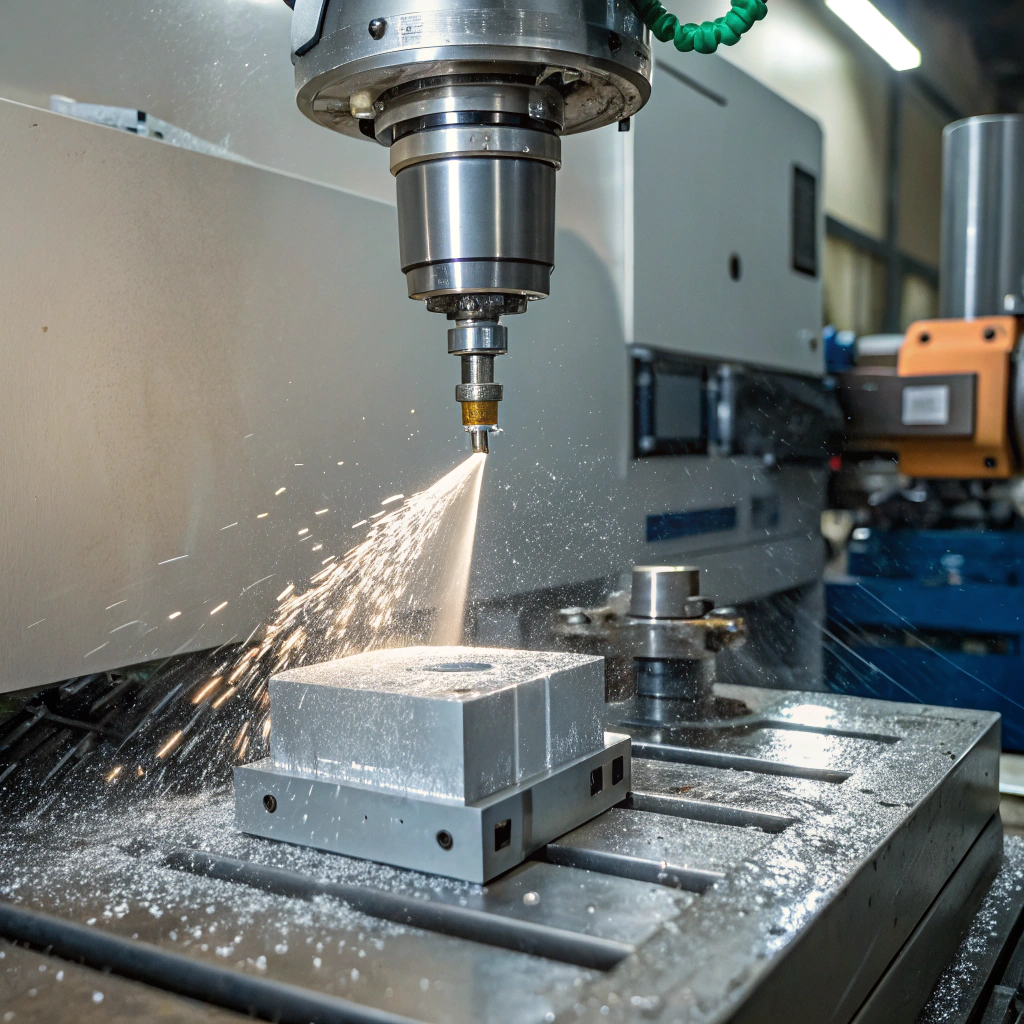
New trends in superalloy machining are focused on improving efficiency, precision, and sustainability, with advancements in tooling, automation, and cooling techniques.
Superalloy machining is evolving as new technologies and techniques are being developed to address the challenges posed by these difficult-to-machine materials. Here are some of the key trends in superalloy machining that are shaping the industry.
1. Additive Manufacturing and Hybrid Machining
Additive manufacturing (3D printing) is being increasingly used in combination with traditional machining processes to produce superalloy parts. This hybrid approach allows for more efficient material use and faster production, especially for complex geometries. By 3D printing parts with a basic shape and then machining them to final specifications, manufacturers can significantly reduce waste and production time.
2. Advanced Tooling Materials
The demand for tougher, more durable tools is pushing innovation in cutting tool materials. Tools made from materials like polycrystalline diamond (PCD), ceramic composites, and coatings like TiN (titanium nitride) are being increasingly used in superalloy machining. These materials provide higher wear resistance and can handle the extreme conditions that superalloys impose on cutting tools.
3. High-Efficiency Machining (HEM)
High-efficiency machining techniques are being developed to reduce the cost and time required for machining superalloys. These methods involve using high-speed cutting techniques, advanced tool paths, and real-time feedback systems that allow machines to adapt to changing conditions. The goal is to increase material removal rates without compromising the surface finish or tool life.
4. Cryogenic Machining
Cryogenic machining involves using very low temperatures, typically liquid nitrogen or CO2, to cool the cutting tool and workpiece during the machining process. This technique helps reduce the heat generated by cutting superalloys, resulting in better tool life, improved surface finishes, and more efficient machining. Cryogenic machining is particularly useful when working with high-performance alloys that are prone to thermal distortion.
5. Automation and Smart Machining
Automation is transforming the machining of superalloys. Smart machining systems use advanced sensors, artificial intelligence (AI), and machine learning algorithms to monitor and control machining parameters in real time. These systems can adjust cutting speeds, feeds, and coolant flow based on the condition of the tool and material, improving both efficiency and precision. Automation also reduces the risk of human error, leading to more consistent results and lower operational costs.
6. Sustainability and Green Machining Practices
As industries move toward more sustainable manufacturing practices, the machining of superalloys is becoming greener. This includes the use of eco-friendly coolants, minimizing waste through better tool paths and cutting techniques, and reducing energy consumption during the machining process. The push for more sustainable practices also includes recycling scrap material and reducing the environmental impact of machining operations.
Conclusion
Superalloys are essential materials for industries that require components to withstand extreme temperatures, pressures, and wear. Machining these alloys requires specialized techniques, tools, and technologies to ensure precision and efficiency. As new trends in tooling, automation, and cooling emerge, superalloy machining continues to evolve, making it more efficient, sustainable, and precise for the next generation of high-performance applications.