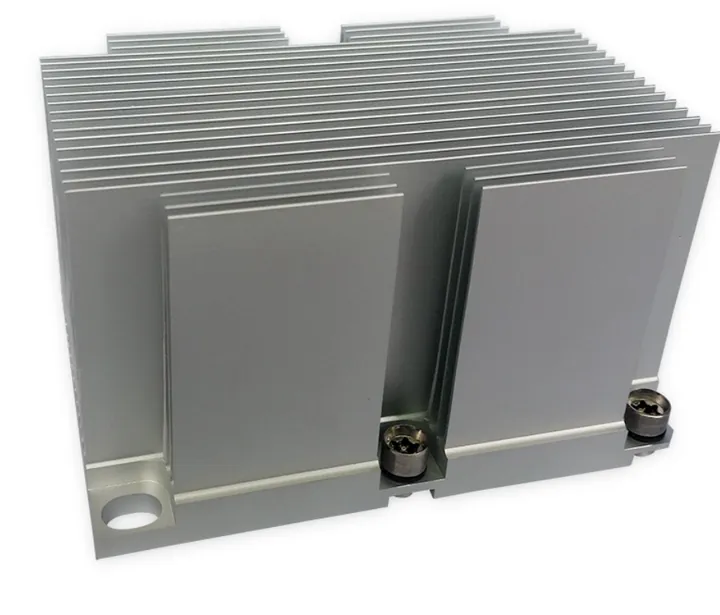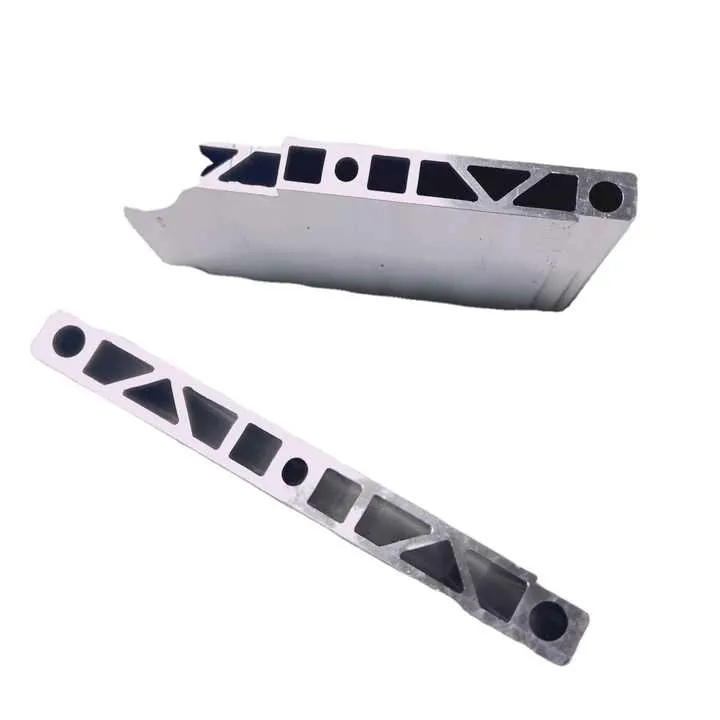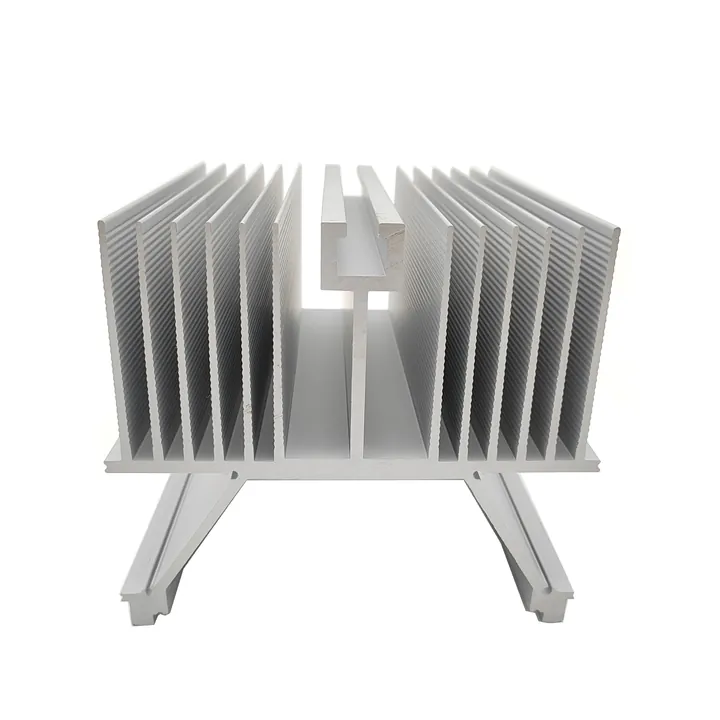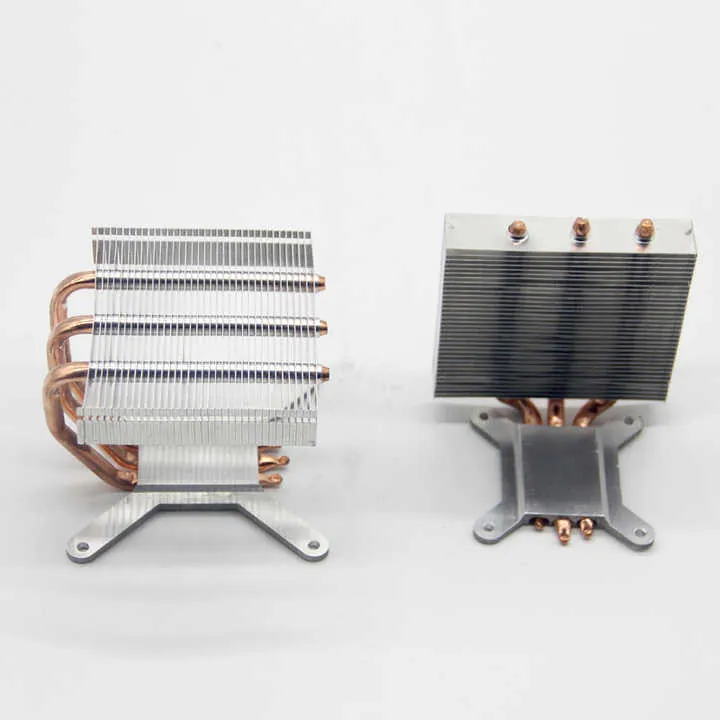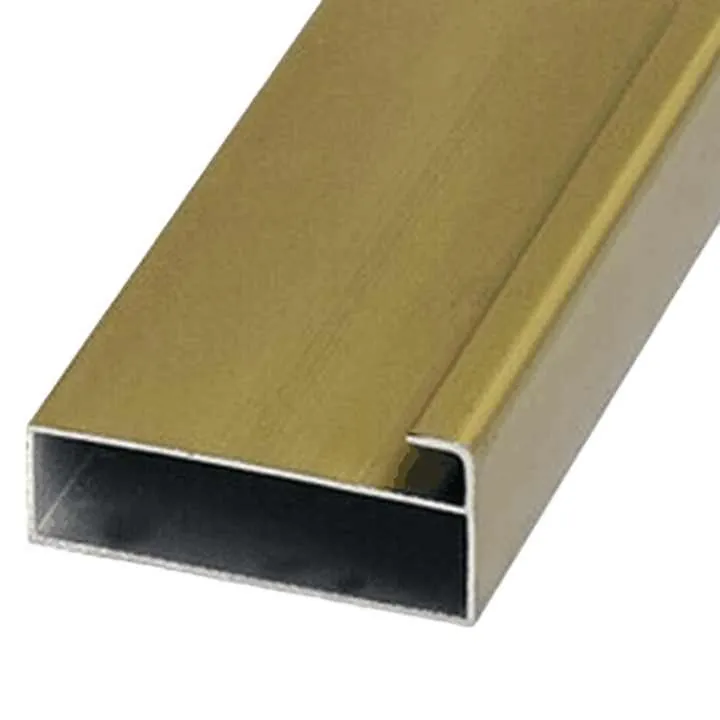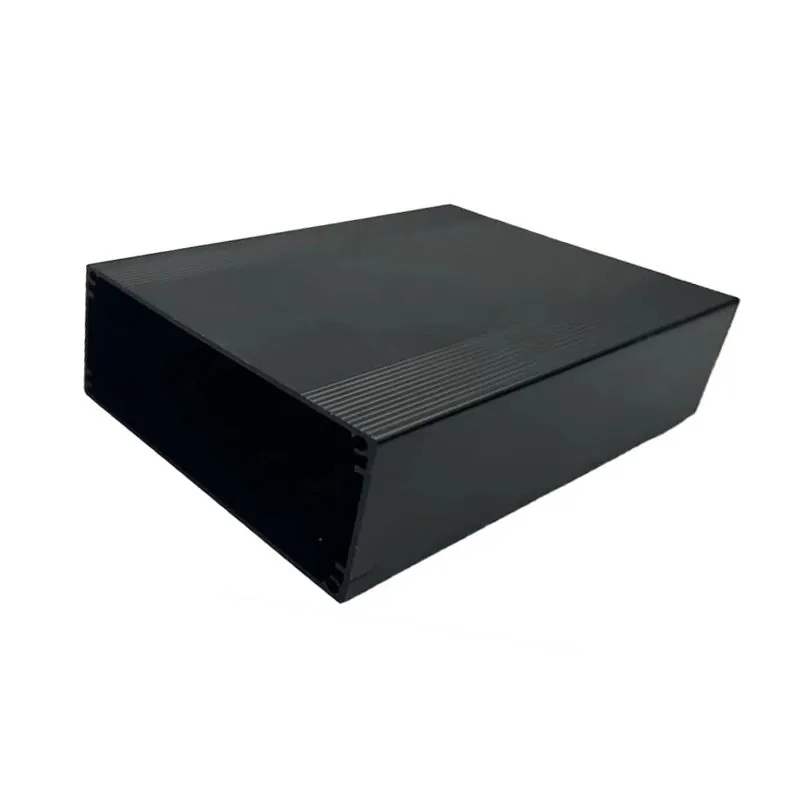
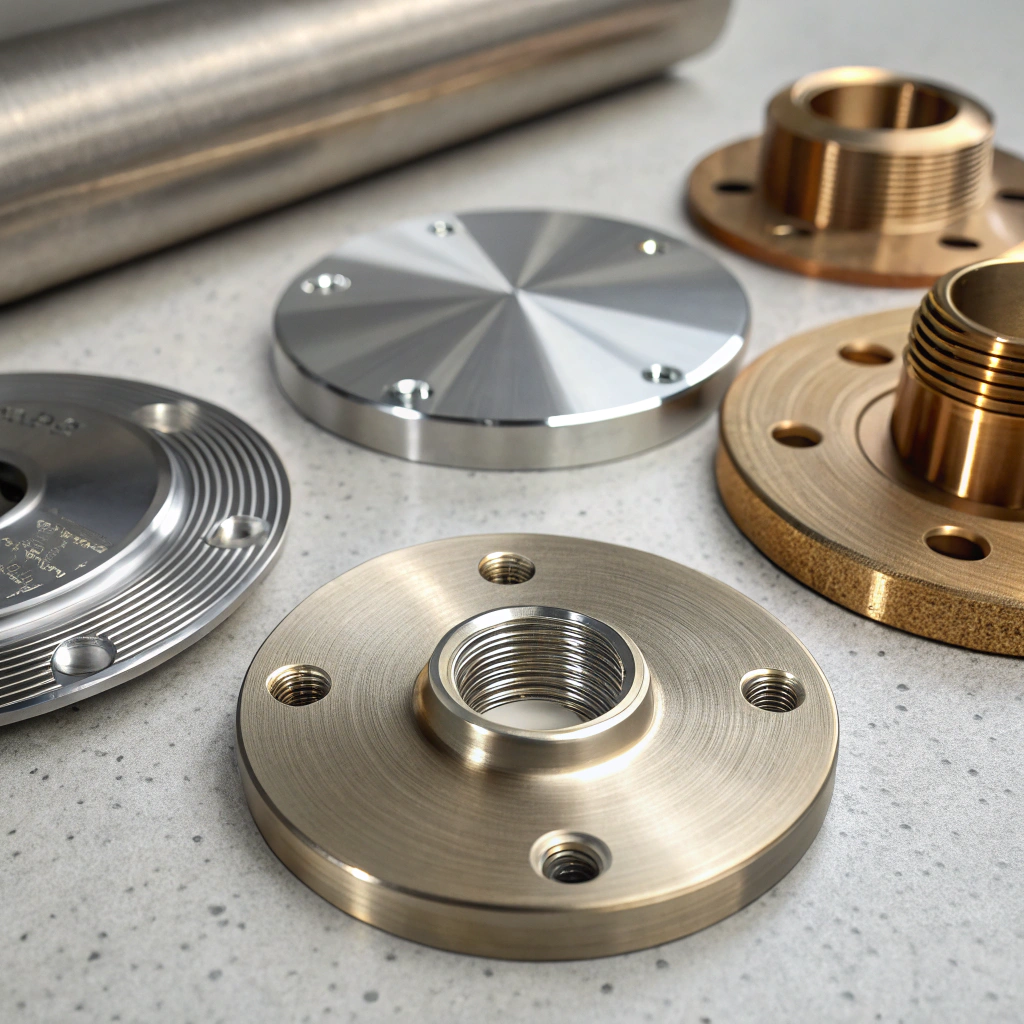
Surface finishes for metal parts refer to the final treatments applied to the surface of metal components to improve their appearance, durability, and performance. These finishes can range from simple polishing to more advanced processes like anodizing or coating, depending on the intended use of the part.
Surface finishes are applied to metal parts to achieve a variety of results, including improved corrosion resistance, wear resistance, aesthetic appeal, and smoothness. Common types of metal surface finishes include polishing, anodizing, plating, powder coating, sandblasting, and galvanizing. The choice of surface finish depends on the metal's intended application, environmental factors, and aesthetic requirements.
Surface finishes are essential in both functional and decorative aspects of metal components. These finishes play a critical role in the lifespan and performance of metal parts in industries such as automotive, aerospace, electronics, and industrial manufacturing.
Why Are Surface Finishes Important for CNC Parts?
Surface finishes are critical for CNC parts as they directly impact the part's functionality, performance, and aesthetic appearance. A good surface finish ensures that the metal component performs its intended function effectively and reliably throughout its lifespan.
Surface finishes for CNC parts are essential because they enhance properties like corrosion resistance, friction, wear resistance, and appearance, which are vital for both the longevity and efficiency of the parts. Below are some of the key reasons why surface finishes are important for CNC parts.
Durability and Corrosion Resistance
Many CNC parts are exposed to harsh environments, such as moisture, chemicals, or extreme temperatures, which can lead to corrosion. Surface finishes like anodizing or powder coating create a protective layer that prevents corrosion, thereby extending the part's lifespan. For example, parts used in automotive or marine environments often require corrosion-resistant finishes like galvanizing or electroplating to withstand exposure to saltwater.
Enhanced Wear Resistance
Certain surface finishes, such as hard coating, can improve the wear resistance of CNC parts. This is especially important for components subject to frequent friction or abrasion, like gears, bearings, or tooling. Hard anodizing or plating with materials like nickel can increase surface hardness, reducing the likelihood of wear and tear.
Improved Aesthetics
Surface finishes also play a crucial role in the appearance of CNC parts. Polished, brushed, or anodized surfaces can give metal parts a more attractive, sleek look, which is especially important in industries like electronics, jewelry, and automotive design. A high-quality finish can increase the perceived value of a product and make it more marketable.
Smoothness and Tolerance Control
Smooth surfaces reduce friction and wear in moving parts, making them essential in applications like engines, pumps, and valves. A smooth finish also ensures that parts fit together more precisely, leading to improved performance and functionality. For example, a part with an ultra-smooth finish can create a better seal or provide more accurate movement in precision machinery.
Cleanliness and Safety
In some applications, the cleanliness of the surface is critical, particularly in the medical, food, and pharmaceutical industries. A smooth, well-finished surface is easier to clean, reducing the likelihood of bacterial growth or contamination. This is essential for ensuring product safety and compliance with industry regulations.
How to Choose the Right Metal Surface Finish?
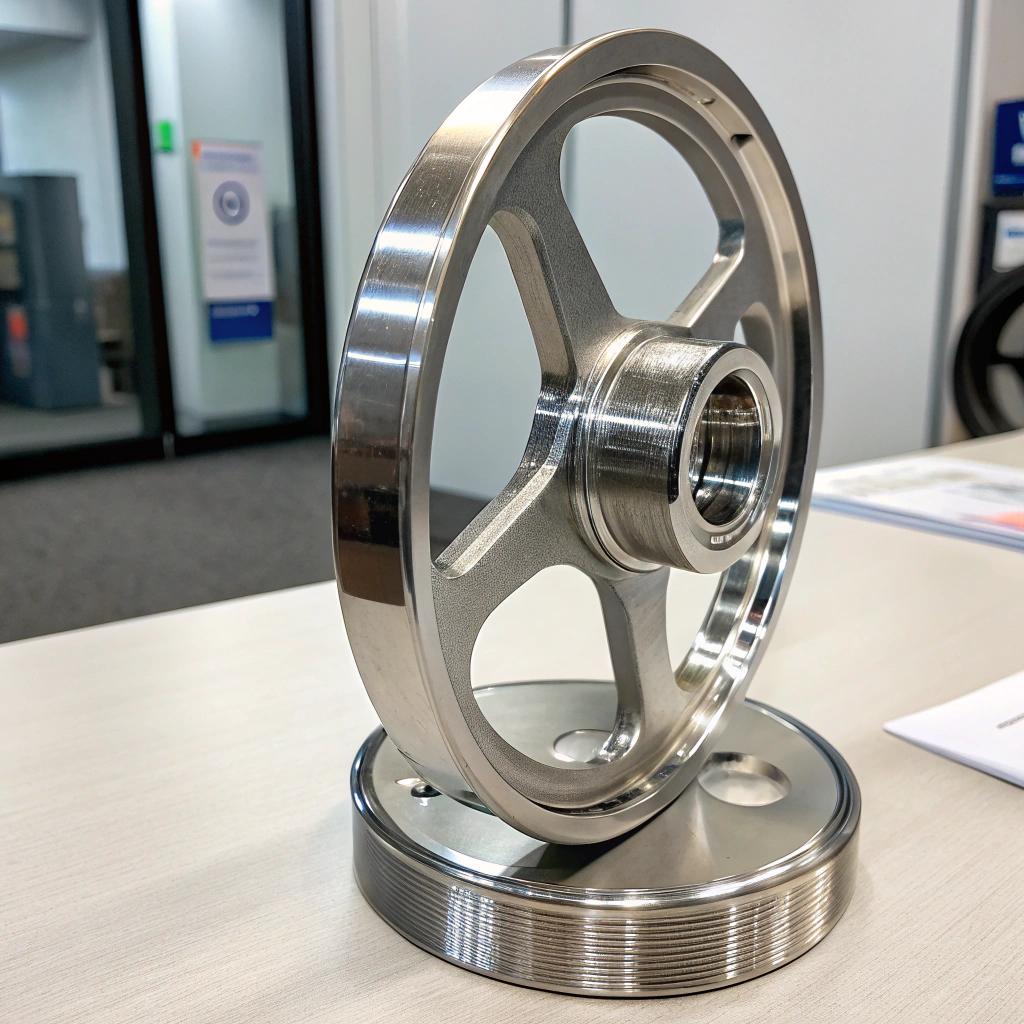
Choosing the right metal surface finish is crucial to ensuring that a CNC part performs as intended and meets all aesthetic and functional requirements. The ideal finish depends on the part’s material, use case, environment, and cost considerations.
To choose the right surface finish for a metal part, it’s essential to understand the material, the functional requirements, and the desired aesthetic qualities. Here are some factors to consider when selecting a surface finish.
Step 1: Consider the Functional Requirements
The functional requirements of the part are the most important factor in determining the type of surface finish. For instance:
- Corrosion resistance: If the part will be exposed to moisture or chemicals, a finish like anodizing, powder coating, or galvanizing might be necessary to prevent rust and corrosion.
- Wear resistance: For parts subject to friction or mechanical stress, hard coatings like chrome plating, hard anodizing, or nitriding can be beneficial to enhance durability.
- Friction reduction: For parts like bearings or gears, a smooth finish or specialized coatings like PTFE (Teflon) may be required to reduce friction and improve performance.
Step 2: Evaluate the Aesthetic Requirements
In addition to functionality, aesthetics are often important, particularly in industries where the appearance of the part can influence the product's marketability. Some finishes, such as polished or brushed finishes, are ideal for decorative purposes. Anodizing, which can produce vibrant colors, is often used in industries like electronics and consumer goods.
Step 3: Consider Environmental Factors
The operating environment of the part should influence your choice of surface finish. For example, parts exposed to high temperatures or UV radiation may require finishes that offer heat resistance or UV protection. Parts used in outdoor environments may need finishes that can withstand the elements, such as powder coating or galvanizing.
Step 4: Factor in Cost and Production Time
Surface finishes vary in terms of cost and production time. Simple finishes like bead blasting or polishing are relatively inexpensive, while more complex finishes like anodizing or plating may incur additional costs. Additionally, some finishes, such as powder coating, may require additional curing time, which can increase production lead time.
Step 5: Choose the Right Process
Once you’ve determined the required finish, choose the appropriate surface finishing process. Common methods include:
- Polishing: For a smooth, shiny finish.
- Anodizing: To improve corrosion resistance and add color.
- Powder Coating: For a durable and colorful finish.
- Electroplating: To add a thin layer of metal for improved corrosion resistance or aesthetics.
- Bead Blasting: To create a matte finish and improve adhesion for coatings.
What Are the New Trends in Surface Finishing Methods?
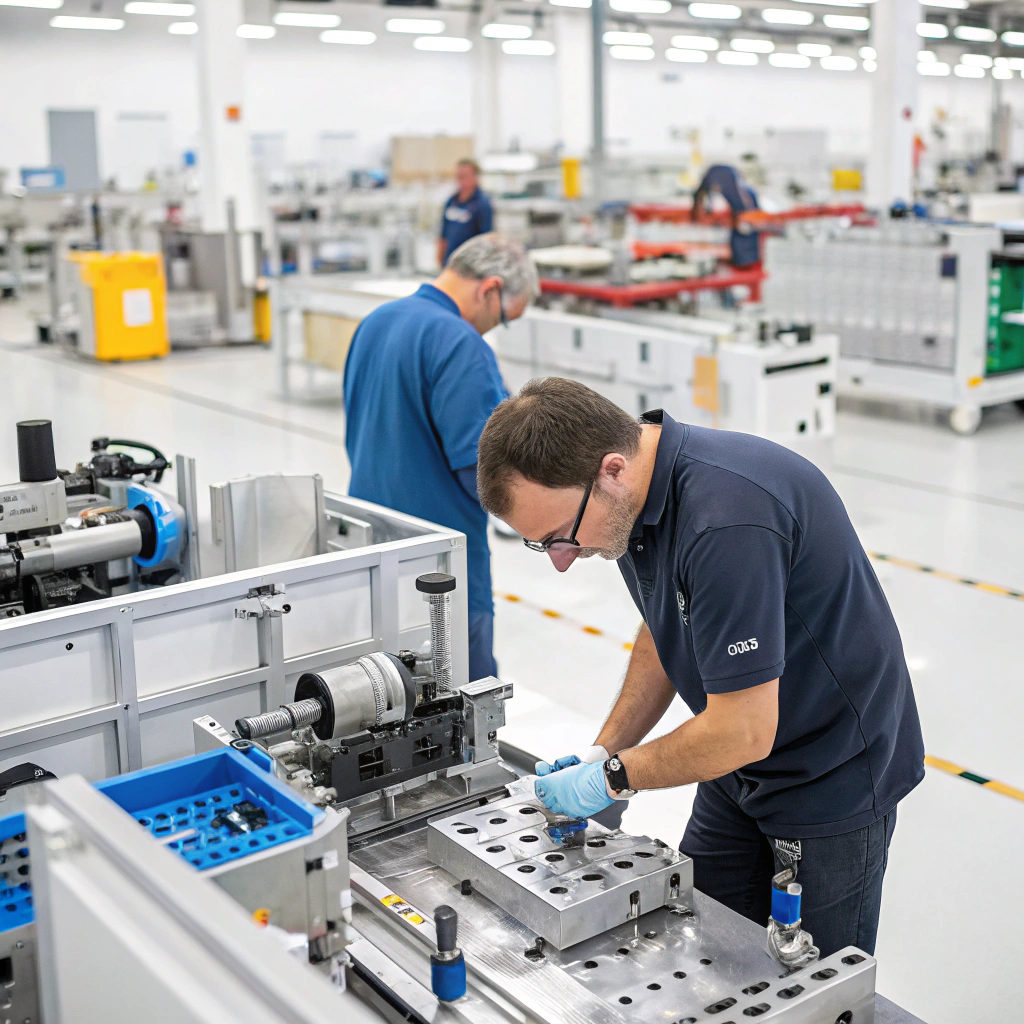
As industries demand higher performance, sustainability, and aesthetic appeal, the field of surface finishing continues to evolve. New trends in surface finishing methods focus on improving efficiency, reducing environmental impact, and enhancing the functionality of the finished part.
The latest trends in surface finishing technologies are centered around automation, sustainability, and advanced coatings that offer enhanced protection and performance. Below are some of the key trends in surface finishing.
3D Printing of Coatings and Surface Finishes
With the rise of additive manufacturing (3D printing), there is an increasing trend toward 3D printing coatings and surface finishes directly onto parts. This method can be used to apply complex coatings to parts that would otherwise be difficult to finish using traditional methods. It’s particularly useful for parts with intricate geometries or those requiring multi-layer coatings for added protection.
Automation and Robotics in Surface Finishing
Automation is increasingly being used in surface finishing processes to reduce labor costs, improve consistency, and speed up production. Robotic systems are used for polishing, coating, and cleaning parts, ensuring that each part receives uniform treatment. Automated systems can handle high-volume production and minimize human error, making them especially useful in industries like automotive and aerospace.
Sustainable Surface Finishing Practices
Sustainability is becoming a major focus in the surface finishing industry. New technologies aim to reduce the environmental impact of traditional finishing methods, such as reducing the use of toxic chemicals or minimizing energy consumption. Water-based coatings, non-toxic plating methods, and low-VOC (volatile organic compound) paints are examples of more sustainable surface finishing options.
Nanotechnology for Enhanced Coatings
Nanotechnology is making its way into the surface finishing world, enabling the creation of coatings that provide enhanced properties such as scratch resistance, self-cleaning, and antibacterial properties. Nano-coatings can be applied to a variety of materials, including metals, to improve performance in challenging environments, such as medical devices or automotive parts.
High-Efficiency Coatings for Extreme Environments
As industries like aerospace, oil and gas, and electronics push the limits of performance, there is an increasing demand for coatings that can withstand extreme conditions. High-performance coatings that resist heat, pressure, corrosion, and wear are becoming more advanced, with innovations like ceramic coatings, thermal barrier coatings, and diamond-like carbon coatings providing superior protection in harsh environments.
Conclusion
In conclusion, surface finishes are crucial for enhancing the performance, durability, and appearance of CNC parts. By selecting the right surface finish, manufacturers can improve corrosion resistance, wear resistance, and overall part functionality. As new trends in automation, sustainability, and advanced coatings continue to evolve, the surface finishing industry is becoming more efficient and adaptable to the needs of modern manufacturing.