Plastic products that fade, crack, or lose strength under sunlight can lead to costly failures and safety risks.
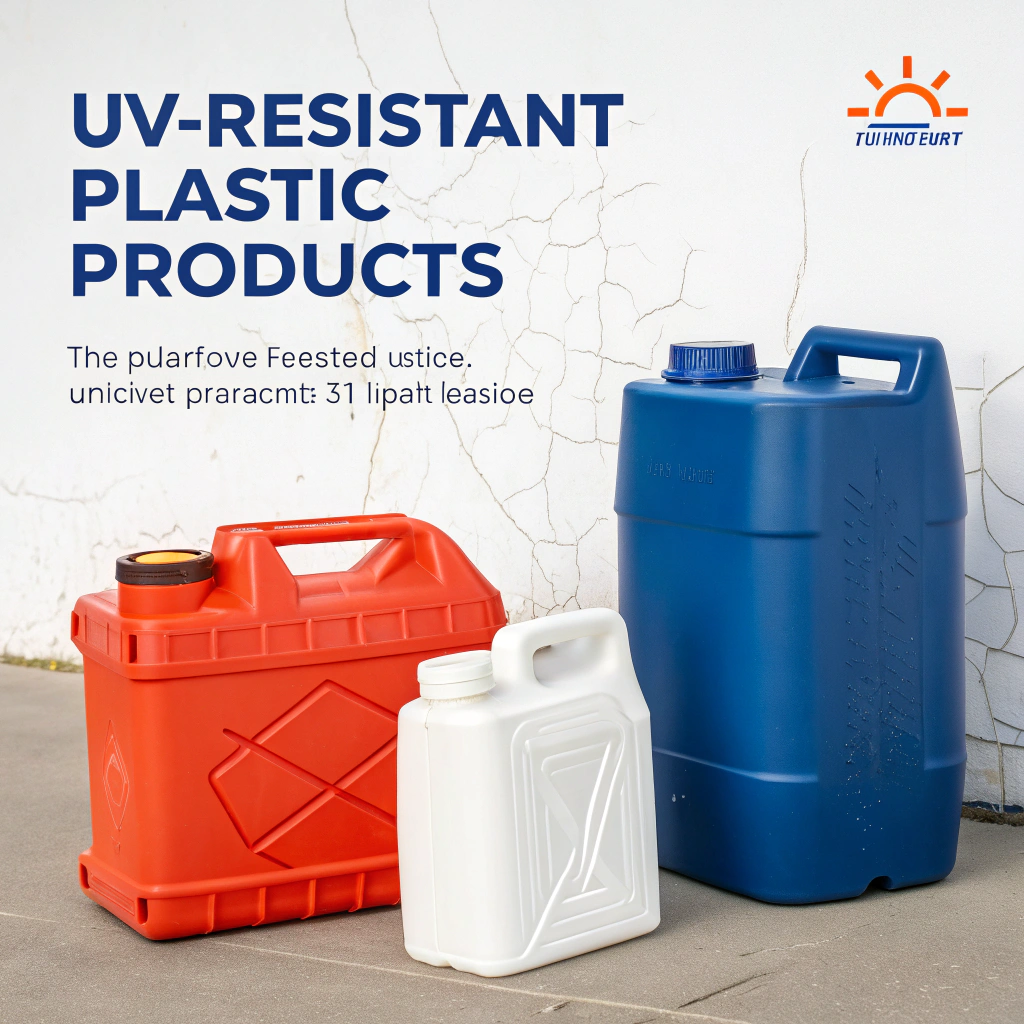
UV-resistant plastics are specially engineered materials that withstand prolonged exposure to ultraviolet (UV) rays without degrading in strength, color, or shape.
When choosing materials for outdoor use, understanding UV-resistant plastics is not just a nice-to-know—it's critical. Let’s dive deeper into how these plastics work, why they matter, and how to select the right one.
What Are UV-Resistant Plastics?
Plastic components that sit outdoors are exposed to sunlight every day. Over time, UV rays can damage their surface, weaken their structure, or completely ruin their performance.
UV-resistant plastics are polymers with additives or inherent chemical structures that prevent UV light from breaking down their molecular bonds.

When UV rays hit standard plastics, they can cause oxidation, brittleness, and color fading. But with UV-resistant plastics, we avoid these problems. These materials stay strong and stable, even after years of sun exposure. For outdoor applications like solar panel frames, construction equipment, or automotive parts, using the right UV-resistant material makes all the difference.
Common Types of UV-Resistant Plastics
| Plastic Type | UV Resistance Level | Typical Applications |
|---|---|---|
| Polycarbonate (PC) | High | Outdoor enclosures, greenhouse panels |
| Acrylic (PMMA) | High | Light covers, signage |
| Polyamide (Nylon) | Medium-High | Automotive under-the-hood parts |
| Polyethylene (HDPE/LDPE) | Medium with additives | Outdoor furniture, piping |
| Polypropylene (PP) | Medium with additives | Car interiors, battery cases |
Some of these plastics have built-in UV resistance. Others require stabilizers or coatings to achieve long-term durability.
How UV Protection Works in Plastics
UV resistance can be achieved in two main ways:
- UV Stabilizers: Additives that absorb or block UV rays.
- Chemical Structure: Some plastics, like acrylic, naturally resist UV due to their molecular design.
Manufacturers often blend stabilizers into the resin before molding, or they apply a UV-blocking surface layer. Both methods help extend the product’s life.
What Are the Benefits of UV-Resistant Plastics?
When sun exposure is part of the product's life, material failure isn’t just possible—it’s expected.
UV-resistant plastics protect products from color fading, cracking, embrittlement, and performance loss due to long-term sun exposure.
The benefits of UV-resistant plastics go beyond just looking good. They ensure safety, reduce maintenance costs, and improve the durability of your product. Especially for manufacturers, using UV-stable materials helps meet quality standards and avoid warranty issues.
Key Advantages
1. Longer Product Life
UV-protected plastics maintain structural integrity for years. This reduces the need for replacements and cuts down lifecycle costs.
2. Better Aesthetics
Products stay vibrant in color and free from yellowing, chalking, or surface cracks—even after years of outdoor exposure.
3. Reduced Maintenance
You don’t have to repaint, reinforce, or repair sun-damaged components regularly.
4. Safety Compliance
In some industries like automotive or construction, UV degradation can cause dangerous part failure. Using UV-resistant materials helps meet safety regulations.
Real-World Applications
Here’s a quick table of industries and how they benefit from UV-resistant plastics:
| Industry | Benefit |
|---|---|
| Solar Energy | Prevents cracking in panel frames |
| Construction | Keeps façade materials strong and color-stable |
| Automotive | Prevents dashboard and trim fading |
| Agriculture | Protects greenhouse panels and irrigation pipes |
| Outdoor Furniture | Maintains color and avoids brittleness |
How to Choose UV-Resistant Plastics for Manufacturing?
Selecting the wrong plastic can result in early failure, customer complaints, or recalls.
To choose UV-resistant plastics, you must consider the application environment, exposure duration, performance needs, and required certifications.

Different products have different UV challenges. A light fixture exposed to desert sun year-round needs a very different solution than a plastic panel installed under partial shade. This is why choosing the right plastic isn’t just about what looks good—it’s about how it performs over time.
Key Factors to Consider
1. Exposure Duration
How long will the product face UV light per day? Products in regions with intense sunlight (like deserts or tropical areas) need high UV resistance.
2. Required Life Span
If your product is expected to last 10+ years outdoors, basic UV stabilizers won’t be enough. Look for materials tested for long-term resistance.
3. Mechanical Strength
Some UV plastics are softer (like acrylic), while others (like polycarbonate) offer higher impact resistance. Match strength to the use case.
4. Transparency or Color
Need a clear plastic that won’t yellow? Go for UV-stabilized acrylic. Want a black part that won’t fade? Polypropylene with carbon black is a good choice.
5. Additives and Coatings
Some plastics need UV stabilizers or surface coatings to resist sun damage. Understand what’s already built in, and what needs to be added.
Quick Comparison: Acrylic vs. Polycarbonate
| Feature | Acrylic | Polycarbonate |
|---|---|---|
| UV Resistance | Excellent | Good with stabilizers |
| Impact Strength | Low-Medium | Very High |
| Clarity | High | High |
| Cost | Lower | Higher |
| Best Use | Light covers | Security windows |
What Are the Latest Trends in UV-Resistant Plastic Materials?
UV damage isn’t going away—but plastic science is evolving fast to keep up.
New trends in UV-resistant plastics include nano-additives, bio-based UV stabilizers, and multi-layer co-extrusion for better sun resistance.

As more industries look to cut waste and improve sustainability, materials engineers are finding smarter ways to build longer-lasting, eco-friendly UV-stable plastics. I’ve been watching this area closely, especially for solar and construction projects.
Emerging Trends
1. Nano-Additives for Enhanced Protection
Traditional UV stabilizers absorb rays on the surface. New nano-formulas penetrate deeper, giving even better protection. These are especially helpful in thin-wall plastic parts.
2. Biodegradable UV-Stable Materials
There’s growing demand for plastics that are both durable and compostable. New research is focused on plant-based polymers with built-in UV resistance, like PLA blends.
3. UV-Smart Coatings
Instead of blending UV resistance into the entire part, smart coatings add protection only to the surface. This cuts costs and simplifies recycling.
4. Multi-Layer Extrusion
This process combines different layers—each optimized for UV, strength, or aesthetics. A UV-blocking outer layer shields the functional core from sunlight damage.
5. Recyclable UV-Resistant Blends
More manufacturers are asking for UV-stable plastics that can be reused. New blends allow this, supporting circular economy goals without compromising performance.
Conclusion
UV-resistant plastics are essential for any product facing sunlight. They protect function, extend life, and reduce failure. With smart selection and the latest material tech, we can make outdoor products that last.