Many engineers run into trouble when tolerances are either too tight or too loose for CNC-machined heat sinks—both lead to cost or performance issues.
Most heat sink manufacturers offer CNC machining tolerances from ±0.1 mm to ±0.005 mm, with some achieving ±0.0005″ for high-precision applications.
This article breaks down the most common CNC machining tolerances in the heat sink industry, explains why they matter, how to verify them, and what future trends are making them even better.
Why are precise machining tolerances valuable?
When I worked with a client on a precision copper heat sink, a poorly defined flatness tolerance led to thermal contact issues and higher device temperatures.
Tight CNC machining tolerances improve thermal performance, mechanical fit, and overall product reliability in heat sink applications.
Better thermal contact
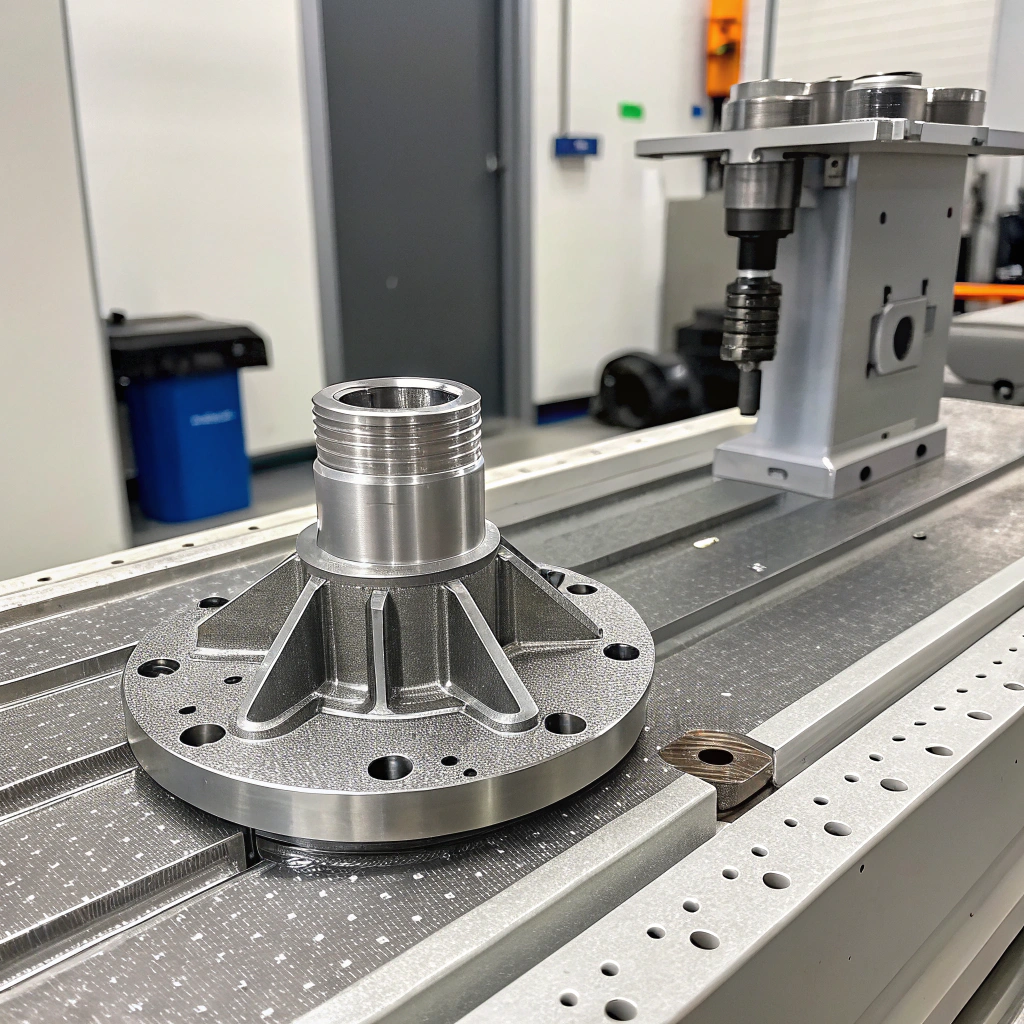
Flatness and surface finish directly affect the thermal interface. If the base is uneven, even a good thermal paste won't compensate enough. Tighter flatness tolerances reduce air gaps and improve heat transfer.
Consistent assembly fit
Tolerances ensure that the heat sink aligns properly with mounting holes and adjacent parts. Poor tolerances can lead to screw misalignment, part interference, and assembly delays.
Reduced rework and higher reliability
With consistent tolerances, every part fits the same way. This lowers rework rates and supports automated assembly. That means better yields and fewer defects in production.
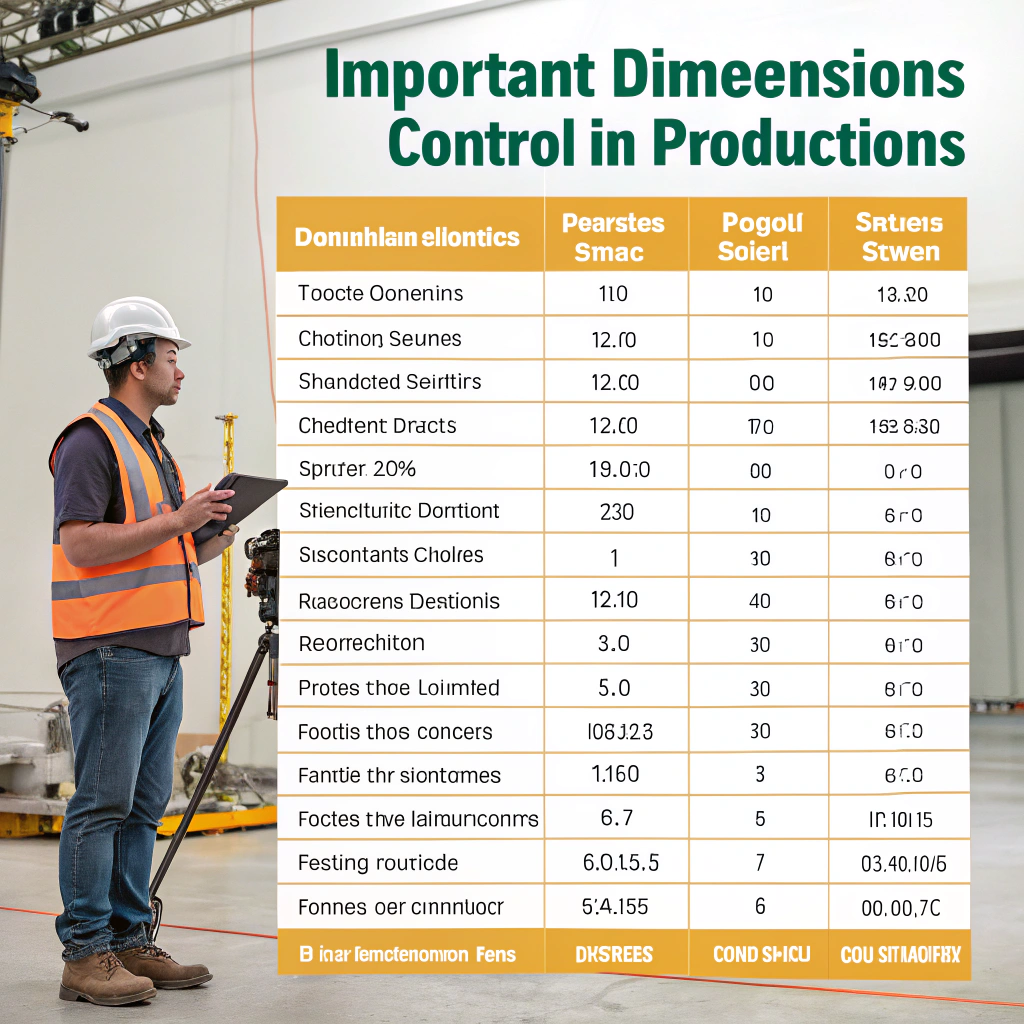
Important dimensions to control
| Feature | Recommended Tolerance |
|---|---|
| Base Flatness | ±0.02 mm |
| Hole Positioning | ±0.01 mm |
| Overall Size | ±0.1 mm |
| Fin Thickness | ±0.05 mm |
| Surface Finish (Base) | Ra ≤ 1.6 µm |
How I specify tolerances
When I send drawings to manufacturers, I always highlight these key tolerances. I add GD&T symbols when necessary and define acceptable limits for flatness and parallelism.
Precision matters. It improves function, reduces returns, and gives end users more confidence in the final product.
How to confirm CNC tolerances with a manufacturer?
I’ve learned the hard way that not all suppliers can meet the tolerances they claim, especially for complex heat sinks.
To confirm CNC tolerances, review the supplier’s machining capabilities, inspect their certifications, request samples, and include detailed drawings with defined tolerances.

Step-by-step checklist
- Provide a detailed drawing
- Use clear annotations and tolerances.
- Include surface finish and flatness requirements.
- Ask for machine specifications
- What type of CNC machines are used?
- Are they 3-axis or 5-axis?
- Review past project examples
- Ask to see case studies or parts with similar tolerance levels.
- Request first article inspection
- Insist on measurement reports using calibrated tools.
- Ask about quality certifications
- ISO 9001 or equivalent is a must for repeatability.
Sample inspection request format
| Inspection Point | Requirement | Measurement Method |
|---|---|---|
| Base Flatness | ±0.02 mm | CMM Measurement |
| Hole Center Position | ±0.01 mm | Optical Comparator |
| Surface Roughness (Ra) | ≤1.6 µm | Surface Profilometer |
| Fin Height Deviation | ±0.05 mm | Caliper & CMM |
Communication tip
I always schedule a call or email exchange with the production engineer before placing orders. This clears up confusion early and confirms that the tolerances I want are within their process capability.
Post-shipment validation
I sample at least 5–10% of delivered parts and check if they match my drawings. If not, I follow up immediately to avoid delays in the next production run.
What CNC machining tolerances do heat sink manufacturers offer?
Many buyers assume that all CNC shops offer the same tolerances, but there are large differences in what manufacturers can consistently deliver.
Most manufacturers of CNC-machined heat sinks offer tolerances between ±0.1 mm and ±0.005 mm, depending on the material, machine type, and volume.
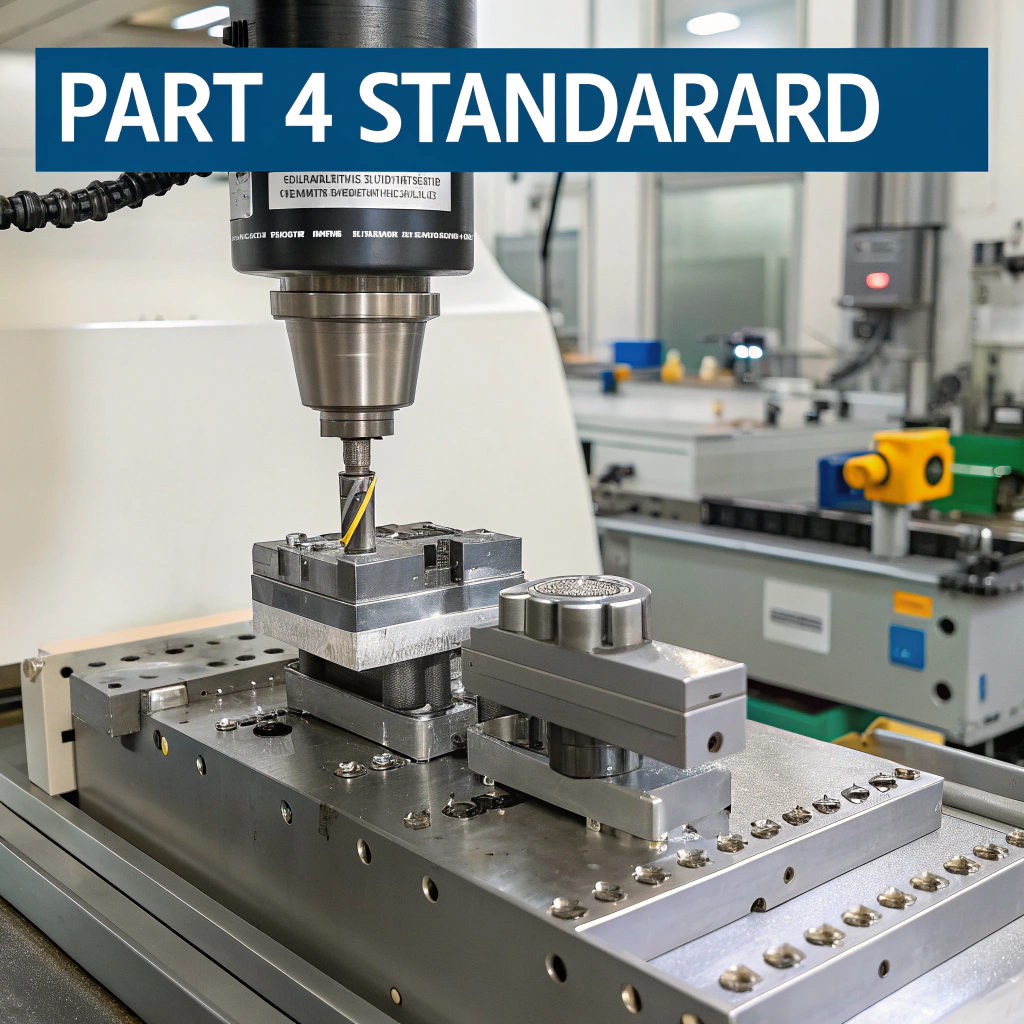
General tolerance levels in the industry
| Process Type | Typical Tolerance Range |
|---|---|
| Standard 3-axis CNC Machining | ±0.1 mm to ±0.05 mm |
| Precision 5-axis Machining | ±0.02 mm to ±0.005 mm |
| Aerospace-level Tolerances | ±0.0005″ (≈±0.013 mm) |
What affects tolerance levels?
1. Material type
- Aluminium is easier to machine than copper.
- Harder metals wear tools faster, which affects consistency.
2. Machine capability
- High-end 5-axis machines hold tighter tolerances.
- Machines with integrated probes offer better in-process correction.
3. Feature size
- Small holes, thin fins, or long slots need tighter control.
- Wider parts may warp if not fixtured correctly.
4. Volume
- Small batches allow more careful machining.
- High-volume parts may use looser tolerances to save cost.
5. Post-processing
- Anodizing, polishing, or heat treatment can affect final dimensions.
- It’s best to machine “final pass” after post-treatment.
What I request from suppliers
I don’t just accept “±0.1 mm” as the default. I write out custom tolerances based on how the heat sink fits into the final assembly. This helps both sides avoid rework and misalignment.
What trends enhance CNC tolerance accuracy?
I’ve seen the CNC machining industry change quickly over the past five years—what was once “tight tolerance” is now standard.
Advances like 5-axis machining, thermal compensation, real-time probing, and AI-assisted optimization are making tighter tolerances easier and more affordable.
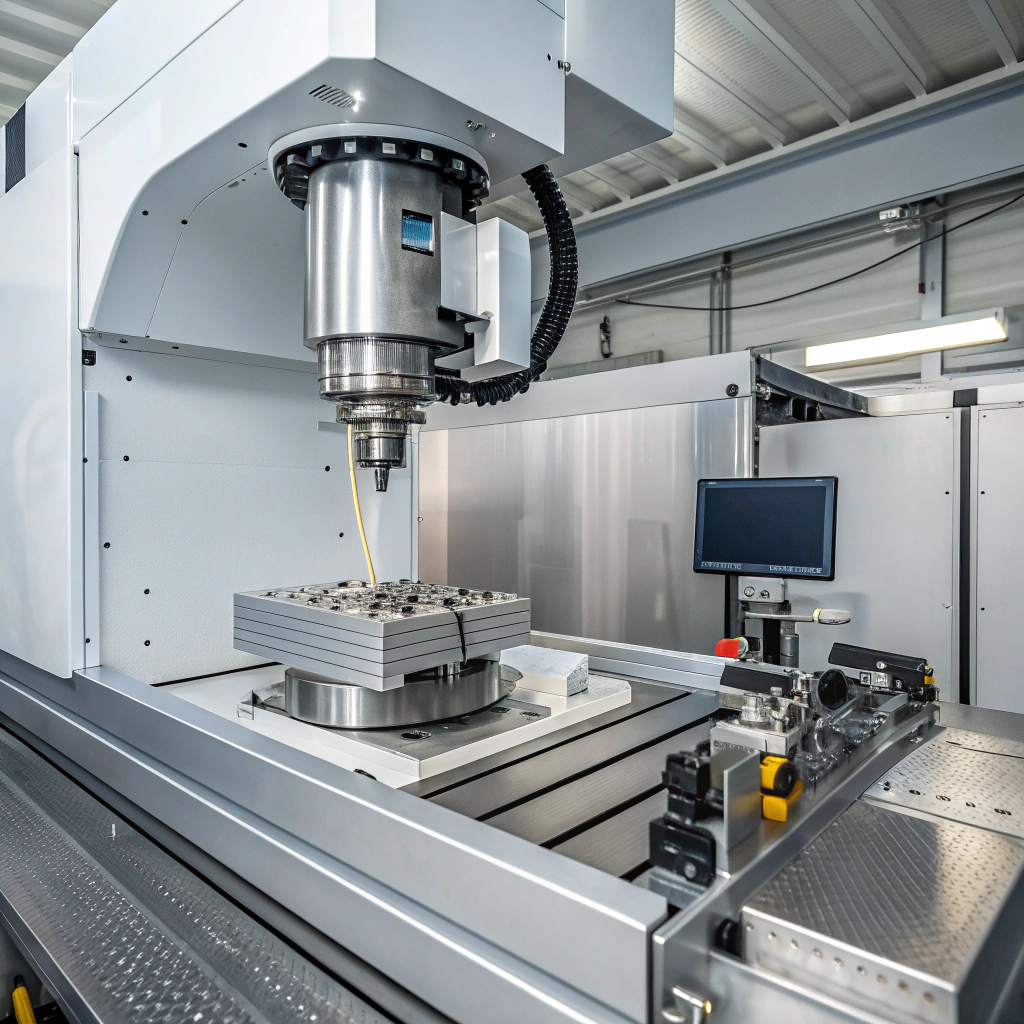
1. High-speed 5-axis CNC machines
These machines reduce part repositioning. One setup = fewer errors. I worked with a shop that cut a full aluminum heat sink in one go with ±0.01 mm tolerance across six surfaces.
2. Real-time in-process probing
Built-in probes check part dimensions during machining. They adjust for tool wear or thermal expansion in real-time. This keeps each part consistent from start to finish.
3. Smarter software and AI control
CAM software now optimizes tool paths for precision. It factors in material behavior, tool vibration, and machine drift. Some manufacturers use AI to tweak speed and feed on the fly.
4. Better fixturing and automation
Precision fixtures and robotic loading reduce variation caused by humans. That means fewer alignment issues and more consistent repeatability.
5. Environmental control
Shops that maintain stable temperatures (±1°C) get tighter results. Even a small change in shop temperature can affect tolerance. Some shops go as far as climate-controlling the machine area.
Why this matters
These trends allow me to confidently request ±0.01 mm or even ±0.005 mm on important features. The cost isn’t as high as before, and the output is much more consistent.
Conclusion
Tight CNC tolerances matter more than ever for heat sinks. By understanding standard ranges, confirming supplier capabilities, and following new trends, I make sure every part fits and performs perfectly.