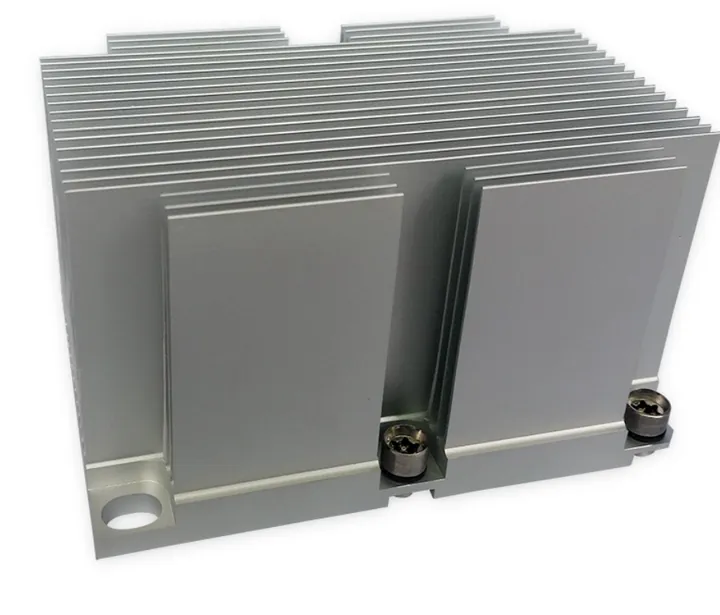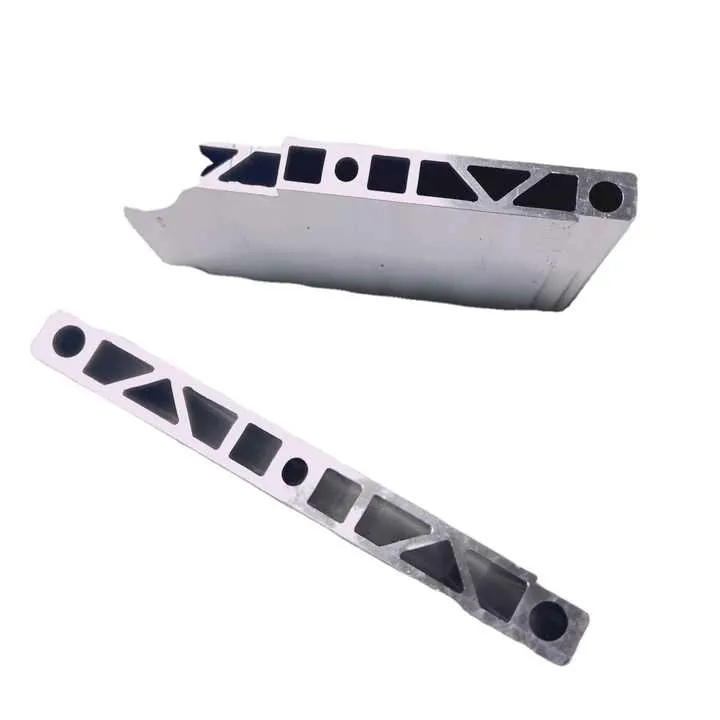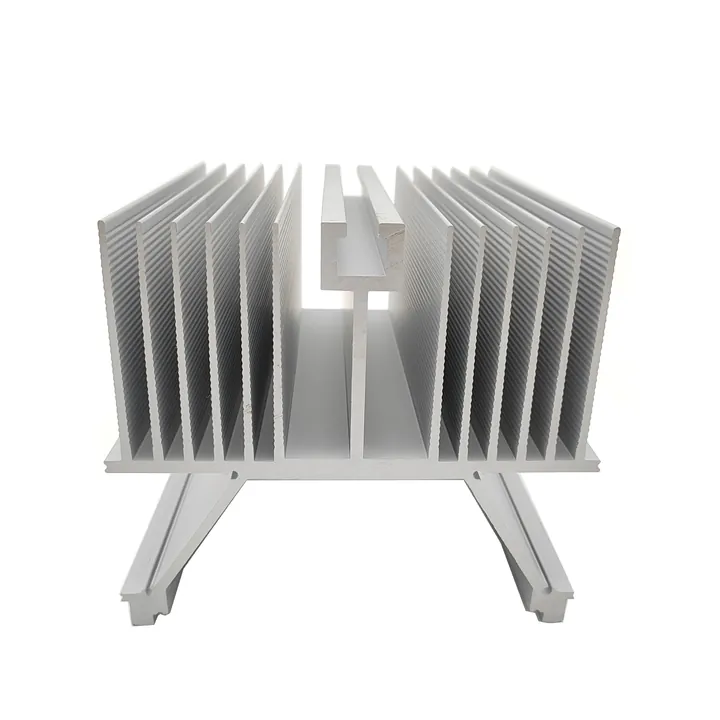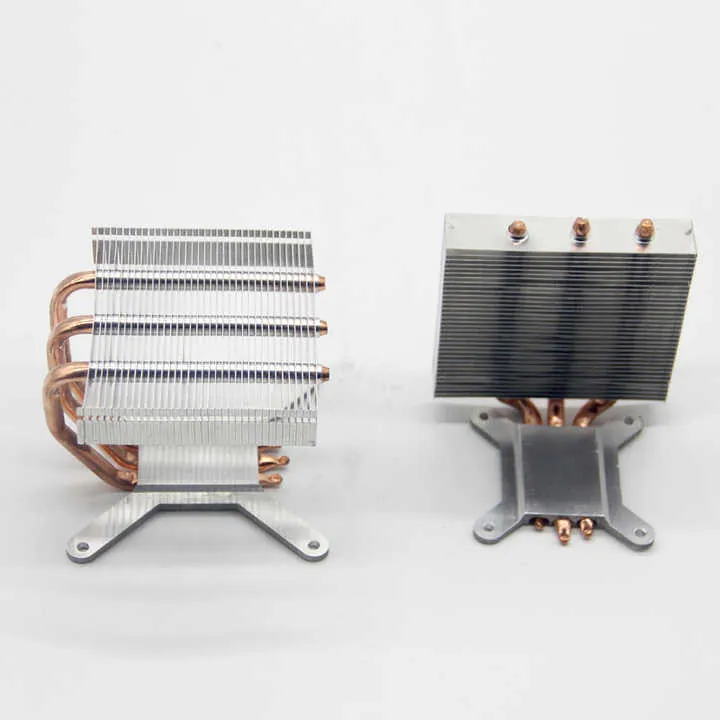
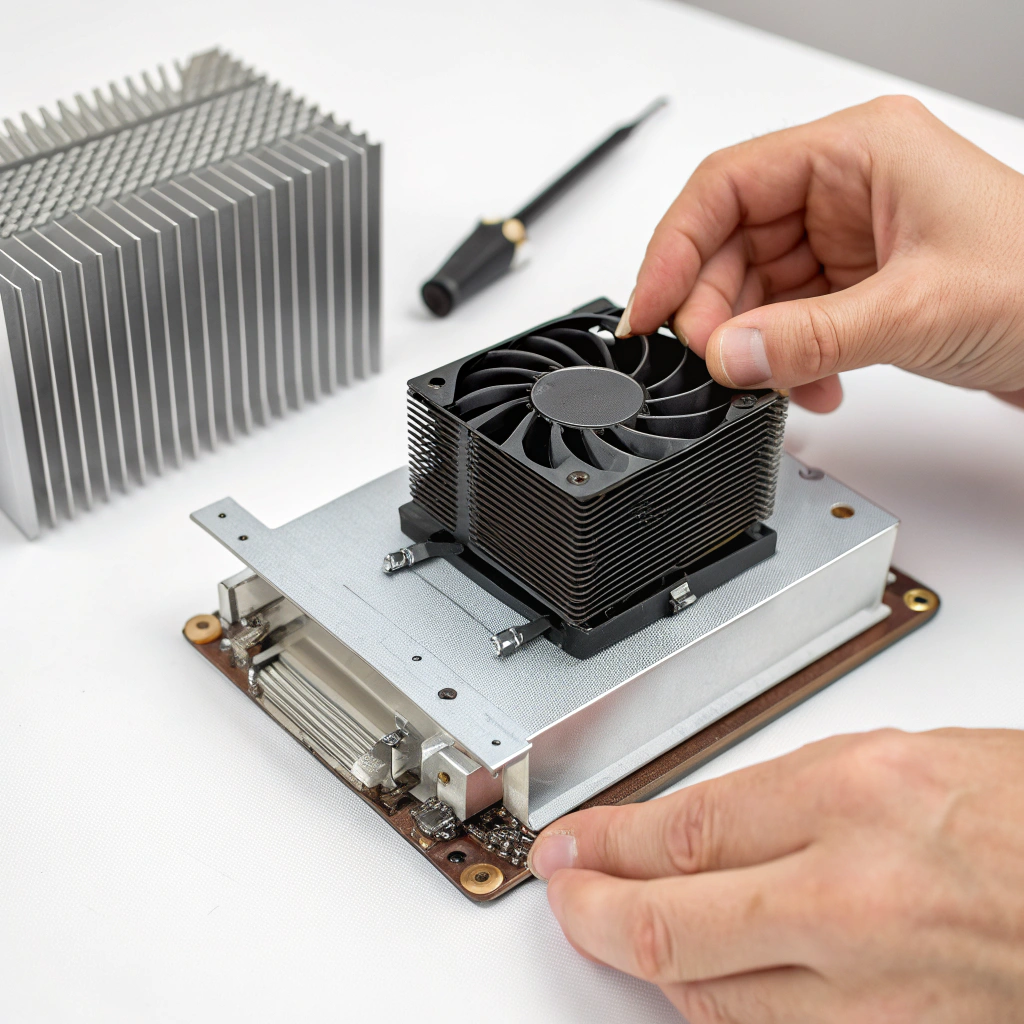
Sometimes customers assume all heat sinks are the same — until their device overheats. I’ve seen this happen too many times.
Strict quality inspection in heat sink manufacturing means step-by-step controls from raw material checks to final testing, all documented and measurable.
Not every heat sink supplier follows these standards. In this article, I’ll break down what real quality control looks like, why it’s important, how to evaluate a supplier, and what future trends are reshaping inspection.
What Defines Strict Quality Inspection in Heat Sink Manufacturing?
Many suppliers say they do “strict inspection,” but few explain what that means. I’ve learned that real quality control includes specific checkpoints — not just a final look.
Strict inspection includes material verification, in-process checks, dimensional control, surface evaluation, thermal testing, and traceability across the entire manufacturing line.
From Raw Material to Finished Part
I usually start by asking: “Do you verify your aluminum alloy?” Strict manufacturers test for chemical composition. If the supplier uses 6063-T5 or 6061-T6, they must show proof — not just promise.
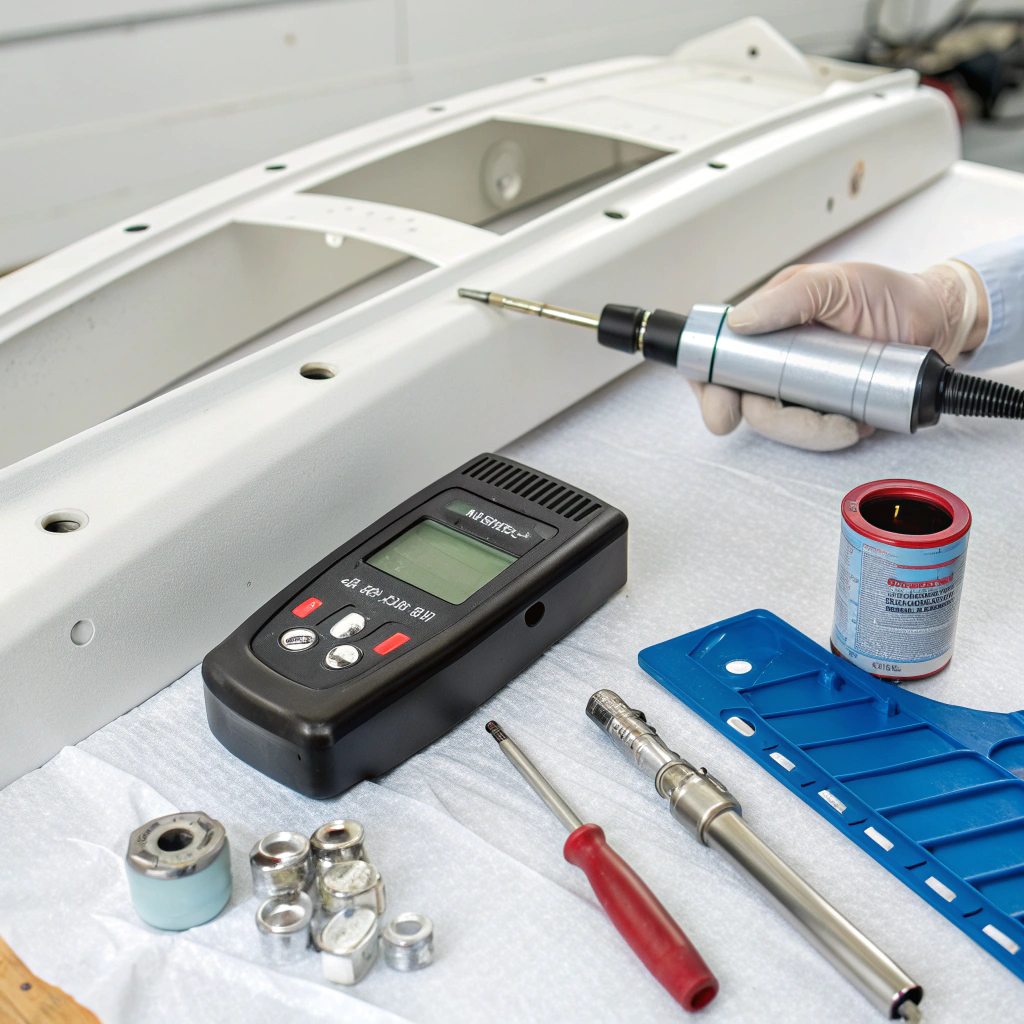
Then, I ask about in-process controls. Good plants have standard operating procedures (SOPs) that require measuring critical dimensions at every step: extrusion, CNC, surface treatment.
In one case, I saw a plant where inspectors used coordinate measuring machines (CMM) on 100% of custom aluminum heat sinks. That gives peace of mind.
Surface and Coating Evaluation
Surface treatments like anodizing or powder coating need more than a visual test. I expect to see:
- Micron-level thickness test (e.g., eddy current gauge)
- Adhesion test for coatings
- Color matching test
A strict inspection will include a record of these for every batch.
Thermal Performance Testing
Thermal performance is the main function of a heat sink. Strict manufacturers test a few key values:
| Test Item | Method | Standard Range |
|---|---|---|
| Thermal resistance | Wind tunnel or thermal bench | ≤ 1.5 °C/W |
| Surface flatness | Digital flatness gauge | ≤ 0.2 mm |
| Contact resistance | Simulation or lab measurement | ≤ 0.5 °C/W |
Not every factory does this. But for high-performance use (LEDs, EVs, telecom), this testing is essential.
Traceability and Documentation
When something goes wrong, the ability to trace the problem is critical. I only trust factories that can show me:
- Material lot numbers
- Process timestamps
- Inspector name and report
Real inspection isn’t just physical — it’s digital and documented.
Why Is Strict Inspection Valuable?
It’s tempting to cut corners in inspection to save time or money. But I’ve seen how that leads to bigger problems.
Strict inspection helps avoid defects, ensures heat sink performance, reduces failures, and builds trust in your product.
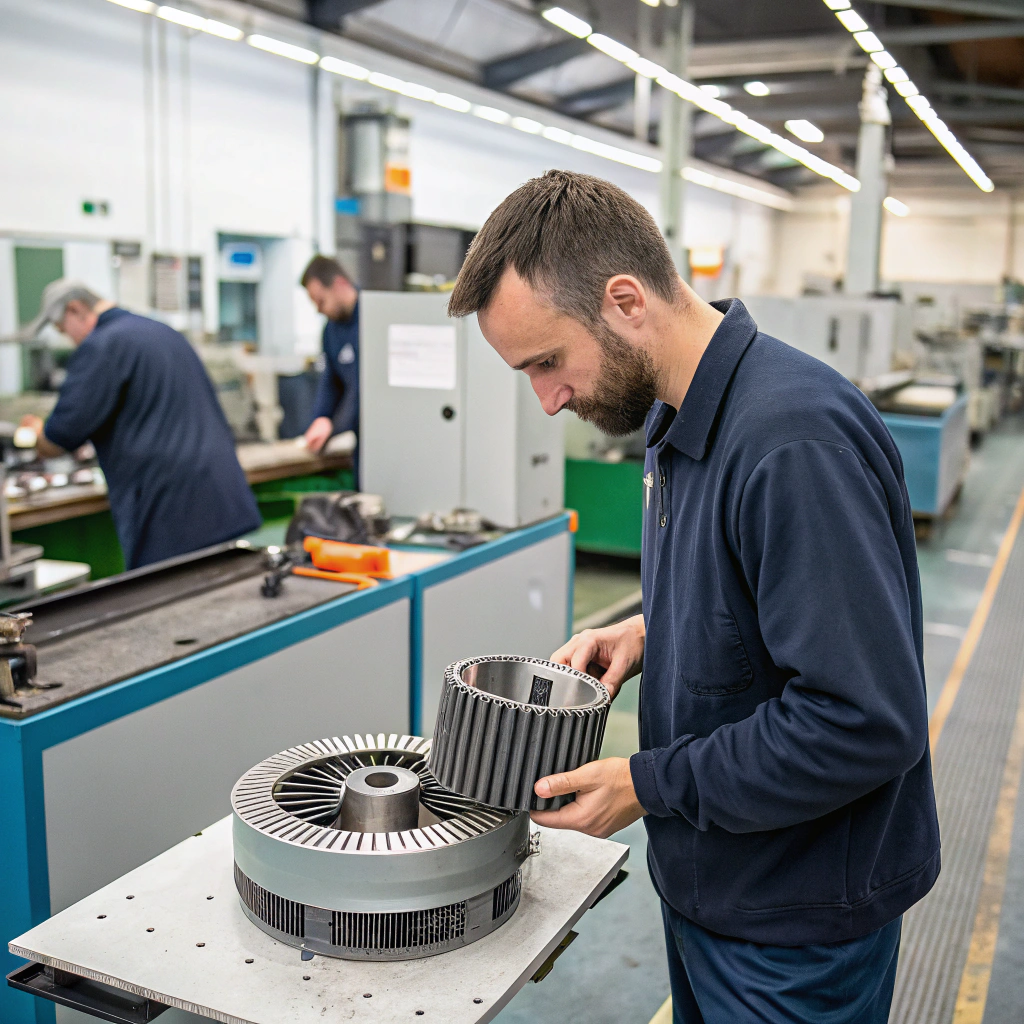
Avoid Costly Failures
Let’s say you skip surface thickness tests. The coating peels. That might seem minor — until the product corrodes or fails in the field.
Or maybe dimensions were slightly off. The heat sink doesn’t fit. Now you must re-machine, scrap or delay delivery.
One client I worked with in Germany received 5% defective units from a previous supplier. After switching to a vendor with a real inspection protocol, rejects dropped to 0.5%.
Improve Long-Term Reliability
Strict quality control ensures that every unit performs the same. That’s key for industries like:
- Medical electronics
- Automotive modules
- Telecom base stations
If your heat sink passes inspection, it’s likely to deliver stable thermal performance for years.
Lower Risk, Higher Confidence
When you choose a heat sink supplier with strong inspection, you also lower your own risk. You won’t get sudden failures, unhappy customers or warranty costs.
You can also sell with confidence. I often tell clients: “We know what goes into each part, and we can prove it.”
How to Evaluate a Manufacturer’s Inspection Standards?
It’s not enough to ask, “Do you inspect?” You have to ask the right questions and look for clear answers.
You can evaluate a manufacturer’s quality system by reviewing certifications, inspection steps, testing reports, lab tools, and defect data.
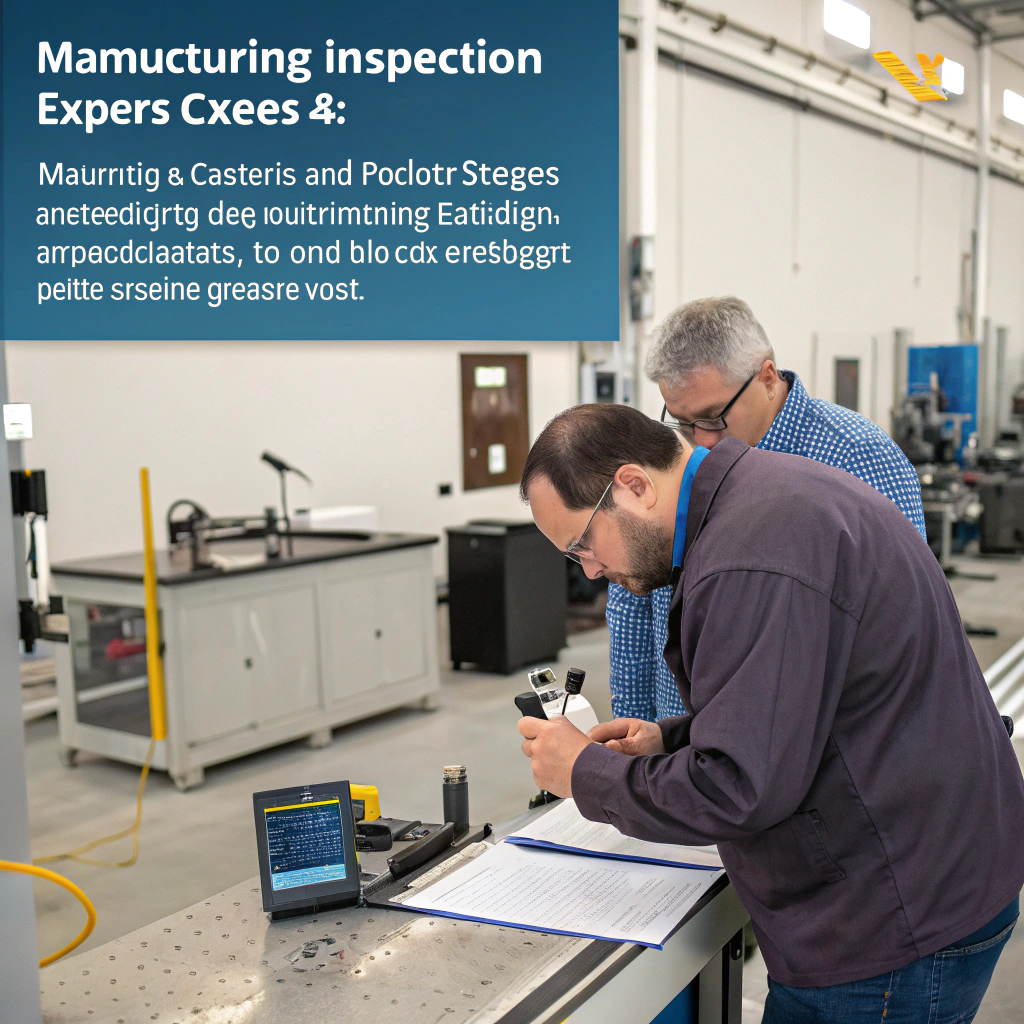
Top 7 Things I Check
| Quality Area | What I Look For |
|---|---|
| Certifications | ISO 9001, RoHS, REACH, in some cases IATF 16949 or AS9100 |
| Raw material control | Alloy certificate, in-house chemical test, lot traceability |
| Dimensional checks | CMM, calipers, go/no-go gauges at extrusion and CNC stages |
| Surface testing | Anodizing thickness, color test, adhesion test reports |
| Thermal validation | Test bench data, simulation validation, airflow tests |
| Traceability | Labeling, QR code tracking, process records per batch |
| Defect tracking | Reject rate logs, 8D reports, root cause analysis files |
When I do a supplier audit, I ask them to walk me through a real order. I want to see:
- Material incoming record
- First article inspection (FAI)
- Process control chart
- Final visual + dimensional + functional test
- Batch inspection report
If any of that is missing, I move on.
Ask These 5 Questions
- Can you show me a recent inspection report?
- How do you test coating thickness?
- What’s your reject rate over the last 6 months?
- Do you have in-house CMM or outsource it?
- How do you trace back a batch if there's a problem?
Suppliers that pass this test are rare — but they’re worth finding.
What Trends Enhance Quality Control Processes?
The best heat sink factories don’t just rely on people. They use automation, AI, and real-time data to stay ahead.
Today’s QC trends include machine vision, digital traceability, inline metrology, SPC analytics, and design-for-inspection approaches.
Trend 1: Vision Systems and AI
I’ve seen new plants use camera systems that scan for defects in fins or surfaces — faster and more accurately than the human eye.
AI can learn to spot scratch patterns or dent shapes. This means you catch more defects earlier.
Trend 2: Digital Traceability
Modern heat sink lines tag each part with QR codes. You can scan a unit and see its material lot, operator, timestamp, inspection result.
Some even link this with cloud dashboards. That’s a game changer when problems come up.
Trend 3: In-line Measurement
Instead of waiting until the end, sensors measure during production:
- Laser scan to check fin geometry
- Eddy current sensor for coating thickness
- Real-time CMM arm on CNC line
This reduces delay and ensures fast feedback.
Trend 4: SPC and Process Analytics
Many suppliers now use statistical process control (SPC). They watch trends in:
- Extrusion pressure
- Machining wear
- Surface temperature
If trends drift, they act before defects happen. This keeps quality consistent.
Trend 5: Design for Inspection (DFI)
Smart factories work with design engineers to make heat sinks that are easy to inspect:
- Flat surfaces for easier probing
- Tolerances adjusted to match inspection tool accuracy
- Label zones for marking
This reduces cost and increases inspection accuracy.
Trend 6: Sustainability + QC
Sustainable suppliers use inspection to reduce scrap. They track defect types, optimize processes and recycle off-cuts better.
They also make sure heat sinks meet environmental rules like RoHS, REACH.
In my experience, factories that care about quality also care about waste. That’s a good sign.
Conclusion
Strict quality inspection in heat sink manufacturing means control at every stage — not just at the end. It adds value, reduces risk, and builds customer trust. A supplier with real inspection standards will always be a better partner.