
Overheating kills devices—and manufacturers across industries are facing this exact problem every single day.
Many industries are compatible with a heat sink manufacturer because they all need one key thing: reliable, cost-effective thermal management to protect their products and improve performance.
I want to show you how diverse the demand for heat sinks really is. From automotive to LEDs to massive data centers, the need for efficient cooling is only growing. Let me take you through the why and how.
What industries are compatible with a heat sink manufacturer?
Too much heat leads to product failure. That’s the pain point many companies come to us with—and it’s not limited to one industry.
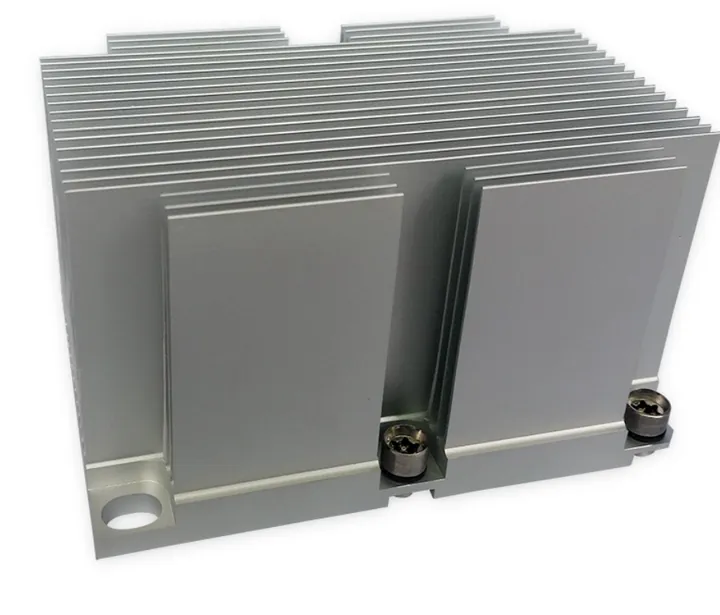
Industries like consumer electronics, lighting, EVs, industrial power, telecoms, and automation all rely on heat sink manufacturers for thermal solutions.

I’ve worked with clients across many industries, and I’ve noticed that heat issues are a shared bottleneck. Below is a list of industries that regularly need heat sinks, and why they’re a match for us:
Compatible Industries and Their Applications
| Industry | Common Applications | Thermal Challenge |
|---|---|---|
| Consumer Electronics | CPUs, GPUs, chargers, game consoles | High power density in small space |
| LED Lighting | Outdoor lighting, signage, studio lights | LEDs degrade faster under high heat |
| Automotive / EV | Battery packs, motor controllers, lighting systems | Heat from power electronics must be dissipated |
| Industrial Power Systems | Inverters, power supplies, drives | High switching loads create sustained heat |
| Data Centers / Telecom | Servers, routers, network storage units | Dense heat generation in racks |
| Aerospace / Defense | Avionics, satellites, radar equipment | Critical reliability in extreme conditions |
| Robotics & Automation | Servo motors, control boards, PLCs | 24/7 operations build heat over time |
Most of these systems operate in environments where space is limited and reliability is non-negotiable. As a result, our aluminum heat sink solutions play a central role in performance and longevity.
Why do these industries rely on effective heat dissipation?
When products overheat, everything from safety to speed to service life takes a hit—and that’s something no business wants.
These industries depend on heat dissipation to prevent overheating, which reduces failure rates, protects investments, and improves product reliability.
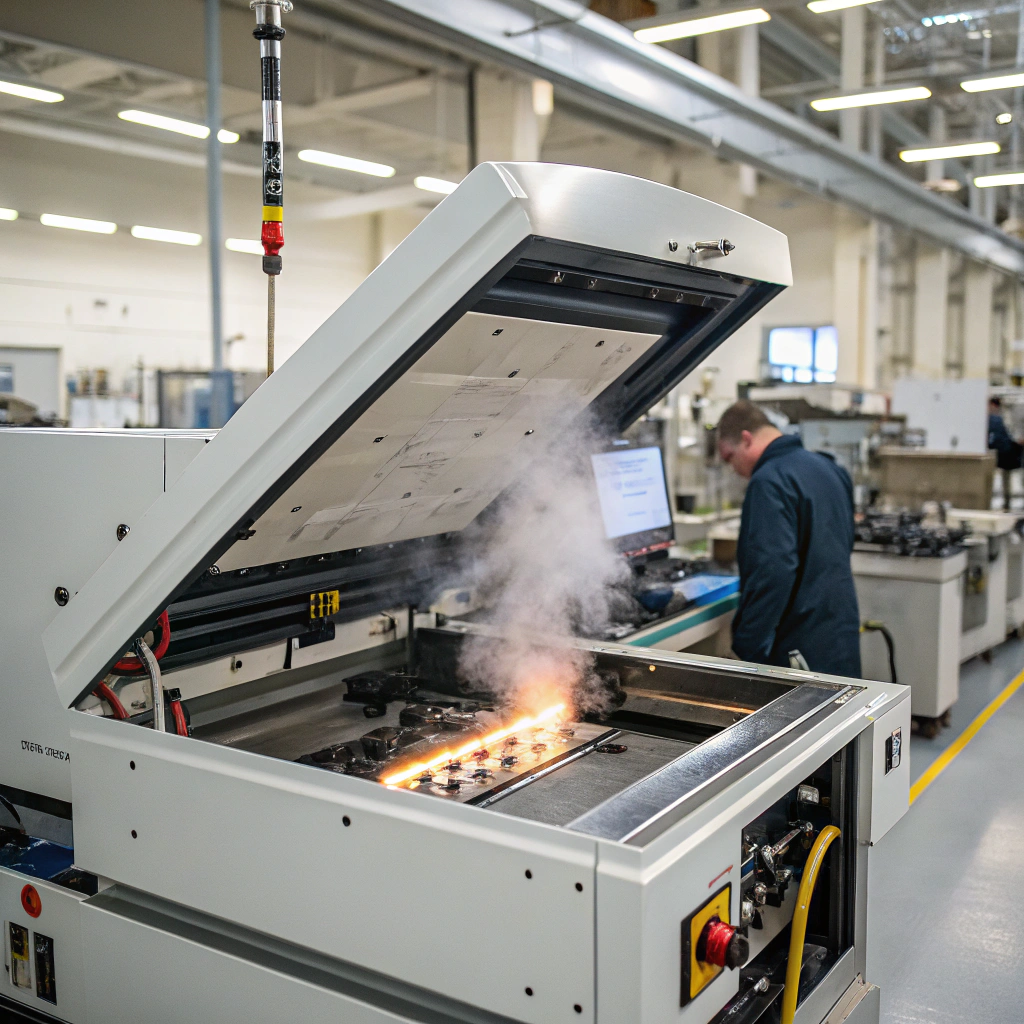
We’ve helped clients solve real-world failures caused by overheating. A few examples below explain why thermal solutions are not optional—they are essential.
Key Reasons Heat Dissipation Is Critical
1. Performance Degradation
When chips and circuits get too hot, they start throttling. This slows down operations and can crash systems entirely. For example, CPUs automatically reduce their speed to cool down, which affects productivity and user experience.
2. Component Lifespan
Heat accelerates wear on electronic parts. Capacitors dry out faster. Solder joints crack. Silicon degrades. One of our automotive clients used to experience repeated control module failures before we implemented better heat sink profiles.
3. Safety & Regulation
Excessive heat can lead to short circuits, component fires, and even compliance violations. Products must meet safety standards like CE or UL, which include thermal criteria. Poor thermal management risks both lawsuits and recalls.
4. Compact Design Demands
As electronics shrink, there’s less space for airflow. This makes passive or forced cooling essential. Effective heat sinks enable compact, high-performance designs without overheating.
5. Downtime Costs
When machines break down due to thermal failure, operations stop. Whether it’s a factory line or a server room, downtime hurts revenue. Our clients in manufacturing see thermal protection as critical insurance.
Summary Table
| Benefit of Proper Dissipation | Impact on Industry |
|---|---|
| Stable temperature control | Better system performance |
| Lower failure rates | Reduced warranty costs |
| Longer component life | Higher customer satisfaction |
| Thermal compliance | Safer, more marketable products |
| Operational uptime | Increased productivity in industrial settings |
In short, every product that generates heat during operation is a candidate for thermal failure. Heat sinks make sure that doesn’t happen.
How should industries choose proper heat sink manufacturers?
Choosing the wrong heat sink supplier can lead to product failure, missed deadlines, and frustrated engineers.
Industries should choose heat sink manufacturers based on technical know-how, custom design support, material quality, surface finishing, and delivery reliability.
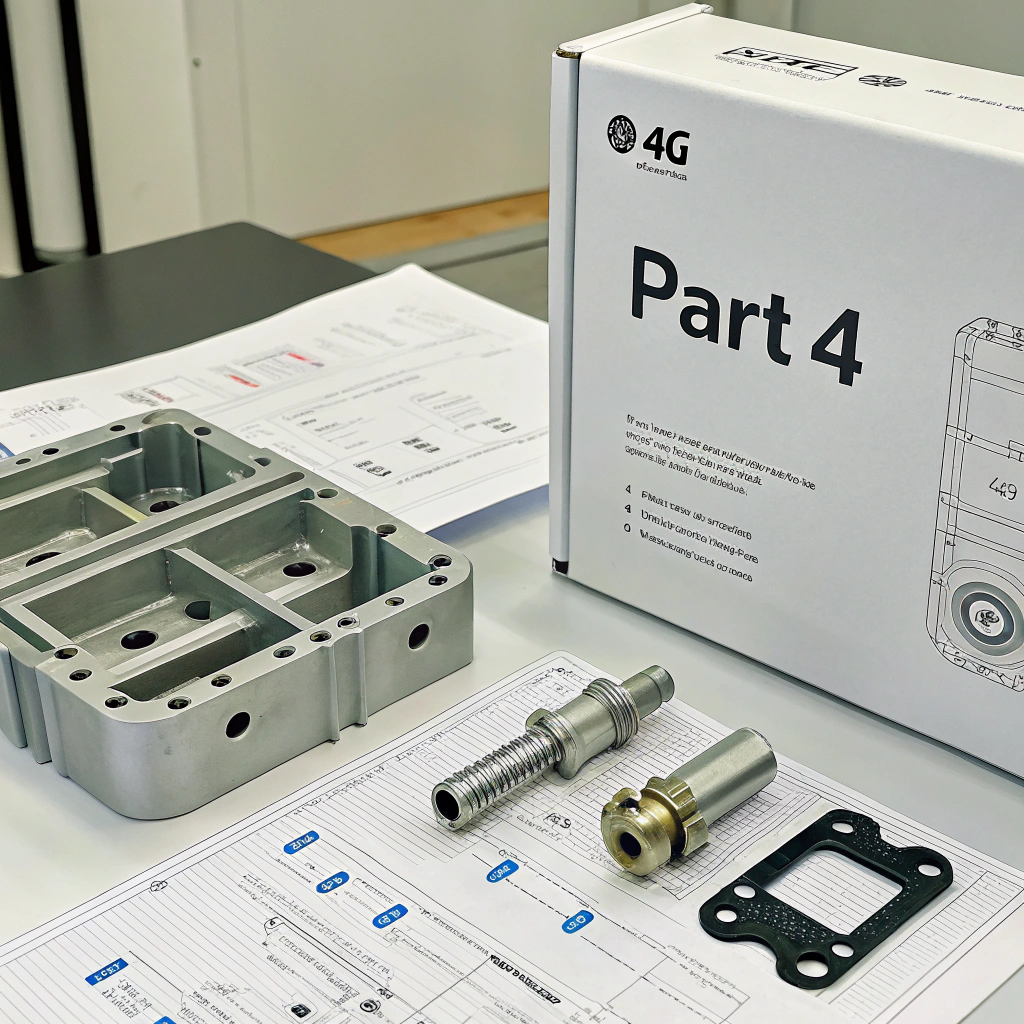
I’ve seen companies save money on upfront costs, only to pay more fixing failures down the road. The best heat sink manufacturer is not just a supplier—they're part of your design process.
What to Look For in a Heat Sink Manufacturer
A. Material Expertise
A good manufacturer knows thermal conductivity inside and out. We use 6063-T5 or 6061-T6 aluminum for a reason—it balances heat conduction, weight, and cost. Copper is better at conduction but much heavier.
B. Customization Capabilities
No two systems are the same. A reliable manufacturer should offer:
- CNC machining
- Hole drilling
- Surface coating (anodizing, powder coating, wood grain)
- Bending and welding
- Custom branding and packaging
C. Engineering Support
Thermal problems start in the design phase. We support clients with:
- Profile design suggestions
- Fin spacing optimization
- Airflow direction consideration
- Heat load calculation help
D. Quality Control
We do triple-stage inspection before shipping and provide certification reports. That includes:
- Dimensional checks
- Coating uniformity
- Mounting fit tolerance
- Flatness and extrusion profile consistency
E. Supply & Logistics
We work with international logistics partners and offer real-time tracking. This is vital for clients in the US, Germany, Japan, and beyond.
Quick Checklist for Buyers
| Selection Factor | Questions to Ask Your Supplier |
|---|---|
| Materials | Do you use certified 6063-T5 or better aluminum? |
| Surface finish options | Can I get anodized black, silver, or custom powder coating? |
| Tolerance control | Do your profiles meet +/-0.1mm for critical fits? |
| Custom shapes | Can you replicate our CAD file in extrusion and CNC cutting? |
| Packaging and labeling | Do you offer branded packaging or protective wrap for export? |
| Lead time | What is your average production + shipping time? |
| Export experience | Can you handle customs paperwork and HS codes? |
I often say: you're not just buying a heat sink, you're buying peace of mind. The right partner saves you future problems.
What trends expand heat sink use across industries?
Today’s devices are smaller, smarter—and hotter. That’s exactly why demand for heat sinks is rising fast across many sectors.
Trends like electric vehicles, AI computing, 5G networks, and smart lighting are expanding the need for high-performance heat sinks in new areas.
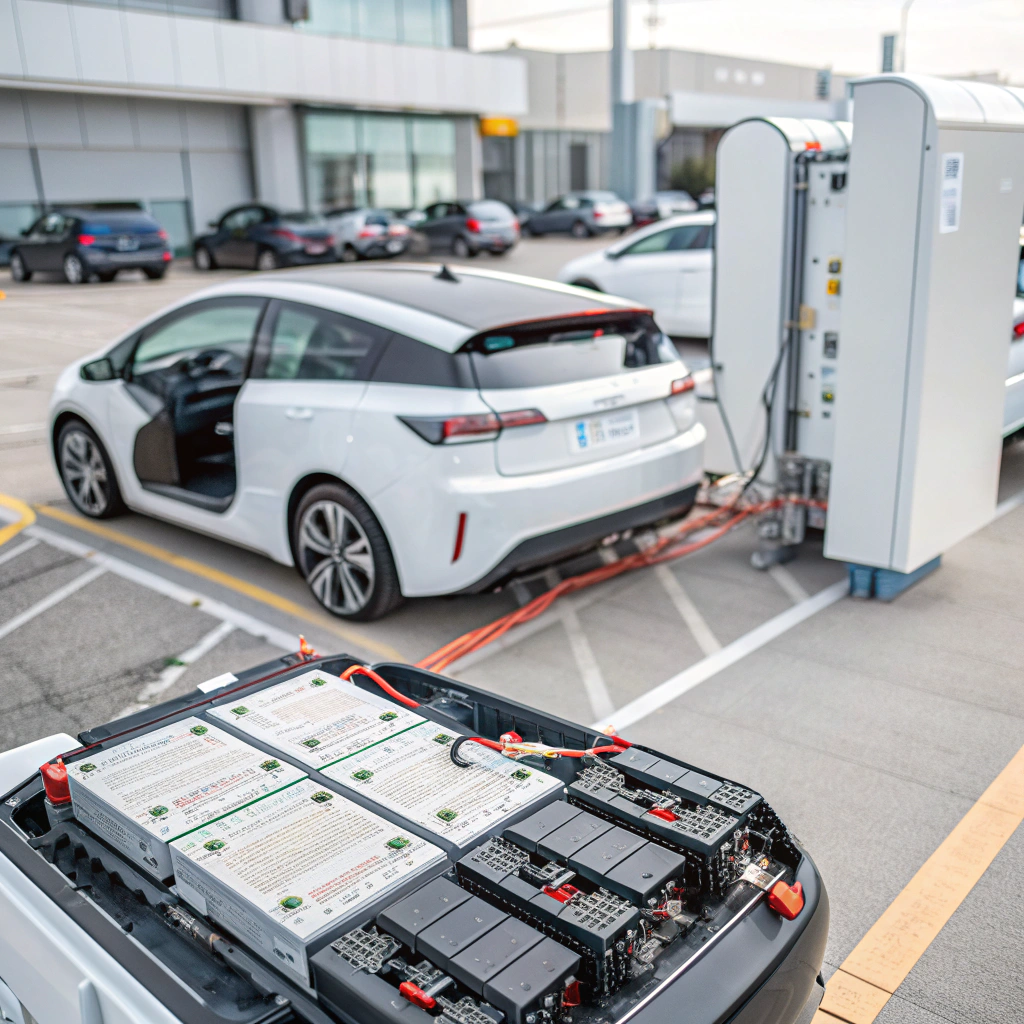
The world is changing. Every year, more companies come to us from industries that weren’t even on the heat sink map before. Here's why:
Rising Trends Driving Demand
1. EV and High-Voltage Transportation
Electric vehicles are loaded with power modules that get hot. Battery management systems, onboard chargers, and inverter units all need serious cooling. As EV adoption rises, so does the demand for efficient, compact, and reliable heat sink solutions.
2. Data Centers & AI Hardware
AI training servers use GPUs that run at extremely high power levels. Cooling these devices is a major issue. Heat sinks (combined with liquid cooling in some cases) help manage this load, and the market for such applications is exploding.
3. LED Lighting Boom
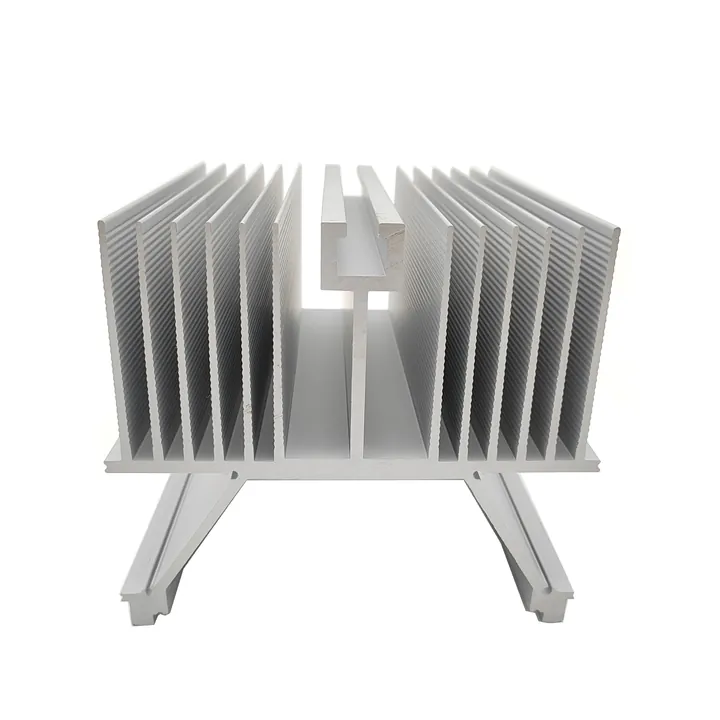
As the world shifts to energy-saving lighting, thermal management becomes critical. We supply aluminum extrusions for high-output LEDs, especially those used in stadium lighting, solar lamps, and architectural features.
4. Smart Devices & IoT
From smart thermostats to industrial sensors, small connected devices need thermal protection to operate reliably. Even tiny systems now generate more heat due to multi-core processors.
5. Automation and Robotics
Industrial automation is becoming mainstream. Robots, CNC controllers, servo drives, and motor modules work long hours and heat up fast. They need cooling to ensure uptime and safety.
6. Green Building Standards
As energy efficiency becomes law in many countries, building systems like solar inverters, smart lighting, and HVAC controllers are now equipped with heat sinks to reduce power loss and extend life.
7. Advanced Materials & Design Innovation
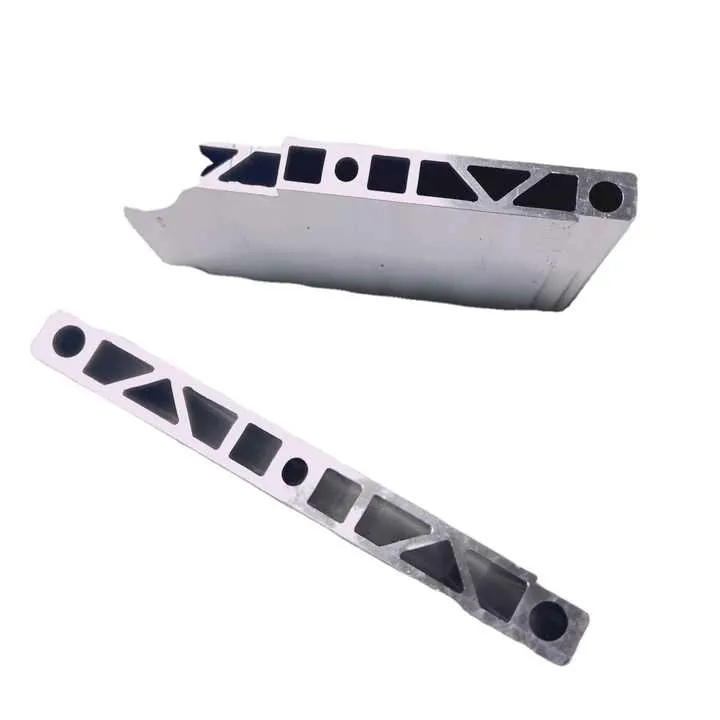
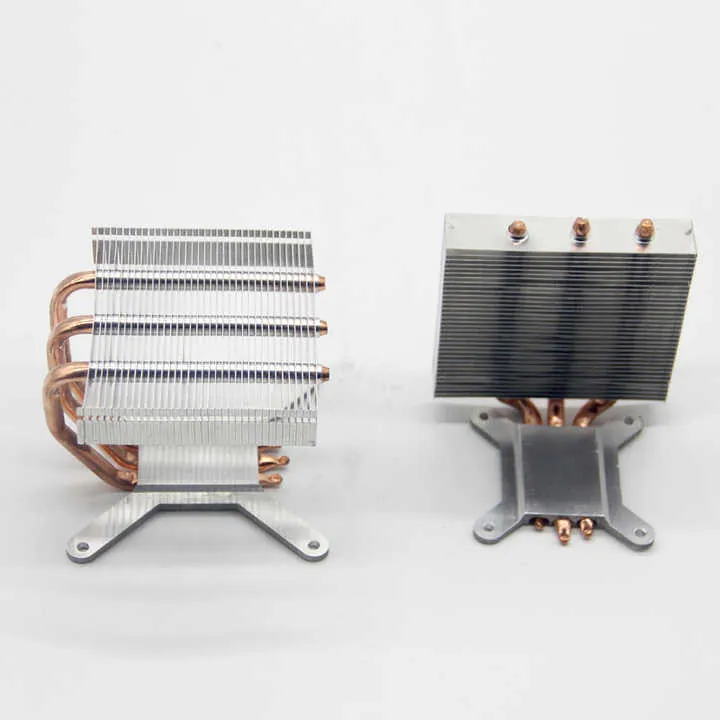
New heat sink designs use vapor chambers, skived fins, and heat pipes for better performance. We see more interest in hybrid designs and exotic geometries, which we can produce using CNC + extrusion combinations.
The future of heat sink manufacturing isn’t just about more volume—it’s about smarter solutions for newer technologies.
Conclusion
Heat sinks are no longer a niche product. From lighting to electric vehicles to server racks, industries need reliable thermal solutions more than ever. A heat sink manufacturer who understands material science, custom design, and global logistics becomes not just a supplier—but a long-term partner.