CNC cutting machines seem complex—but the real story is surprisingly simple. Confused by automation or precision tools? You’re not alone.
A CNC cutting machine is a computer-controlled device that cuts materials like metal, plastic, or wood with high accuracy using programmed instructions.
They save time, improve quality, and reduce human error. But how do they really work, and why are they used in so many industries?
How does a CNC cutting machine operate?
Many still think machines need human hands at every step. That’s no longer true in modern manufacturing.
A CNC cutting machine operates by following pre-programmed digital instructions to cut materials into precise shapes without manual intervention.
To understand the process, imagine this: instead of a technician using a manual saw, a software file guides the machine on exactly where and how deep to cut. Everything begins with a design file—often created in CAD (Computer-Aided Design) software. This design is converted into a G-code file, which tells the CNC machine how to move its cutting tool.
Key components of a CNC cutting machine:
| Component | Function |
|---|---|
| Controller | Translates G-code into machine movement |
| Cutting Head | Performs the actual cutting or engraving |
| Bed/Table | Holds the material in place |
| Servo Motors | Drive movement along X, Y, and Z axes |
| Sensors | Ensure precision and safety |
Once the setup is complete, the machine cuts or engraves the material with unmatched consistency. It can handle straight lines, curves, and even 3D shapes.
Another important feature is automation. Operators can queue multiple designs or even run the machine overnight. That’s a major productivity boost. Also, the machine adjusts speed and depth based on material type and thickness.
In summary, operation depends on accurate programming, stable material placement, and reliable hardware coordination. With these, CNC cutting machines deliver repeatable results every time.
What materials can a CNC cutting machine process?
It’s a common myth that CNC machines only cut metal. That’s far from the truth.
CNC cutting machines can process a wide range of materials, including metals, plastics, wood, foam, glass, and composites.
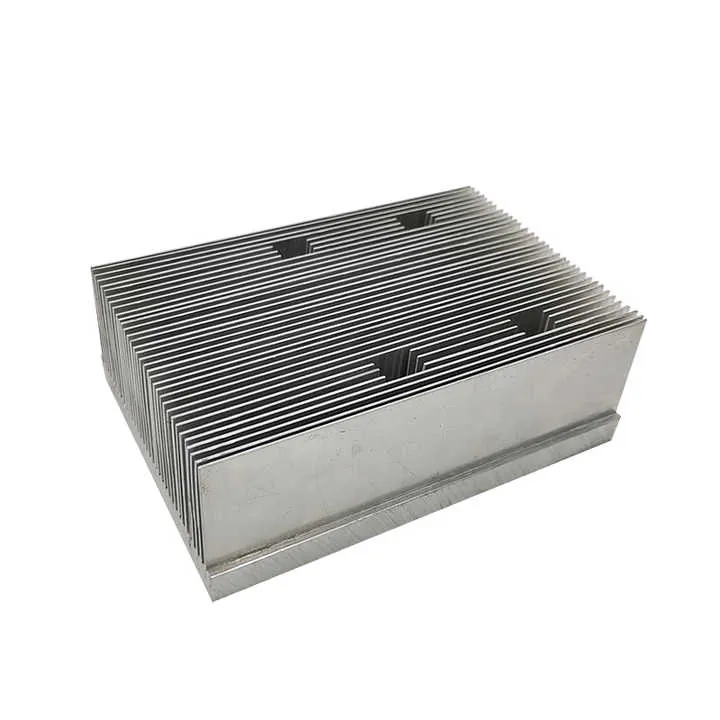
The flexibility of CNC machines lies in their tool selection and speed adjustment. Different materials require different tools and cutting speeds. For example, aluminum needs sharp bits and higher speeds, while plastics require slower feeds to avoid melting.
Common materials processed by CNC machines:
| Material Type | Examples | Notes |
|---|---|---|
| Metals | Aluminum, Steel, Brass | Often used in aerospace, automotive |
| Plastics | Acrylic, PVC, Nylon | Requires slower speeds to prevent burns |
| Wood | MDF, Plywood, Hardwood | Great for furniture and signage |
| Foam | EVA, Polyurethane | Used in packaging, insulation |
| Composites | Carbon fiber, Fiberglass | Needs specialized tools |
| Glass & Ceramics | Special applications only | Needs water jet or laser CNC |
Each type comes with its own challenges. For example, glass is brittle and needs non-contact cutting like water jets. Metals often need coolant to manage heat during cutting. Plastics can clog the cutting tool if cut too quickly.
This variety makes CNC machines highly adaptable. Manufacturers can handle small batch prototyping or large-scale production using the same equipment—just by switching out tools and updating the software.
In industries that require mixed materials, such as custom enclosures or multi-material parts, CNC is ideal. It reduces the need for manual transfers between stations. This not only saves time but also prevents alignment issues.
Why are CNC cutting machines preferred for precision work?
Manual methods are prone to small errors. In industries where even 1mm matters, that’s too risky.
CNC cutting machines are preferred for precision work because they deliver consistent, accurate results with minimal human error.
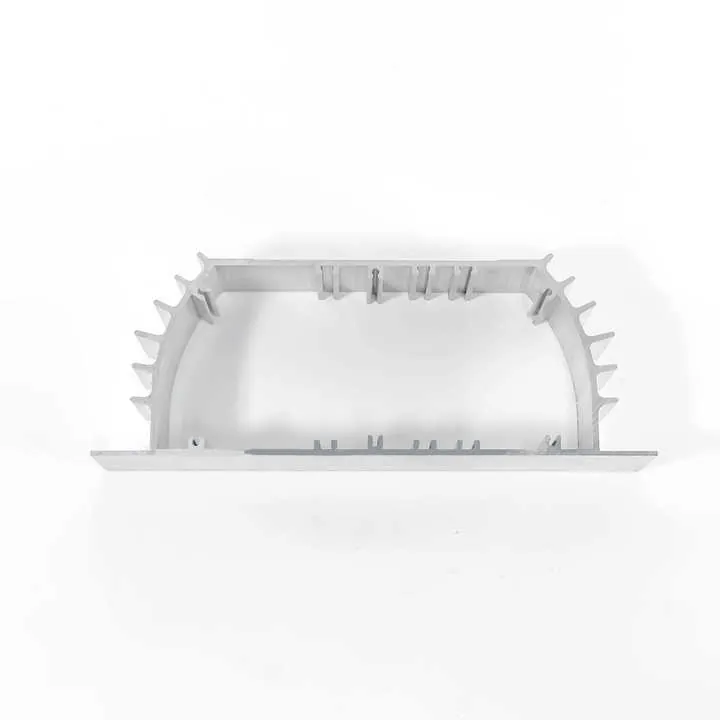
Precision is not just about the ability to cut fine lines. It also involves repeatability. CNC machines can cut hundreds of identical parts without deviation. This is critical in industries like aerospace, where each component must meet tight specifications.
Reasons CNC machines are highly precise:
- Software-controlled movement: Based on exact coordinates.
- High-quality motors: Servo and stepper motors move with micrometer accuracy.
- Feedback systems: Sensors adjust motion in real-time.
- Stable platforms: Heavy-duty beds reduce vibration.
Let’s take the electronics industry as an example. If circuit boards are even slightly misaligned, the whole product fails. CNC routers used for PCB drilling ensure that every hole is drilled to the exact depth and location.
Even in the world of art and design, CNC laser cutters allow intricate patterns to be cut into wood or metal without burning or fraying the edges. Manual cutting can’t achieve such fine results without hours of work.
Also, in medical device manufacturing, components like titanium implants need flawless dimensions. CNC machining ensures this level of accuracy with digital reliability.
Precision is not just about what’s possible—it’s about removing uncertainty. That’s why many companies invest in CNC even when traditional tools are cheaper upfront.
Where are CNC cutting machines widely used?
People often think CNCs are only for factories. In truth, their use is far broader.
CNC cutting machines are widely used in industries such as aerospace, automotive, construction, electronics, signage, and furniture manufacturing.
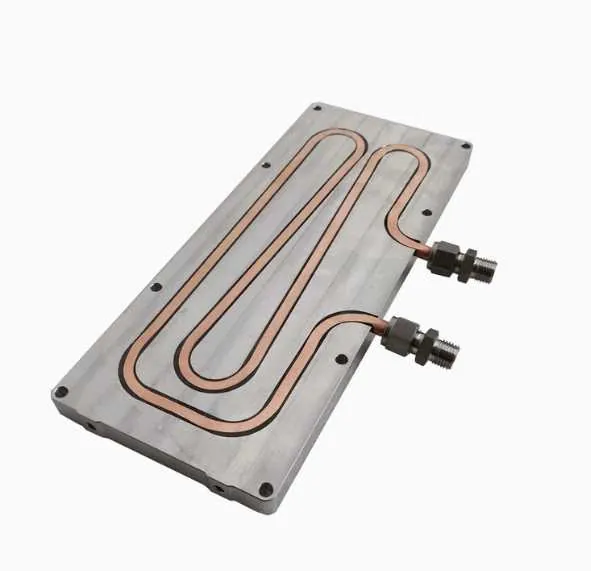
Different sectors use CNCs for different reasons. Aerospace companies value precision. Furniture makers love the ability to customize. Signage shops appreciate the speed.
Industry Applications of CNC Cutting:
| Industry | Applications |
|---|---|
| Aerospace | Turbine parts, brackets, structural frames |
| Automotive | Engine blocks, dashboards, custom trim |
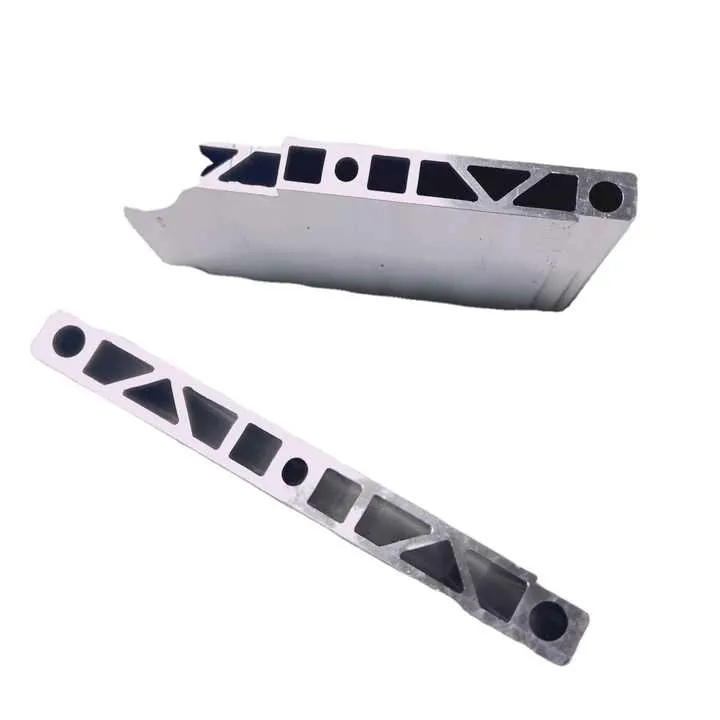
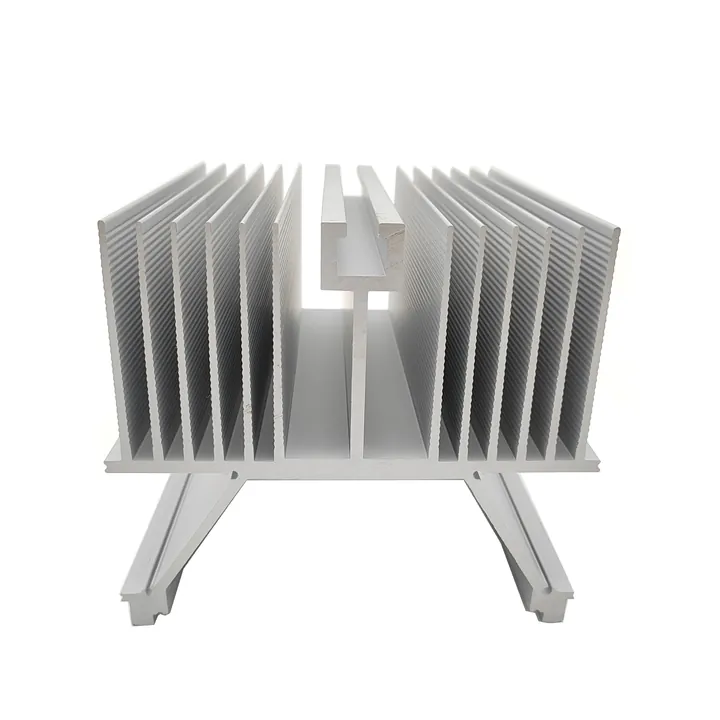
| Construction | Window frames, aluminum profiles |
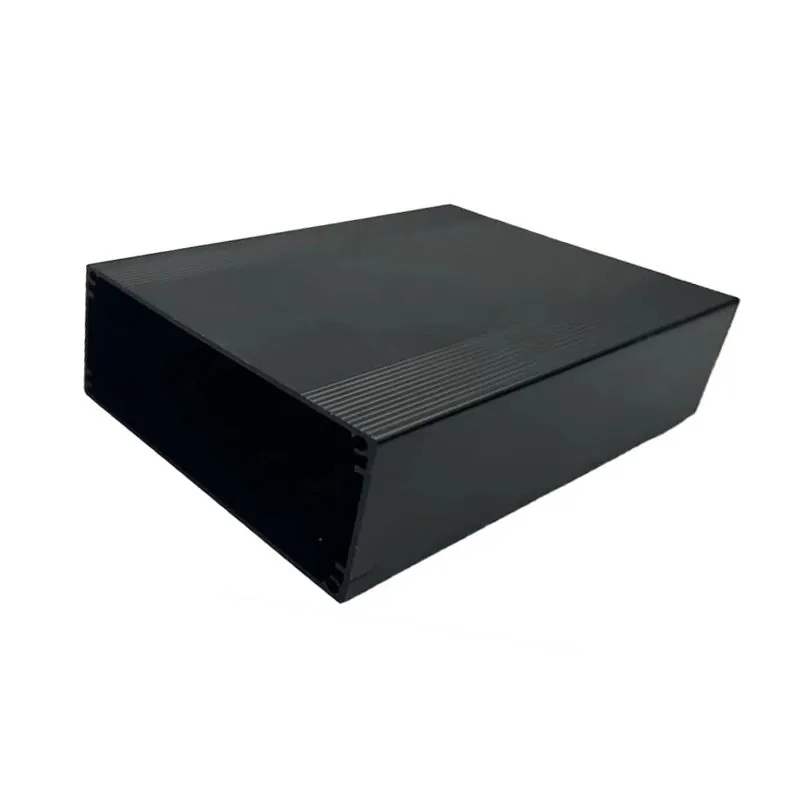
| Electronics | PCB drilling, enclosures, connector slots |
| Signage & Display | Custom logos, letters, 3D signs |
| Furniture | Cabinetry, inlays, decorative panels |
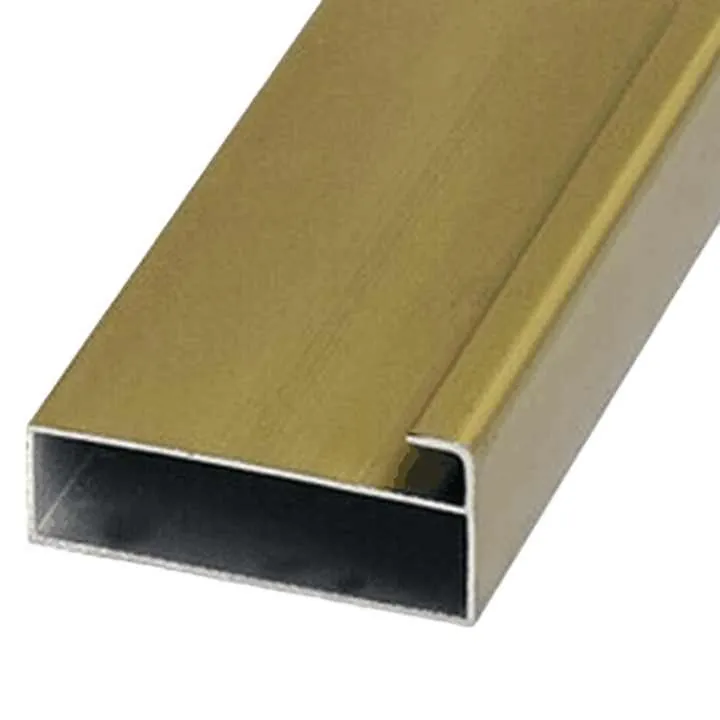
In the construction world, CNC machines cut aluminum profiles used in window frames, solar panel mounts, and curtain walls. Instead of relying on manual saws, companies can now deliver cleaner cuts and custom shapes with shorter lead times.
In the sign-making industry, CNC routers create layered logos, cut lettering, or engrave complex patterns on acrylic or metal. This speeds up the process and allows mass production of branded displays.
Even in smaller-scale production, like custom guitar making or bicycle frame building, CNC machines let artisans mix creativity with industrial-level accuracy. That’s hard to match with hand tools.
The truth is, wherever there’s a need for accuracy, speed, and customization, CNC machines are likely already in use. And that trend is only growing.
Conclusion
CNC cutting machines change how we make things. They turn digital designs into real-world parts—accurately and fast. From metals to wood, and from cars to signs, CNC brings precision and flexibility to modern manufacturing.