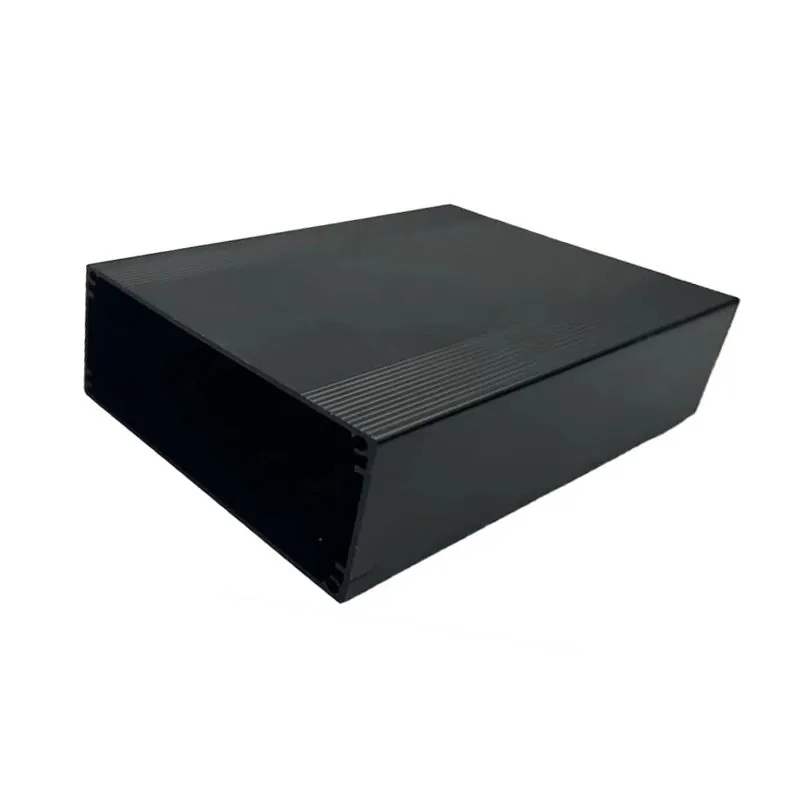
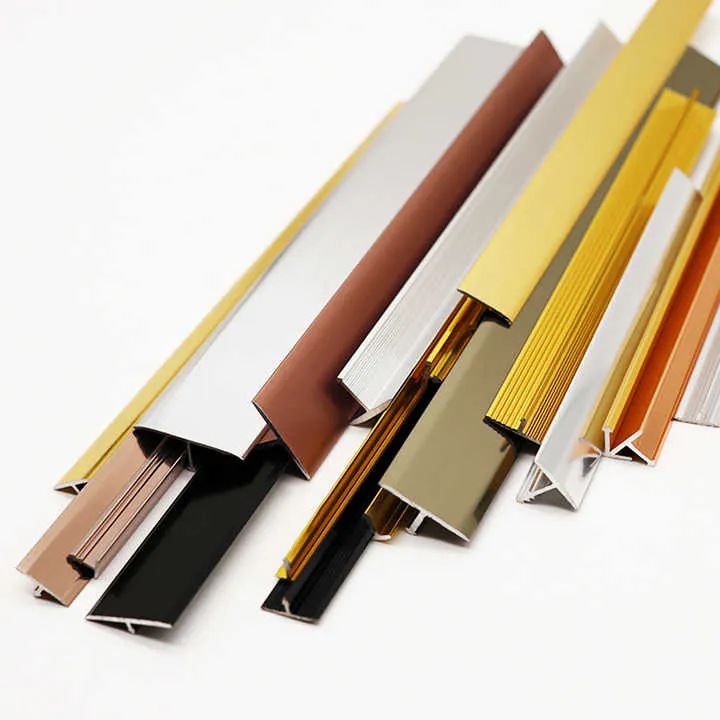
A CNC mill is a computer-controlled machine tool used in manufacturing to cut, shape, and machine various materials such as metal, plastic, and wood. CNC stands for Computer Numerical Control, meaning the machine is driven by a computer program that guides the movements of the cutting tool, providing high levels of precision and repeatability.
CNC mills come in various sizes and configurations, but all of them are designed to perform milling operations—such as drilling, boring, cutting, and shaping—on a workpiece. These machines can handle complex designs and are an essential part of modern manufacturing, offering the ability to create parts and components with exact specifications. In this article, we will explore how a CNC mill functions, why it is highly precise, which industries depend on it, and where CNC mills are typically installed.
Let’s explore how CNC mills work and why they are so crucial to the manufacturing industry today.
How Does a CNC Mill Function?
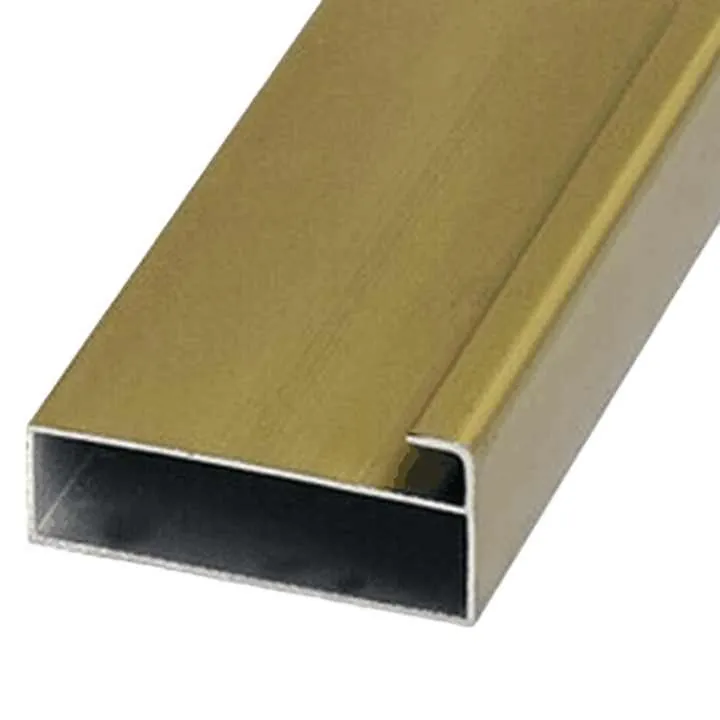
A CNC mill operates by using a rotating cutting tool that removes material from a workpiece. The movement of the tool is controlled by a computer, which follows a set of instructions derived from a digital design. These instructions guide the tool along multiple axes (typically X, Y, and Z) to perform precise cutting, drilling, and shaping.
CNC Milling Process:
- Design: The process starts with the creation of a design, usually in CAD (Computer-Aided Design) software. This design includes the dimensions and specifications for the part or product.
- Conversion to G-code: The CAD design is then converted into G-code, which is a programming language that tells the CNC mill exactly how to move, how fast, and at what position to cut.
- Machine Setup: The workpiece (such as a metal block or plastic sheet) is fixed to the milling table or work surface, and the correct cutting tool is loaded into the machine.
- Milling Operation: The CNC mill follows the instructions from the G-code to cut, drill, or shape the material. The tool moves along the programmed path, removing material layer by layer.
- Post-Processing: After the initial milling operation, additional steps like deburring, polishing, or assembly may be performed on the part.
CNC milling offers high-speed, automated manufacturing, which results in consistent and high-quality parts that match the exact design specifications.
Why is CNC Milling Highly Precise?
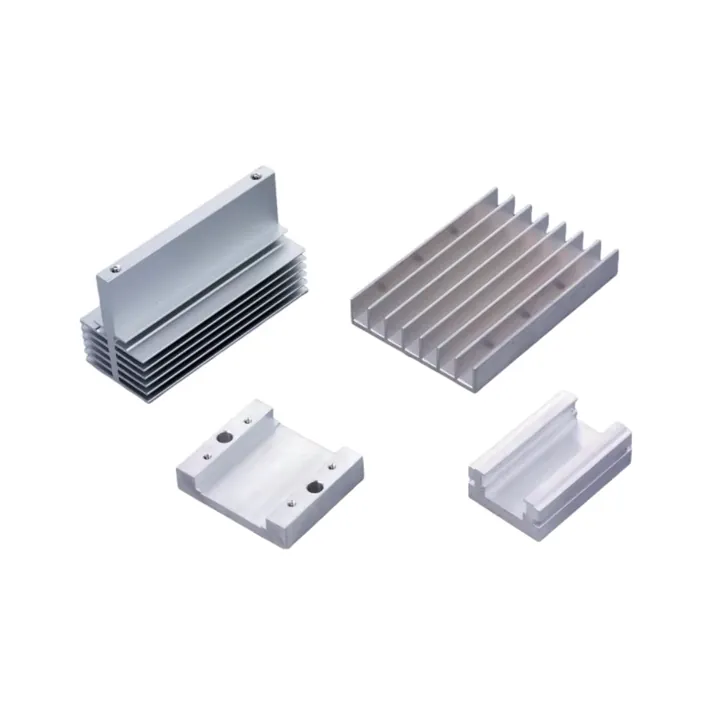
CNC milling is highly precise because it is controlled by computer software that ensures every movement of the tool is exact. The ability to automate the process reduces human error and allows for complex shapes to be cut with minimal deviation.
Factors Contributing to Precision:
- Computer Control: The CNC machine follows detailed G-code instructions, which direct the movement of the cutting tool with high accuracy, eliminating the variability that comes with manual operations.
- Consistent Repetition: Once a program is set up, the CNC mill can repeat the exact same operation multiple times, producing parts that are consistent in size and shape.
- High Tolerances: CNC mills can achieve tight tolerances—often down to fractions of a millimeter—making them ideal for parts that require a high degree of accuracy.
- Automated Tool Changes: Many CNC mills are capable of automatically changing tools during the machining process, which allows for different cutting operations without manual intervention, maintaining precision across various stages of production.
This combination of computer-controlled automation and mechanical precision makes CNC milling one of the most accurate methods for producing parts, especially for industries that demand high-quality and complex components.
Which Industries Depend on CNC Mills?
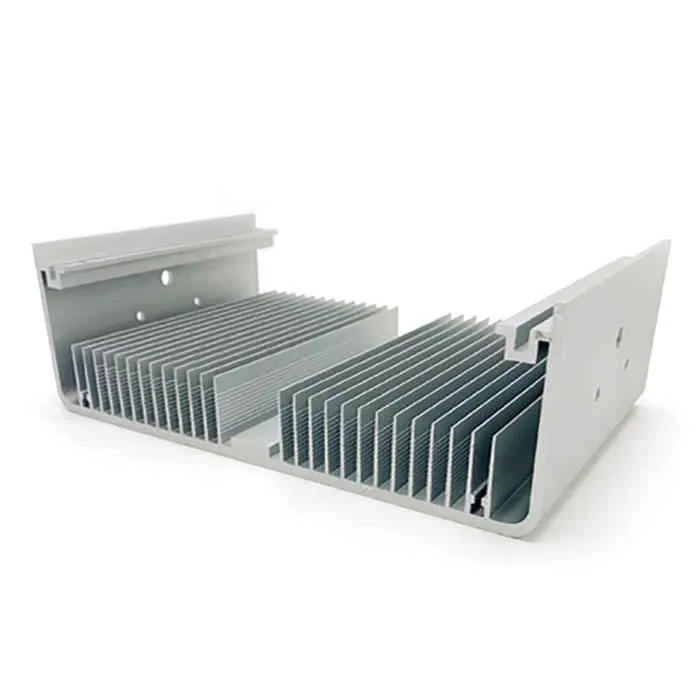
CNC mills are crucial in several industries that require precision and efficiency in the production of complex parts and components. Industries such as aerospace, automotive, medical, and electronics rely heavily on CNC milling to manufacture high-quality, custom, and often high-volume parts.
Industries That Depend on CNC Mills:
| Industry | Applications | Benefits of CNC Milling |
|---|---|---|
| Aerospace | Aircraft components, turbine blades | Lightweight, high-precision parts |
| Automotive | Engine blocks, transmission components | Tight tolerances, mass production |
| Medical | Surgical tools, implants, prosthetics | Precision and customizability |
| Electronics | Circuit boards, connectors | Small, intricate components |
In the aerospace industry, CNC milling is used to produce critical components like turbine blades and engine parts, where precision and lightweight materials are essential. In automotive manufacturing, CNC mills are used to create parts such as engine blocks, chassis components, and transmission gears that require exact tolerances. The medical industry relies on CNC milling for making highly detailed surgical instruments and custom implants, where precision is a matter of safety. Electronics manufacturers use CNC mills to make intricate circuit boards and connectors with fine features.
Where Are CNC Mills Typically Installed?
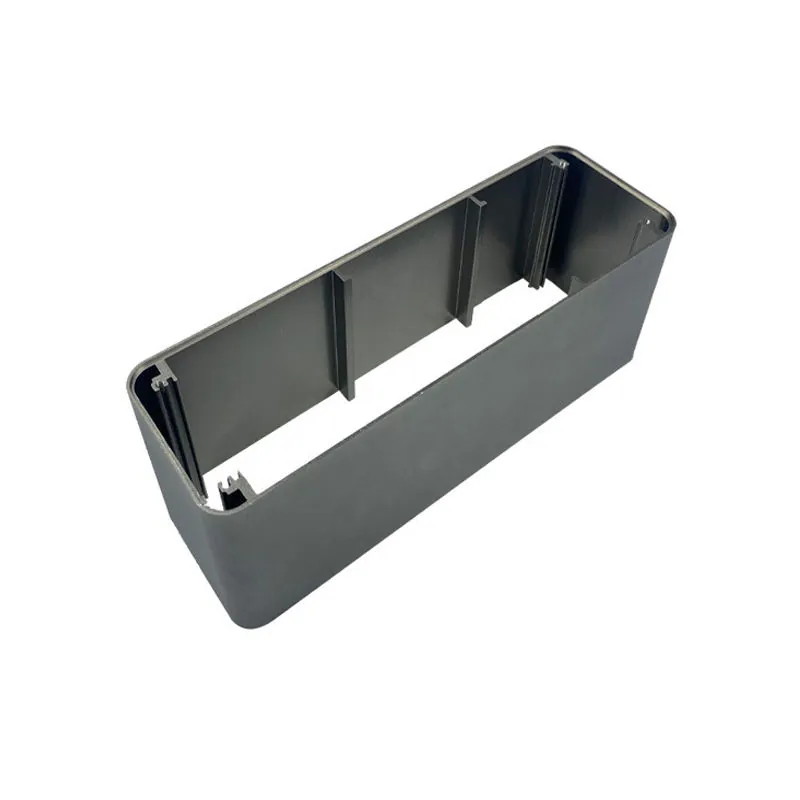
CNC mills are typically installed in industrial settings such as machine shops, manufacturing plants, and fabrication facilities. These machines are used for both prototype production and large-scale manufacturing of parts. CNC mills can be found in environments where precision and automation are essential, and their versatility makes them useful in a wide range of applications.
Common Locations for CNC Mills:
| Facility Type | Purpose | Example Uses |
|---|---|---|
| Machine Shops | Precision manufacturing of parts | Custom parts, small batch production |
| Manufacturing Plants | High-volume production of components | Mass production, assembly line work |
| Fabrication Facilities | Prototype and part production | Prototyping, specialized designs |
| Research Labs | Development of experimental or custom parts | Testing, prototyping, innovation |
In machine shops, CNC mills are used for producing custom parts in small batches or one-off prototypes. Manufacturing plants often utilize CNC mills for mass production of components, ensuring high consistency and precision across large runs. Fabrication facilities use CNC mills for both prototyping new designs and producing specialized parts. Finally, research labs rely on CNC milling for experimental work, where the precision and flexibility of the machines are essential for innovation and testing.
Conclusion
In conclusion, CNC mills are essential tools in modern manufacturing, offering unparalleled precision and efficiency. By automating the milling process, CNC machines reduce human error, increase consistency, and allow for the creation of complex, high-quality parts across industries such as aerospace, automotive, medical, and electronics. Their ability to handle both custom and mass production with high precision makes CNC mills a cornerstone of modern industrial production.