If metal cutting feels slow, expensive, or inconsistent, you're not alone. Many fabricators face these same problems every day.
A CNC plasma cutter is a computer-controlled machine that uses a high-temperature plasma arc to cut through electrically conductive metals with speed, precision, and efficiency.
Metalworking shops, manufacturers, and custom fabricators all benefit from its automation and cutting quality.
How does a CNC plasma cutter function?
When cutting thick steel or aluminum by hand, results can vary. It's hard to keep lines straight and edges clean without help.
A CNC plasma cutter uses a computer-guided system to move a plasma torch with precision, creating accurate cuts in metal sheets based on programmed instructions.
The core of the system is the plasma torch. It generates a high-temperature arc—often reaching over 20,000°C—by sending an electrical current through a stream of gas like oxygen or nitrogen. When this arc hits the metal surface, it melts the material instantly. A high-velocity gas jet then blows the molten metal away, leaving a clean cut.
Key components of a CNC plasma cutter:
| Component | Function |
|---|---|
| CNC Controller | Translates G-code into precise torch movements |
| Plasma Power Supply | Provides the energy to create the plasma arc |
| Plasma Torch | Emits the plasma arc that cuts the metal |
| Motion System | Moves the torch along X, Y, and sometimes Z axes |
| Gas Delivery System | Supplies the gas that forms and controls the plasma |
The CNC controller runs a code, often written in G-code, which maps out the cutting path. Operators can load a digital drawing or design, and the system will follow the exact shape, including complex curves or sharp angles.
Benefits of automated plasma cutting:
- Higher precision compared to manual torches
- Fast production of repeatable parts
- Reduced human error
- Works on various thicknesses
- Can cut stacked plates
This setup is ideal for batch production where consistency matters. It's also great for custom jobs that require speed and accuracy. Even small shops can benefit from compact, entry-level models.
Why choose plasma cutting for metals?
Cutting metal with traditional tools like saws or grinders can be slow. Edges are rough, and tools wear out quickly. It also takes time to train workers to make accurate cuts.
Plasma cutting is faster than traditional methods and delivers clean, high-quality edges with less preparation and tool wear.
The key benefit is speed. Plasma arcs slice through steel or aluminum much faster than mechanical blades. This speed doesn't sacrifice quality. In fact, plasma cuts often need little to no post-processing like grinding or sanding.
Comparison: Plasma Cutting vs. Other Cutting Methods
| Method | Speed | Precision | Edge Quality | Tool Wear |
|---|---|---|---|---|
| Plasma Cutting | Very Fast | High | Clean | Low |
| Oxy-Fuel | Moderate | Medium | Rough | Medium |
| Laser Cutting | Fast | Very High | Very Clean | Low |
| Mechanical Saw | Slow | Low | Rough | High |
Plasma cutting is more affordable than laser systems, especially for medium-thickness materials. It also requires less maintenance and works on dirty or painted metals, where lasers may struggle.
Shops that value speed and affordability often choose plasma cutters. Even in heavy industries like shipbuilding or construction, plasma is a practical solution when precision and volume matter.
Which materials are ideal for plasma cutting?
Not all metals are easy to cut. Some are too soft and melt unevenly. Others reflect heat or require slow, careful processing.
Plasma cutting works best on electrically conductive metals like steel, stainless steel, aluminum, brass, and copper.
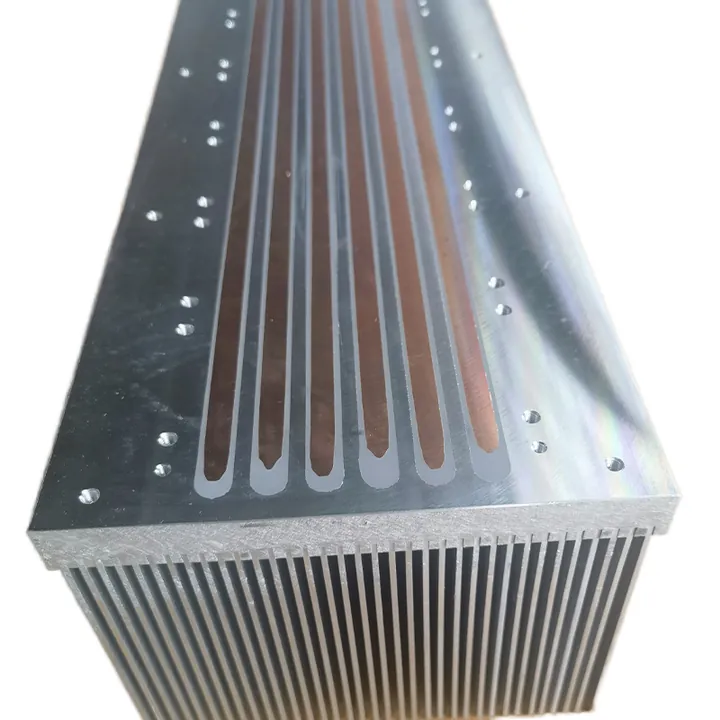
The key requirement is conductivity. Plasma cutting relies on an electrical arc, so non-conductive materials like plastic, glass, or wood can’t be cut this way.
Suitable metals for CNC plasma cutting:
| Material | Conductivity | Plasma Cut Quality | Notes |
|---|---|---|---|
| Mild Steel | High | Excellent | Fast cuts, clean edges |
| Stainless Steel | High | Very Good | Requires inert gases |
| Aluminum | High | Good | Needs careful setup |
| Copper | Very High | Moderate | Reflects heat, trickier cut |
| Brass | High | Good | Similar to copper |
Thickness range
Most CNC plasma cutters can handle thin sheets (as little as 1mm) up to thick plates over 50mm, depending on the power source. Some high-end systems cut up to 100mm with multiple passes.
When working with aluminum or stainless steel, the cut quality depends on the gas type and settings. Using inert gases like argon or a mixture helps control oxidation and keeps edges clean.
Where are CNC plasma cutters used?
Different industries need metal parts. But not every business can afford slow production or rough finishes. Speed, consistency, and cost-effectiveness are essential.
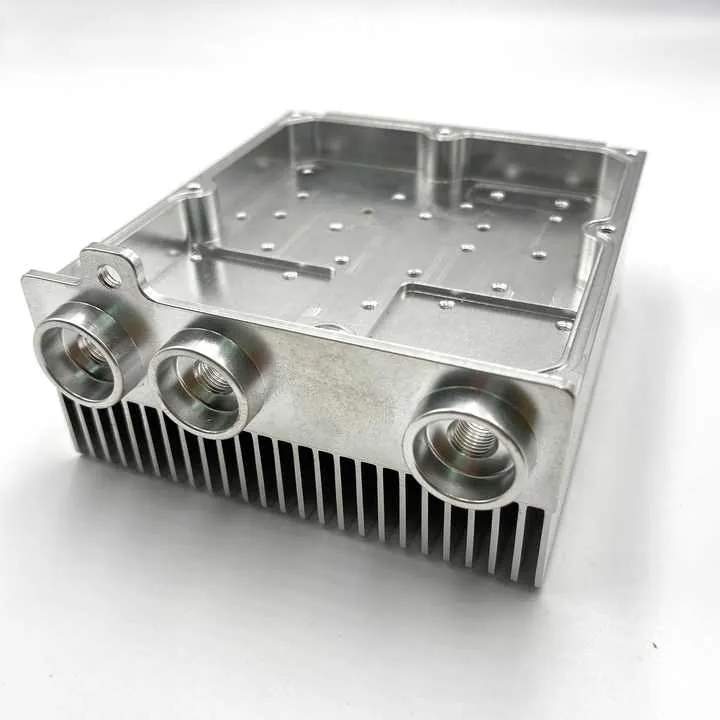
CNC plasma cutters are used in manufacturing, automotive, construction, metal fabrication, shipbuilding, and custom art.
Common applications across industries:
| Industry | Use Case |
|---|---|
| Manufacturing | Cutting frames, enclosures, brackets |
| Automotive | Producing body panels, chassis parts |
| Construction | Creating beams, frames, support structures |
| HVAC | Cutting sheet metal for ducts and vents |
| Shipbuilding | Cutting thick steel plates for hulls |
| Metal Art | Designing custom gates, signs, and sculptures |
Why industries prefer plasma cutters:
- Fast turnaround: Ideal for tight deadlines
- Custom cuts: Can handle complex designs easily
- Cost-efficient: Great ROI, especially in large volumes
- Automation: Reduces manpower and increases safety
- Adaptability: Works with a wide range of part sizes
In construction, large steel plates are often pre-cut on-site using mobile plasma units. For small batch production or one-off parts, desktop CNC plasma cutters offer high precision in a small footprint.
Custom metal art shops love them for signs, decorative panels, and complex design work. Files can be imported from vector software, and cuts come out clean and repeatable.
Conclusion
CNC plasma cutters offer fast, clean, and cost-effective metal cutting across many industries. They're ideal for conductive metals like steel and aluminum, and perfect for precise, repeatable work.