CNC plasma tables are revolutionizing the metal cutting industry. Have you ever wondered how large metal sheets are cut so precisely and efficiently? Let's dive into how these machines are reshaping manufacturing processes.
A CNC plasma table is a machine that uses a plasma torch to cut through metal. It's controlled by a computer, ensuring high precision and automation. The technology is vital in industries like automotive, aerospace, and metal fabrication.
The benefits of CNC plasma tables go beyond just precision. They bring speed, cost-effectiveness, and versatility to metal cutting. Understanding how they work can help businesses streamline production while ensuring quality.
How does a CNC plasma table work?
CNC plasma tables operate by using an electrically charged plasma arc to cut through metal. This method is fast and precise, making it a popular choice for metal fabricators.
The Process Behind Plasma Cutting
At its core, plasma cutting involves the following steps:
- Designing the Cut: The operator designs the cut path on a computer using CAD software.
- Translating the Design: The computer translates the design into a series of movements (G-code) for the machine.
- Plasma Arc: The CNC system uses a plasma torch to create an ionized gas (plasma). This is used to melt the metal.
- Cutting Action: The plasma blows away the molten metal, leaving behind a clean cut.
- Precision: The computer controls the movement of the torch along the exact path, ensuring a high-quality finish.
The beauty of CNC plasma cutting lies in its efficiency and speed. The ability to cut different metals and thicknesses with ease has made it one of the most cost-effective and popular methods for cutting metal.
Why are CNC plasma tables used in metal cutting?
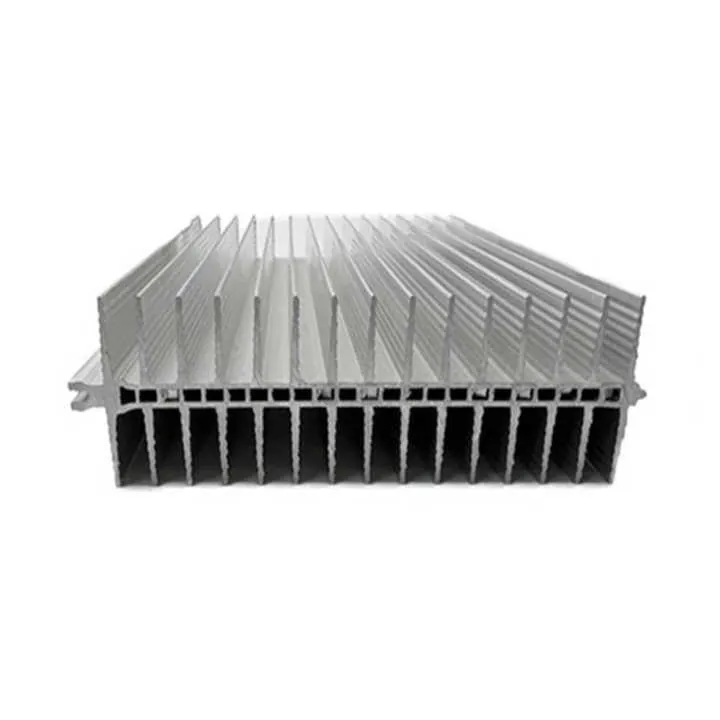
CNC plasma tables are favored in the metal industry due to several factors that make them ideal for cutting metals.
CNC plasma tables are popular because they cut through metal quickly, precisely, and affordably. The process is faster than other methods like laser cutting, making it ideal for high-volume production.
They are especially useful for industries that require consistent, high-quality cuts across different types of metal. With CNC plasma tables, businesses can reduce costs and improve operational efficiency.
Speed and Cost-Effectiveness
Plasma cutting is faster compared to other traditional methods, such as laser cutting or water jet cutting. This speed is crucial when businesses need to produce parts quickly and in large quantities.
For example, a plasma table can cut large metal sheets much faster than a laser cutter, making it more cost-effective for high-volume jobs. Since the process uses compressed air or gas to blow the molten metal away, it also doesn't require as much energy as laser cutting, which involves highly focused light beams.
Precision and Versatility
Another major advantage of CNC plasma tables is their precision. The computer-controlled system allows for exact cuts, even with complex designs. This accuracy makes plasma cutting ideal for industries that require high precision, such as aerospace or automotive manufacturing.
Furthermore, CNC plasma tables can cut a wide range of materials, including steel, aluminum, and brass. Their versatility ensures that they remain a key asset in various industries that require precision metal fabrication.
Which materials can a CNC plasma table cut?
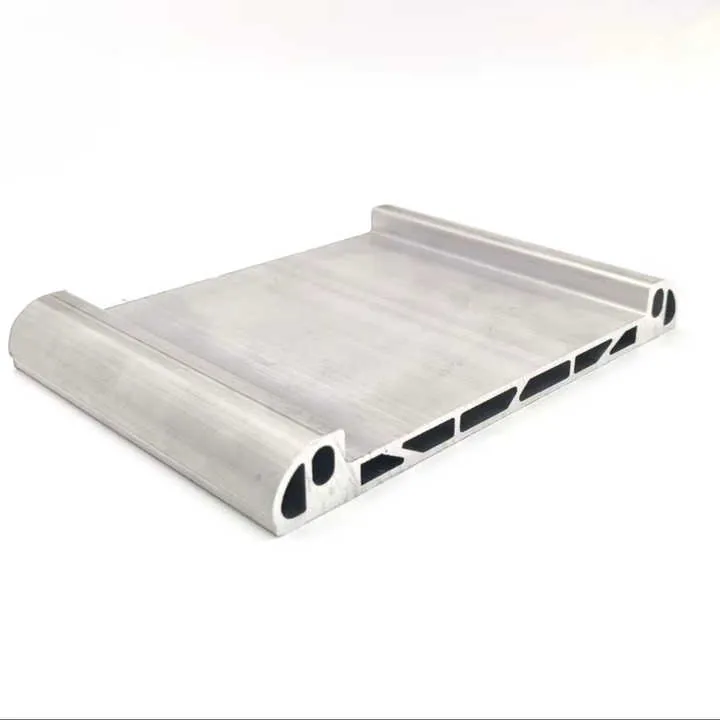
A CNC plasma table is designed to cut electrically conductive metals. Let's explore the materials that these machines can handle.
CNC plasma tables can cut a wide variety of materials, but they are most effective with conductive metals like steel, aluminum, and copper.
Understanding the material options is crucial for businesses that rely on plasma cutting for their production processes. The table's power settings and the material's thickness play a significant role in determining how well the cut will be executed.
Common Materials Cut by CNC Plasma Tables
CNC plasma tables are particularly effective at cutting the following metals:
| Material | Thickness Range | Cutting Efficiency |
|---|---|---|
| Steel | Up to 12 inches | Excellent |
| Aluminum | Up to 2 inches | Good |
| Copper | Up to 1.5 inches | Fair |
| Brass | Up to 1 inch | Good |
| Stainless Steel | Up to 1 inch | Good |
As shown, steel and aluminum are the most common materials cut by plasma tables. Steel, especially, is known for its excellent cutting ability due to its conductivity and thickness. Aluminum and brass can also be cut but might require specific adjustments in power settings for the best results.
Material Thickness and Cutting Speed
The thickness of the material plays an essential role in plasma cutting. While thinner materials can be cut at higher speeds, thicker materials require more power and slower cutting speeds to achieve a clean cut. CNC plasma tables are adaptable, meaning they can handle varying material thicknesses and still maintain precision.
Where are CNC plasma tables most commonly applied?
CNC plasma tables are used across a wide range of industries. Let’s take a look at some of the most common applications for these machines.
CNC plasma tables are used in various industries for applications that require precision metal cutting, such as automotive, aerospace, and manufacturing.
The versatility of CNC plasma machines means they can be applied in different sectors, from creating large structural components for ships to producing detailed custom parts for machines.
Industries Using CNC Plasma Tables
- Metalworking and Fabrication: Plasma tables are frequently used for creating parts for machinery, metal structures, and industrial equipment.
- Automotive: CNC plasma cutting is used for making components like brackets, frames, and panels for vehicles.
- Aerospace: Precision cutting is essential in aerospace, and plasma tables help create metal components for planes and rockets.
- Shipbuilding: Plasma cutting plays a major role in cutting large pieces of metal for ships and other marine vessels.
- Art and Signage: Custom metal signage and decorative art can be produced using CNC plasma tables, offering creative possibilities for metal artists.
Customization for Specific Needs
CNC plasma tables can be customized for particular applications. The settings on the machine, including cutting speed, gas flow, and power levels, can be adjusted to meet the specific needs of the material and the job. This flexibility makes plasma cutting ideal for both industrial applications and custom metalworking projects.
Conclusion
CNC plasma tables are an invaluable tool for industries that require fast, precise, and cost-effective metal cutting. Their versatility, combined with the ability to cut a range of metals, ensures they remain a staple in many fabrication processes. If you're looking to improve metal cutting in your business, investing in a CNC plasma table could be the right choice.