Manual milling is slow and often inconsistent. A CNC vertical milling machine solves this by producing accurate parts faster and with repeatable quality.
A CNC vertical milling machine is a computer-controlled machine where the spindle is vertically aligned and cuts materials using rotating tools, allowing precise shaping, drilling, and milling.
Knowing how it works and when to use it can save time and increase production quality in manufacturing.
How does a vertical mill operate?
Manual operations limit productivity. A vertical milling machine removes this problem with automated cutting and faster operation.
In a vertical mill, the cutting tool is mounted vertically and moves down into the material while the table holding the part moves in horizontal directions to create the desired shape.
The machine starts with a part mounted on a table. The spindle, holding the cutting tool, spins at high speed. The tool can move along the Z-axis (up and down), while the table moves in the X and Y directions. CNC programming guides these movements to shape, cut, or drill the material.
Key Components and Movements
| Component | Function |
|---|---|
| Spindle | Holds and spins the cutting tool |
| Tool holder | Secures the tool to the spindle |
| Worktable | Supports the workpiece; moves in X/Y axes |
| CNC Controller | Controls all tool and table movements |
| Column & Base | Support and stabilize the machine |
| Tool changer | Automatically switches between different tools |
The Z-axis movement of the tool gives vertical control. X and Y axis movements of the table allow for lateral cutting. The spindle motor adjusts speed based on the material and desired cut. The CNC controller follows pre-set programs, usually written in G-code, to ensure every cut matches design specifications.
Most vertical mills also include coolant systems to prevent overheating. Tool changers let the machine switch between drills, mills, and taps automatically, saving time during complex operations.
Vertical milling is precise, fast, and ideal for making complex shapes, holes, and flat surfaces in various materials.
Why use vertical milling?
Using manual tools can cause delays and inconsistencies. Vertical CNC milling provides speed, accuracy, and efficiency.
Vertical milling machines offer cost-effective precision, easier setup, better visibility, and flexibility, especially for small-to-medium size parts and production runs.
Vertical mills are simple to operate. Their open design allows easy access to the work area, making setup and adjustments faster. This visibility helps spot problems early, reducing errors.
Benefits of Vertical Milling
- Lower machine cost: Vertical mills are generally cheaper than horizontal ones.
- Smaller footprint: They require less space on the shop floor.
- Simpler setup: Easier to load parts and adjust tools.
- High precision: CNC programs ensure exact movements and measurements.
- Good for varied tasks: Ideal for milling, drilling, tapping, and boring.
These machines are great for quick turnaround jobs and prototyping. They also handle batch runs where every part must match tightly controlled dimensions.
When is vertical milling ideal?
| Condition | Vertical Milling Suitability |
|---|---|
| Limited budget | ✔️ High |
| Small-to-medium part size | ✔️ High |
| Complex shapes with holes/pockets | ✔️ High |
| Large or heavy parts | ❌ Better for horizontal |
| High-volume production | ⚠️ Moderate to High |
Because of its simplicity and versatility, vertical milling is popular in many small and mid-sized shops. It's often the first CNC machine bought by a new business because it can handle a wide range of projects.
Which parts suit vertical milling?
Vertical milling machines aren’t for everything. They shine when working with medium-sized parts that need clean surfaces, pockets, or holes.
Vertical milling is best for small-to-medium sized parts with flat faces, drilled holes, slots, or shaped pockets made from metal or plastic materials.
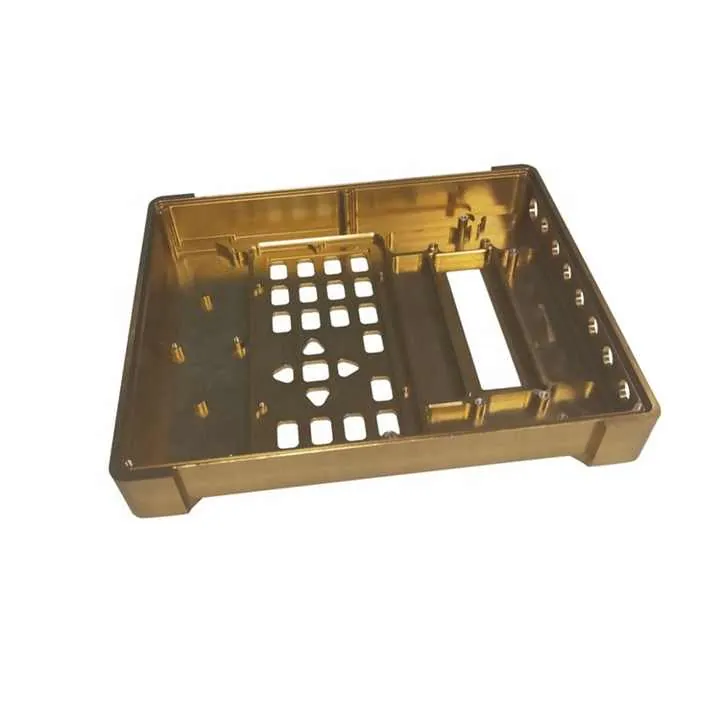
Common materials include aluminum, steel, brass, and plastics. The machine can hold tight tolerances, making it perfect for detailed parts that must fit other components precisely.
Part Types Ideal for Vertical Milling
- Base plates and mounting brackets
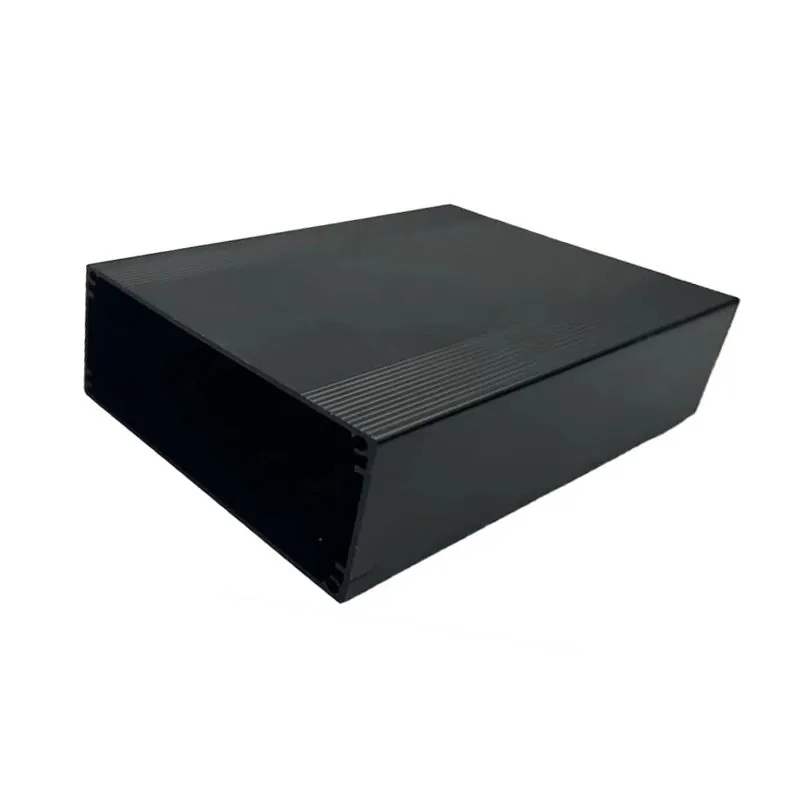
- Covers and enclosures
- Tooling components and dies
- Medical parts and electronic housings
- Machine parts with slots, holes, and contours
Sample Application Table
| Part Type | Typical Features | Material |
|---|---|---|
| Bracket | Holes, flat surfaces | Aluminum, steel |
| Enclosure Cover | Cut-outs, tapped holes | Plastic, aluminum |
| Mold Base | Pockets, tight fit areas | Tool steel |
| Sensor Mount | Bored holes, fine finish | Stainless steel |
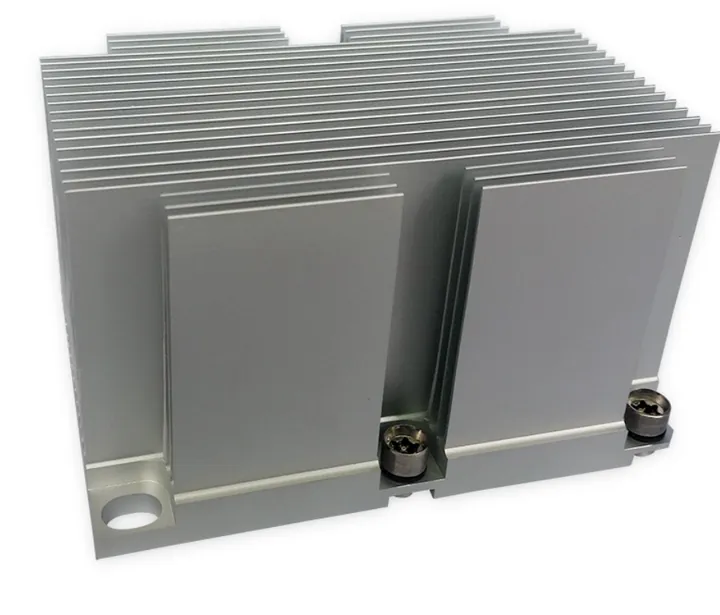
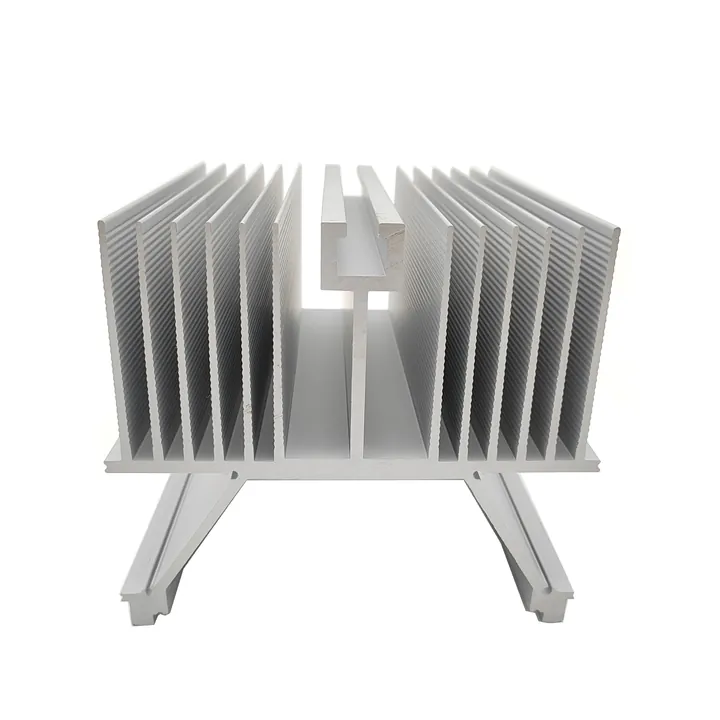
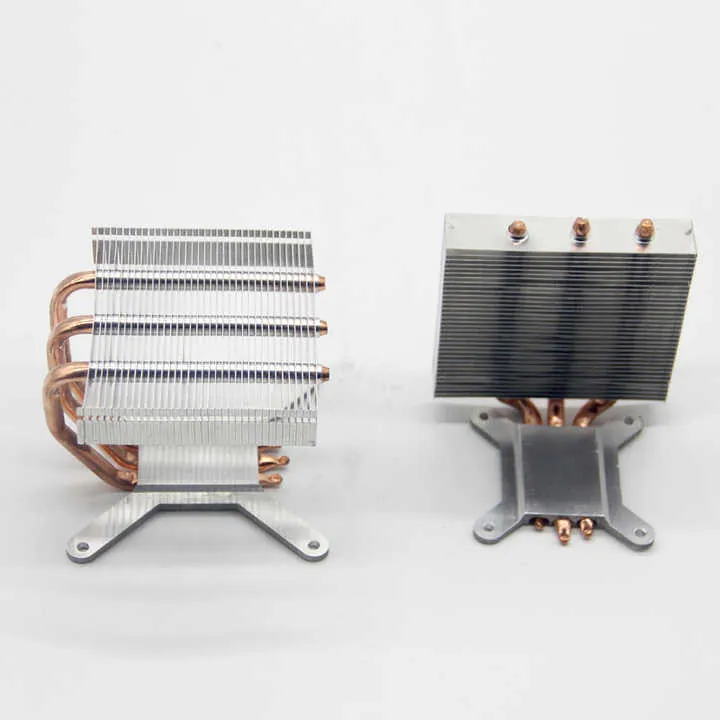
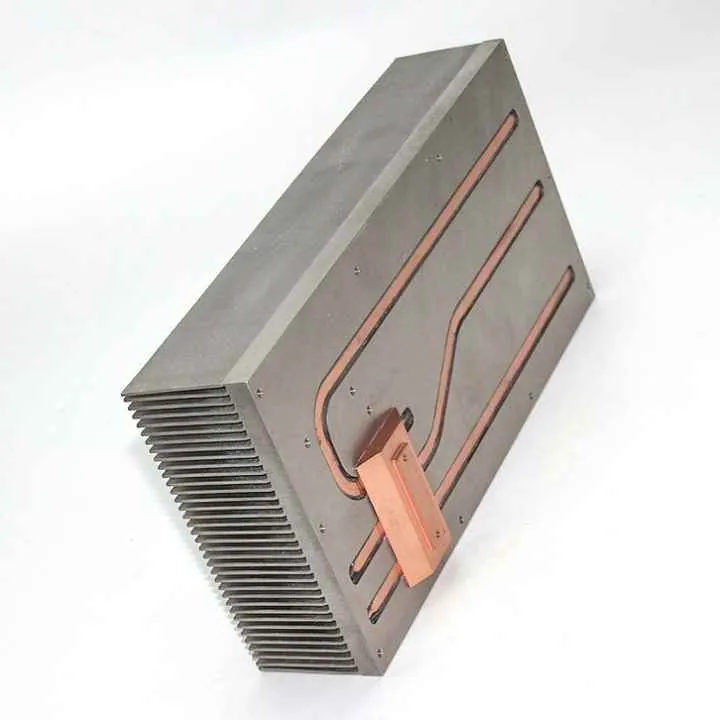
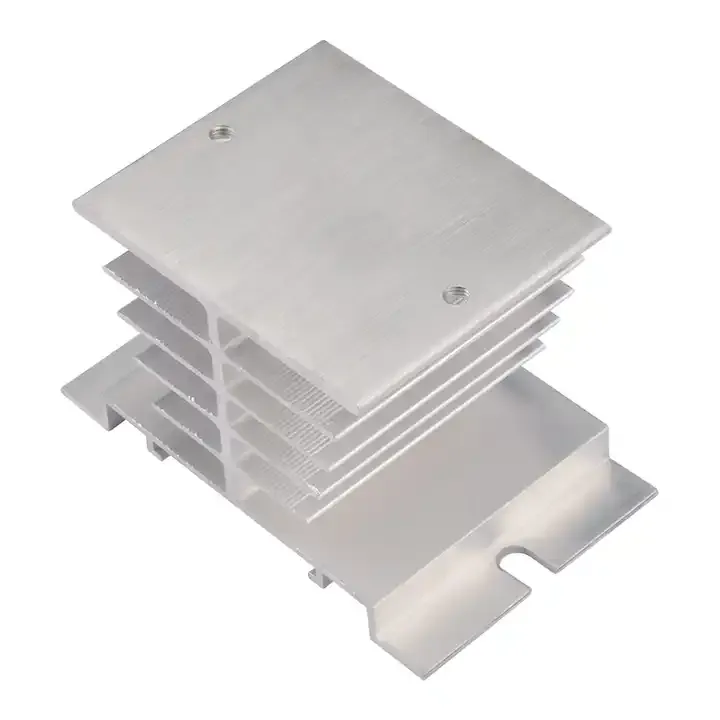
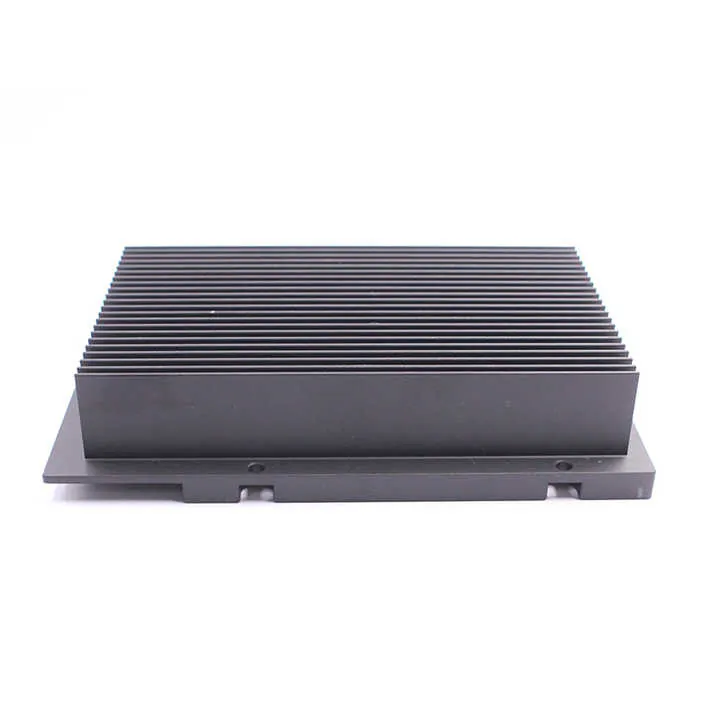
| Heat Sink Base | Surface pattern, thin walls | Aluminum |
Vertical milling is flexible and efficient for all of these applications. However, when parts are too long, too heavy, or need aggressive side cutting, horizontal milling may be better.
For most day-to-day components, especially when detail and accuracy matter, vertical mills are more than enough.
Where are vertical mills applied?
From small workshops to large production plants, vertical milling machines are widely used across industries needing accurate and repeatable metal cutting.
Vertical mills are used in automotive, aerospace, medical device, electronics, mold making, and general manufacturing industries for precision part creation.
The combination of precise cuts, flexible programming, and relatively low cost makes vertical mills a key tool in many factories.
Common Applications by Industry
| Industry | Common Parts Produced |
|---|---|
| Automotive | Engine mounts, housings, brackets |
| Aerospace | Structural components, test fixtures |
| Electronics | Housings, connector plates |
| Medical | Implants, instrument parts |
| Mold Making | Mold bases, inserts, cores |
| General Machinery | Machine frames, support plates |
Vertical mills are often the first choice in prototyping labs. They can quickly make single parts or small runs needed for testing and product development.
In production settings, vertical mills help make jigs, fixtures, and even final-use components. Some are also used for making tools and dies that help form or cut other products.
With a good vertical mill and skilled programming, manufacturers can deliver quality parts quickly without large investments or long setup times.
Conclusion
CNC vertical milling machines provide a reliable, affordable, and flexible way to shape materials accurately. They suit jobs needing flat faces, drilled holes, and clean features. For small-to-medium production, prototyping, and custom parts, vertical mills are often the best choice for consistent, high-quality machining.