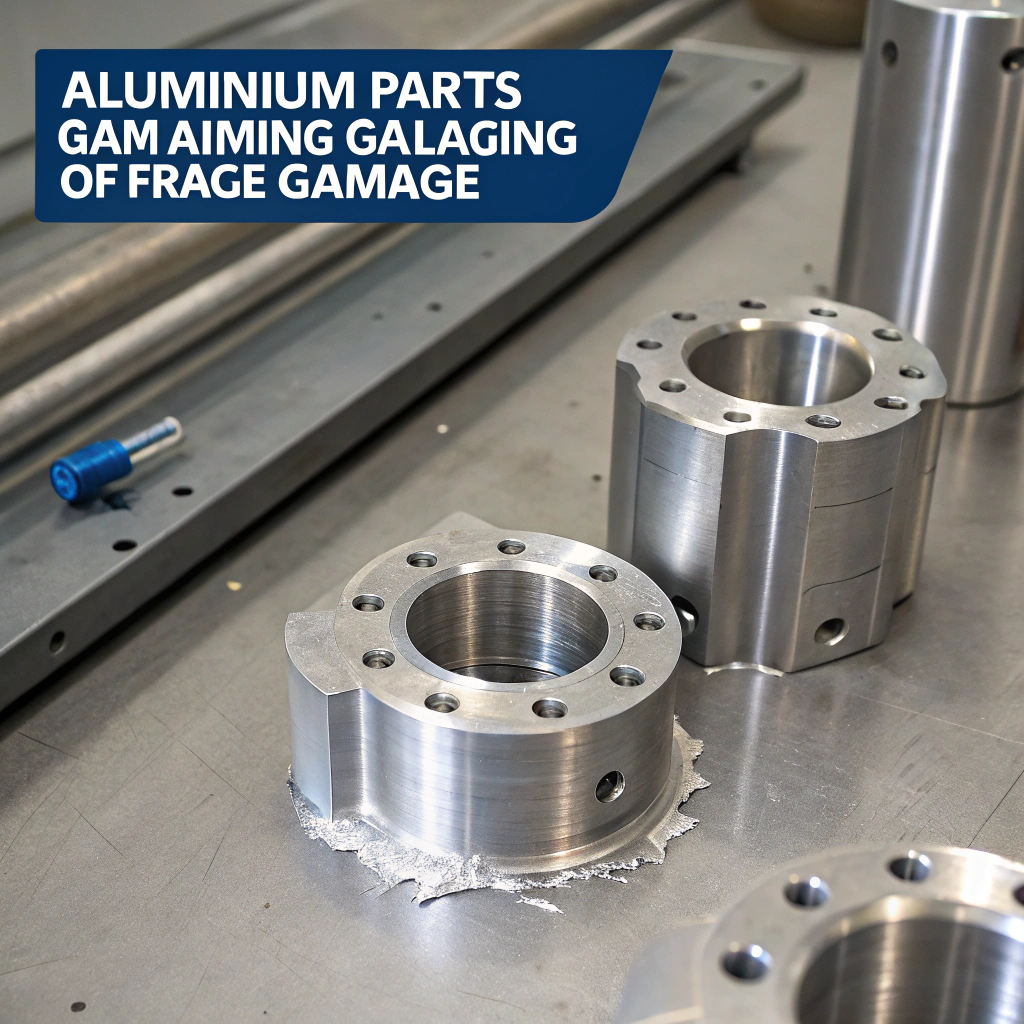
If you’ve ever seen aluminum parts stick together or tear during machining, chances are you’ve witnessed galling. But what is galling, and why does it matter?
Aluminum galling is a severe form of adhesive wear where metal surfaces stick and tear during contact, often in machining or forming operations. It damages tools and compromises product quality.
This issue is common in high-speed or high-pressure operations. Understanding galling can help avoid costly downtime and improve part finish.
What causes aluminum galling?
When aluminum parts or tools rub against each other, especially under pressure, the metal can soften and weld itself to the other surface. This results in surface damage, tool wear, or even seizure.
Galling happens due to friction, heat, and pressure between similar metal surfaces without proper lubrication or surface treatments.
Why Aluminum Is Susceptible
Aluminum has a relatively low melting point and a strong tendency to stick to other metals, especially when not properly lubricated. When two aluminum surfaces slide against each other, micro-welding can occur, causing the surface material to tear away. This is worsened when temperatures rise due to friction.
Key Factors Behind Galling
| Cause | Description |
|---|---|
| High Friction | Sliding contact without lubrication causes metal transfer |
| Pressure and Load | High pressure between parts increases bonding chances |
| Speed and Heat | Fast movements increase temperature, softening aluminum |
| Surface Finish | Rough surfaces increase chances of contact peaks bonding |
| Material Pairing | Aluminum against aluminum or similar alloys tends to gall more |
| Lack of Lubrication | No barrier to reduce friction means higher chance of metal adhesion |
Real-World Examples
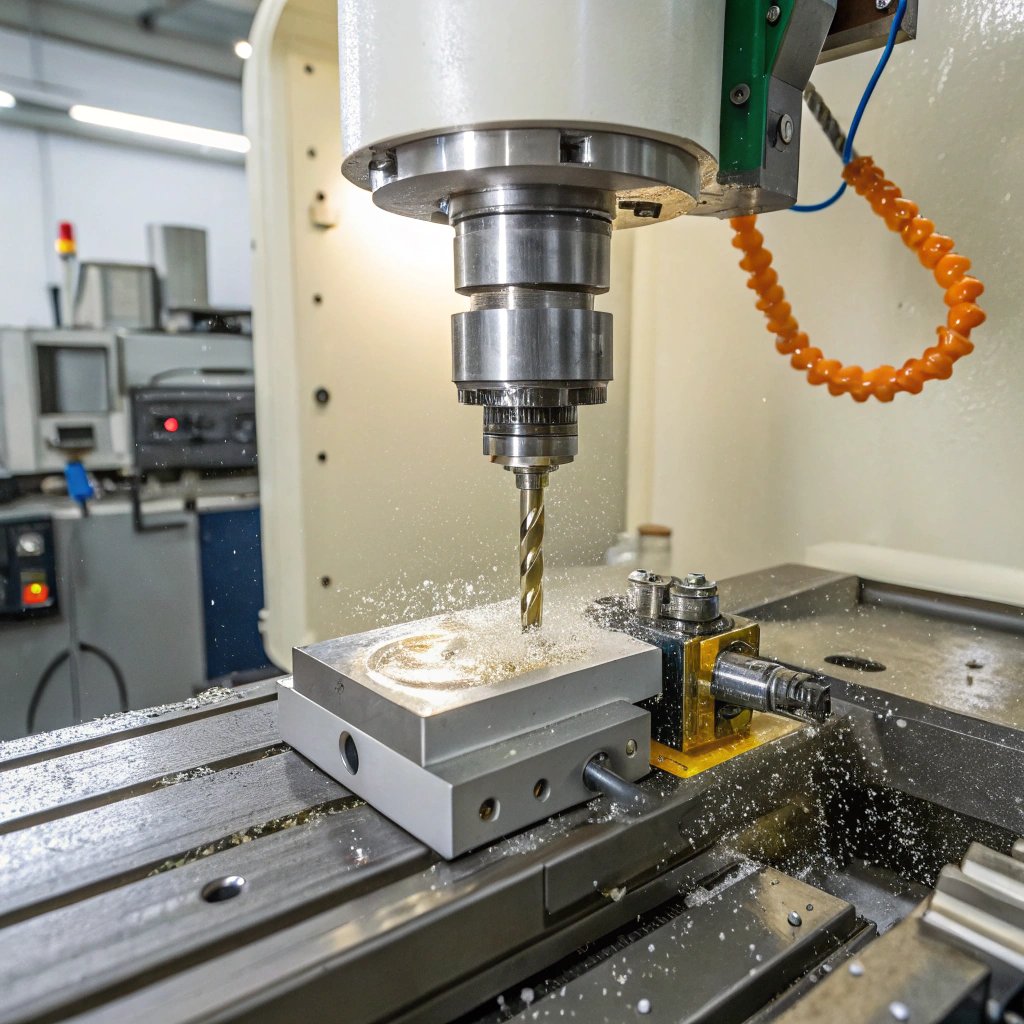
In my experience, galling often shows up when extruding tight-tolerance parts or during CNC drilling without proper cooling. Tools may seize, and parts must be scrapped.
How to prevent aluminum galling in machining?
You can prevent galling by using proper lubrication, choosing tool coatings, adjusting speed/feed rates, and improving surface finishes.
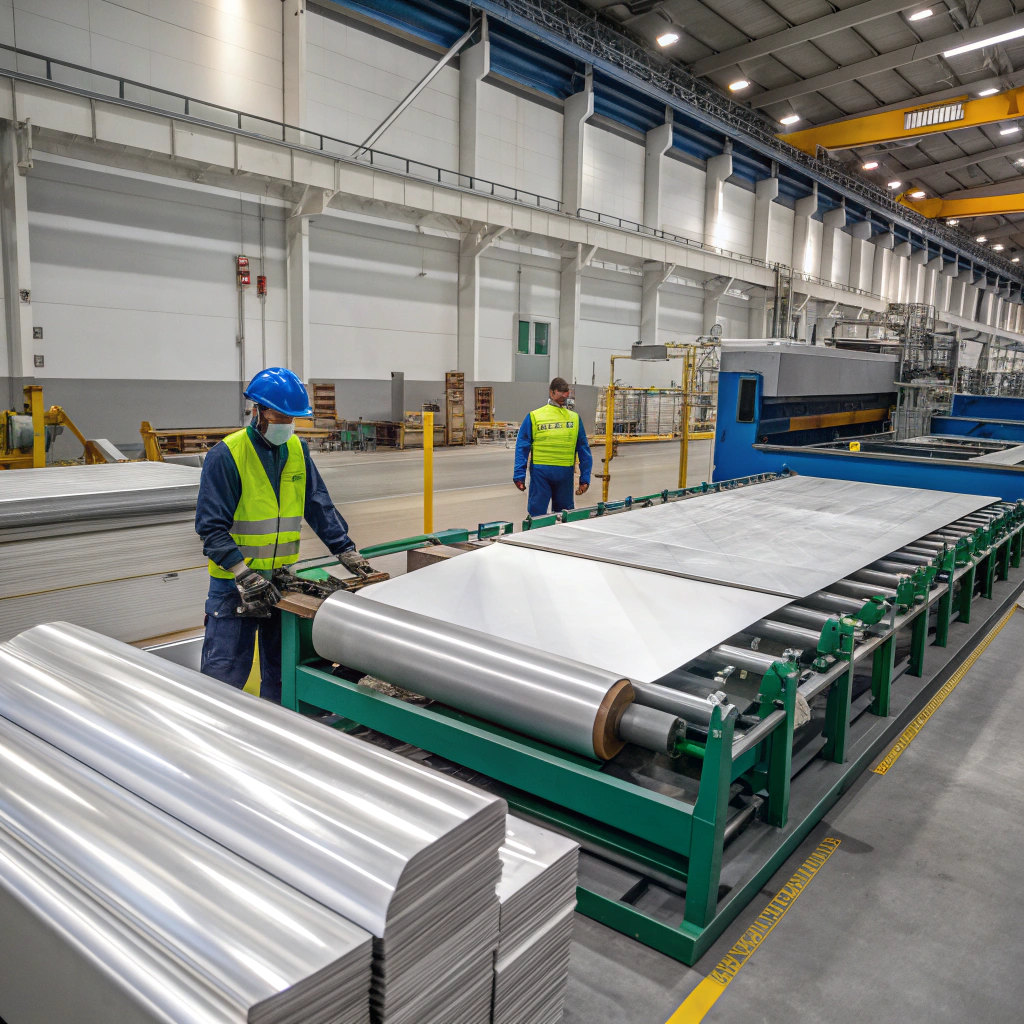
Aluminum galling is frustrating, but it’s not inevitable. By using the right techniques and materials, we can avoid most issues. Over the years, I've developed a checklist that helps prevent galling in most production environments.
Best Practices to Avoid Galling
1. Lubrication
This is the first line of defense. Use proper lubricants to create a barrier between surfaces. In CNC machining, I always use coolant with high lubricity or special anti-galling cutting oils.
2. Tool Coating and Material
Using coated tools helps reduce friction and sticking. For aluminum, tools coated with TiB2 (titanium diboride) or DLC (diamond-like carbon) work well.
3. Adjusting Machining Parameters
Reduce feed rates and speeds to control heat. If temperatures rise too much, aluminum gets soft and sticky.
4. Surface Finish Optimization
Polishing contact surfaces on tools and dies reduces bonding points. A smooth finish helps prevent micro-welding.
5. Material Pairing
Avoid aluminum-on-aluminum contact. Use a dissimilar material for the die or tool whenever possible.
6. Use of Anti-Galling Inserts
In some cases, especially for repetitive operations, using a steel or ceramic insert at high-wear areas can reduce galling.
Summary Table
| Method | Description | Effectiveness |
|---|---|---|
| Lubrication | Use oil, grease, or coolant to reduce friction | ★★★★★ |
| Tool Coating | Apply anti-stick coatings on cutters or dies | ★★★★☆ |
| Surface Finish | Polish both tool and part surfaces to reduce adhesion | ★★★★☆ |
| Lower Speeds | Reduce heat generation and softening of aluminum | ★★★☆☆ |
| Material Pairing | Use dissimilar contact materials (e.g., steel on aluminum) | ★★★★☆ |
What are the research trends in aluminum galling prevention?
Current research in aluminum galling focuses on new coatings, surface engineering, and additive manufacturing techniques to reduce adhesive wear.
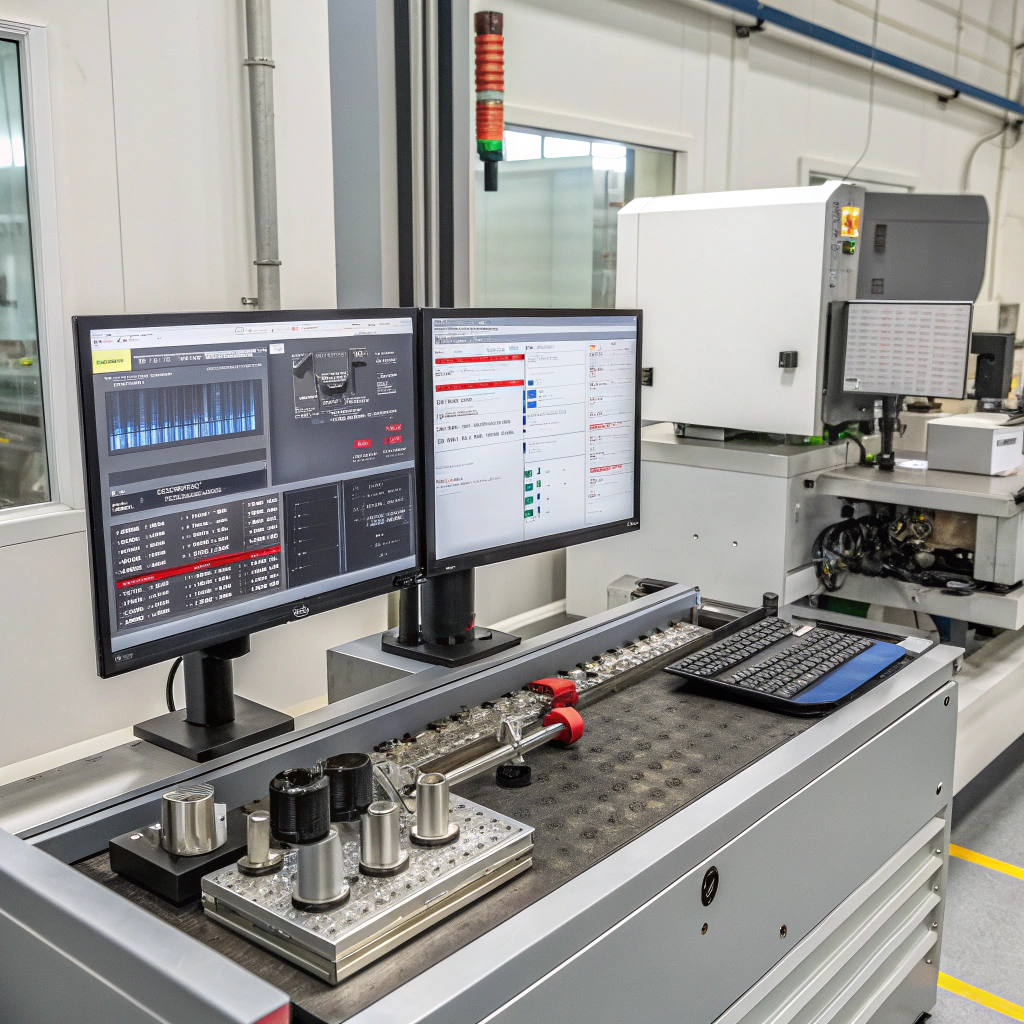
As demand grows for high-speed, high-precision aluminum machining, researchers are looking for better ways to stop galling before it starts. I often keep an eye on new studies and materials to stay ahead.
1. Advanced Coatings
New tool coatings like AlTiN, TiB2, and DLC are being tested in extreme conditions. These materials resist aluminum buildup and extend tool life.
Some studies focus on nanostructured coatings that adjust based on heat and pressure, offering adaptive protection.
2. Textured Surfaces
Engineers are exploring laser-textured surfaces that create micro-patterns to trap lubricants and reduce direct contact. These textures can lower friction and delay galling.
This method is promising for forming dies and molds.
3. Self-Lubricating Materials
Some experiments use solid lubricants embedded in materials, like MoS2 or graphite. These materials slowly release lubricants during operation.
This is especially useful in dry or low-maintenance settings.
4. Artificial Intelligence and Monitoring
AI is now used to detect early signs of galling based on real-time force, temperature, and vibration data during machining. This allows automatic adjustments to prevent damage.
Some smart CNC systems can change feeds and speeds if galling risk is detected.
5. Hybrid Manufacturing Approaches
Additive manufacturing (3D printing) is being used to create custom tooling with anti-galling features built-in. These include custom surface patterns and material gradation inside the tool body.
Academic Research Focus Areas
| Area | Description | Research Activity |
|---|---|---|
| Tool Coatings | Nano-structured, heat-resistant coatings | High |
| Smart Sensors | Real-time galling detection and adaptive machining | Medium |
| Surface Engineering | Micro-texturing and solid lubricant infusion | High |
| New Lubricants | Eco-friendly, high-temp oils and gels | Medium |
| AI-Based Optimization | Predictive models for galling prevention | Emerging |
Conclusion
Aluminum galling is a serious issue, but not a mystery. With proper planning—good lubrication, right coatings, smart speeds—you can avoid it. Ongoing research will bring even better solutions soon.