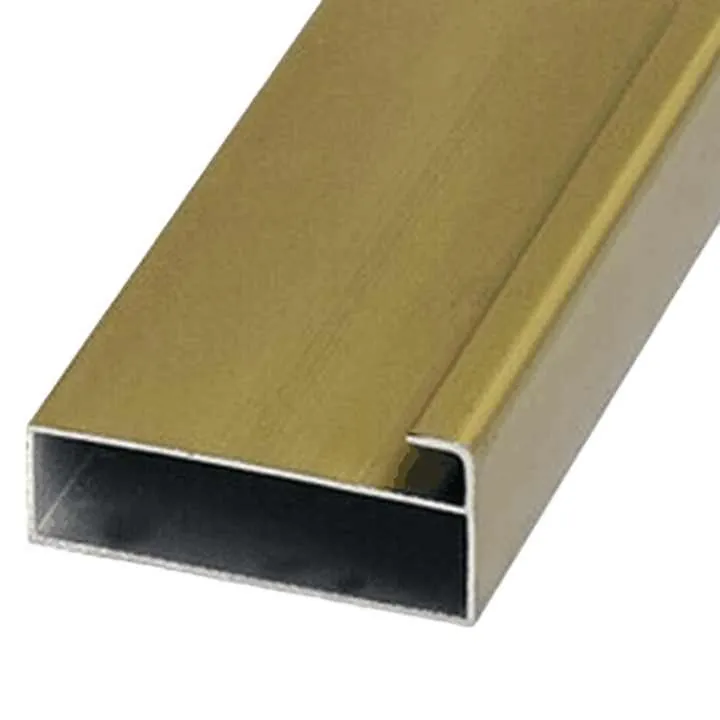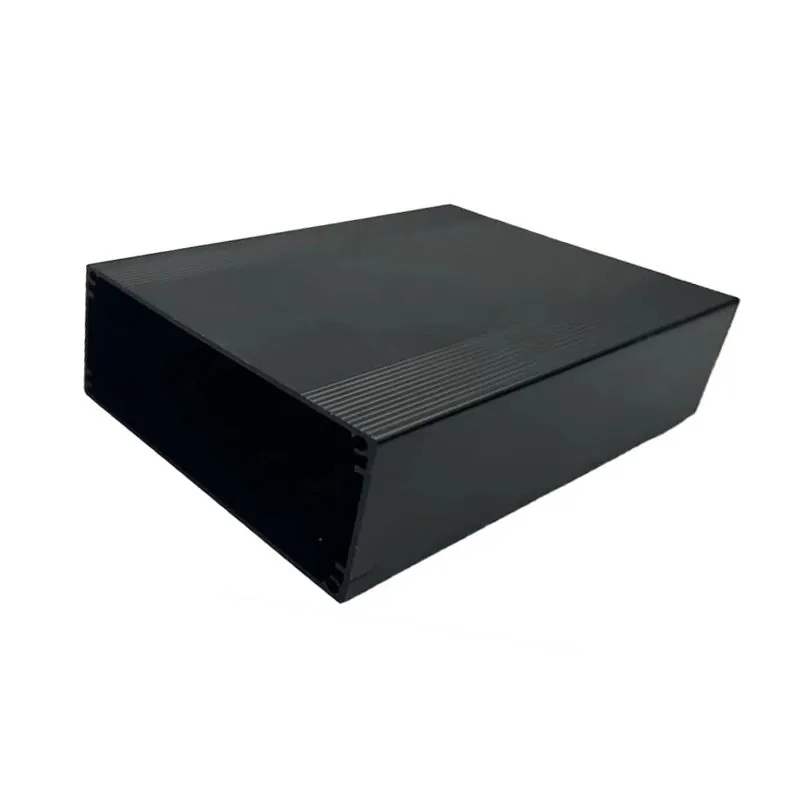
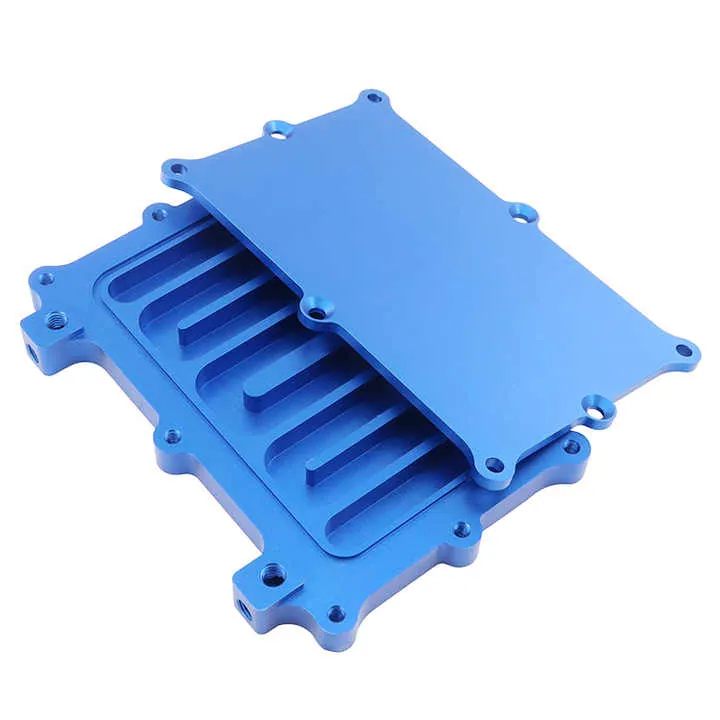
CNC cutting is a precise and automated process that uses computer-controlled machines to cut materials into specific shapes or sizes. The machine follows a pre-programmed design to ensure accuracy, consistency, and efficiency. CNC cutting is used in a variety of industries, offering speed and high precision in material processing.
CNC (Computer Numerical Control) cutting can be applied to a wide range of materials, and the machines can handle different cutting methods, such as laser cutting, plasma cutting, water jet cutting, and more. This technology is a cornerstone of modern manufacturing. In this article, we will explore how CNC cutting works, why it’s chosen over other methods, which materials are ideal for CNC cutting, and where it’s most commonly used.
Let’s take a closer look at what CNC cutting is all about and why it's an essential tool in today's manufacturing world.
How is CNC Cutting Executed?
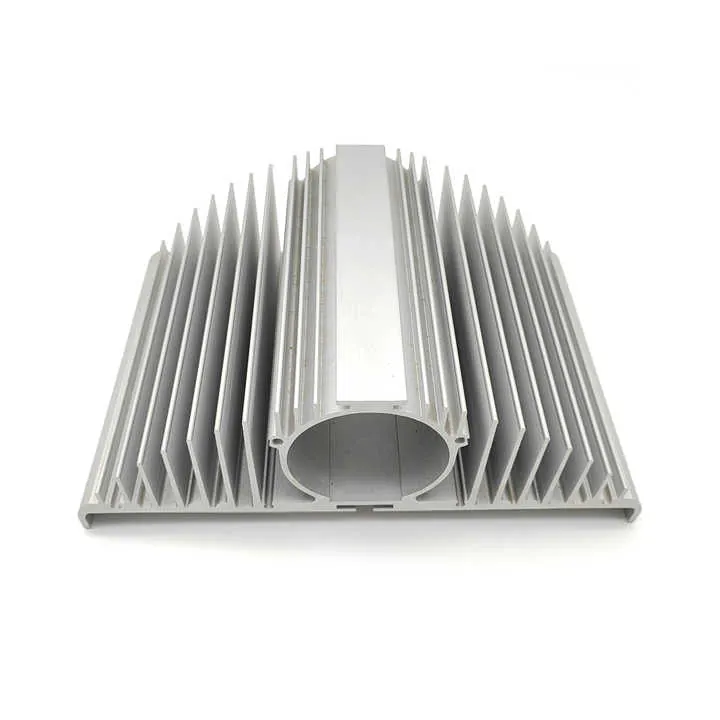
CNC cutting is executed by programming a computer-controlled machine to perform precise cuts on a material. The process starts with a digital design, often created using CAD (Computer-Aided Design) software. This design is then converted into G-code, a set of instructions that tells the CNC machine how to move and cut the material.
CNC Cutting Process:
- Design Creation: The design is created on a computer using CAD software, specifying the exact dimensions, shapes, and features of the part.
- G-code Generation: The CAD design is translated into G-code, which provides the instructions for the CNC machine.
- Machine Setup: The material to be cut is loaded into the CNC machine, and the machine is calibrated according to the program.
- Cutting: The CNC machine follows the G-code to make cuts in the material, using tools such as lasers, plasma, or water jets, depending on the type of CNC cutting.
- Finishing: After the cuts are made, the part may go through post-processing steps like deburring, cleaning, or surface finishing.
The key benefit of CNC cutting is its ability to perform intricate and consistent cuts with minimal human intervention, reducing the chance of errors and improving production efficiency.
Why Choose CNC Cutting Methods?
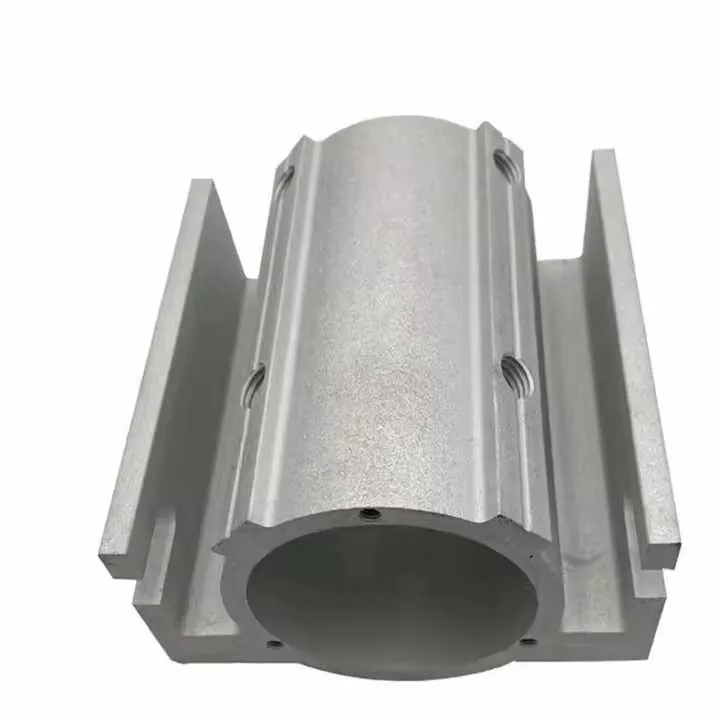
CNC cutting methods offer several advantages over traditional manual cutting methods, making them the preferred choice for many industries. These methods provide superior precision, repeatability, and versatility in material processing.
Reasons to Choose CNC Cutting:
- Precision and Accuracy: CNC cutting can achieve high levels of precision, with tolerances as small as 0.001 inches, ensuring that each part is cut exactly as designed.
- Consistency: Once a CNC program is set, it can be used to produce identical parts consistently, making it ideal for mass production.
- Complexity: CNC cutting can handle complex geometries and shapes that would be difficult or impossible to achieve manually.
- Reduced Waste: CNC cutting is efficient, with the machine only cutting exactly what’s needed, which reduces material waste.
- Automation: With CNC cutting, human intervention is minimized, reducing the likelihood of errors and speeding up production time.
These advantages make CNC cutting a valuable tool in industries that require high precision, high-volume production, or intricate designs.
Which Materials Are Ideal for CNC Cutting?
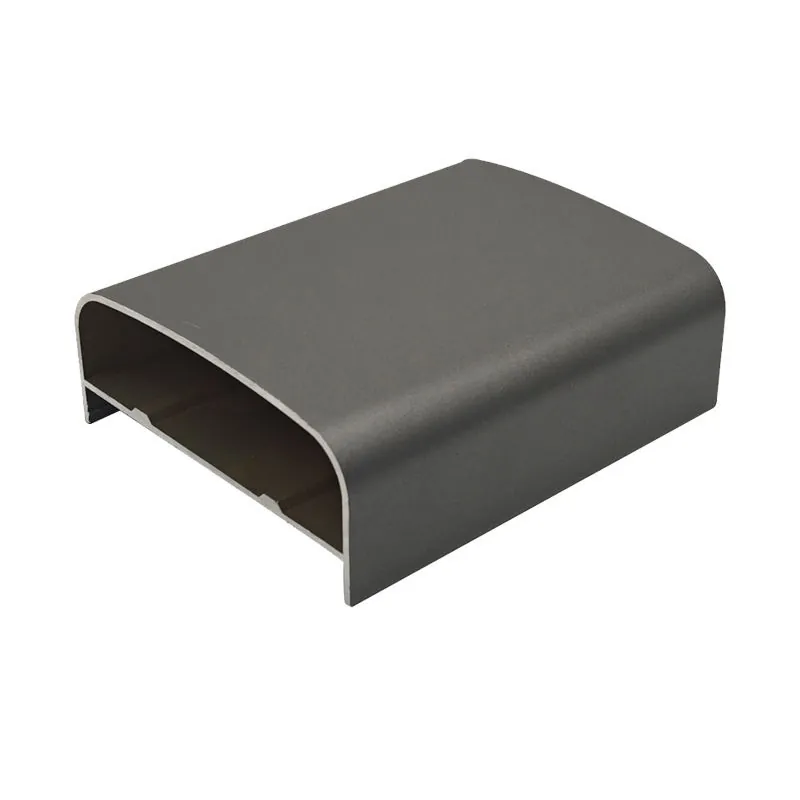
CNC cutting can be applied to a wide variety of materials, ranging from metals to plastics to wood. The material chosen depends on the type of CNC cutting method being used and the specific requirements of the project.
Materials Suitable for CNC Cutting:
| Material Type | CNC Cutting Method | Common Applications |
|---|---|---|
| Metal | Laser cutting, Plasma cutting, Water jet cutting | Automotive parts, Aerospace components |
| Wood | Laser cutting, Router cutting | Furniture, Cabinet making, Signage |
| Plastic | Laser cutting, Water jet cutting | Electronics, Packaging, Prototyping |
| Composite | Laser cutting, Water jet cutting | Aerospace, Automotive, Engineering |
| Glass | Water jet cutting, Laser cutting | Decorative designs, Industrial use |
CNC cutting methods work well on materials like metals, plastics, wood, and composites. Metals such as steel, aluminum, and titanium are commonly cut with plasma or laser cutting, while materials like wood and plastic are often processed with routers or laser cutters. The choice of CNC cutting method depends on the material's properties and the desired result.
Where is CNC Cutting Commonly Used?
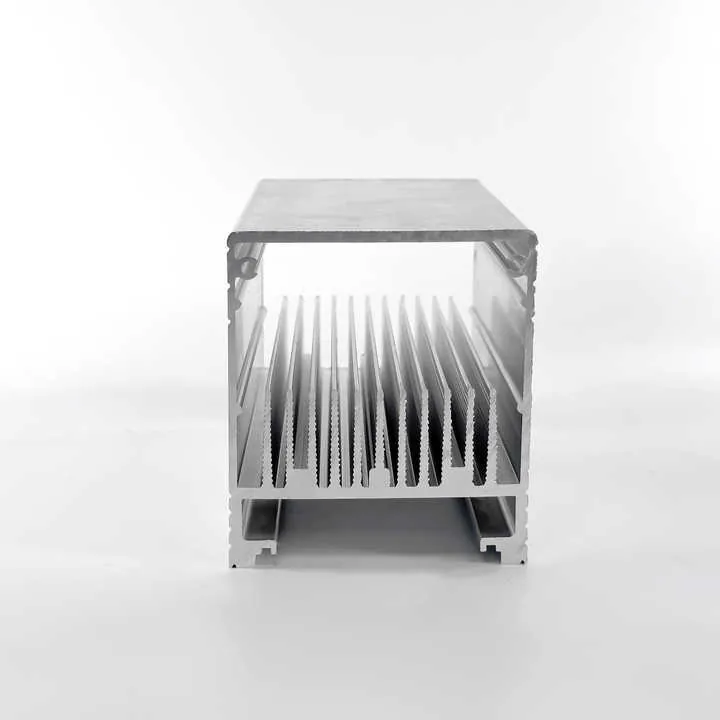
CNC cutting is used across a wide range of industries due to its precision, versatility, and ability to handle various materials. It’s particularly valuable in industries that require high levels of detail or mass production of components.
Common Industries Using CNC Cutting:
| Industry | Applications | Benefits of CNC Cutting |
|---|---|---|
| Aerospace | Cutting aircraft components, turbine blades | High precision, lightweight parts |
| Automotive | Manufacturing engine parts, body panels | Complex designs, consistent quality |
| Construction | Cutting steel beams, custom metal parts | Precision, large-scale production |
| Electronics | Circuit boards, connectors, housings | Intricate cuts, fast production |
| Signage | Cutting signs, logos, and custom shapes | Custom designs, aesthetic appeal |
In the aerospace industry, CNC cutting is used to manufacture lightweight and highly precise parts such as turbine blades and structural components. In the automotive industry, CNC cutting helps produce complex engine parts and body panels with tight tolerances. CNC cutting is also commonly used in electronics for producing circuit boards and connectors, where intricate cuts are necessary.
Conclusion
In conclusion, CNC cutting is an advanced and efficient method for manufacturing precise parts from a variety of materials. Its ability to handle complex designs, improve consistency, and reduce waste makes it the go-to solution for industries like aerospace, automotive, and electronics. Whether you’re producing high-precision components or custom designs, CNC cutting offers a fast, reliable, and accurate way to meet production needs.