Traditional cutting methods struggle with precision, speed, or consistency — especially when cutting complex shapes or repeating parts. Errors lead to wasted material and slower production.
A CNC cutting machine uses computer-controlled precision to cut materials accurately, efficiently, and repeatedly — making it ideal for manufacturing, fabrication, and custom production.
From sheet metal to wood, CNC cutting machines streamline industrial tasks and improve quality. Let’s explore how they work, why they matter, which materials they handle best, and where they’re used.
How does a CNC cutting machine work?
Many think CNC cutting is just a fancy saw — but it’s much more. It’s a fully digital tool, controlled by software, that follows exact cutting paths.
CNC cutting machines use programmed instructions to move a cutting tool along multiple axes, delivering fast, accurate cuts with minimal human input.
How It Works Step-by-Step
-
Design Creation (CAD)
A digital design is created using CAD (Computer-Aided Design) software. This can be a 2D layout or a 3D model. -
Toolpath Generation (CAM)
The design is converted to toolpaths using CAM (Computer-Aided Manufacturing) software. This defines the cutting speed, direction, and depth. -
Machine Setup
The material is placed on the machine bed and secured. The correct cutting head (e.g., laser, plasma, router, waterjet) is installed. -
Execution via CNC Controller
The CNC controller reads the toolpaths and moves the cutting head along X, Y, and Z axes — often with sub-millimeter precision. -
Automated Cutting Process
Depending on the tool, the machine cuts through or engraves the material. It works continuously with high accuracy.
Common Types of CNC Cutting Machines
| Machine Type | Cutting Tool | Best For |
|---|---|---|
| CNC Router | Rotating bit | Wood, plastic, soft metal |
| CNC Laser Cutter | Laser beam | Metal sheets, acrylic, wood |
| CNC Plasma Cutter | Ionized gas arc | Steel, stainless, aluminum |
| CNC Waterjet | High-pressure water | Thick metals, stone, composites |
| CNC Knife Cutter | Oscillating blade | Foam, fabric, rubber |
Different machines suit different tasks, but all follow the same logic: automate cutting with precision.
Why use CNC for cutting?
Manual cutting is often slow, error-prone, and tiring. It’s hard to get perfect results every time — especially for complex shapes or bulk orders.
CNC cutting offers speed, repeatability, and digital control — ensuring clean cuts, less waste, and better productivity.
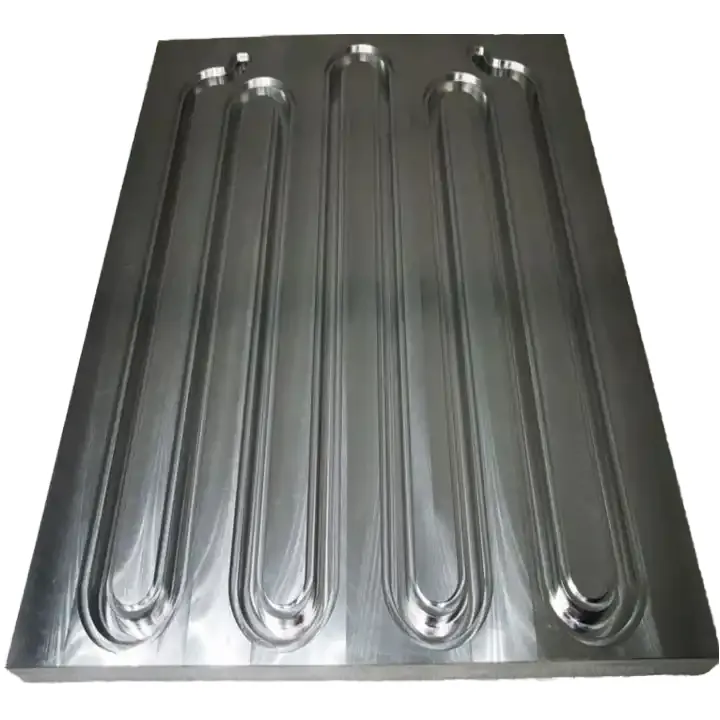
Key Advantages
-
High Accuracy
CNC systems cut with incredible precision — often within 0.01mm. Great for fine details and tight tolerances. -
Repeatability
Once programmed, the machine can repeat the same cut thousands of times with no variation. -
Speed & Efficiency
CNC machines can cut complex parts in minutes. No need to mark, measure, or guide the blade manually. -
Complex Geometry
CNC can handle shapes, curves, and cutouts that are impossible by hand. -
Less Waste
Because the cuts are precise, there’s less scrap material — reducing costs over time. -
Automation & Scalability
Machines can run unattended for long periods. Perfect for scaling up production.
CNC also reduces the need for skilled labor. A small team can operate many machines or produce large volumes without deep hands-on training.
Which materials are ideal for CNC cutting?
CNC cutting machines are not just for metal or wood. Depending on the tool type, they can handle a wide range of materials — from soft foams to thick steel plates.
Materials ideal for CNC cutting include metal, wood, plastic, foam, composites, and even textiles — each matched to a specific type of CNC cutter.
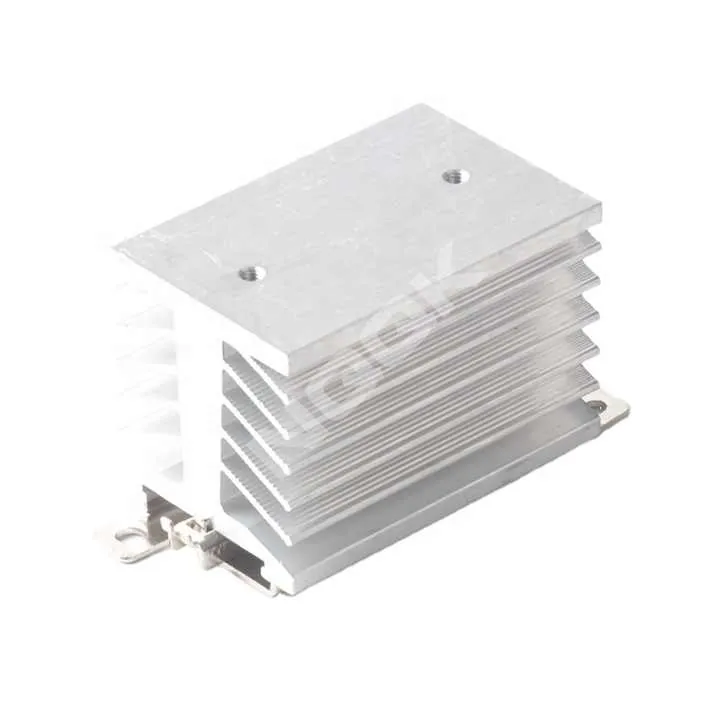
Table: Materials vs. Cutting Methods
| Material | Best CNC Cutting Type | Notes |
|---|---|---|
| Wood | CNC Router / Laser | Ideal for furniture, signage |
| Aluminum | CNC Router / Plasma | Lightweight parts, enclosures |
| Steel / Stainless | Plasma / Waterjet | Industrial frames, plates |
| Acrylic / Plastic | Laser / Router | Signage, displays, casings |
| Foam | Oscillating Knife | Packaging, models, insulation |
| Stone / Ceramic | Waterjet | Tiles, decor panels, sculpture |
| Textiles / Leather | Knife / Laser | Fashion, upholstery, auto trim |
Some materials, like aluminum, can be cut by multiple types of machines. The choice depends on the precision, finish, and speed you need.
When choosing a CNC cutter, the material you work with most often is the top factor. For example:
- CNC routers are best for wood and light metal.
- Laser cutters work well on acrylic and wood.
- Waterjets handle nearly anything, but cost more.
Where are CNC cutting machines used?
CNC cutting machines are not limited to one industry. They’re used wherever precise shapes, volume production, or material efficiency matter.
CNC cutting is used in industries like aerospace, automotive, furniture, signage, electronics, construction, and fashion.
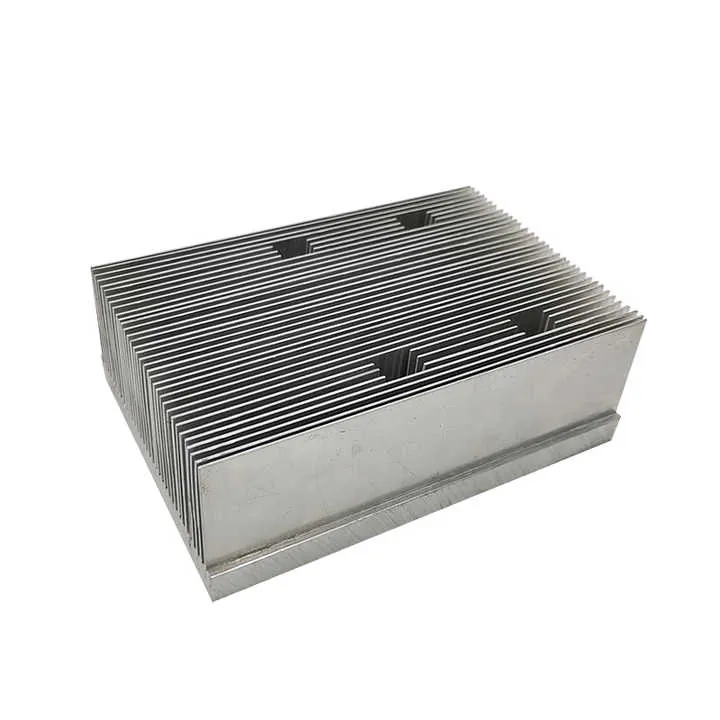
Common Applications by Industry
| Industry | Application |
|---|---|
| Aerospace | Cutting aluminum parts, brackets |
| Automotive | Body panels, gaskets, interior trims |
| Furniture | Panels, joints, decorative carvings |
| Signage | Acrylic letters, wood signs |
| Electronics | PCBs, casings, mounting panels |
| Construction | Steel beams, wall panels |
| Fashion | Fabric cutting, leather shaping |
| Packaging | Foam inserts, box templates |
CNC is especially useful when you need:
- Fast prototyping
- Custom parts
- Bulk production with low error
- Complex geometries or nested layouts
In recent years, small businesses and makerspaces also use CNC cutters for crafts, art, custom products, and creative work.
Whether it’s a massive sheet metal factory or a two-person woodworking shop, CNC makes cutting faster and more flexible.
Conclusion
A CNC cutting machine uses digital instructions to cut materials with speed, accuracy, and repeatability. From wood signs to steel panels, these machines transform how industries and creators build. They reduce waste, increase efficiency, and open new possibilities — all through the power of code and motion.